St Lawrence’s Church, Gotham: A Thirteenth-Century Parish Church
Site at a Glance
- Rating
- 4.5
- Popularity
- Very Low
- Country
- United Kingdom
- Primary era
- Medieval
- External website
- Open
- Eras represented
- Medieval, Modern
- Civilizations
- British, English
- Site type
- Religious
- Remains
- Church
History
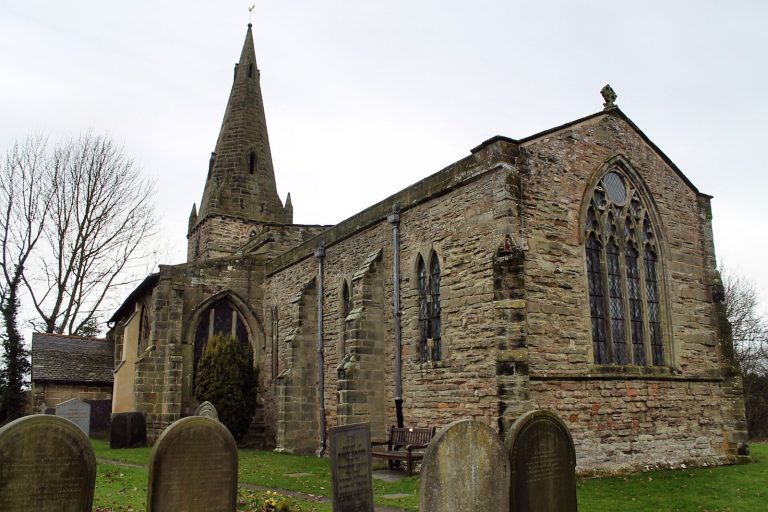
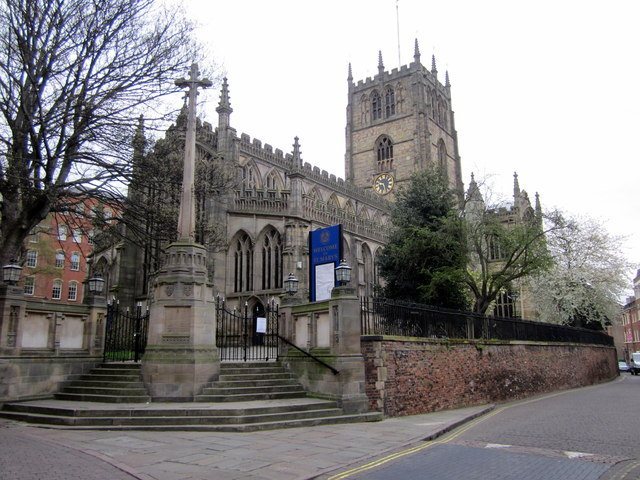
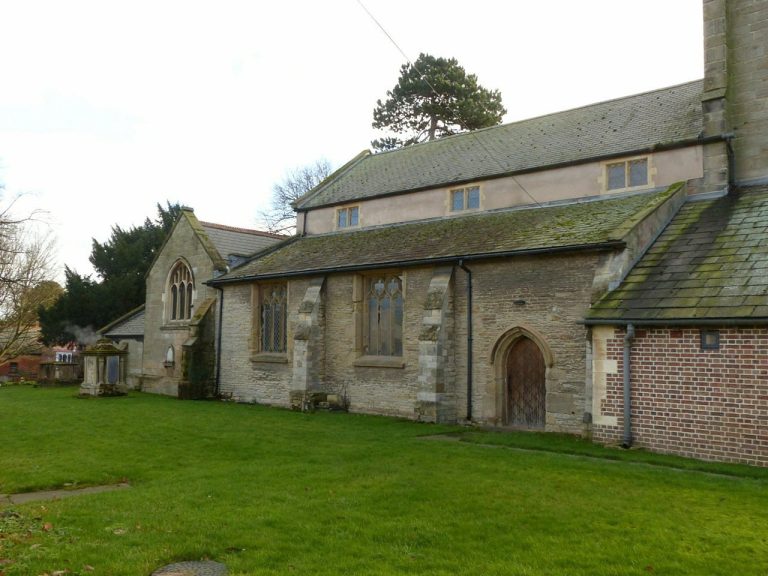
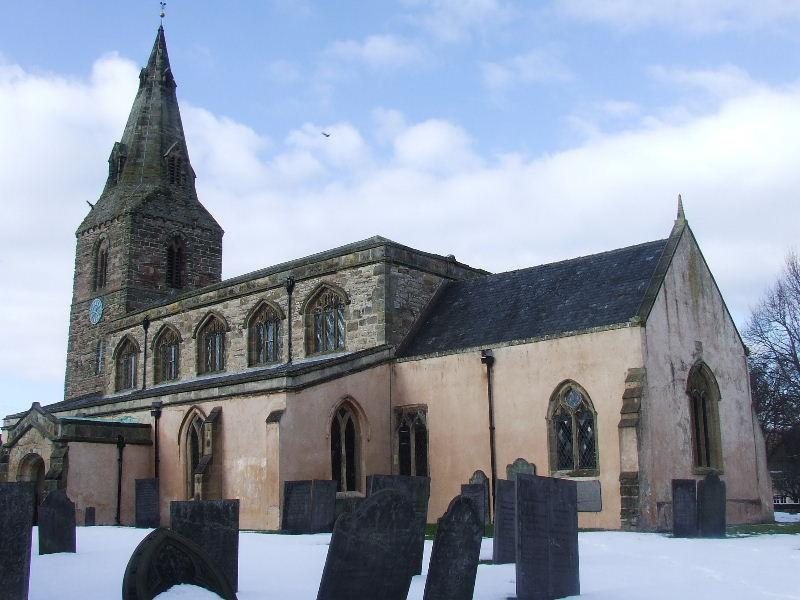
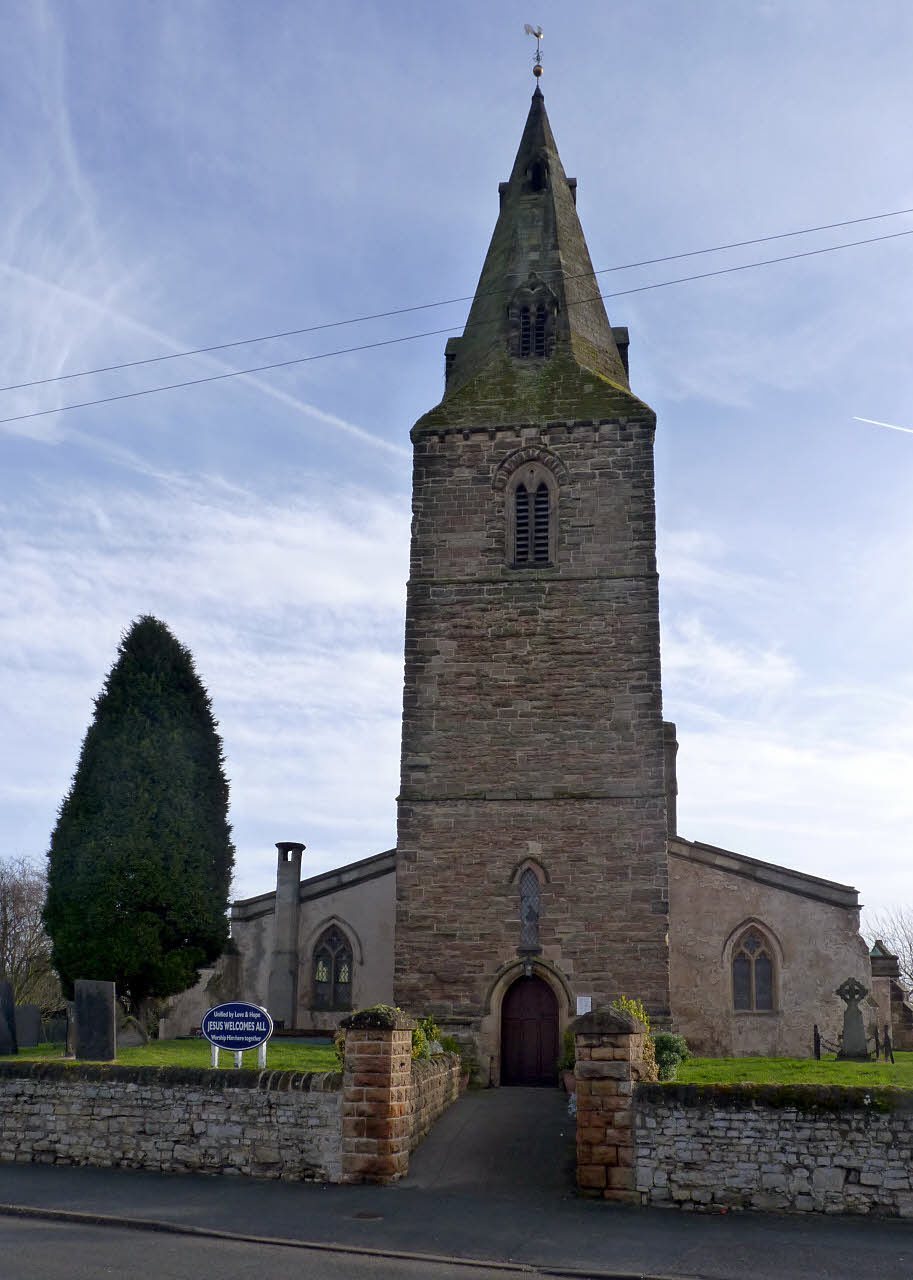
St Lawrence’s Church, Gotham is a thirteenth-century parish church of the Church of England in the United Kingdom, dedicated to St Lawrence, a third-century Christian deacon and martyr traditionally associated with the Roman Church. The church is a Grade I listed building, the highest category of statutory protection for buildings of exceptional architectural or historic interest in England.
The church was restored in 1789 and repaired in 1869. It belongs to the Province of York, the Diocese of Southwell and Nottingham, the Archdeaconry of Nottingham, and the Deanery of West Bingham. St Lawrence’s forms part of an informal group of five churches known collectively as “The 453 Churches,” alongside St George’s Church at Barton in Fabis, St Winifred’s Church at Kingston on Soar, Holy Trinity Church at Ratcliffe-on-Soar, and All Saints’ Church at Thrumpton. St Lawrence’s is the largest of the group.
In 2010, the church was reordered to create a flexible modern worship space. The building is now used for different events throughout the year while retaining its role as a parish church.
Remains
The surviving church includes a tower fitted with a new clock in 1848. Designed and constructed by Reuben Bosworth, the clock cost £70 and had two dials. One faced the town street, while the other faced the road from Nottingham to Leake, allowing the time to be seen from both approaches.
Interior memorials preserve the names and dates of members of the local community across several generations. They commemorate John Foxcroft, who died in 1662; Gergii Loxcroete, commemorated in 1619; John Barrow, 1707; John Bridges, 1710; Isaac Barrow, 1745; Thomas Borrow, 1773; Samuel Martin, 1775; Anne Borrow, 1799; and John St. Andrew and his wife, commemorated in 1625.