Ringethal Church: A Romanesque Village Church in Germany
Site at a Glance
- Rating
- 4.7
- Popularity
- Very Low
- Country
- Germany
- Primary era
- Medieval
- External website
- Open
- Eras represented
- Medieval, Early Modern, Modern
- Civilizations
- Electorate of Saxony, Holy Roman Empire, Margraviate of Meissen
- Site type
- Religious
- Remains
- Church
On this page8 sections
History
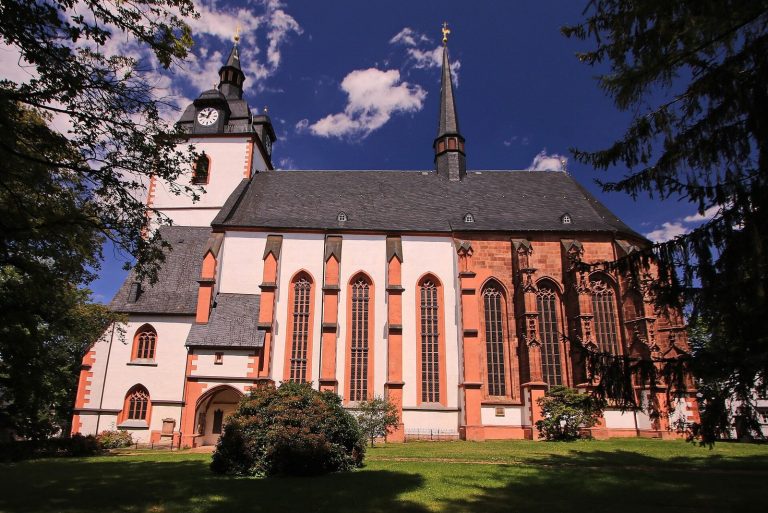
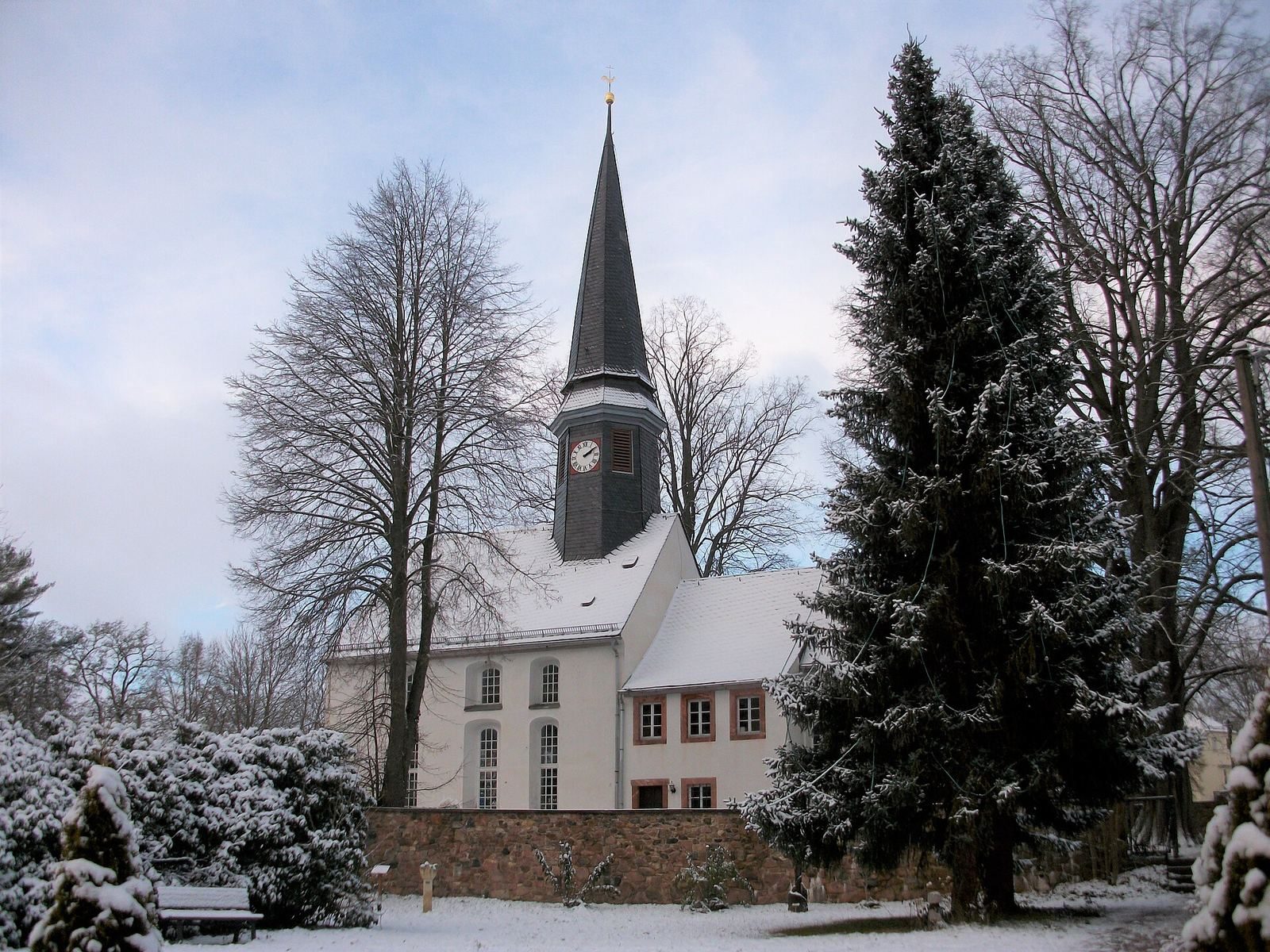
Ringethal Church is an Evangelical village church in Germany, located in Ringethal, a district of Mittweida. It originated as a Romanesque hall church in the twelfth century, a period associated with rounded arches and solid masonry. The building later acquired Gothic and Baroque features and is particularly noted for its small organ, attributed to the eighteenth-century organ builder Gottfried Silbermann because of its characteristic, slightly modified workshop style.
Medieval origins and Gothic alteration
The church began as a Romanesque hall building. Around 1490, it was altered in the Gothic manner, including an extension of the choir and the addition of a roof turret. A pillar-like sandstone baptismal font also dates from around 1490, linking an important surviving furnishing to this phase of the church’s development.
Baroque changes and later restoration
After 1742, the interior was reshaped with Baroque additions. A patron’s box, galleries, and large windows changed the character of the medieval building. The church was restored in 1884. Its religious and administrative affiliation is Evangelical Lutheran: it belongs to the Mittweida parish within the Leisnig-Oschatz ecclesiastical district of the Evangelical Lutheran State Church of Saxony.
A further interior reorganization took place in 1964. The organ gallery was moved to the west, and a Gothic window was uncovered. Between 1964 and 1966, the organ builder Reinhard Schmeisser moved the instrument to this gallery and installed a new blower. Eule Orgelbau of Bautzen restored the organ in 1995.
The Silbermann organ
The organ probably dates from around 1725. It originally had six stops on one manual, the keyboard played by the hands, and a pedal, the keyboard played by the feet. The instrument was first listed in 1800 in a handwritten catalogue of Silbermann’s works compiled by the German organist Johann Gottfried Fischer. It probably stood first in Ringethal manor house and was transferred to the church around 1762 for wartime reasons, when it was installed on a gallery above the altar.
Christlieb Ladegast altered the organ in 1842 and 1843. He added a stop, fitted the pedal with a pedal coupler, which connects the pedal mechanism to another division, and installed a 16-foot Subbass stop. He also shifted the Quinte 1 1/3-foot stop to a lower pitch. The organ was probably raised to a higher pitch and given equal temperament, a tuning system that divides the octave into twelve equal semitones, at the same time. During cleaning by the Jehmlich organ workshop in 1935, the added stop was removed. Schmeisser restored the Quinte to its original pitch during the later reorganization.
Remains
The surviving church is a plastered rubble-stone hall building with a recessed choir that ends in a straight wall. Structures attached to the choir include the patron’s box, a sacristy, and an octagonal roof turret crowned by a tall helm. The small interior has a plain panelled ceiling and galleries on three sides, with two levels along the north side.
Medieval and later architectural features
A Romanesque triumphal arch opens into the choir, which has a flat ceiling. On the north side, a Gothic portal made of porphyry has moulded shafts. The south side contains a gallery designed as a lord’s gallery, while the sacristy is covered by a barrel vault. These elements preserve evidence of the church’s medieval structure alongside later alterations.
Furnishings and memorials
The medieval altar is a plain, block-like structure bearing consecration crosses. Its altar cross and candlesticks date from the eighteenth century. The older sandstone baptismal font has an octagonal base and a round bowl. A second sandstone font, dated 1864, stands in the vestibule and has an octagonal bowl decorated with tracery.
An over-life-size crucifix from the second half of the thirteenth century is preserved in the church. A plain porphyry sacrament niche with a triangular top, dating from around 1490, is set into the east wall. Several tomb monuments from the sixteenth to the eighteenth centuries stand against the exterior walls. One commemorates a member of the von Hahn family who died in 1601 and shows a full-length relief of a kneeling man in armor between Ionic columns.
Organ and bells
The organ has a slider chest, which distributes wind to the pipes, and mechanical action, which transmits the performer’s movements to the valves. Its wind pressure is 55 millimetres on the water gauge. The pitch is A1 = 439.2 hertz, and the tuning is equal temperament. The instrument now stands on the west gallery.
The bell ensemble consists of three cast-iron bells. They hang in a steel bell frame, and their yokes are made of cast iron.