Kirche Hohnstädt: A Romanesque Choir-Tower Church in Germany
Site at a Glance
- Rating
- 4.2
- Popularity
- Very Low
- Country
- Germany
- Primary era
- Medieval
- Eras represented
- Medieval, Modern
- Civilizations
- German, Holy Roman Empire, Margraviate of Meissen
- Site type
- Religious
- Remains
- Church
On this page11 sections
History
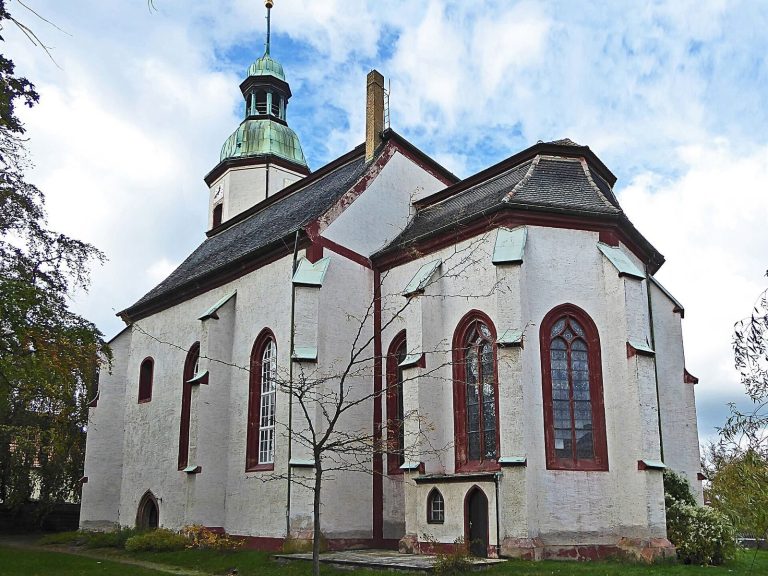
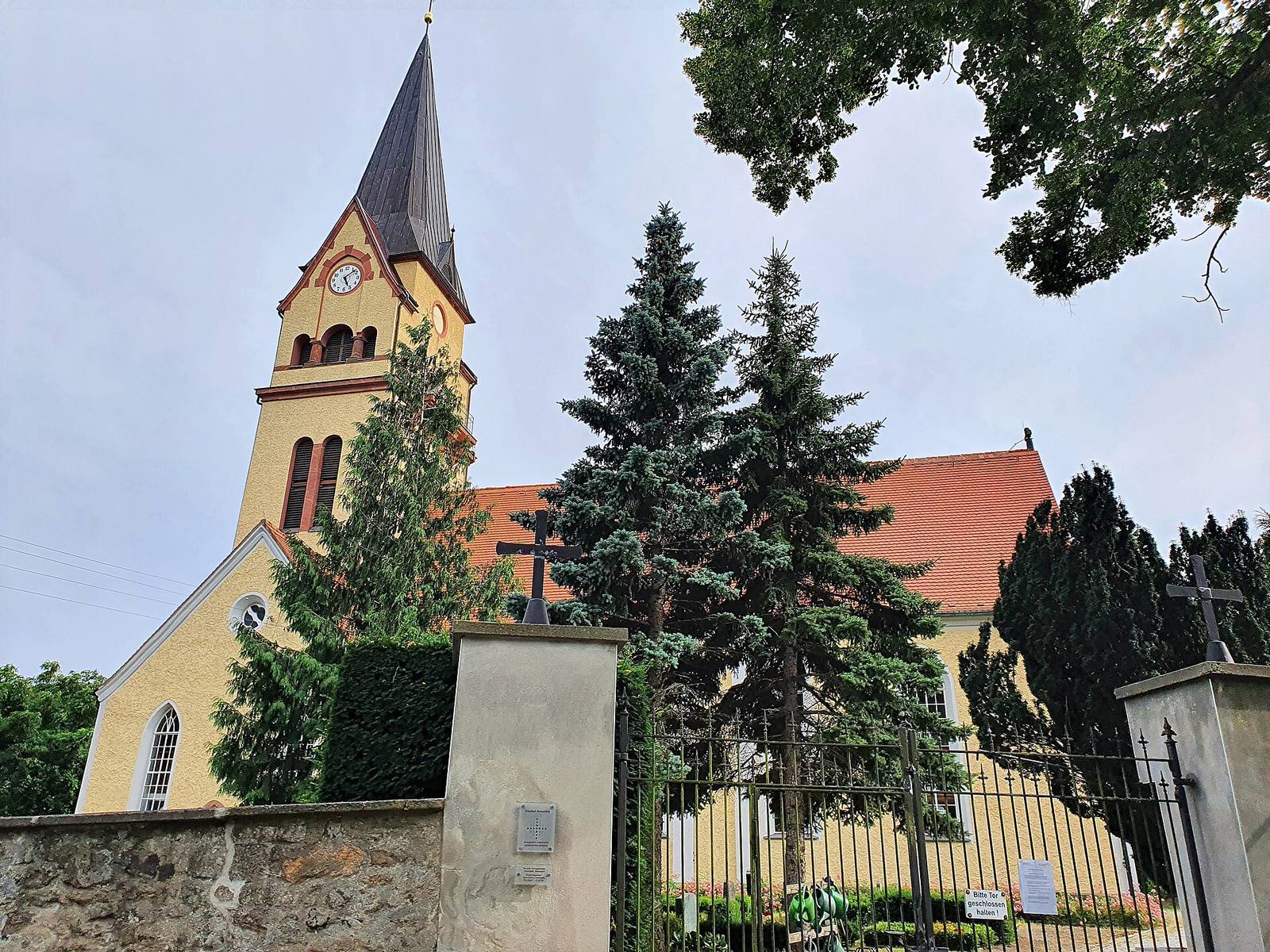
Kirche Hohnstädt is a Romanesque choir-tower church in Hohnstädt, a district of Grimma in Germany. Built in the thirteenth century, it belongs to the Evangelical-Lutheran State Church of Saxony and occupies a hill above the Mulde valley, overlooking the settlement. Its altar area dates from the twelfth century, while the nave has medieval origins.
Medieval origins and later additions
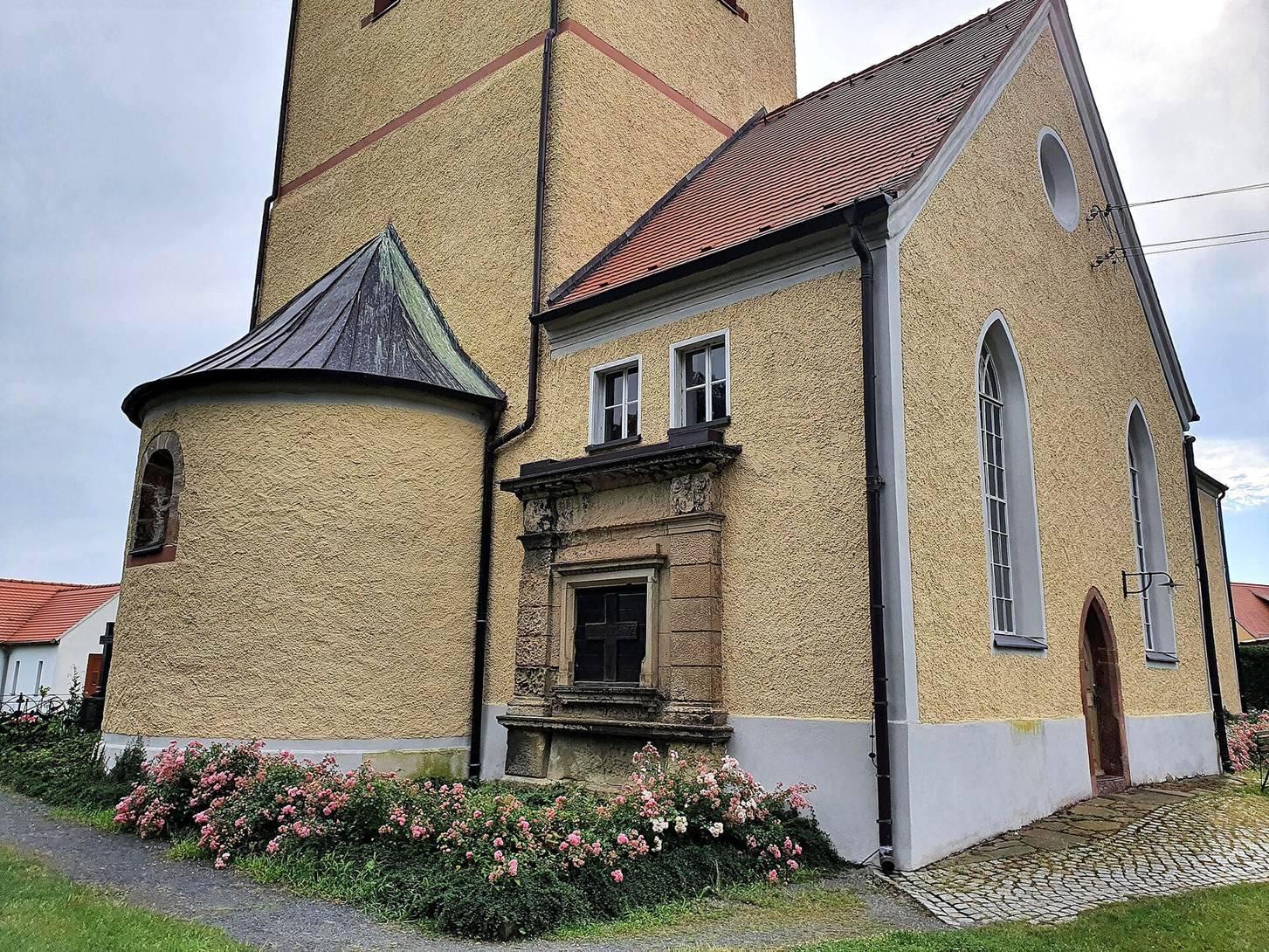
The church developed around an early altar area and a medieval nave, forming a Romanesque building in which the tower is integrated with the choir, the part of the church surrounding the main altar. A late Gothic chapel was added in 1480. It now serves as the sacristy, a room used to prepare worship and store liturgical furnishings.
The medieval nave was enlarged in 1857 and 1858. In the same period, two bronze bells were cast for the church by the Ulrich bell foundry of Apolda. The tower was heightened by 17 metres in 1896, altering the building’s exterior profile. Its spire was completely renewed in 2009 and 2010.
Parish development and associated buildings
In 1999, the Evangelical-Lutheran parishes of Hohnstädt and Beiersdorf united to form the Hohnstädt-Beiersdorf parish. The parish maintains sister-church relationships with the parishes of Grimma, Nerchau, and Döben-Höfgen, arrangements that connect separate congregations through pastoral or administrative ties. Markus Wendland has served as its pastor since 2012.
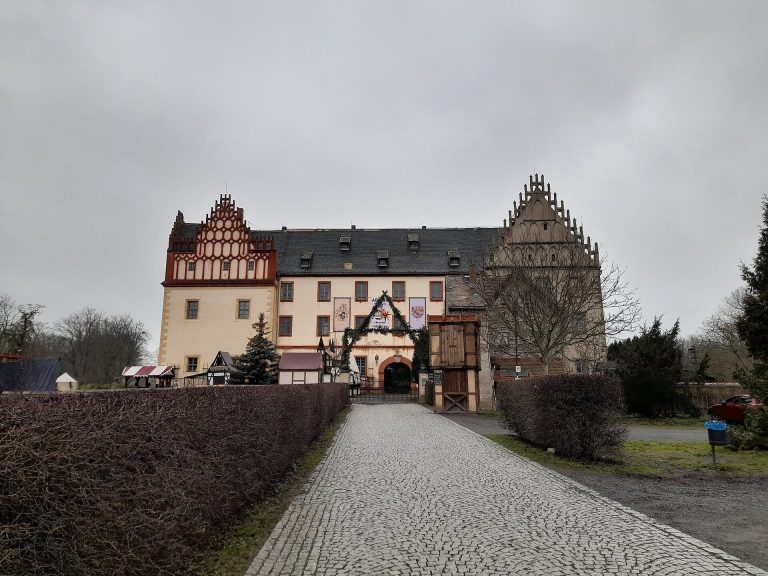
The present vicarage was built in 1910 in the Saxon Heimat style, a German movement that emphasized regional historical forms and local materials. Its exterior was renovated in 2019. Some church pews came from Leipzig’s Markus Church, which was demolished by blasting in 1978.
Remains
Kirche Hohnstädt is organized as a Romanesque choir-tower church with a choir and apse, a usually semicircular end of the choir, set apart from the medieval nave by two triumphal arches. Each arch rests on an impost cornice, a projecting horizontal moulding at the level where an arch begins. The late Gothic chapel forms the sacristy, while the enlarged nave is arranged as a hall church with a three-sided gallery.
Medieval and late Gothic fabric
Choir, apse, and nave
The choir and apse belong to the church’s Romanesque arrangement, with the altar area reaching back to the twelfth century and the main church dating from the thirteenth century. The nave retains its medieval origin but was enlarged between 1857 and 1858. Two triumphal arches separate the sanctuary area from the nave and rest on impost cornices.
Late Gothic sacristy
The chapel built in 1480 is used as the sacristy and has a rib vault, a vaulted ceiling supported by a framework of masonry ribs. Its furnishings include a marble relief altar, a pulpit made from Rochlitz porphyry, a distinctive reddish volcanic stone quarried near Rochlitz in Saxony, and a baptismal font dated 1661.
Organ and bells
Kreutzbach organ
An organ installed in 1858 was built by Urban Kreutzbach of Borna. Georg Wünning of Großolbersdorf extensively restored the instrument in 1993. It has 15 stops, which control particular sets of pipes, along with two hand-operated manuals and a foot-operated pedal. Its listed couplers include Manual Coupler II–I and a pedal coupler. A bell signals when the organ bellows require pumping.
Bronze bells
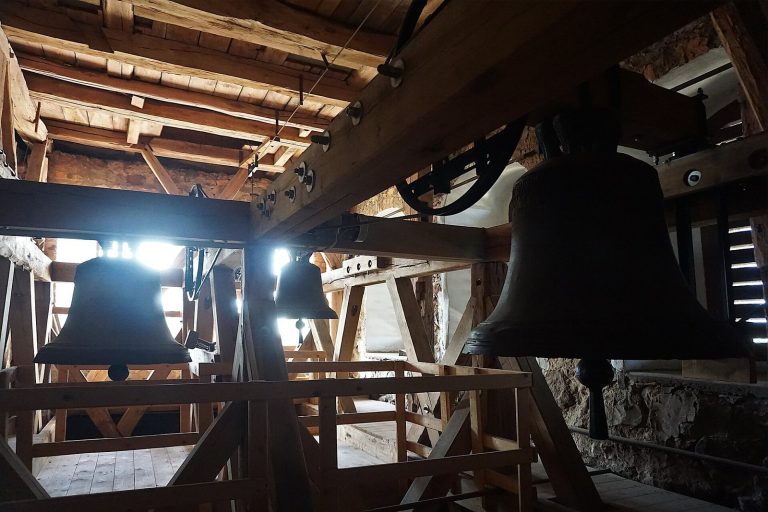
The church’s two bronze bells were cast in 1857 by the Ulrich bell foundry of Apolda. One has a strike note of G-flat, a diameter of 104 centimetres, and a weight of 658 kilograms. The other has a strike note of B-flat, a diameter of 84 centimetres, and a weight of 375 kilograms.
Vicarage
The vicarage stands as a separate associated building beside the church complex. Constructed in 1910 in the Saxon Heimat style, it received exterior renovation in 2019.