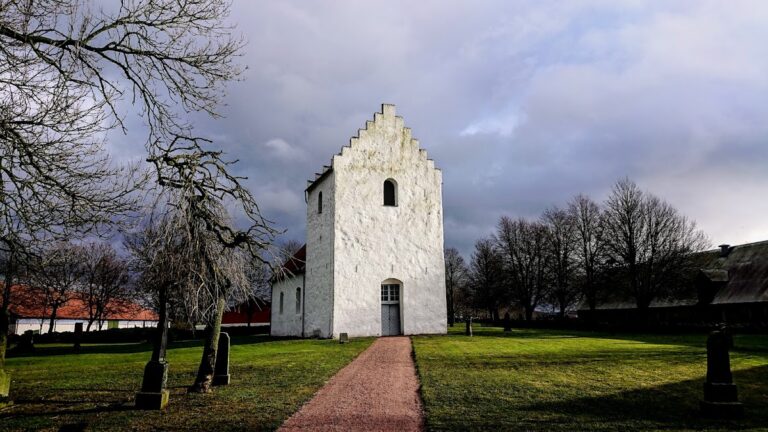
Benestad Church: A Medieval Lutheran Church in Sweden
Site at a Glance
- Rating
- 4.4
- Popularity
- Very Low
- Country
- Sweden
- Primary era
- Medieval
- External website
- Open
- Eras represented
- Medieval, Early Modern, Modern
- Civilizations
- Danish, Swedish
- Site type
- Religious
- Remains
- Church
On this page7 sections
History
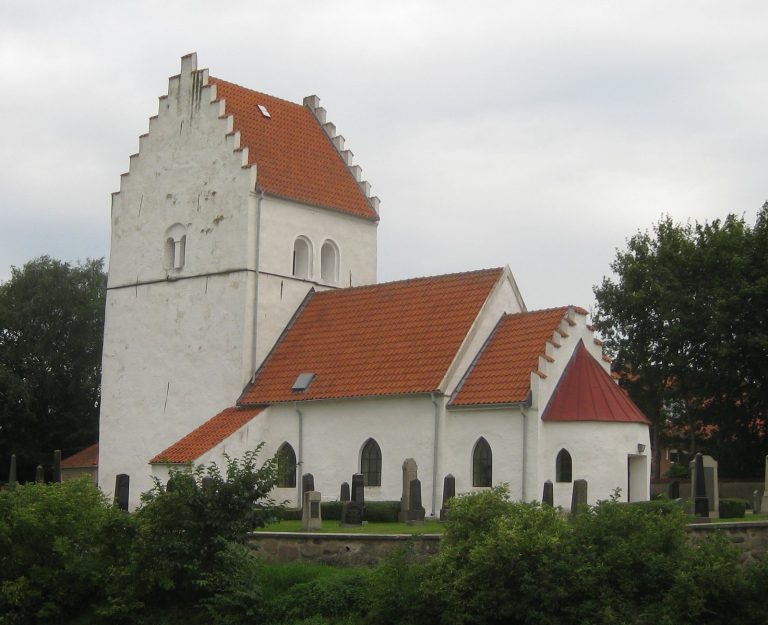
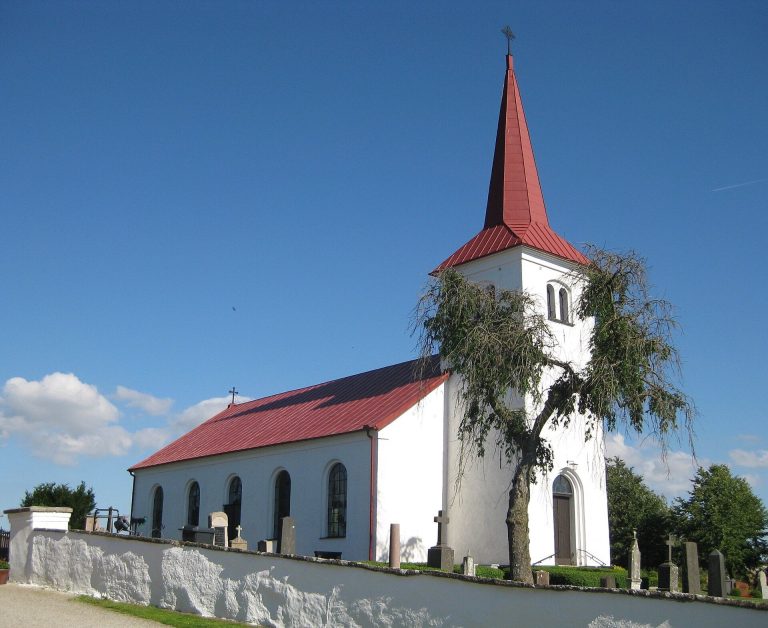
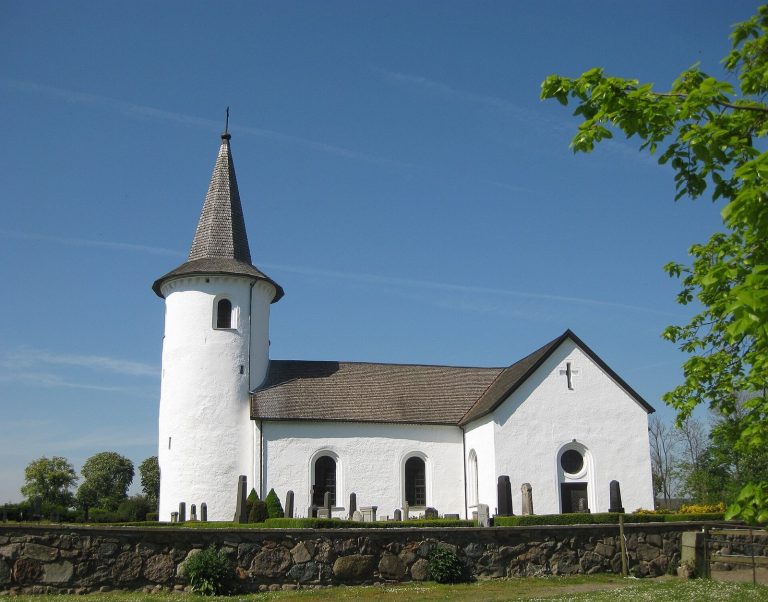
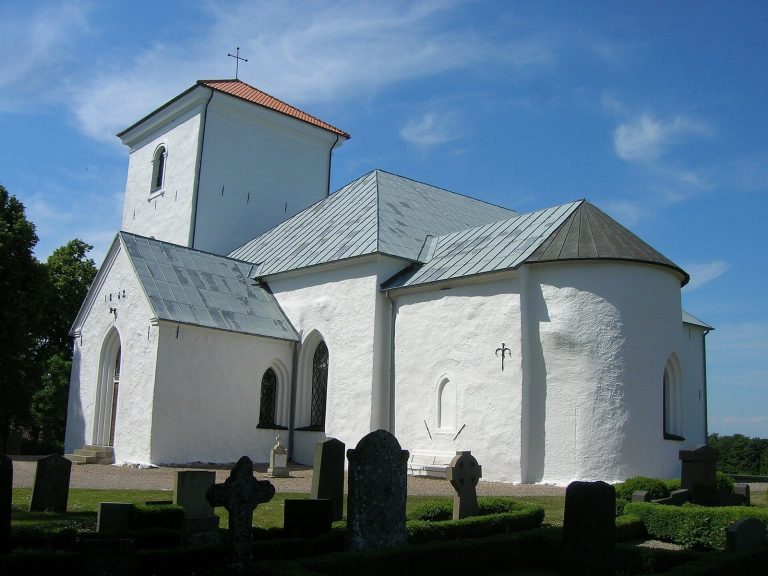
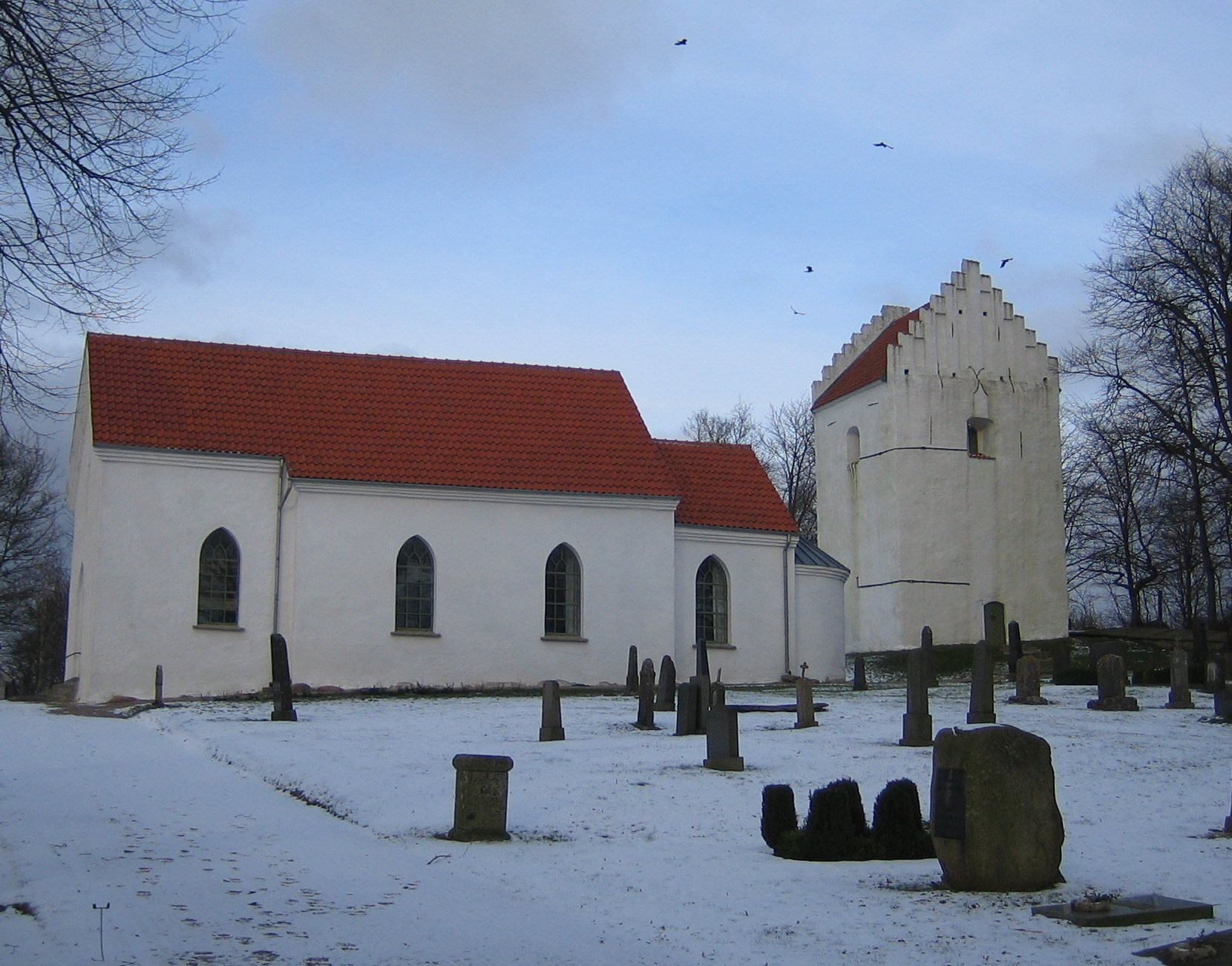
Benestad Church is a medieval Lutheran church in Benestad, Sweden, founded in the twelfth century and built in the Romanesque style. It belongs to the Tumelilla parish of the Diocese of Lund within the Church of Sweden, Sweden’s Lutheran national church. The original building was erected at the end of the twelfth century and consisted of the present nave.
Medieval development
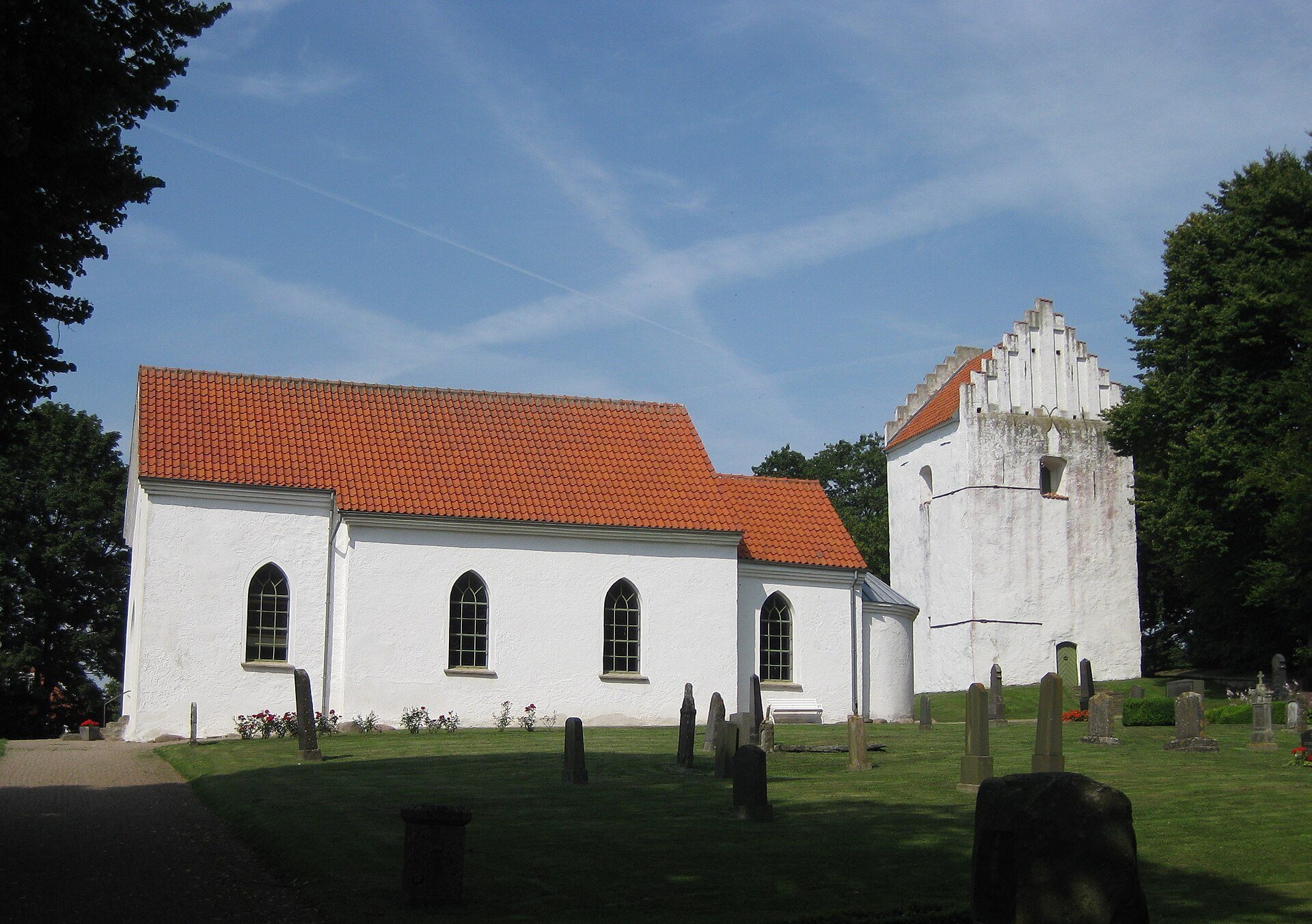
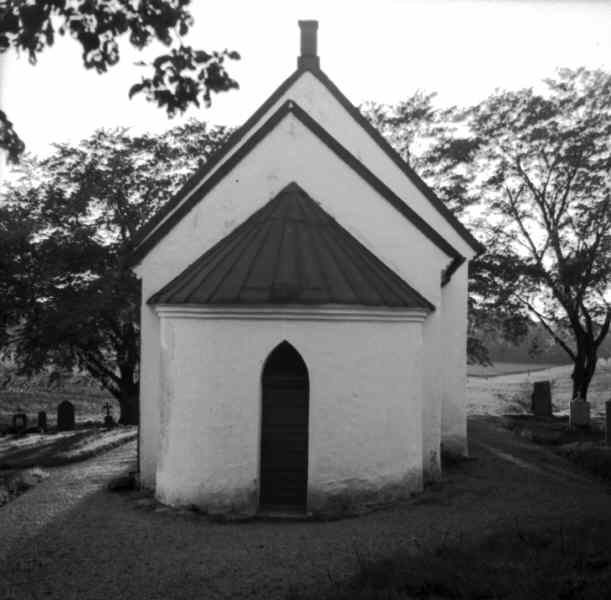
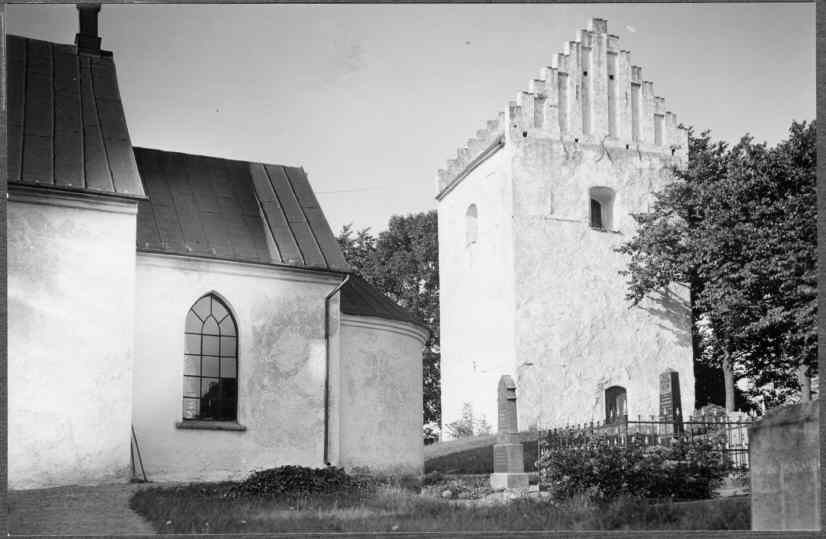
An apse, the usually semicircular end of a church, was added in the thirteenth century, when the chancel, the area around the main altar, received its vaults. The nave was vaulted during the fourteenth century, when a church tower was also erected. In the fifteenth century, a separate fortified tower was built northeast of the church. This defensive tower later became the church belfry, a structure for housing bells, during the early nineteenth century.
Nineteenth- and twentieth-century changes
The medieval church tower was demolished in 1859, and its base was reshaped to serve as a new entrance. Further repair campaigns followed in 1873, in 1903 and 1904, and between 1949 and 1954. The 1903 and 1904 renovation included a new baptismal font designed by the architect Theodor Wåhlin.
Musical furnishings also changed over time. An organ made by Sven Vogelberg of Lund was installed in 1887. The present pneumatic organ was built in 1954 by the A. Mortensson organ factory.
Remains
Medieval structure
The surviving medieval church has a Romanesque form, with substantial masonry construction and rounded-arch traditions. Its nave, thirteenth-century apse and chancel, and fourteenth-century tower form the principal historic fabric. Medieval cross vaults remain in both the nave and chancel. Northeast of the church, the former defensive tower survives as a separate belfry, preserving the relationship between the church and a fortified structure associated with its medieval setting. The base of the former church tower remains incorporated into the entrance created in 1859.
Painted decoration
Fragments of twelfth- or thirteenth-century paintings survive on the chancel arch. The chancel walls contain frescoes from the first half of the fourteenth century, including scenes from Genesis together with figures of saints and prophets. Around 1500, the nave vaults were painted with scenes from the Old Testament, the Last Judgment, and the seven deadly sins, the traditional principal sinful dispositions in Christian teaching. The chancel vault also contains frescoes from approximately the same period attributed to the Master of Snorestad, a conventional name for an unidentified medieval church painter.
Furnishings and organ
The oldest surviving furnishing is a richly decorated Baroque pulpit dated 1690. Baroque was an early-modern artistic style associated with dramatic composition and elaborate ornament. The pulpit bears the coat of arms of Axel Rosencrantz of the Rosenkrantz family, owners of nearby Örup Castle in 1684, and he may have donated it. The pulpit and its canopy are attributed to Matthias Stenberg of Ystad, who is also credited with the older baptismal font and the altarpiece.
The altarpiece dates from 1732 and depicts Calvary, the crucifixion of Jesus Christ, with the Virgin Mary and Saint John the Evangelist beside the cross. A later baptismal font, made in 1904, was designed by Theodor Wåhlin during the renovation for which he was responsible. The church’s present pneumatic organ, made in 1954 by the A. Mortensson organ factory, remains part of its later furnishing history.