Evangelical A. C. Church (Vlachovo): A Gothic Lutheran Church in Slovakia
Site at a Glance
- Rating
- 4.7
- Popularity
- Very Low
- Country
- Slovakia
- Primary era
- Medieval
- External website
- Open
- Eras represented
- Medieval, Early Modern, Modern
- Civilizations
- Habsburg, Hungarian
- Site type
- Religious
- Remains
- Fortified Church
On this page6 sections
History
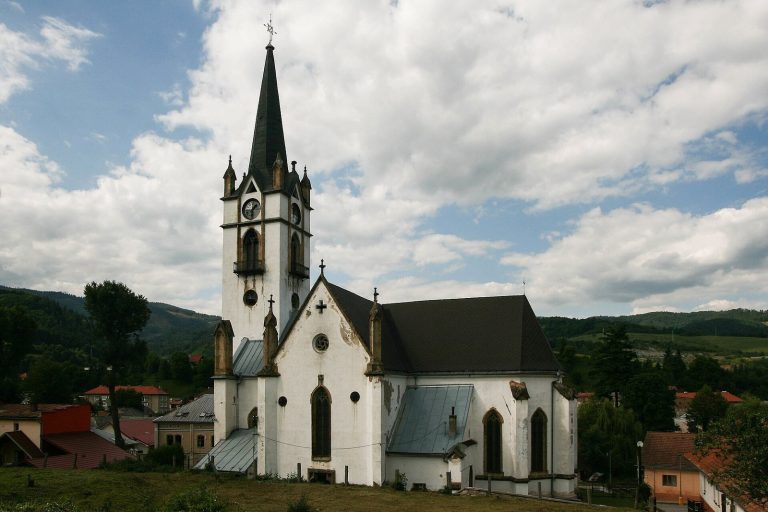
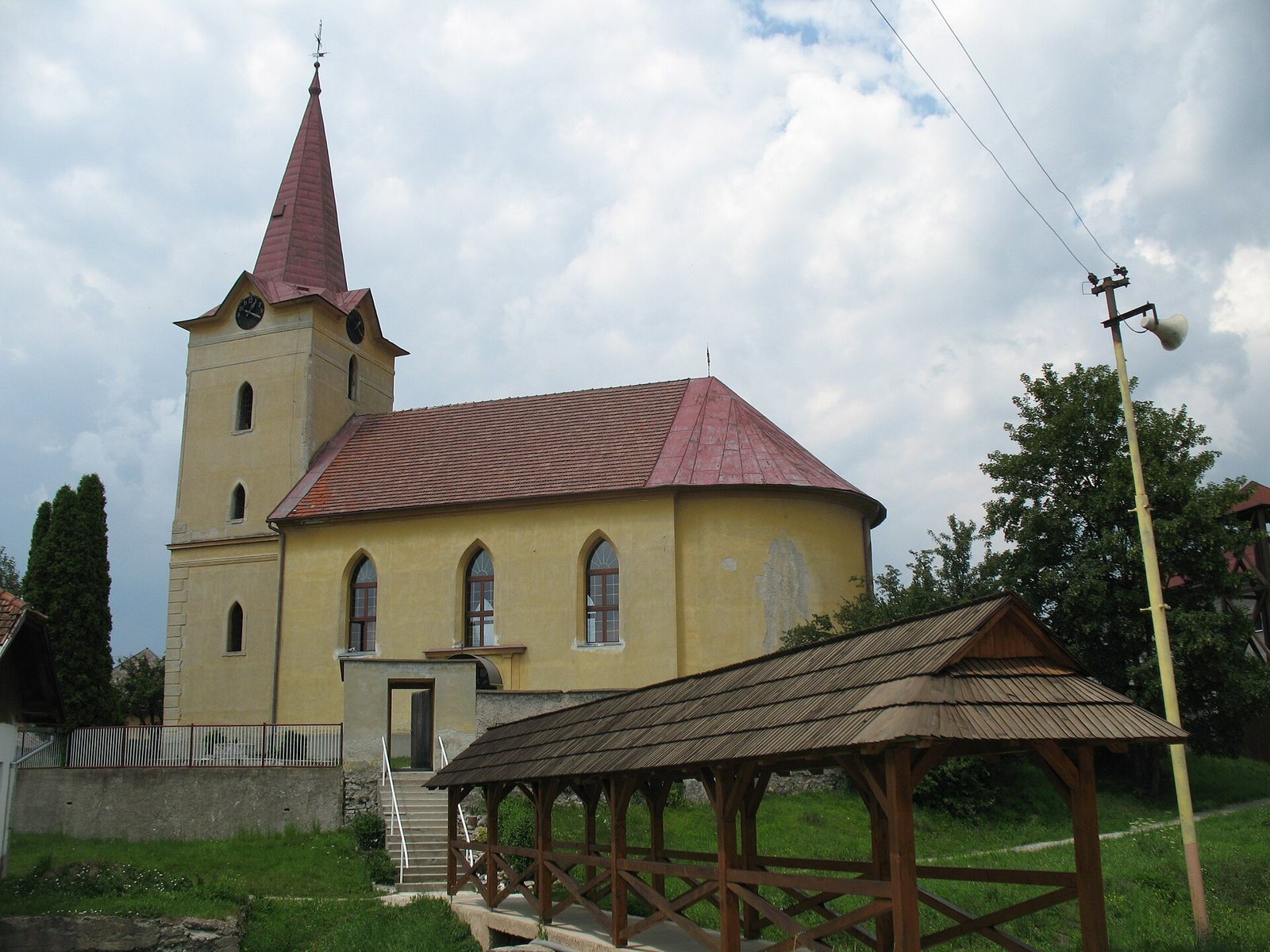
The Evangelical A. C. Church (Vlachovo) is a small Gothic church in Slovakia, probably established in its present extent toward the end of the fifteenth century. It was initially Catholic and dedicated to the Purification of the Virgin Mary before becoming part of the Evangelical Church of the Augsburg Confession.
Medieval origins and fortification
Local tradition attributes the church’s construction to the Hussites, a fifteenth-century reform movement from Bohemia associated with Jan Hus. This tradition has not established the building’s origin as a historical fact, but it remains part of the church’s local history.
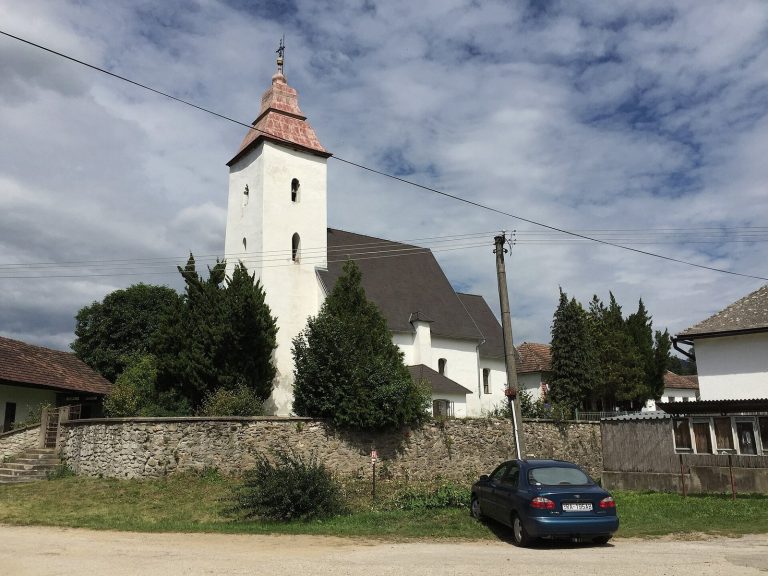
During the seventeenth century, a fortified enclosure was added around the church. Its wall included loopholes, narrow openings used for defense, and was built during the period of the anti-Habsburg estates’ uprisings.
Nineteenth- and twentieth-century rebuilding
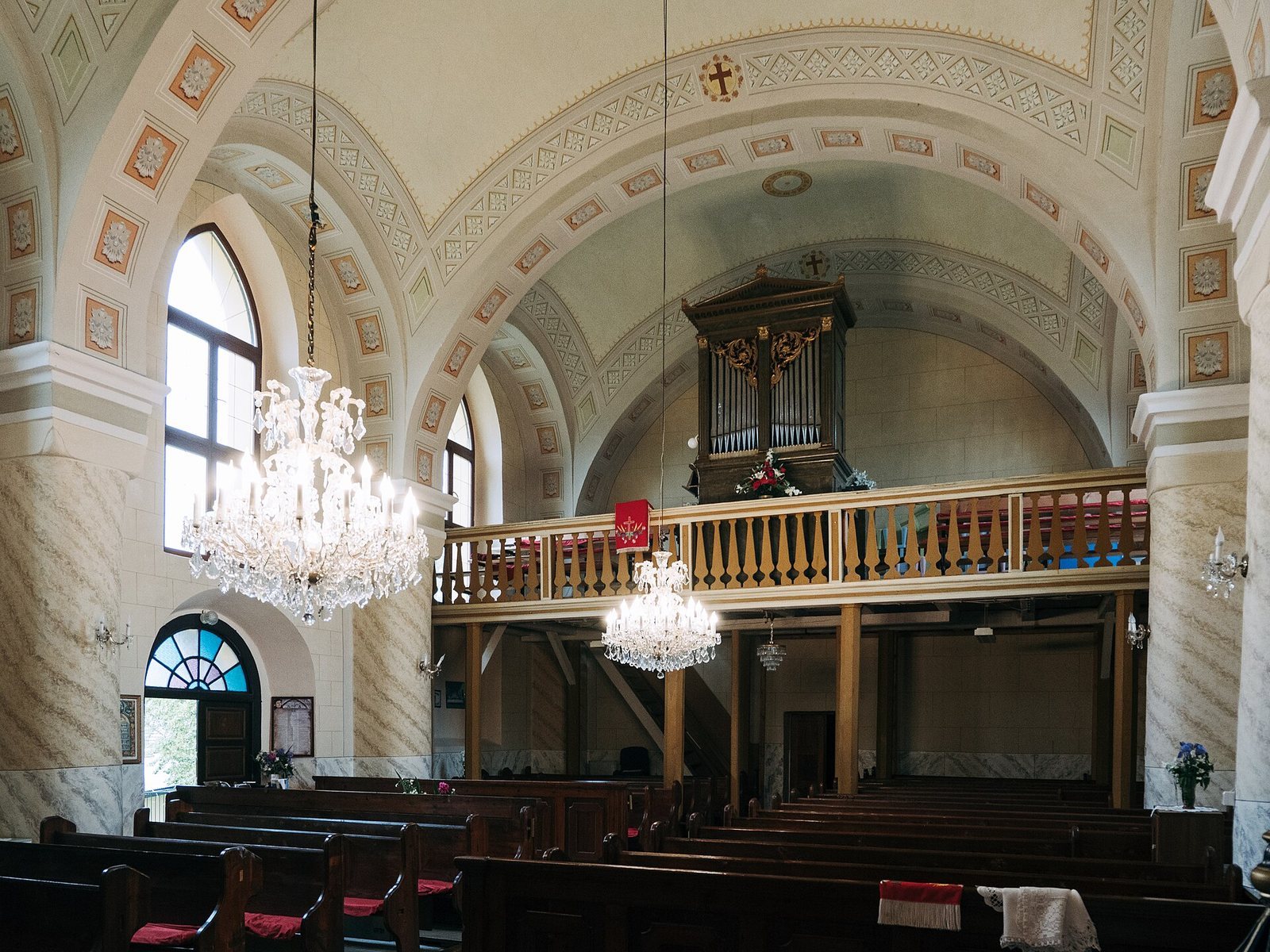
By around 1870, the church was in poor technical condition and underwent a major reconstruction. The nave and presbytery were newly vaulted, while the original perimeter walls and tower of the Gothic building were retained. Count Emanuel Andrássy contributed to this work.
A fire in 1904 led to further rebuilding or restoration. The most recent restoration took place between 1948 and 1950. The church now belongs to the Vlachovo congregation of the Gemer Seniorate in the Eastern District of the Evangelical Church of the Augsburg Confession. It was declared a national cultural monument of the Slovak Republic on 1 January 1988 under inventory number 10166.
Remains
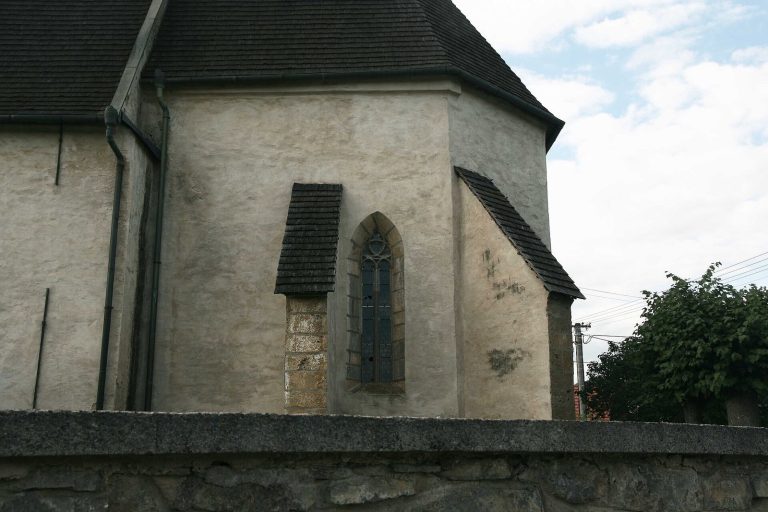
The church is a compact, single-nave Gothic building enclosed within a fortified area. Its rounded presbytery termination and west tower define the surviving medieval layout, while yellow plaster covers the exterior walls and the tower is crowned by a tent-shaped roof.
Church and enclosure
The nave and presbytery retain the medieval perimeter walls, although their interiors were newly vaulted during the reconstruction around 1870. The altar is an eclectic work from about 1880, associated with that nineteenth-century rebuilding. The church stands within an enclosed defensive area whose wall contains loopholes.
West tower and furnishings
The tower undercroft contains sixteenth-century wrought-iron doors placed in a Gothic portal. Its interior has a barrel vault and original Gothic windows with dressed surrounds. The gallery holds a positive organ, a small fixed organ, made by Tobiáš Kirner in 1875. Five bells in the tower date from 1904 and 1922.