Church of All Saints: A Grade I Listed Parish Church in Hillesden
Site at a Glance
- Rating
- 4.9
- Popularity
- Very Low
- Country
- United Kingdom
- Primary era
- Medieval
- Eras represented
- Medieval, Modern
- Civilizations
- British, English
- Site type
- Religious
- Remains
- Church
On this page9 sections
History
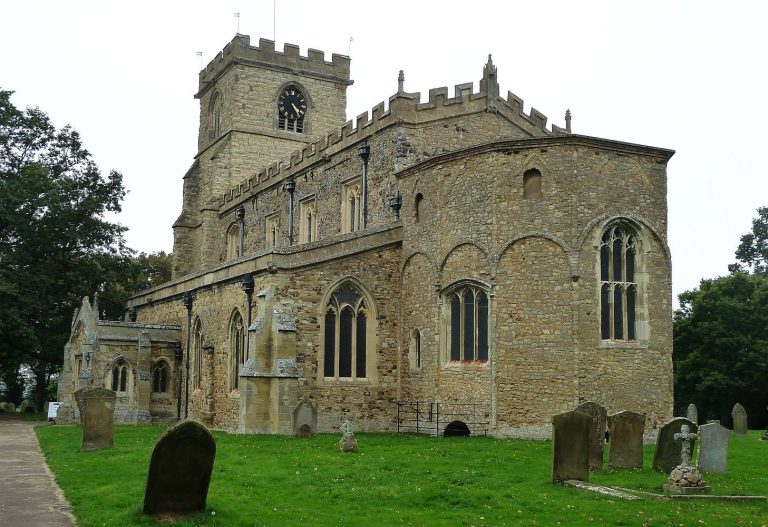
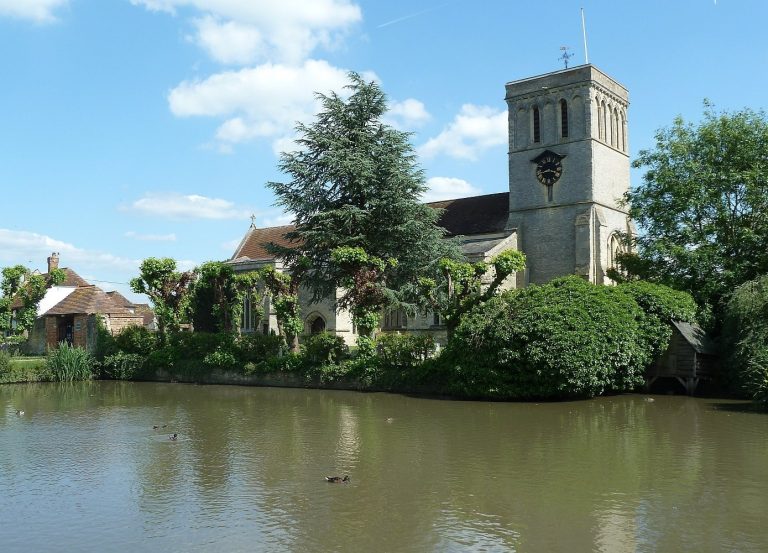
Church of All Saints is a Church of England parish church in Hillesden, United Kingdom, largely rebuilt from 1493 and now a Grade I listed building. Dedicated to All Saints, it forms part of a joint parish with churches at Adstock, Gawcott, and Padbury. Its history reflects medieval monastic administration, the religious changes of the sixteenth century, conflict during the English Civil War, and major Victorian restoration.
Medieval administration and rebuilding
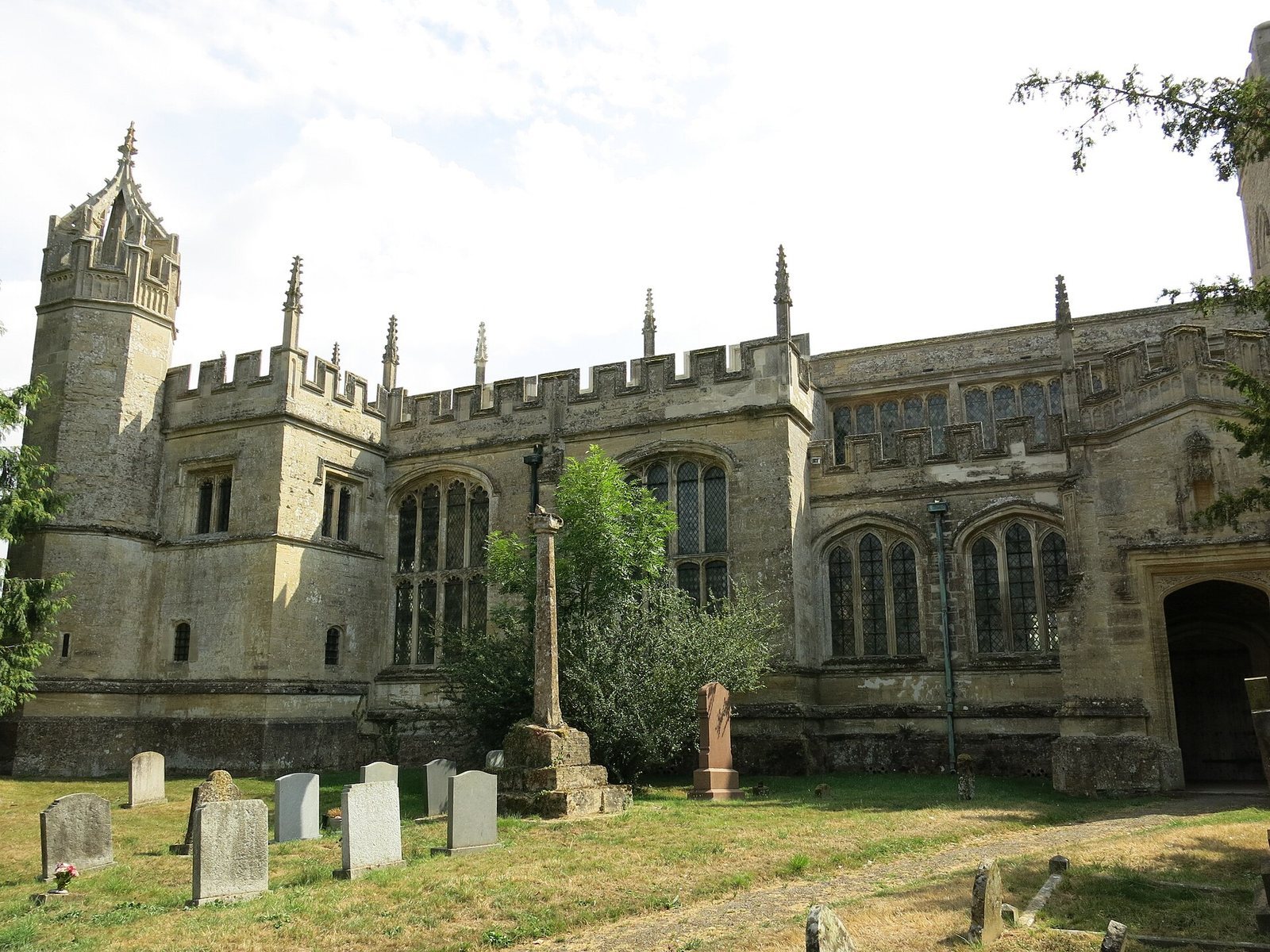
In 1162, the church was appropriated to Notley Abbey, a medieval monastic institution. This transferred the church’s ecclesiastical rights and income to the abbey, whose monk or canon served the parish. The earliest recorded curate dates from 1526. Beginning in 1493, the monks of Notley Abbey rebuilt most of the church, while the tower belongs to the fifteenth century.
Reformation and diocesan administration
After the Dissolution of the Monasteries, Henry VIII’s suppression of England’s monasteries and redistribution of their property, Hillesden was granted to the Dean and Chapter of Christ Church, Oxford, in 1542. In 1546 it passed to the new foundation established by Henry VIII. The church remained under the Diocese of Lincoln until 1837, when it became part of the Diocese of Oxford. It is administered within the Archdeaconry and Deanery of Buckingham. After the vicarage was rebuilt in 1869, its ministers were styled vicars.
Conflict and Victorian restoration
During the English Civil War, the conflict between supporters of Parliament and the Crown in the seventeenth century, Parliamentary forces attacked Hillesden. The church’s south-porch door, formerly part of Hillesden House, retains bullet holes associated with the assault.
George Gilbert Scott restored the church between 1874 and 1875 without payment. A leading English Gothic Revival architect, Scott had been born in nearby Gawcott, and All Saints was among the buildings that encouraged his interest in Gothic architecture. The work included replacement roofs, a new oak-panelled ceiling, and changes to the seating, pulpit, and screen. The restored church reopened on 16 June 1875 and was restored again in the 1960s. Its Grade I listing recognises its exceptional architectural or historic interest and provides the highest level of statutory heritage protection in England.
Remains
Plan and medieval fabric
The church has a cruciform plan, meaning that its main spaces are arranged in the shape of a cross. Aisles accompany the central body, while a north porch provides an entrance. The fifteenth-century tower rises from the medieval building, and most of the remaining structure derives from the rebuilding begun in 1493.
North chapel and staircase
A chapel stands on the north side of the chancel, the eastern area around the principal altar. An octagonal external staircase on the north side leads to a vestry and then to a private chapel above. These spaces form part of the church’s surviving arrangement of subsidiary rooms around the principal worship areas.
Interior fittings and tomb
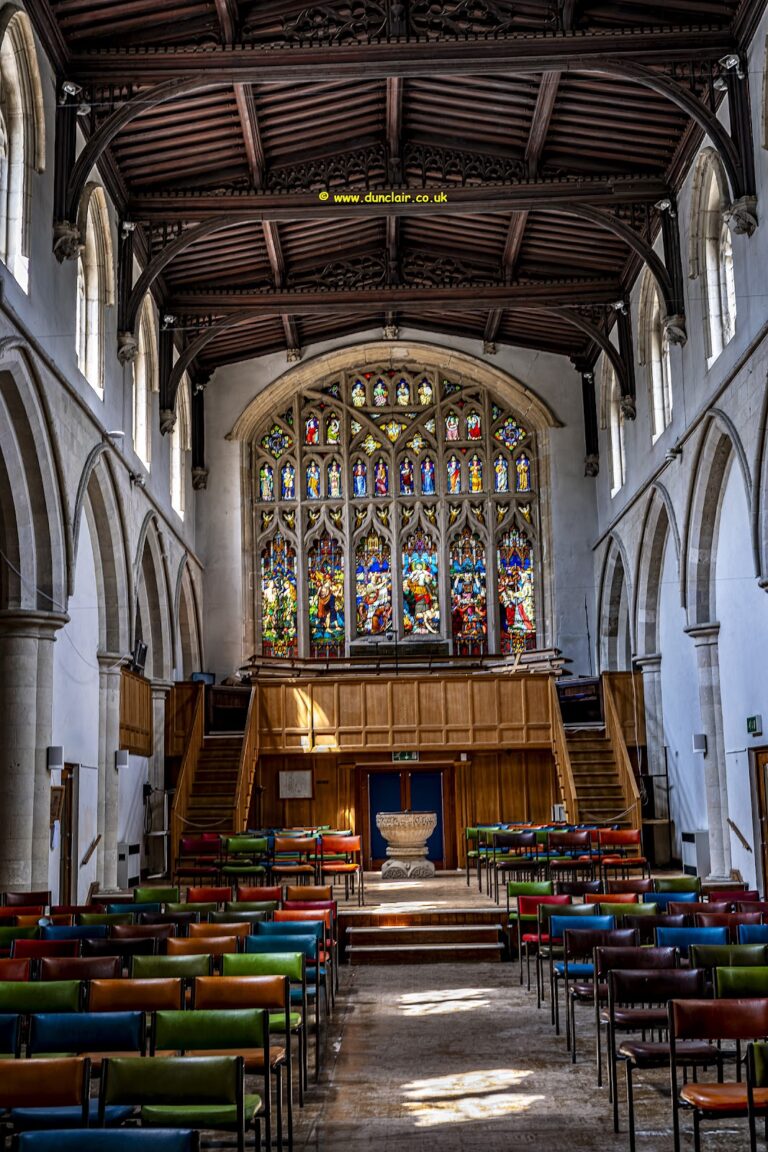
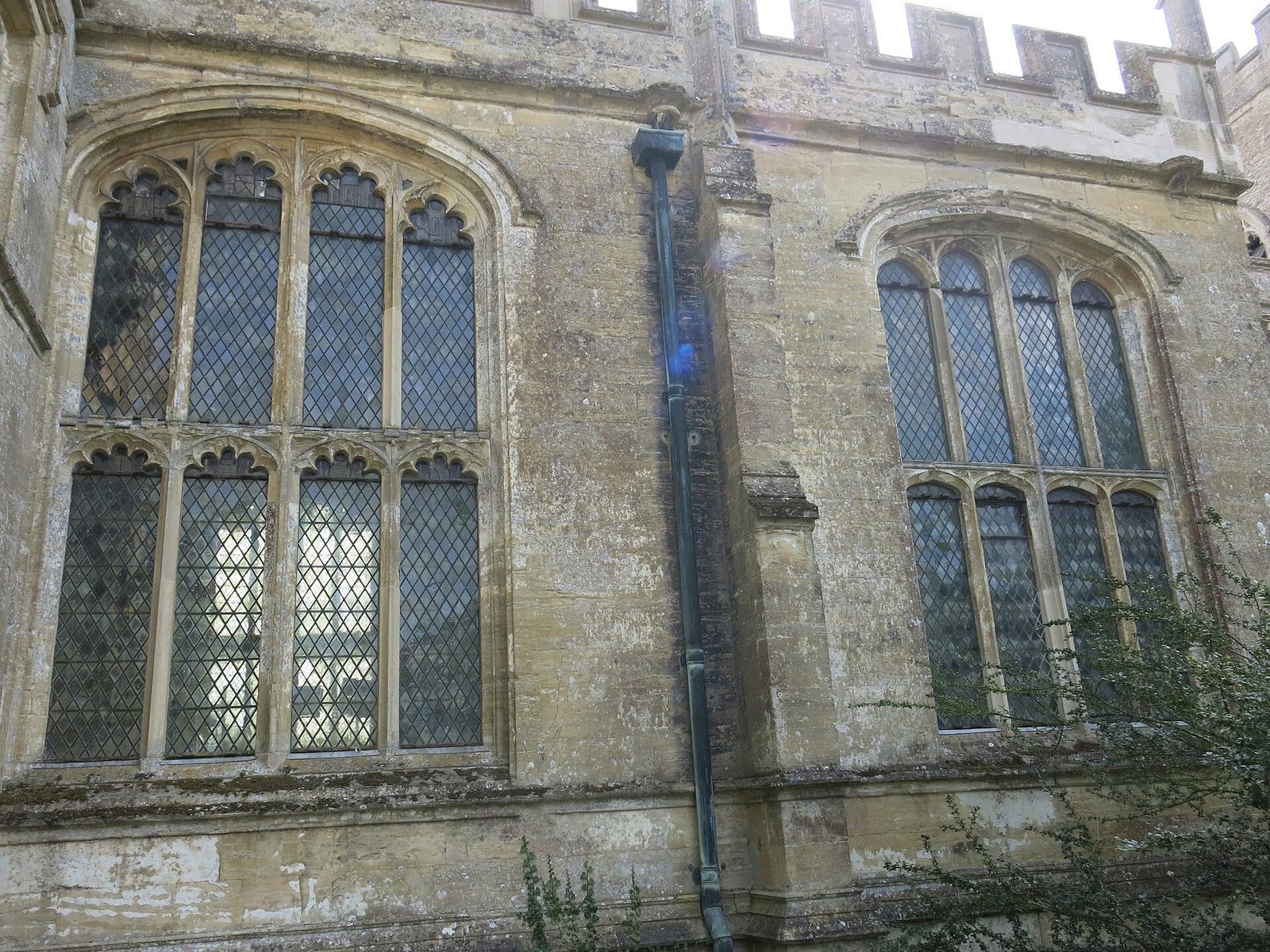
The roofs were replaced in the nineteenth-century restoration, when an oak-panelled ceiling with mouldings was inserted. The old seats were repaired and new seats made to match. The pulpit was remodelled, and the screen was restored and installed to separate the chantry, an area associated with prayers for the dead, from the transepts, the projecting arms of the cross-shaped plan.
The Denton tomb in the chancel was repaired during the same restoration. The south-porch door, which had previously formed part of Hillesden House, preserves bullet holes associated with the Civil War attack.
Stained glass and memorials
The stained glass includes sixteenth-century Flemish panels showing the miracles of Saint Nicholas. A window depicting the parables was made by Burlison and Grylls, the nineteenth-century stained-glass firm, in 1875. Other glass depicts a bishop and commemorates Frederick James Staley, George Henry Staley, and Walter Henry Jeffs in a First World War memorial.
Memorials commemorate Catharine Denton, who died in 1733; Dr William Denton, who died in 1691; George Woodward, who died in 1735; Alexander Denton, who died in 1576; Elizabeth Denton, who died in 1667; Thomas Isham, who died in 1676; Godfrey Boate, who died in 1722; and Mary Rowe, Viscountess of Hillsborough, who died in 1742. The church also contains a pipe organ built by George Osmund in 1970.