Parish Church of St Mary: Haddenham’s Norman Parish Church
Site at a Glance
- Rating
- 4.8
- Popularity
- Very Low
- Country
- United Kingdom
- Primary era
- Medieval
- External website
- Open
- Eras represented
- Medieval, Modern
- Civilizations
- English
- Site type
- Religious
- Remains
- Church
On this page7 sections
History
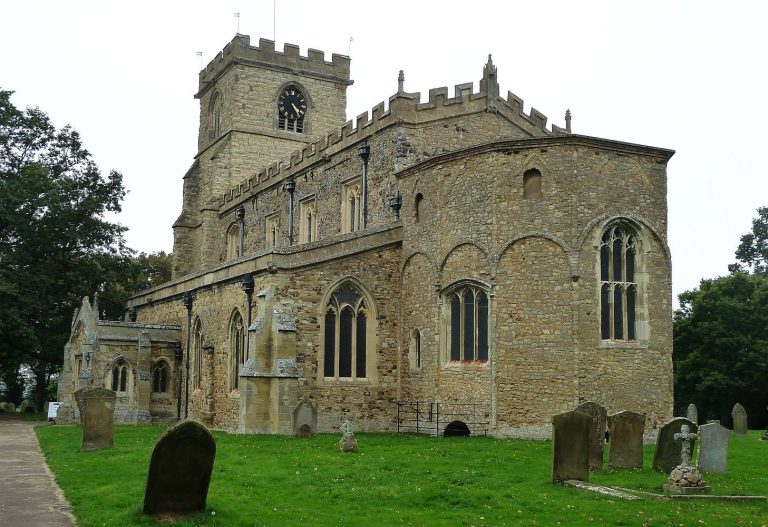
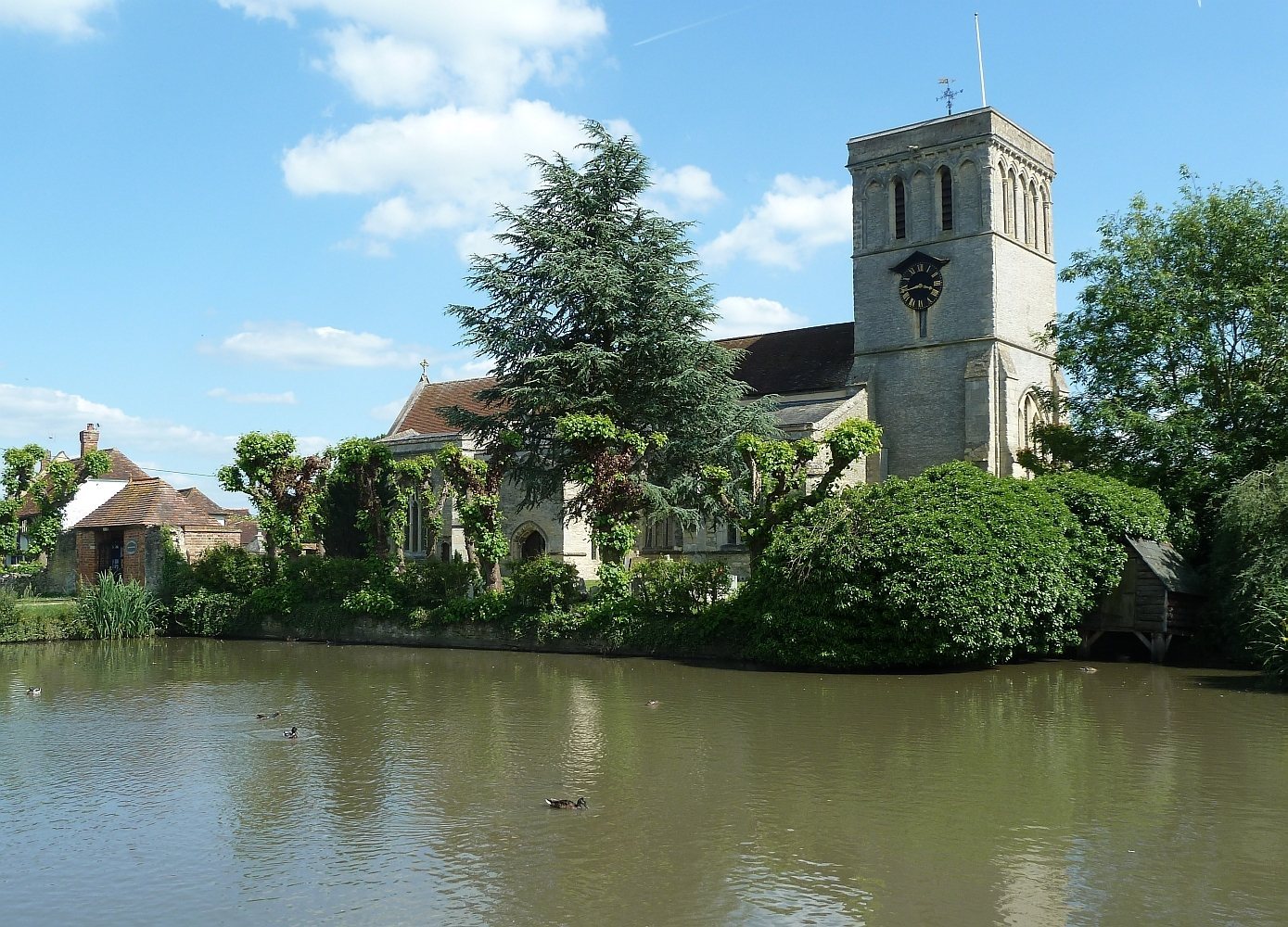
Parish Church of St Mary is the Church of England parish church of Haddenham, Buckinghamshire, United Kingdom. Parts of the building date from the twelfth century and belong to the Norman period, when substantial masonry construction, rounded arches, and thick walls became characteristic in England after the Norman Conquest. The church was formerly Roman Catholic and now belongs to the Diocese of Oxford, within the Province of Canterbury.
Medieval foundations and development
The twelfth-century phase dates from the period when the Benedictine Abbey of Rochester held the parish. Benedictines are a Western Christian monastic order that follows the Rule of Saint Benedict, while an abbey is a major monastic institution headed by an abbot or abbess. The first priest associated with the parish was Gilbert. Some elements may come from an earlier Saxon church, although that attribution remains uncertain.
The tower was added in the late thirteenth century in the Early English Gothic style, an early form of English Gothic architecture associated with pointed arches and strong vertical lines. The aisles were rebuilt during the fourteenth century, giving the medieval church further structural development.
Modern changes and continuing use
Parish Church of St Mary became a Grade I listed building on 21 December 1967. Grade I is England’s highest level of statutory protection for buildings of exceptional architectural or historic interest. In the same year, a pipe organ made by Norman and Beard of Norwich was installed. The instrument had been built in 1916 for a London church that was bombed during the Second World War.
The older organ was removed in 2007 because restoring it would have cost more than installing a replacement electric organ. The following year, the Millennium 2 project brought major refurbishment, including roof repairs and the addition of a vestry, a creche, a kitchen, and other improvements and fixtures.
During the COVID-19 pandemic, the church did not fully reopen until May 2021. The delay was partly related to waiting for a new rector and meant that families with young children could not attend regularly for more than a year. This prevented some children from meeting the church-attendance requirement for a local Church of England secondary school and contributed to an important ruling by the Office of the Schools Adjudicator concerning admissions.
Remains
The surviving church combines twelfth-century Norman fabric with a possible remnant of an earlier Saxon building, a late-medieval tower and aisles, and modern service additions. Its architectural history can therefore be read through several layers of construction and adaptation.
Medieval fabric
The Norman fabric forms the earliest securely identified part of the present building. The late-thirteenth-century tower is an Early English Gothic structure, while the aisles belong to the fourteenth-century rebuilding. Together these elements preserve the principal medieval phases of the church’s development.
Font and churchyard
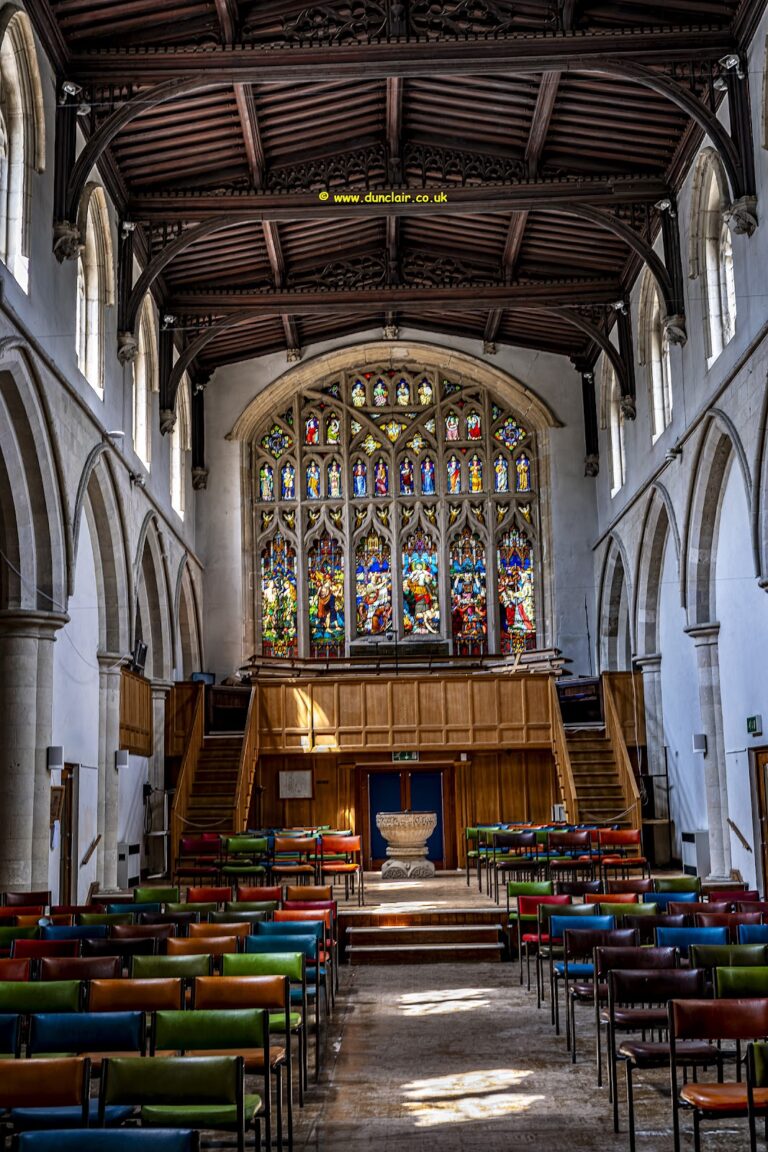
The font may survive from the earlier Saxon church and bears an imprint depicting a dragon. William Rutter Dawes, an English astronomer known especially for his work on double stars, is buried in the churchyard.
Later fittings and additions
The building contains the replacement electric organ installed in 2007 after the removal of the Norman and Beard pipe organ. The 2008 refurbishment altered the practical arrangement of the church through roof repairs and the construction of a vestry, creche, and kitchen.