Robat Karim Stone Caravanserai: An Islamic-Period Fortress in Iran
Site at a Glance
- Rating
- 4.3
- Popularity
- Very Low
- Country
- Iran
- Primary era
- Medieval
- Eras represented
- Medieval
- Civilizations
- Buyid
- Site type
- Economic
- Remains
- Caravanserai
On this page8 sections
History
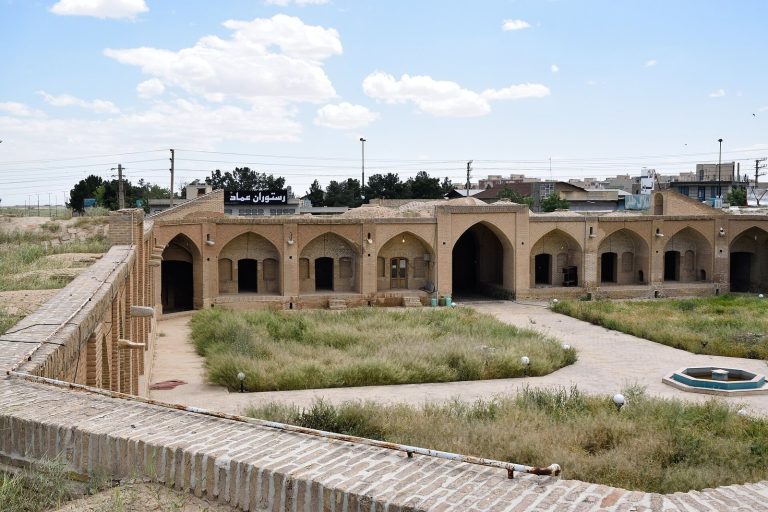
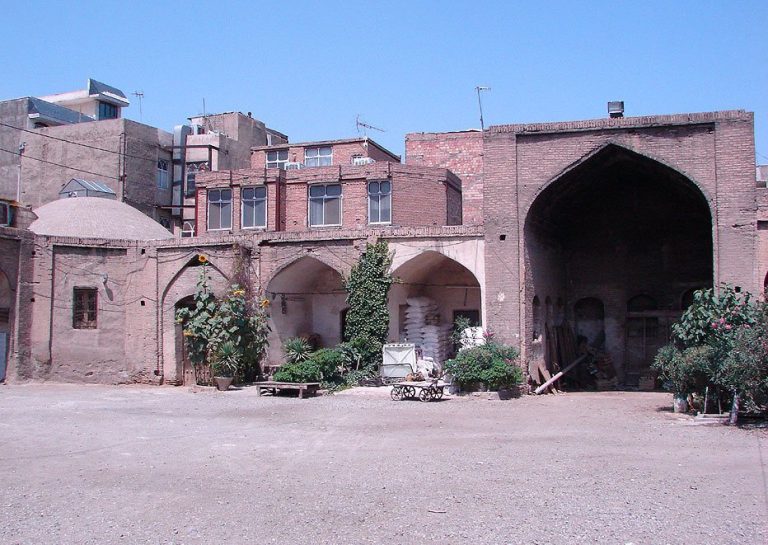
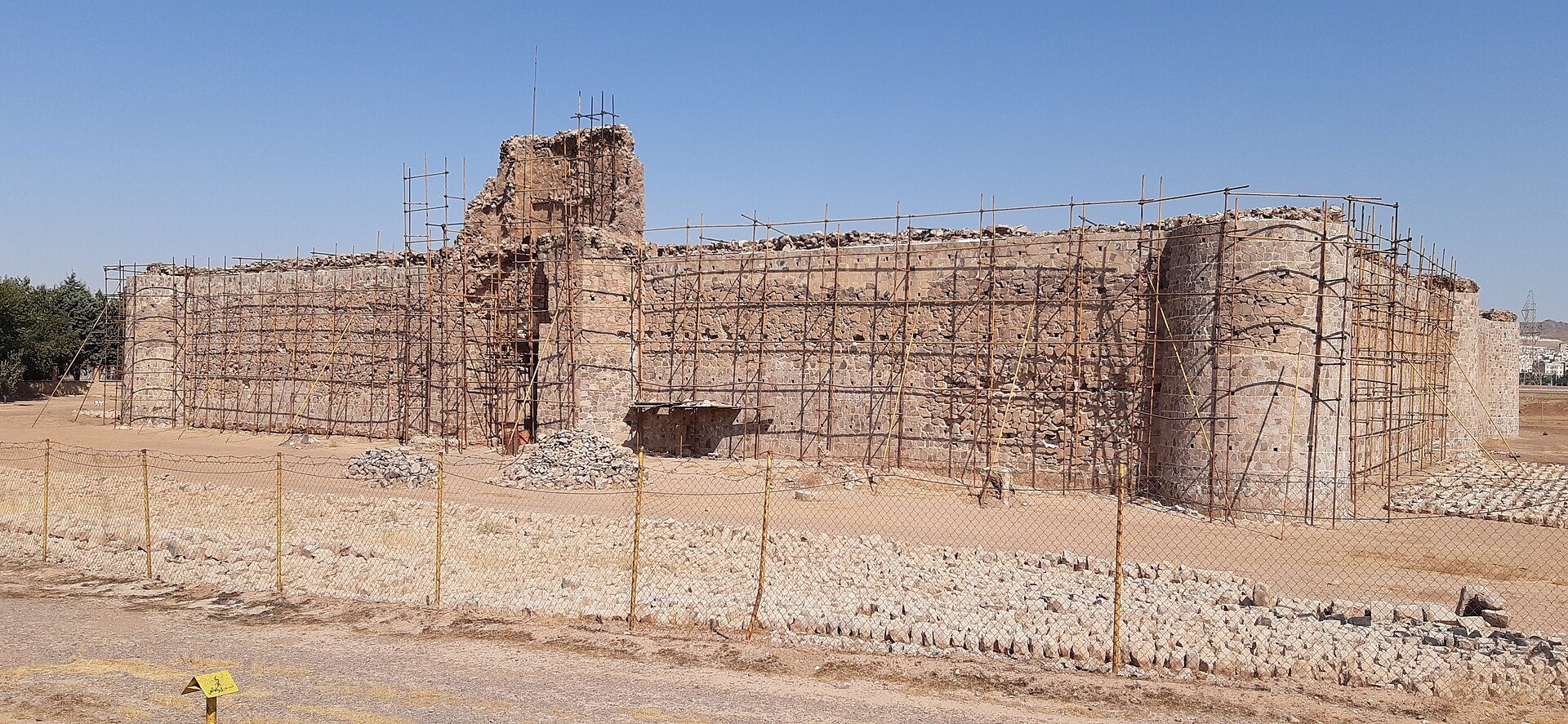
Robat Karim Stone Caravanserai is a stone caravanserai and fortress in Iran, located in Parand, Tehran Province. Associated with the early Islamic period and Islamic architecture, the complex is variously dated to the Buyid or Seljuk periods. A caravanserai was a roadside complex that provided accommodation and services for travelers, merchants, and pack animals. The site also formerly served as a governmental building.
Origins and disputed chronology
The construction and completion of the complex extended over more than 200 years. Its date remains disputed. Maxime Siroux classified it among pre-Seljuk buildings and described the oldest caravanserai of the Iranian plateau as standing near Robat Karim beside the fertile plain of Shahriar. Architectural features, archaeological evidence, and historical remains make a Buyid-period origin probable, although the site is also listed as possibly Seljuk.
The Buyids were a Persianate dynasty that ruled much of Iran and Iraq during the tenth and eleventh centuries. The Seljuks, a Turkic dynasty, established a major empire across Iran and neighboring regions from the eleventh century onward. These competing attributions reflect the complex’s long construction history and the different evidence associated with its structures.
The central residence
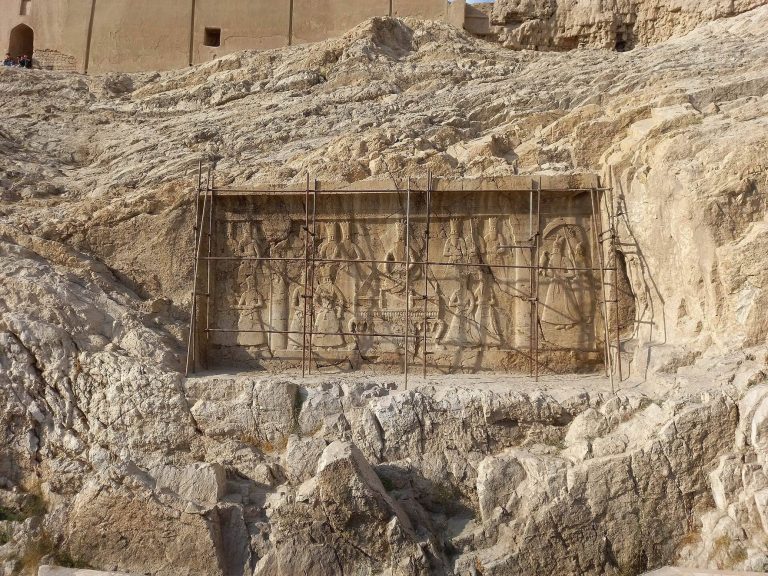
The central building, identified as the governor’s residence, appears to have a chronology distinct from that of the Buyid-period complex. Its architecture draws on the Sasanian tradition, associated with the last pre-Islamic Persian empire, which ruled Iran until the Arab-Muslim conquest in the seventh century. The building and its buried basement contain evidence and remains that have led to an attribution of its formation to the pre-Islamic period.
Investigation and heritage status
European researchers studied the fortress before the Iranian Revolution. More extensive investigations began in October 2003 under the supervision of Iran’s Cultural Heritage Organization, with Bagher Shirazi leading the work. Iran registered the site as a National Heritage monument on January 22, 2004, under registration number 10822.
On September 17, 2023, Robat Karim Stone Caravanserai became part of the UNESCO World Heritage property The Persian Caravanserai. The property includes 53 other historic caravanserais from 24 Iranian provinces. Its inscription took place during the 45th session of the World Heritage Committee in Riyadh, under cultural criteria (ii) and (iii), and formed part of Iran’s twenty-seventh World Heritage property.
Remains
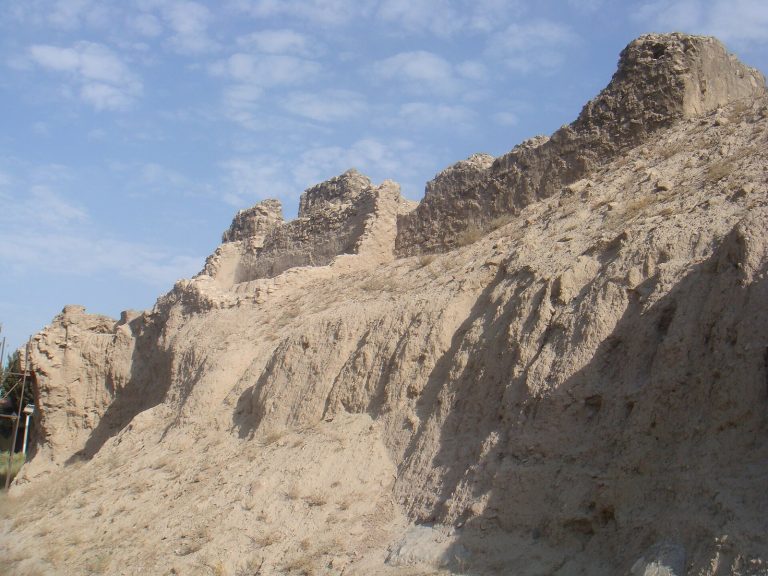
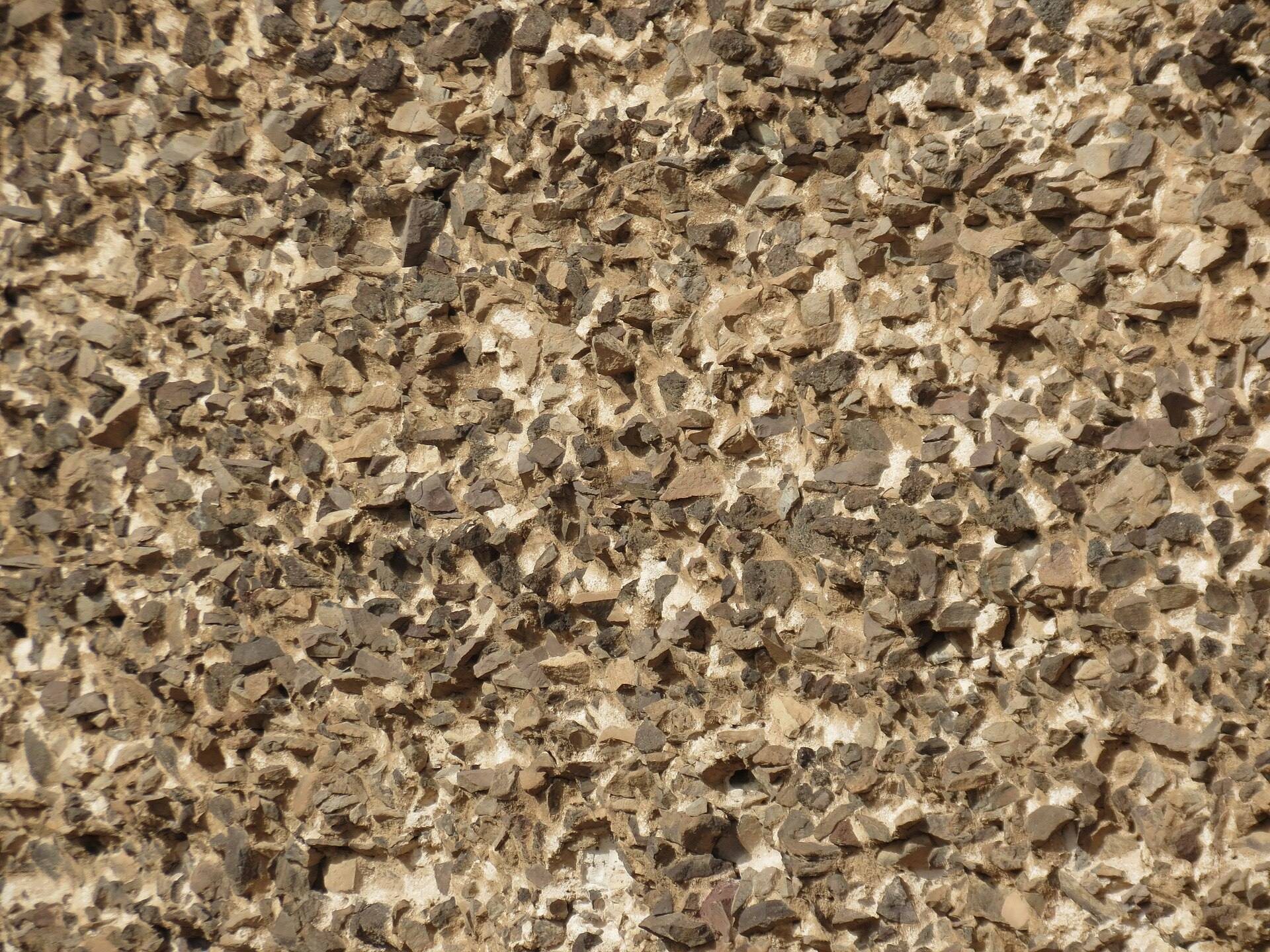
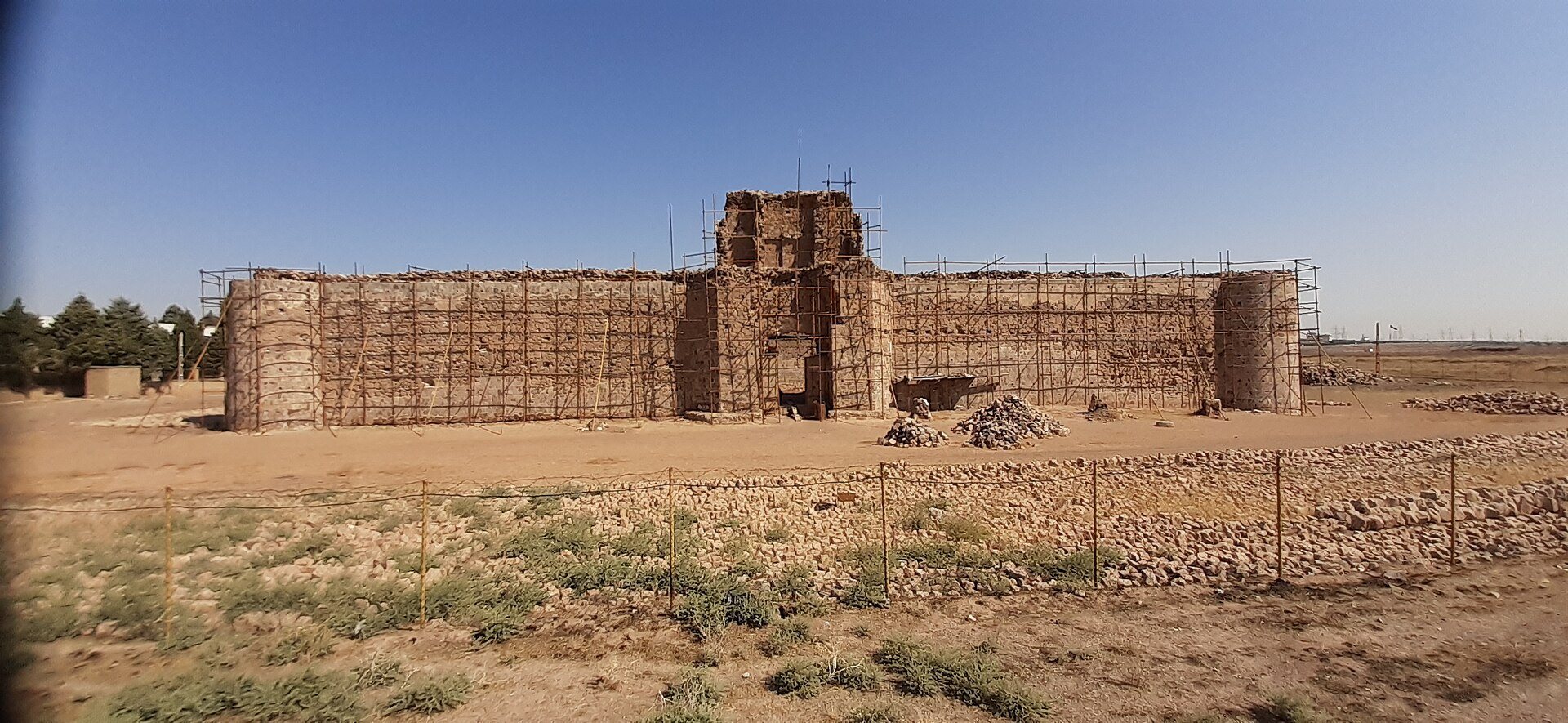
Robat Karim Stone Caravanserai is a stone-built complex identified both as a caravanserai and as a fortress. It stands at the intersection of the Tehran–Saveh Freeway and the old Saveh road. The site is considered one of the oldest stone fortresses in Tehran Province and one of the few governmental fortresses in Iran. Its overall architectural classification is Islamic, while the central residence has been attributed to a pre-Islamic phase.
Stone fortress and caravanserai
Fortified caravanserai complex
The principal complex combines the functions of a roadside caravanserai and a fortress. Its stone construction defines the surviving structure, whose long formation is reflected in the differing chronological interpretations of the site. The complex’s position beside the old Saveh road relates its physical form to a historic route, while its identification as a governmental fortress distinguishes it from a caravanserai used only for travel and commerce.
Governor’s residence
The central governor’s residence is distinguished from the surrounding complex by its different architectural character. Its design is inspired by Sasanian architecture, and a buried basement beneath the building contains historical evidence and remains. This central structure provides the physical basis for attributing part of the site to a pre-Islamic phase, separate from the early Islamic-period chronology associated with the wider caravanserai and fortress.