Zelen-grad: A Multi-period Fortification in Serbia
Site at a Glance
- Rating
- 4.8
- Popularity
- Low
- Country
- Serbia
- Primary era
- Medieval
- Eras represented
- Classical, Medieval
- Civilizations
- Byzantine, Serbian Despotate
- Site type
- Military
- Remains
- Fort
On this page11 sections
History
Zelen-grad is a multi-period fortified settlement on a rocky height above Vučje in Serbia, about 15 kilometres south of Leskovac. Human activity at the site extends from the Chalcolithic, or Copper Age, through medieval times. Its latest fortification dates to the 15th century, when Nikola Skobaljić governed the town and it was refortified and expanded.
Early occupation and medieval use
The earliest traces of human activity date to the Chalcolithic. Pottery indicates use during several phases of the Bronze Age, when the site’s defensible position was important. Evidence also points to activity in the Roman period and from the 10th through the 13th centuries.
Pottery layers dating to the 10th–11th and 12th–13th centuries suggest that the fort was involved in events of the 11th century and later. These periods were associated with Desa Vukanović, a regional ruler, Stefan Nemanja, a Serbian ruler, and their successors.
Fifteenth-century fort and later history
The youngest fortification dates to the 15th century, when the town was strengthened and enlarged under Nikola Skobaljić. Tradition credits him with building the settlement and remembers him as a celebrated fighter against the Ottoman Turks who was never defeated. The name Skobaljić grad is associated with him.
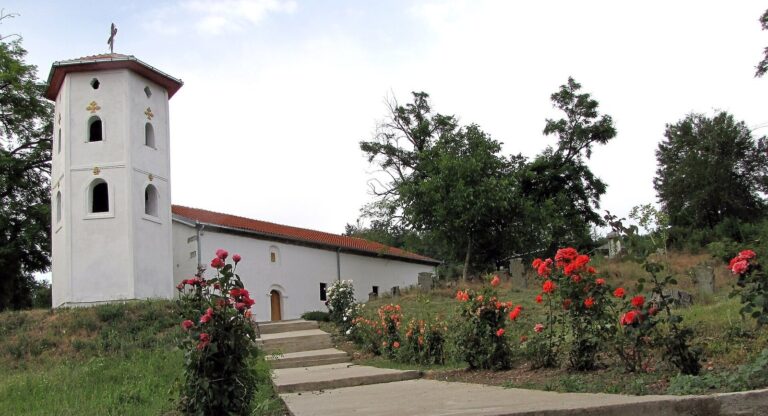
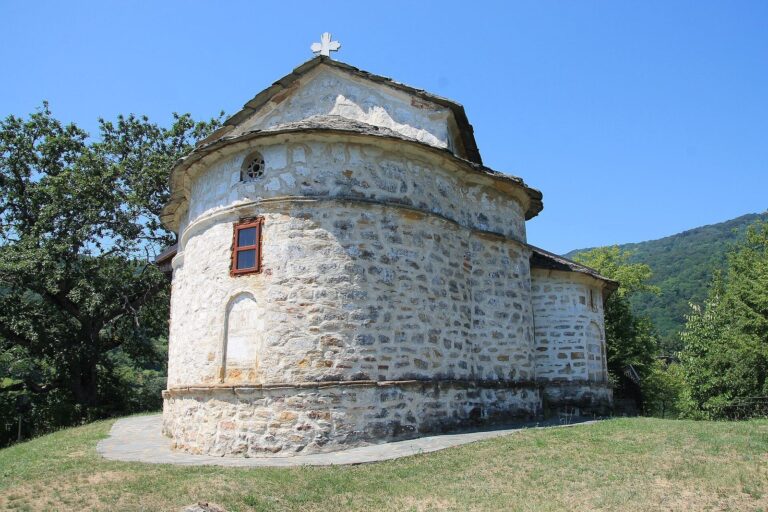
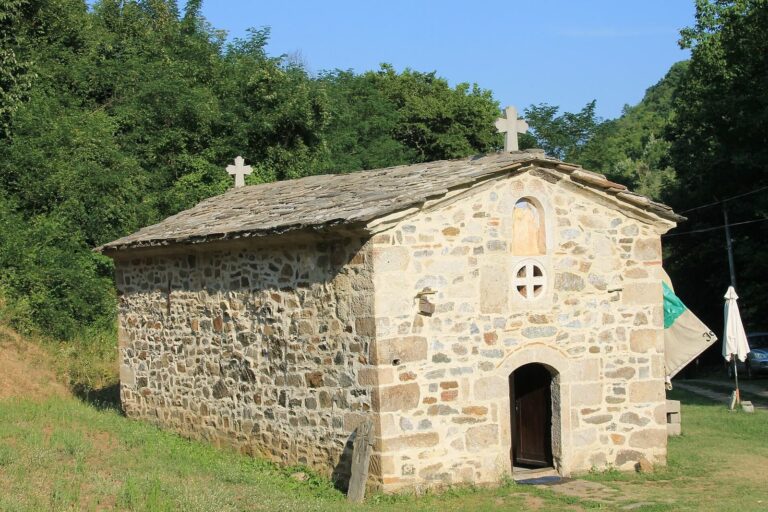
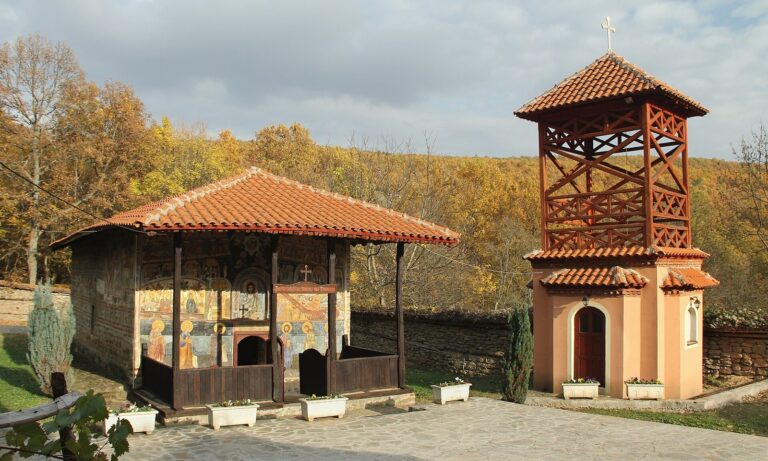
Tradition also connects Skobaljić with a spring below the town and credits him with building a church in the Vučjanka River valley. In the 1930s, a church dedicated to Saint John was built over the earlier church’s ruins. Zelen-grad was declared a cultural property of the Republic of Serbia in 1986.
Remains
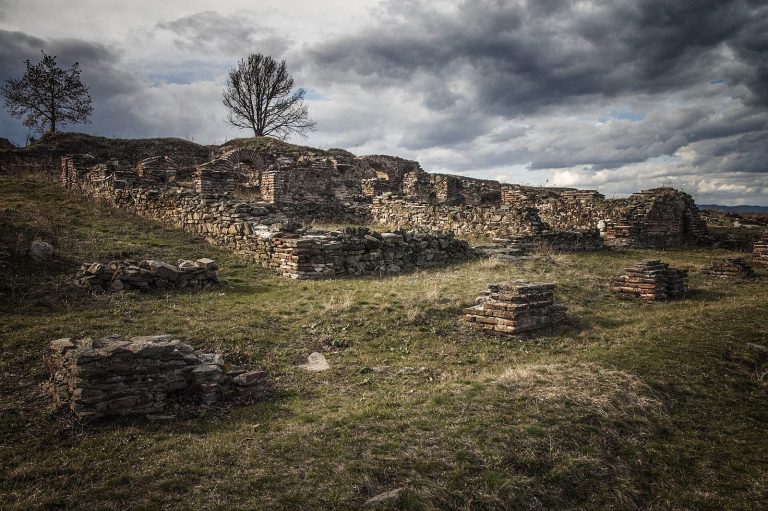
The fortification occupies steep rock above narrow terrain bounded by the Vučjanka River. It covered about two hectares and comprised an Upper Town, a Lower Town, and an eastern suburb extending toward the river. The strongest surviving ramparts are on the west, while a defensive ditch runs along the north. Tall trees and the terrain screen the site’s outline; this may help explain the name Zelen grad, meaning “Green Town.” A spring lies below the settlement.
Upper Town
Towers and enclosure
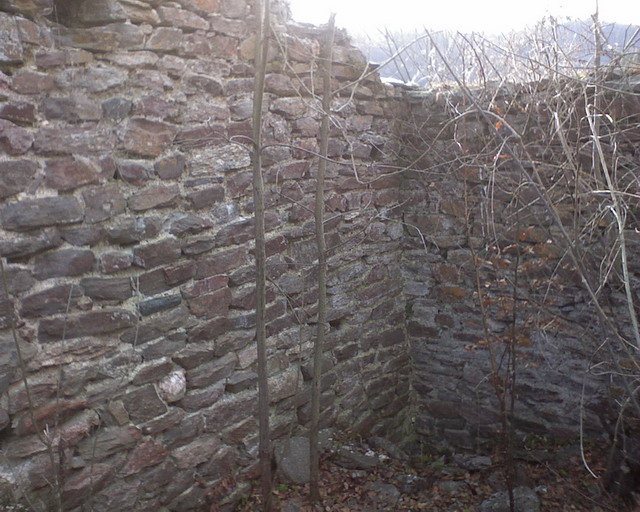
The square Upper Town covered about 400 square metres and retains a substantial archaeological layer. Two towers stood diagonally opposite each other: a smaller one beside the gateway to the Lower Town, and a larger principal fortified tower in the northwest. The larger tower’s walls survive to ground-floor height.
Pre-Roman and Byzantine ramparts
Excavation along the inner face of the southern rampart uncovered pottery from the 3rd to 1st centuries BCE in the destruction layer of a stone wall bonded with mud. A Roman Republican coin dated to 100 BCE provides a date for this layer, which belongs to the pre-Roman fort. Parts of a later, sixth-century early Byzantine rampart, built from stone and mortar, also survive in this area, though they are damaged.
Lower Town and eastern suburb
Settlement layout
The Lower Town and eastern suburb together cover about 1,400 square metres. The Lower Town lies east of the Upper Town and follows the contours of the terrain. Excavations in its lowest northern area examined a possible gateway.
Early Byzantine tower
On the eastern side, excavators found the remains of an early Byzantine tower built with a combination of brick and stone.
Archaeological find
A bone spindle whorl from the sixth century, part of the site’s archaeological finds, is held in the Early Byzantine collection of the National Museum in Leskovac.