San Pawl Milqi: A Roman Agricultural Villa in Malta
Site at a Glance
- Rating
- 4.2
- Popularity
- Medium
- Country
- Malta
- Primary era
- Classical
- Eras represented
- Stone Age, Classical, Medieval, Early Modern
- Civilizations
- Carthaginian, Crusader, Knights Hospitaller, Roman
- Site type
- Domestic
- Remains
- Villa
On this page18 sections
History
San Pawl Milqi is an archaeological complex in Malta, centered on a Roman agricultural villa that operated from the second century BC through the fourth century AD. The site’s use began earlier and continued into later periods.
Prehistoric and Phoenician-Punic activity
Activity at San Pawl Milqi reaches back to prehistoric phases in Malta, including Żebbuġ and Borġ in-Nadur. The first building was probably constructed during the Phoenician-Punic period, a Phoenician-derived culture associated with Carthage and the western Mediterranean. The site was then used intermittently for agriculture.
Roman villa and defenses
The Romans developed the complex for olive-oil production. A fire in about the third century AD damaged the villa, which was rebuilt and continued operating. San Pawl Milqi is described as the only known villa in Malta with clear evidence of activity beyond the end of the Western Roman Empire.
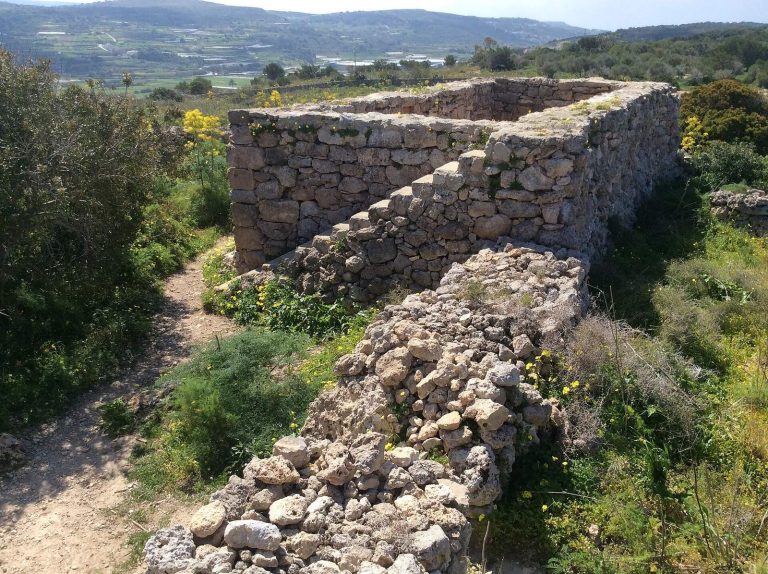
The site’s position near a harbour and valleys gave it strategic importance. A semicircular wall of uncertain date has been linked to insecurity before the Third Punic War, the final war between Rome and Carthage, fought from 149 to 146 BC. A separate square tower is considered later and has been associated with unrest in the third century AD. Around that century, the Romans also reduced the site’s area and enclosed it with a thick wall, intended to defend against invaders and help control the harbour and valleys.
Later occupation and investigation
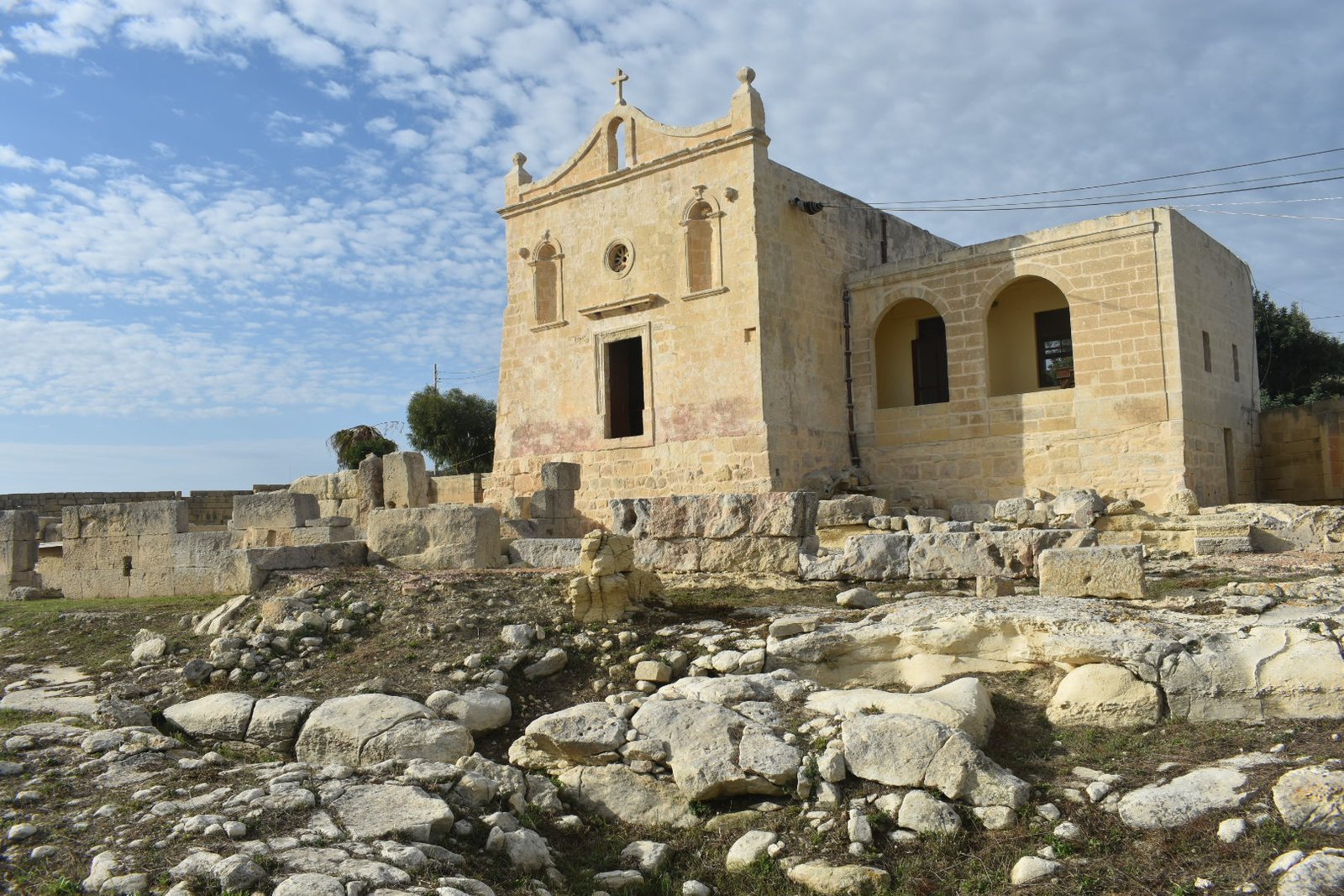
During the Arab period, when Malta was under Arab Muslim rule, sea invasions and attacks largely destroyed the site. People then reused its remains as fortifications, employing limited construction techniques. A medieval church stood at the location before a larger church was built there between 1616 and 1622, dedicated to the welcoming of Saint Paul. Part of the villa beneath the church appears to have remained in use well beyond Roman times, possibly in connection with a nearby large cistern.
Maltese religious tradition identifies the villa as the residence of Publius, whom Christian tradition names as Malta’s Roman governor and first bishop. In this account, Publius received Saint Paul, an apostle and early Christian missionary, after the shipwreck associated with Malta. The story’s connection to the site dates to the medieval period. The Acts of the Apostles provides the only ancient account of the shipwreck, and the identification of its Melite with Malta remains disputed; archaeological evidence at San Pawl Milqi is too limited to establish the tradition.
Excavations began in 1878 and 1879. An Italian archaeological mission worked at the site from 1963 to 1968 and contributed most of what is known about its remains. San Pawl Milqi was included on Malta’s Antiquities List in 1925.
Remains
Layout and construction
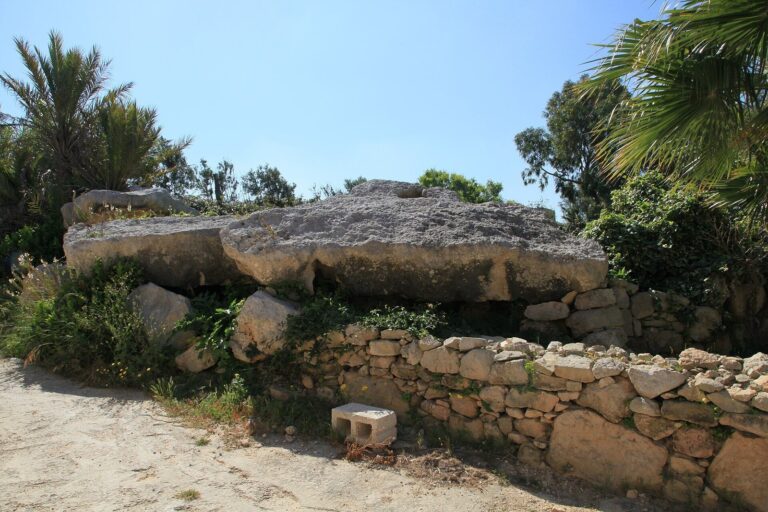
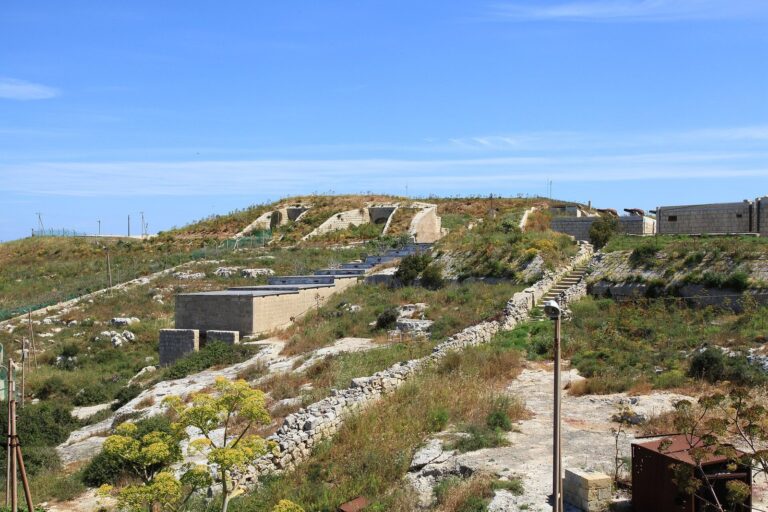
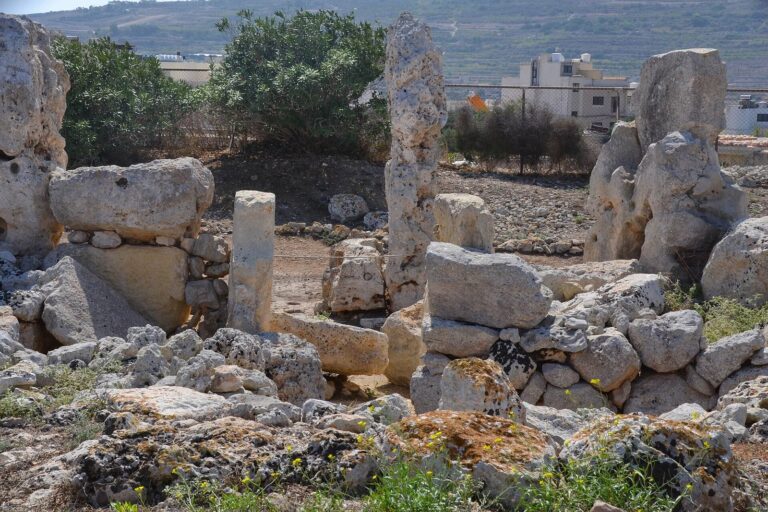
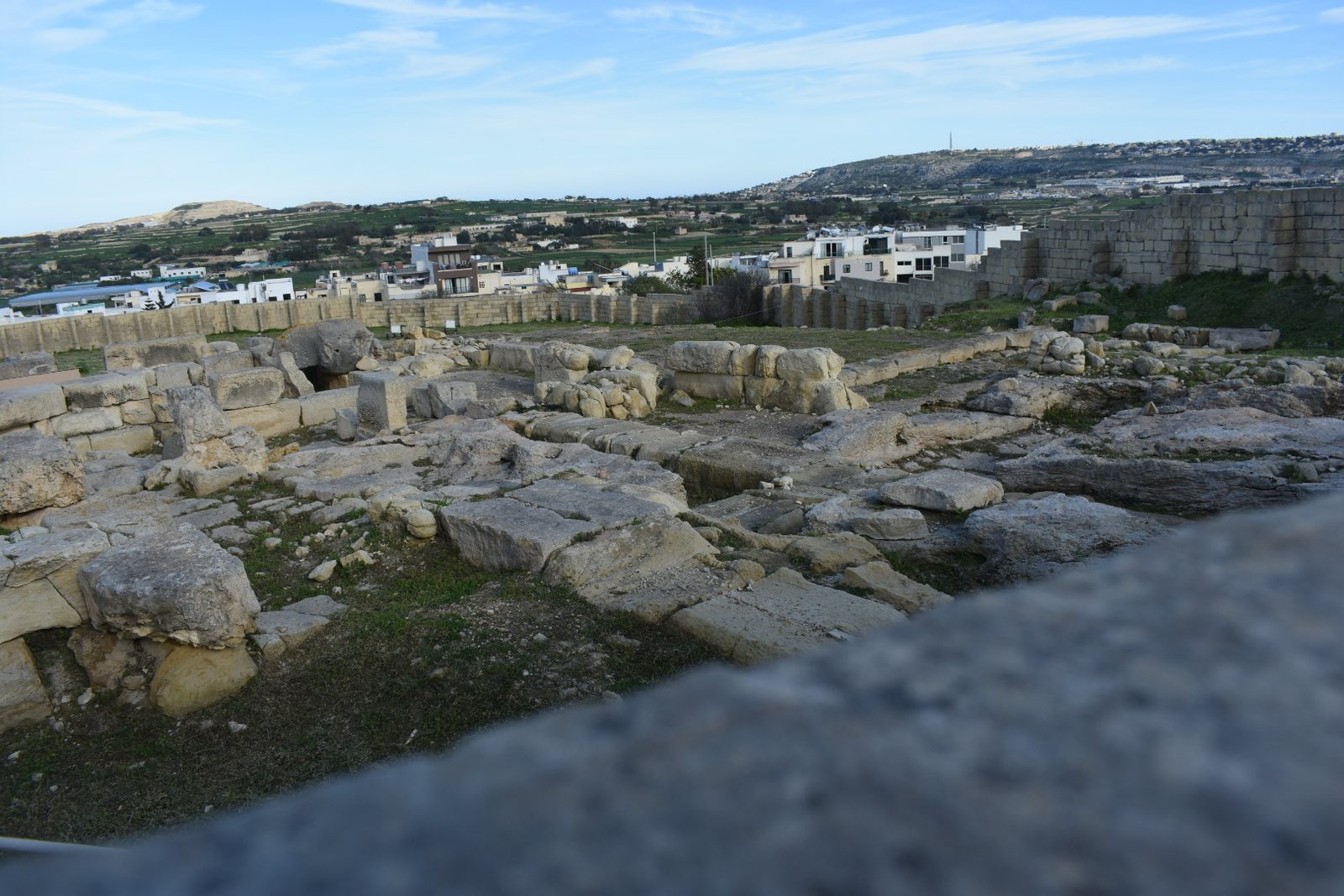
The complex covers about 2,500 square metres on a hillside above the fertile Barmarrad plain and Salina Bay. It is described as the largest agricultural villa excavated in Malta. Most walls use opus quadratum, construction with squared stone blocks; some were built from coralline limestone. The Roman central courtyard became an industrial area for agricultural production.
Agricultural production and storage
Olive-oil installations
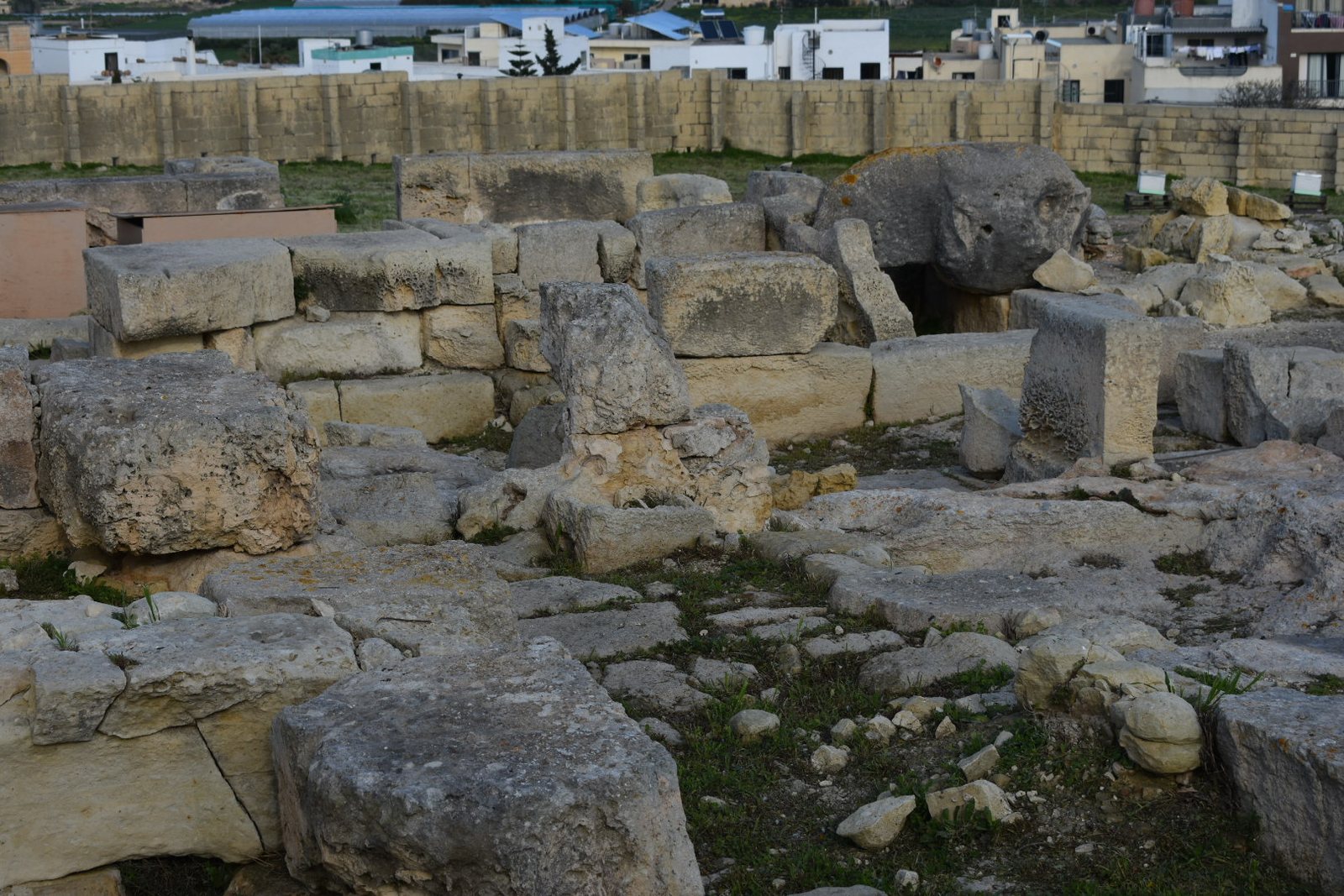
Several olive mills survive, some intact, along with at least two presses. Anchor points, settling vats, pipes, and other installations formed part of the olive-processing system. The presses have forms inspired by Punic examples. Fragments of amphorae, vessels used to store or transport goods, suggest that olive oil was exported by sea.
Grain and water storage
Other agricultural and storage remains include black-lava millstones for grinding grain, water cisterns, and a grain silo. These features formed part of the villa’s working complex alongside its olive-processing installations.
Domestic and religious buildings
Residential rooms
Four rooms can be identified in the residential area, along with a building that appears to have had two storeys. Surviving columns and a Doric-style column top suggest either a columned porch or a courtyard surrounded by columns. Painted wall plaster imitated marble, while the floors included cocciopesto, a lime-based material mixed with crushed pottery.
Temple to Apollo
A temple dedicated to Apollo, a Greek god, stood where the present chapel is located.
Churches and cistern
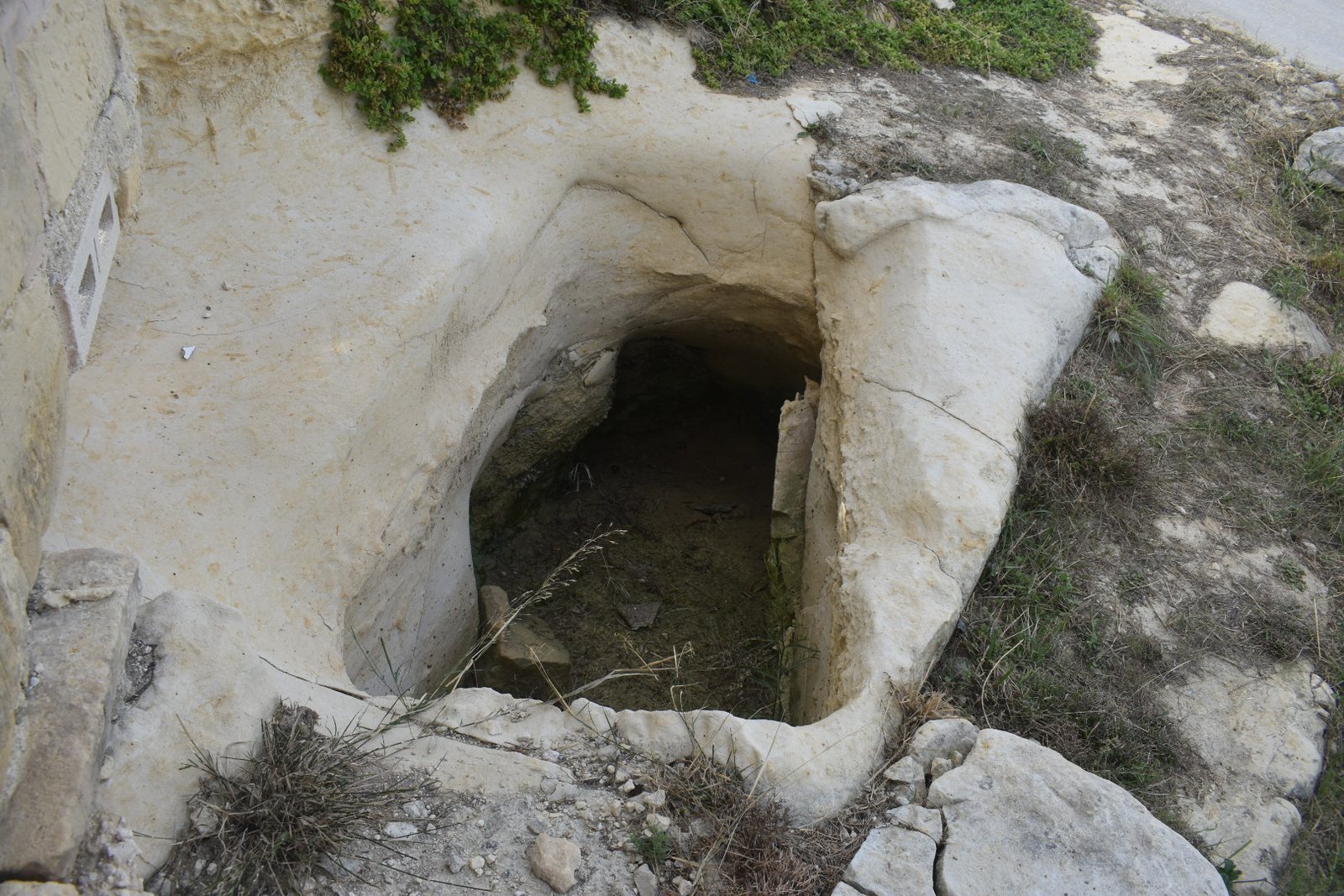
The small church now on the site occupies the location of the earlier church. Excavation revealed a semicircular row of stones interpreted as evidence of that earlier building. Its main axis was arranged so that the apse, the rounded space at a church’s end, crossed the opening of a water cistern. A fragment of fine ancient marble had been reused to form the cistern opening.
Defensive structures
Enclosing wall
A thick defensive wall enclosed the reduced Roman complex. Its position and construction formed part of the site’s fortifications.
Southwest semicircular wall
A semicircular wall stands at the site’s southwest corner. Its shape and position have led to its interpretation as a projecting defensive structure.
Southeast tower
A square tower occupies the southeast corner. Its form and location are distinct from those of the semicircular wall, and it has also been interpreted as a defensive feature.
Burials and inscribed material
Three tombs are assigned to the Żebbuġ prehistoric phase, pottery sherds are associated with the Borġ in-Nadur phase, and two tombs date to the third century BC. A fragment of a funerary inscription in later Punic script was reused as a sealing slab; ceramic sherds were also found at the site. Graffiti on limestone blocks have been tentatively interpreted as a bearded man, perhaps Paul, a ship possibly connected with the shipwreck, and a Greek inscription that may refer to Paul. These readings are highly speculative.