Zawiyet Umm el-Rakham: A Ramesside Fortress-Town in Egypt
Site at a Glance
- Popularity
- Medium
- Country
- Egypt
- Primary era
- Bronze Age
- Eras represented
- Bronze Age
- Civilizations
- Egyptian
- Site type
- Military
- Remains
- Fort
On this page9 sections
History
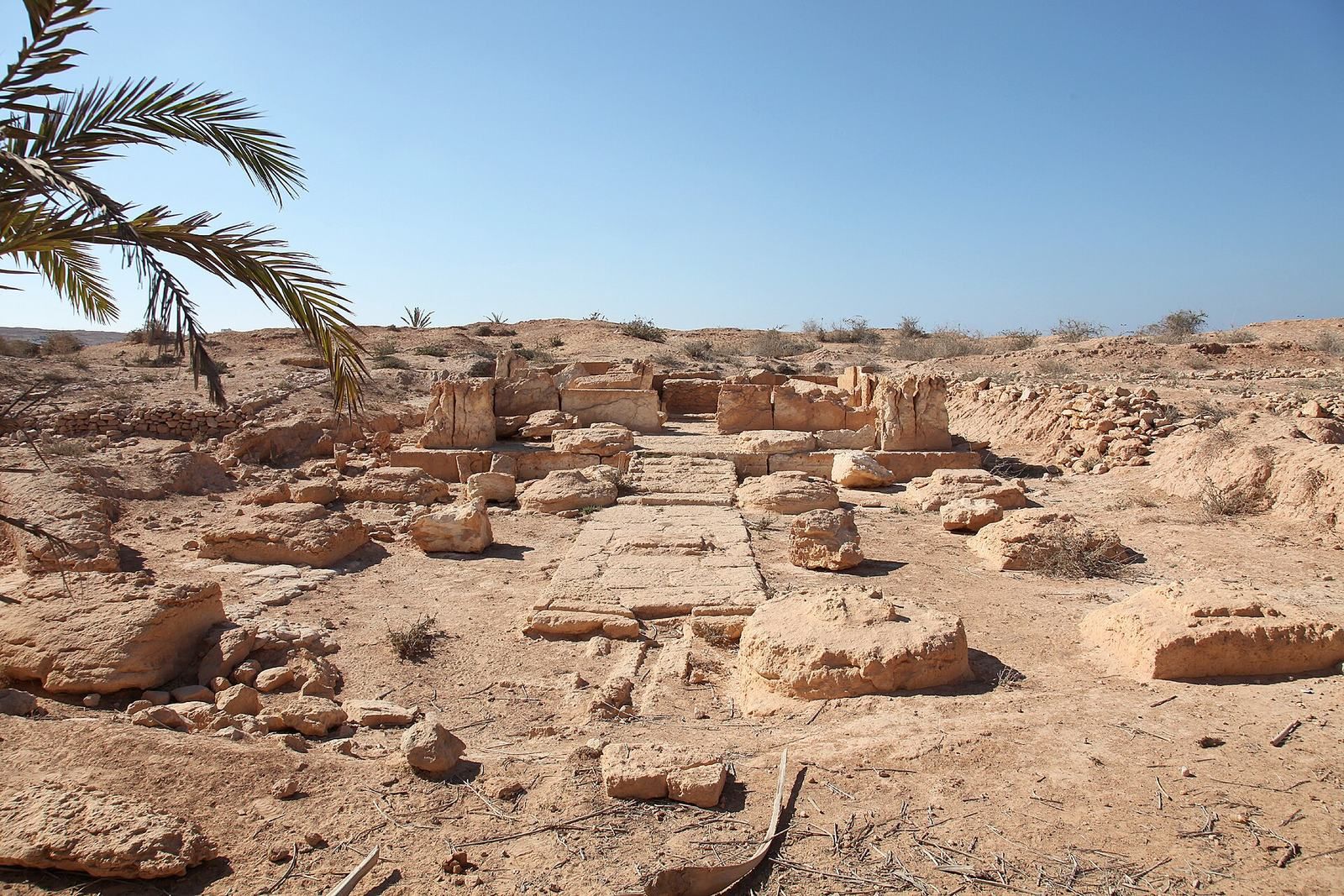
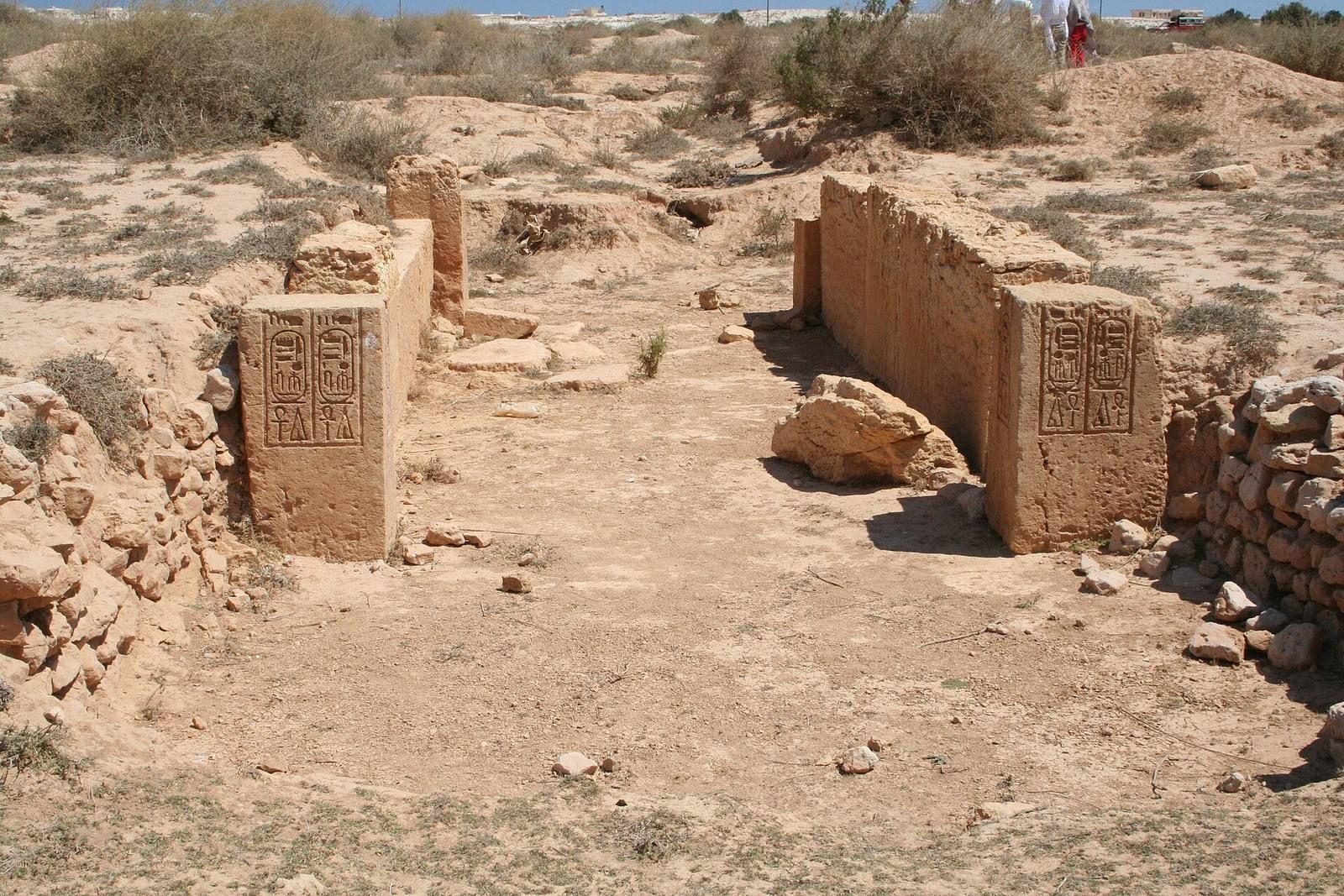
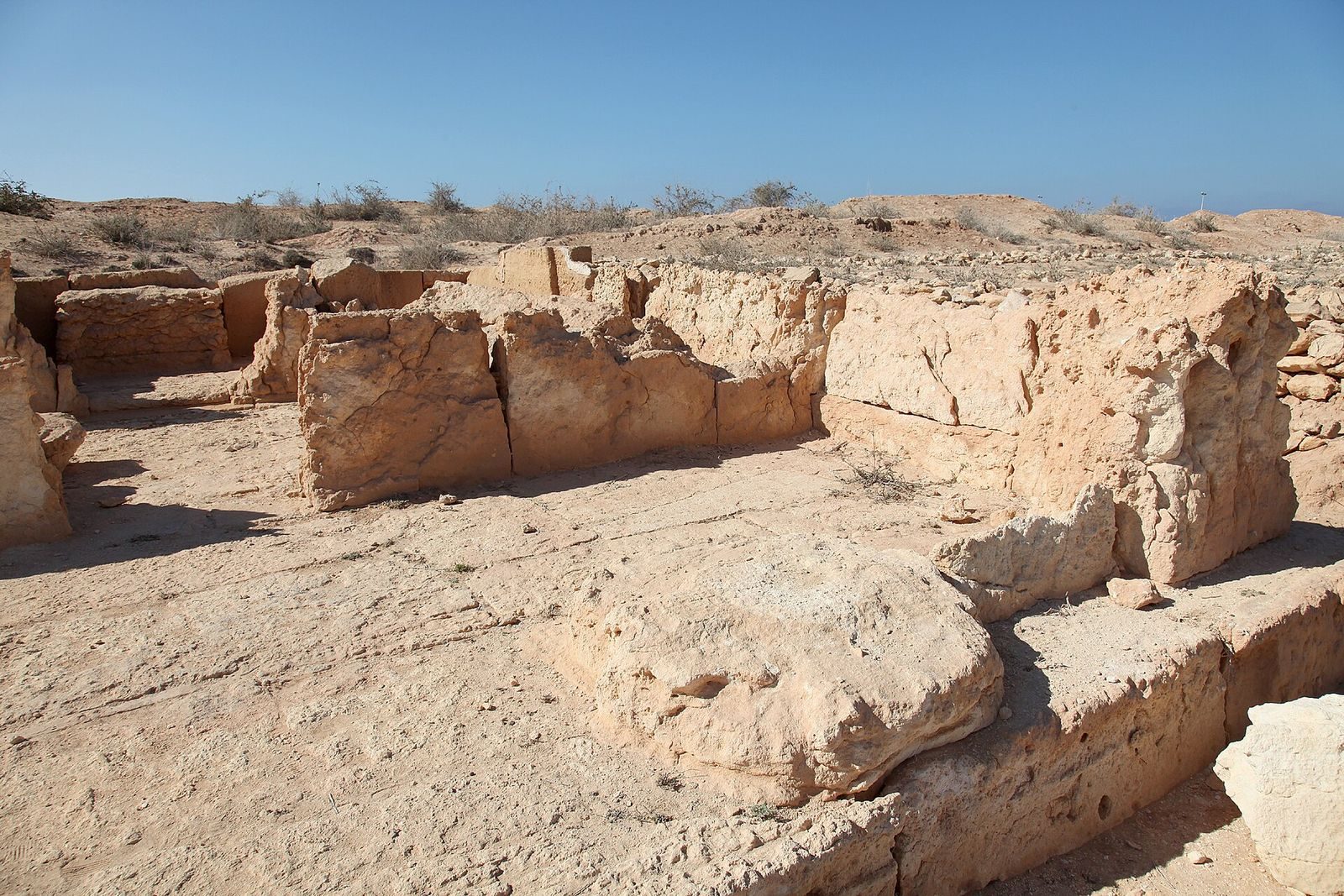
Zawiyet Umm el-Rakham is an archaeological site on Egypt’s Mediterranean north coast, about 20 kilometres west of Marsa Matruh. Its name is translated as “resthouse of the mother of vultures.” During the reign of Ramesses II, a pharaoh of Egypt’s Nineteenth Dynasty, it was a major fortress-town of the New Kingdom, the era associated with Egypt’s Nineteenth and Twentieth Dynasties. The fortress probably marked the western edge of direct Egyptian influence.
Ramesside fortress-town
Texts from the fortress describe it as built on Libyan land and suggest that control of local water resources was one of its purposes. Classical archaeologist Donald White proposed that the Greco-Roman port town of Apis may later have occupied the site.
Recognition and excavation
The site was known by 1946 and was examined intermittently in later years by Egyptologists Alan Rowe and Labib Habachi. From 1994 to 2001, the University of Liverpool carried out extensive excavations under Egyptologist Steven Snape’s direction.
Remains
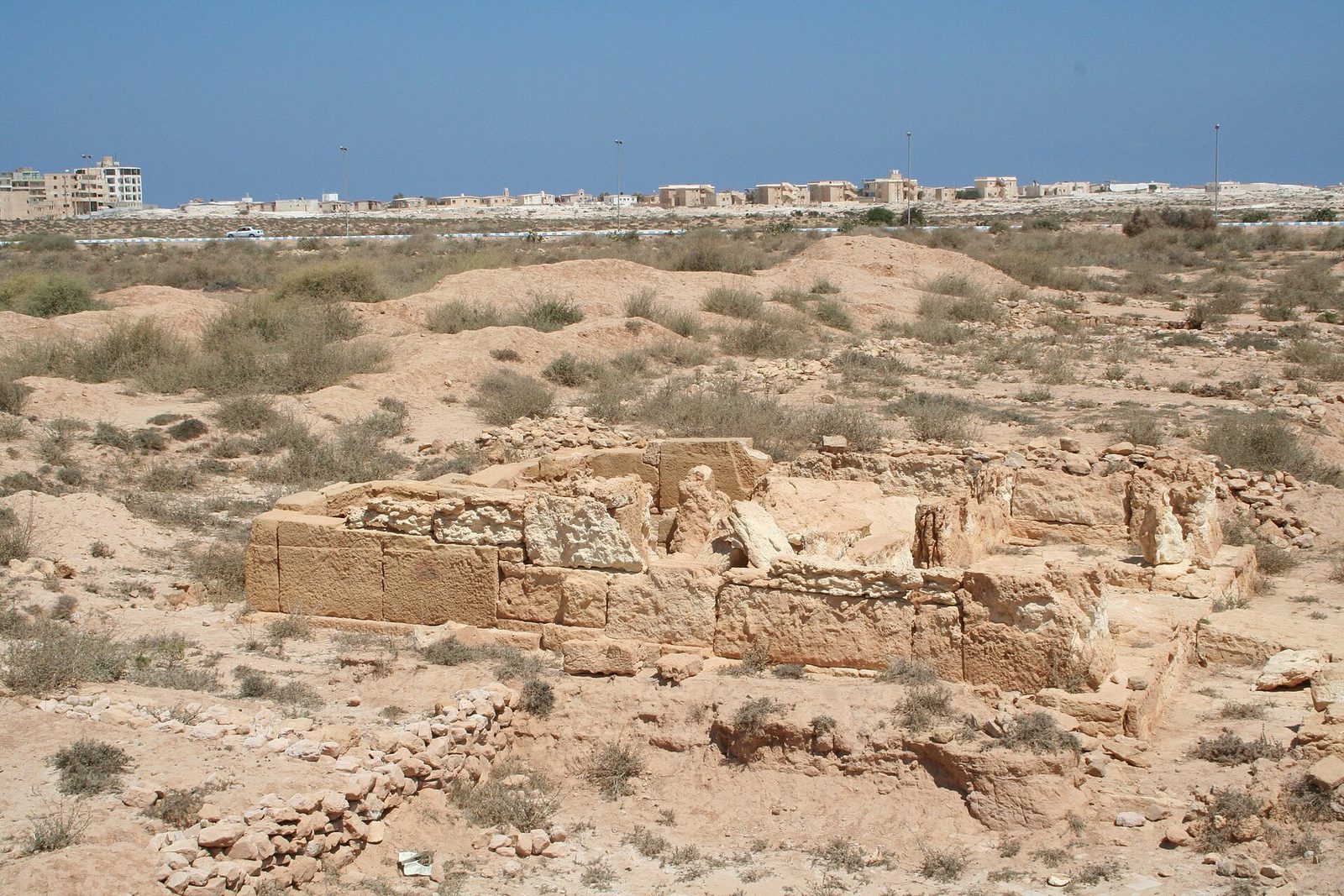
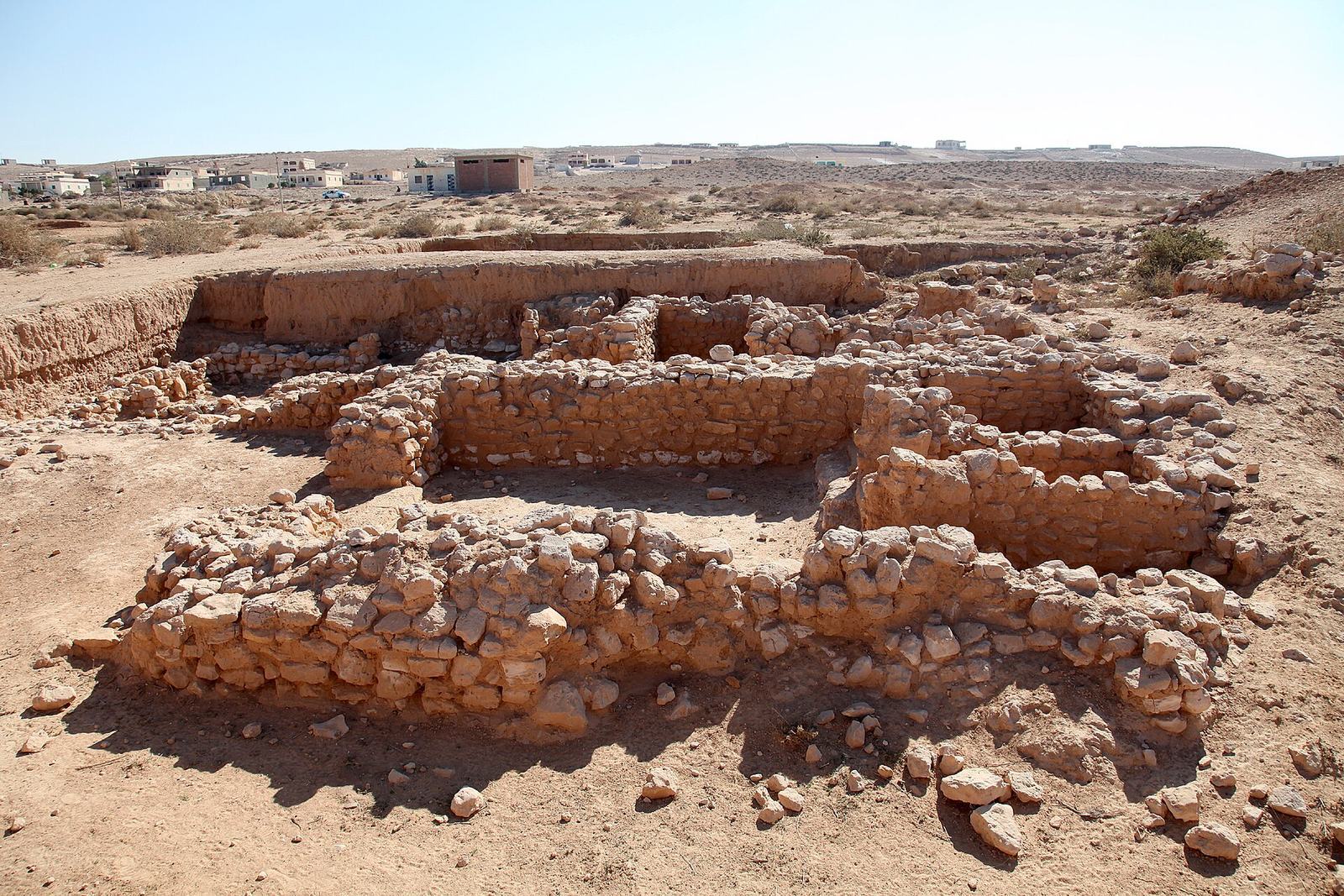
The principal feature is a fortified enclosure, about 140 metres on each side. Within it, excavations revealed areas with different functions, including religious buildings, storage spaces, and facilities for economic activities.
Buildings within the enclosure
Temple, chapels, and storage buildings
The enclosure contains a temple, several chapels, and magazines, meaning buildings or rooms used for storage.
Southeastern economic area
Ancillary buildings and processing
Buildings in the southeastern part of the enclosure were probably ancillary structures. Evidence from this area points to kitchens, grain processing that included milling and bread baking, and the processing of flax.
Wells
Three wells in the economic area were cut into limestone and measure just over three metres deep. They remain water-bearing, and the excavation team tasted the water and found it to be of good quality.