White Church, Karan: A Serbian Orthodox Parish Church
Site at a Glance
- Rating
- 4.9
- Popularity
- Medium
- Country
- Serbia
- Primary era
- Medieval
- Eras represented
- Medieval, Modern
- Civilizations
- Serbian
- Site type
- Religious
- Remains
- Church
On this page9 sections
History
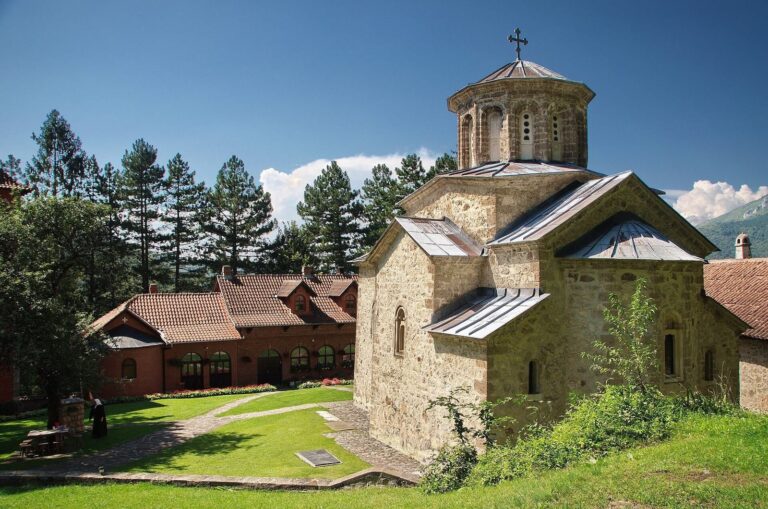
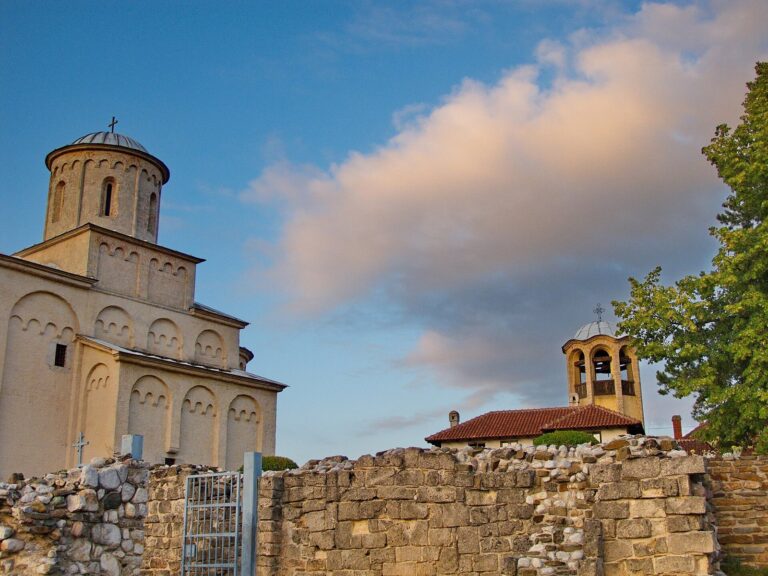
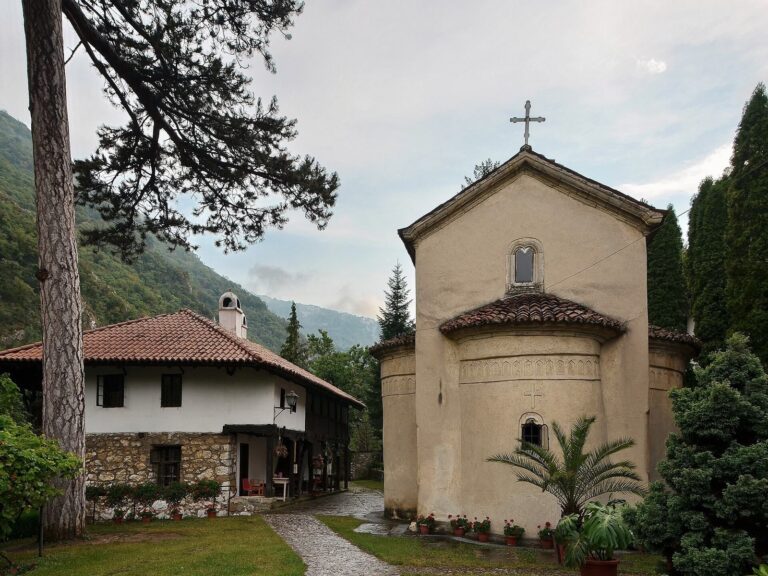
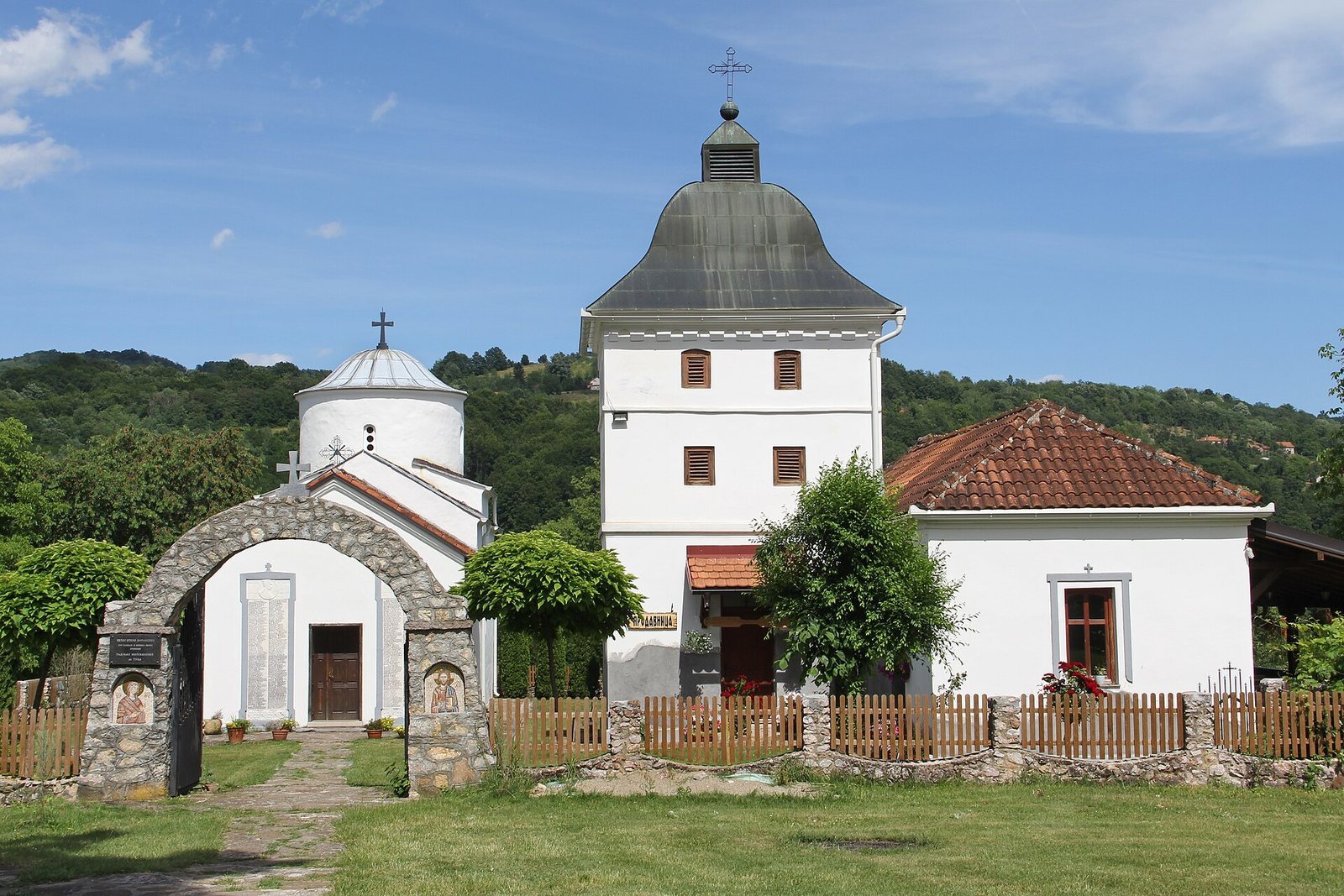
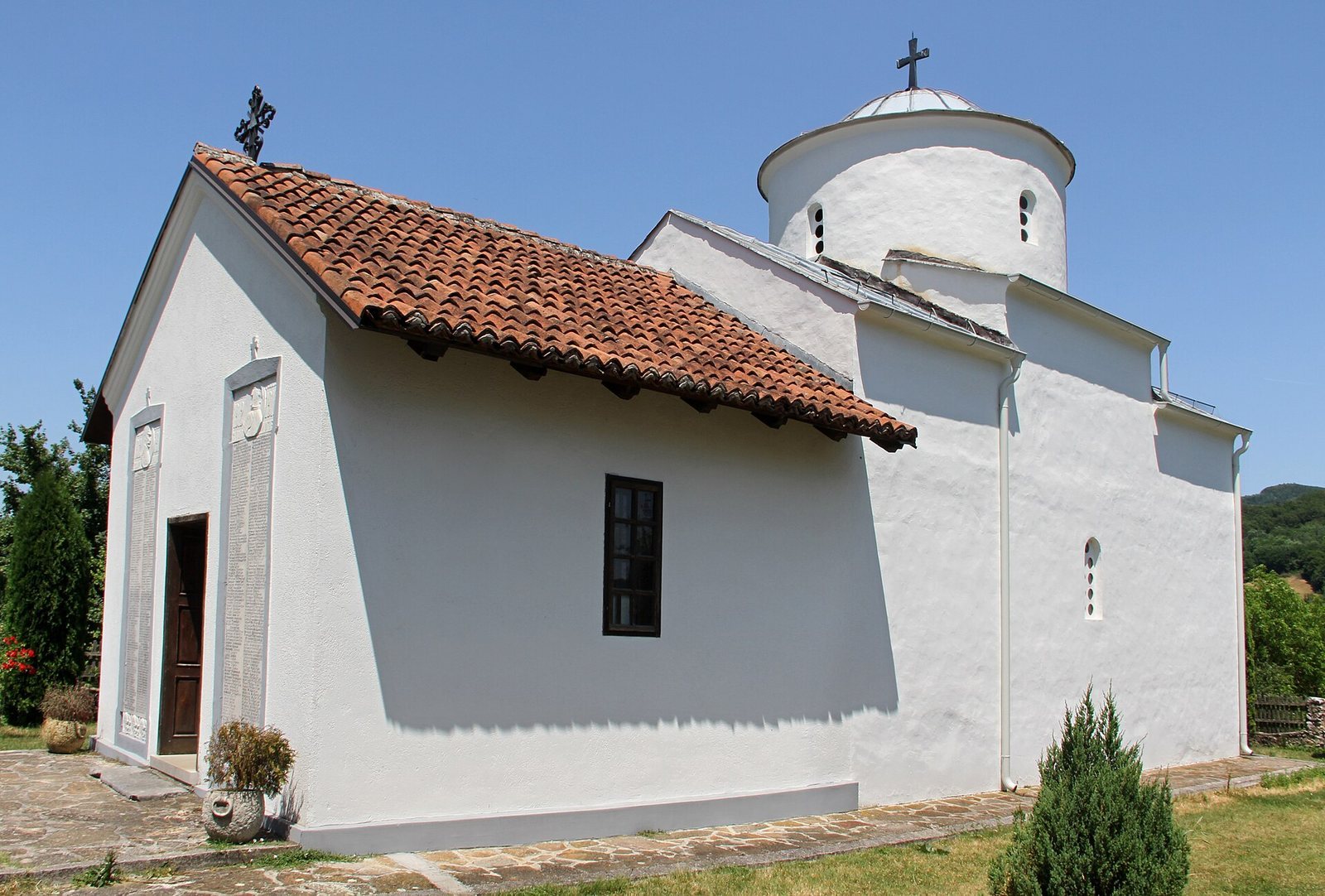
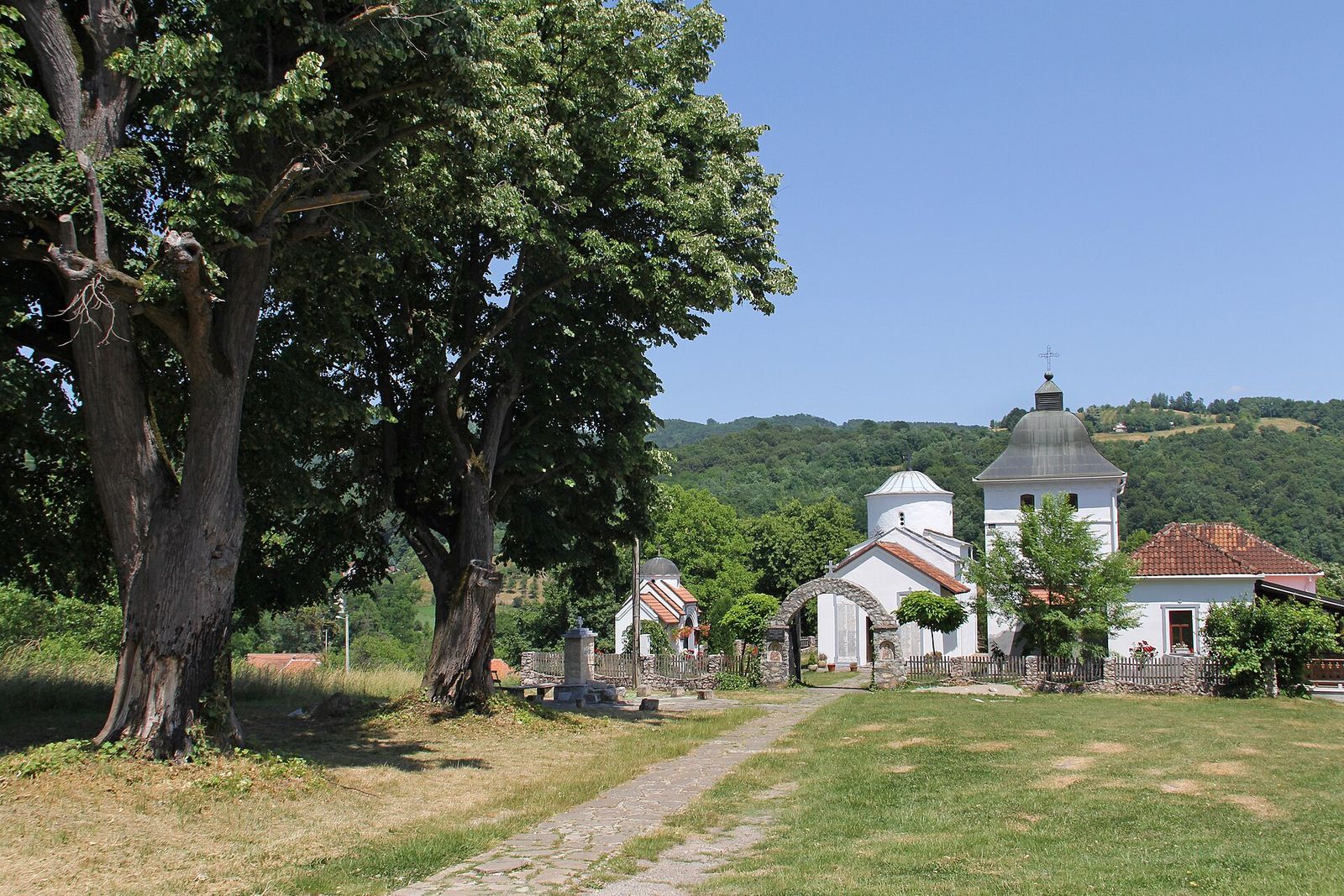
White Church, Karan, is a Serbian Orthodox parish church in Serbia, founded between 1340 and 1342 in the Raška tradition, a form of medieval Serbian church architecture. Dedicated to the Annunciation, it belongs to the Eparchy of Žiča, an Orthodox ecclesiastical district.
Roman-period worship
The church stands on a site used for worship in Roman times. Roman funerary monuments and graves found nearby point to this earlier religious use.
Medieval foundation
Župan Petar Brajan, a medieval South Slavic territorial ruler or official, established the church as his endowment. Its dedication commemorates the Annunciation, the Christian account of the angel Gabriel telling Mary that she would bear Jesus.
Archaeology and protection
Archaeological investigations in 1975 uncovered the graves of the founders inside the church. Conservation and restoration work on the building and its frescoes followed in 1980. In 1982, Serbia designated the church a Cultural Monument of Great Importance.
Remains
Plan and interior
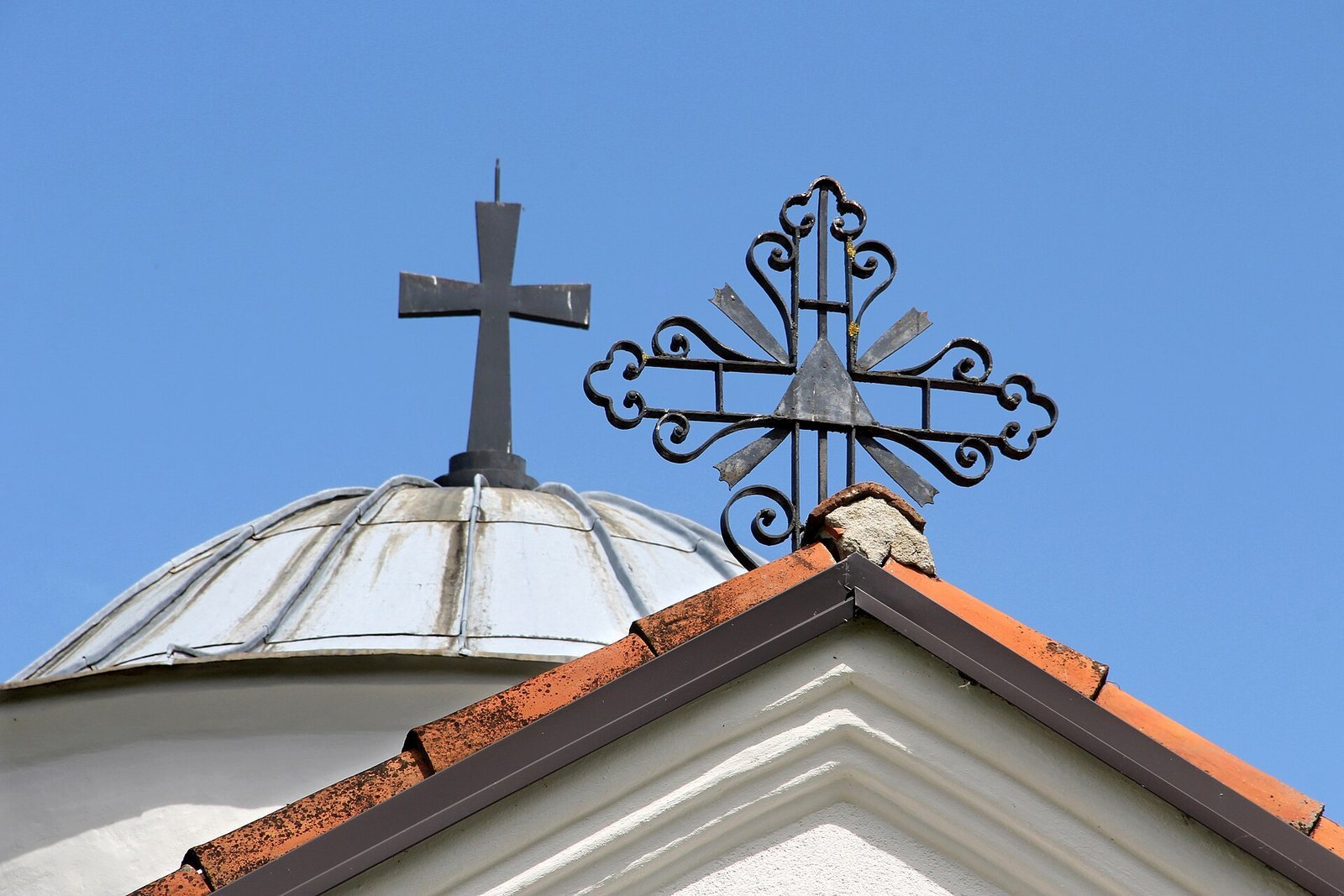
The church has a single nave, or main interior hall, divided into three bays, meaning sections separated by supports. A dome rises from a circular base. At the east end, a semicircular altar recess stands behind a stone iconostasis, an icon-bearing screen separating the sanctuary from the nave. A narthex, or entrance vestibule, was added at the west end in the late nineteenth century.
Fourteenth-century paintings
Donor and dynastic portraits
The paintings were probably made by two painters. On the western part of the north wall, a donor scene shows Petar Brajan with his wife Struja, their son, and their three daughters. The opposing eastern group depicts the family of Stefan Dušan, a fourteenth-century Serbian monarch, alongside saints of the Nemanjić dynasty, the medieval Serbian ruling house. These include Simeon, Sava, and Milutin. Dušan’s facial features resemble those in the narthex paintings at Dečani, a medieval Serbian Orthodox church and monastery, while his wife Jelena is portrayed more generally. Other historical figures and church donors also appear in the wall paintings.
Nave and altar scenes
The nave paintings include the Great Feasts, major celebrations in the Orthodox liturgical year, as well as Old Testament scenes and episodes from the life of the Virgin Mary. In the altar area, paintings show the Adoration of the Hierarchs, senior Orthodox bishops, and the Virgin Mary with angels.