Wauwilermoos: A Neolithic Pile-Dwelling Settlement in Switzerland
Site at a Glance
- Rating
- 4.3
- Popularity
- Very Low
- Country
- Switzerland
- Primary era
- Stone Age
- External website
- Open
- Eras represented
- Stone Age
- Civilizations
- Unclassified
- Site type
- Domestic
- Remains
- House
On this page8 sections
History
Wauwilermoos pile dwelling settlement, also known as Egolzwil 3, is a prehistoric Neolithic lakeshore settlement in Wauwil, Switzerland, occupied shortly after 4300 BC. It is one of Switzerland’s earliest lake-dwelling settlements and gave its name to the Egolzwil culture, an archaeological culture identified through remains from settlements in the Wauwilermoos region.
Formation of the Wauwilermoos landscape
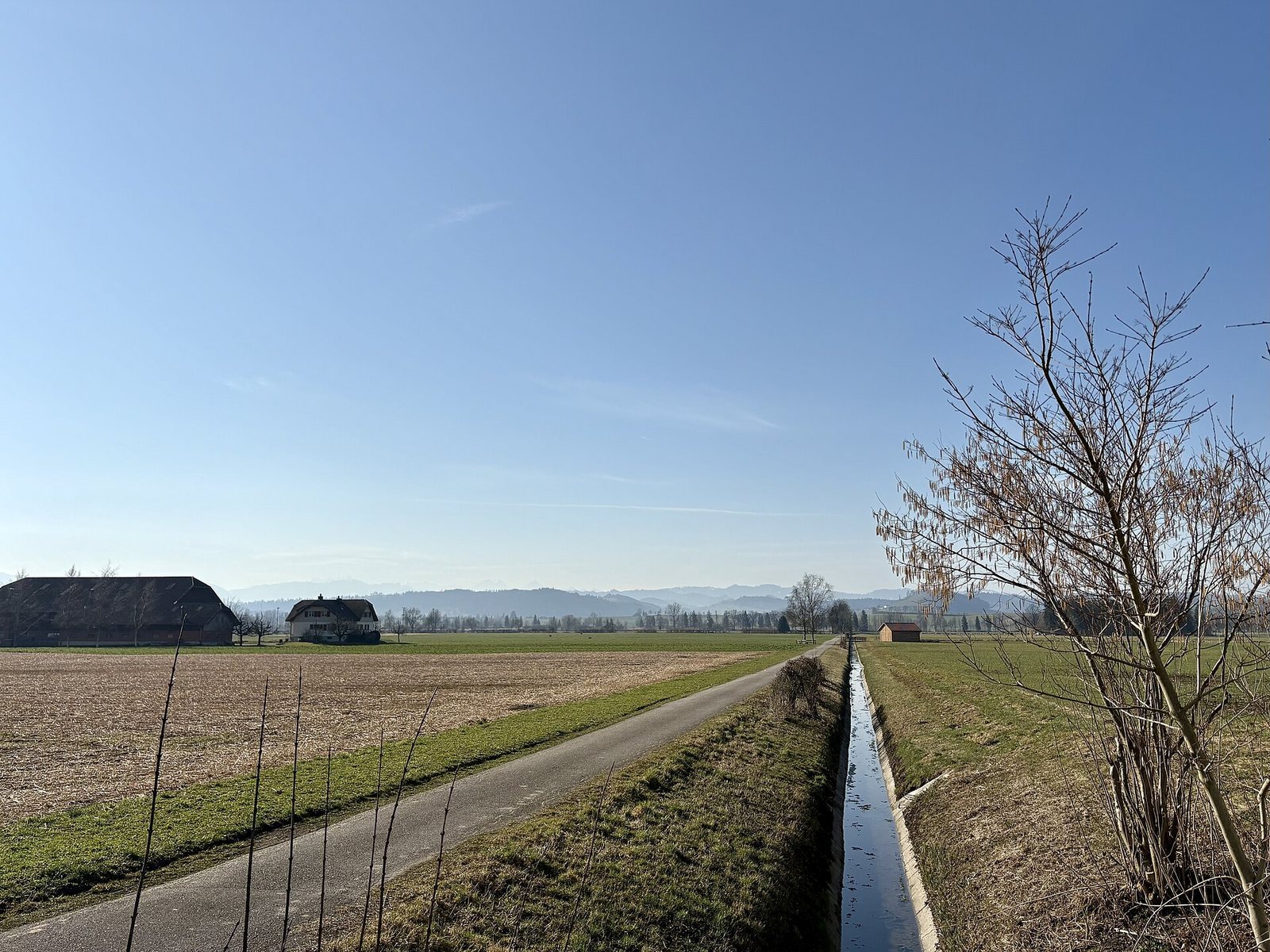
The settlement belongs to a wider archaeological region shaped by the retreat of the Reuss glacier. Around 20,000 BC, a glacier branch carved a valley whose deepest point lay about 57 metres below the present surface. When the glacier halted at Schötz, its moraines, accumulations of material carried and deposited by ice, held back meltwater and formed Wauwilersee, Hagimoos, and Mauensee.
The area became ice-free by about 17,000 BC. From around 14,000 BC, the lakes accumulated sand, lake marl, and peat. Climatic changes repeatedly altered their water levels, flooding and eroding older Stone Age settlements before burying them beneath lake sediments. The first settlements appeared at six locations after the glacier’s retreat, around 13,000 BC.
Paleolithic and Mesolithic occupation
The Late Paleolithic, approximately 12,000 to 9,000 BC, is represented by 46 sites along an elevated former lakeshore. Their artefacts, including many burins, pointed stone tools used for working materials such as bone, antler, or wood, are attributed to the Fürstein culture. The Mesolithic, the Stone Age period between the Paleolithic and Neolithic, added further occupation to the archaeological sequence of the Wauwil plain.
By the time of excavations directed by René Wyss, eleven Neolithic and thirty Mesolithic sites were known in the Wauwilermoos. By the beginning of the twenty-first century, more than 120 Stone Age sites had been identified in the area, establishing the former lake basin as an extensive archaeological landscape rather than an isolated settlement.
The Egolzwil culture settlement
Egolzwil 3 was occupied for only about six years, creating a short and clearly defined episode within the Neolithic period. The settlement is associated with the Egolzwil culture, which is dated to shortly after 4300 BC. Four other settlement sites are also linked with this culture.
Drainage, excavation, and protection
Peat extraction took place in the former Wauwilersee area from 1820 until about 1920. The lake was drained around 1859, and the land remains drained for agriculture. Most of the former wetlands disappeared, leaving only small residual areas. The first Stone Age settlements in the moorland were found after the drainage in the mid-nineteenth century, while excavations carried out up to 1929 established the Wauwil plain as an archaeological region.
Scientific excavation began in the early 1930s at Schötz and at the Neolithic site Egolzwil E2 under Hans Reinerth. Emil Vogt then conducted systematic work at the E3, E4, and E5 settlement sites from 1950 to 1966. René Wyss directed further excavations in 1965 and from 1985 to 1988. Wauwilermoos forms part of the serial UNESCO World Heritage Site Prehistoric Pile Dwellings around the Alps, inscribed in 2011. The settlement is also a Class A object of national importance in Switzerland and is federally protected under the Swiss Federal Act on the Protection of Nature and Cultural Heritage of 1 July 1966. Since July 2009, the wider area has also included a nationally important reserve for waterbirds and migratory birds.
Remains
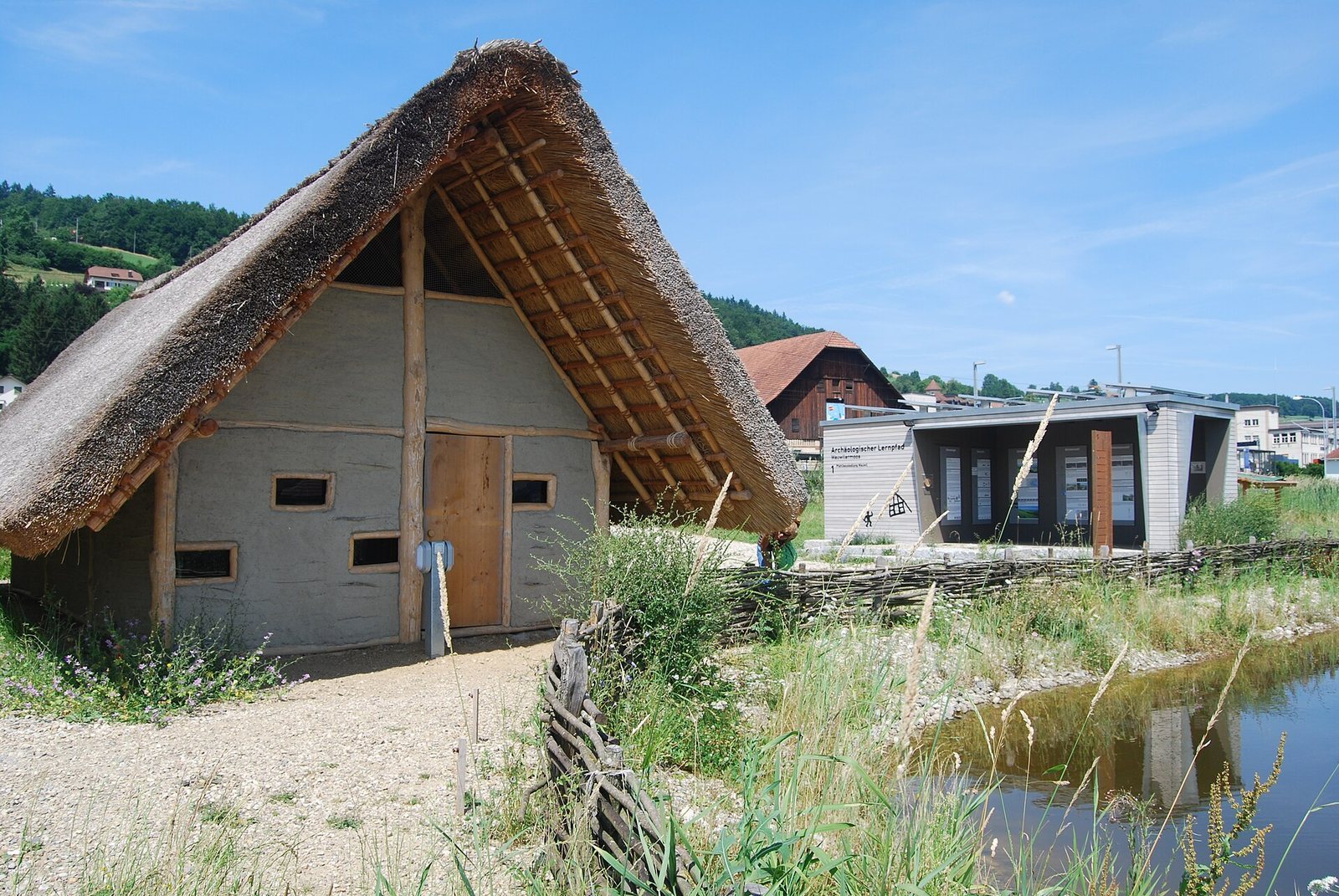
The settlement covers 0.65 hectares, while its buffer zone, including the former lake area, covers 56.82 hectares. Although it is described as a pile-dwelling settlement because of its wetland setting, the village stood directly on the ground within the lake’s sedimentation zone. Well-preserved house floors and hearths demonstrate this construction arrangement.
Houses and organic preservation
The houses were built from ash, oak, and alder. A centrally placed fireplace provided both heat and interior light. Waterlogged conditions preserved wood and other organic materials, including plant remains and bone. These remains are important for palaeo-ecology, the reconstruction of past environments and relationships between organisms and their surroundings, in the Wauwil bog.
Pottery and tools
Handmade pottery consisted mainly of pots and bowls with two rounded, bow-shaped handles. These vessels held an average of 1.8 to 2.8 litres, while some liquid containers had capacities of 6 to 8 litres. Individual Wauwilerbecher cups, a locally named type associated with the Wauwil region, were also found.
Other finds include sickles with straight wooden handles, diagonally angled flint knives attached with birch tar, axe shafts, clubs, sticks, and furrows. A textile jewellery container held shells from the Mediterranean region, adding evidence of materials and objects connected with the settlement’s inhabitants.