Vydrica Gate: Bratislava’s Medieval Western Entrance
Site at a Glance
- Popularity
- Medium
- Country
- Slovakia
- Primary era
- Medieval
- Eras represented
- Medieval
- Civilizations
- Hungarian
- Site type
- Military
- Remains
- Gate
On this page11 sections
History
Vydrica Gate was the principal western entrance to Bratislava’s medieval inner-city fortifications in Slovakia. Built during the medieval period, it is first mentioned in writing in 1434. By the end of the fourteenth century it was one of three entrances to the fortified center; a fourth gate was added in the southern wall during the fifteenth century.
Medieval development
The gate took its name from the former settlement of Vydrica, which lay beyond it. It was also known as the Dark Gate or Black Gate, after its deep, gloomy passage, and more rarely as the Vienna Gate.
After the Hussite Wars, conflicts in Central Europe associated with the religious movement inspired by Czech reformer Jan Hus, King of Hungary and Holy Roman Emperor Sigismund of Luxembourg ordered the city gates strengthened. Further defensive work followed amid fears of a Turkish invasion. Vydrica Gate was reinforced during the mid-fifteenth century and probably underwent a thorough alteration in 1456.
Royal ceremonies and demolition
Emperors and kings entering the city, then known as Pressburg, passed through Vydrica Gate in formal processions. The city magistrate and councilors presented them with the keys. The last such royal entry took place on 20 June 1741, when Maria Theresa, a Habsburg ruler, entered for her coronation as Queen of Hungary at St Martin’s Cathedral. In 1516, the Danube burst its banks and caused extensive damage; the flood was commemorated at the gate.
Most of Bratislava’s city walls were dismantled in 1775 during Maria Theresa’s reign. The gate was demolished in 1777 as part of the removal of the fortifications.
Remains
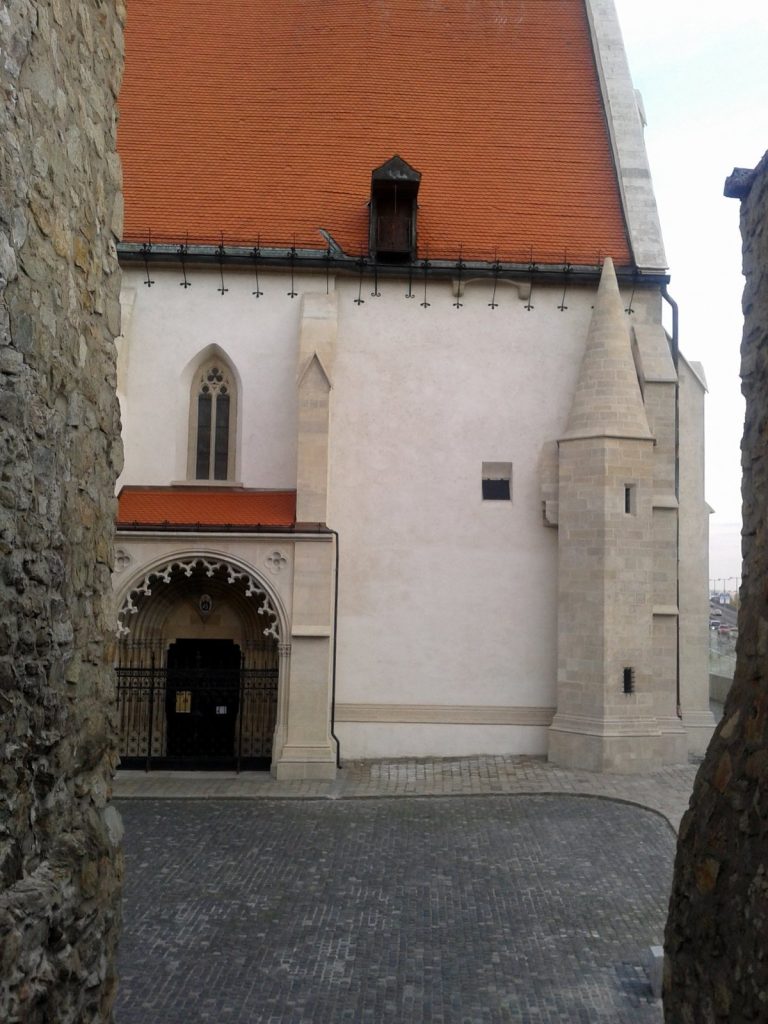
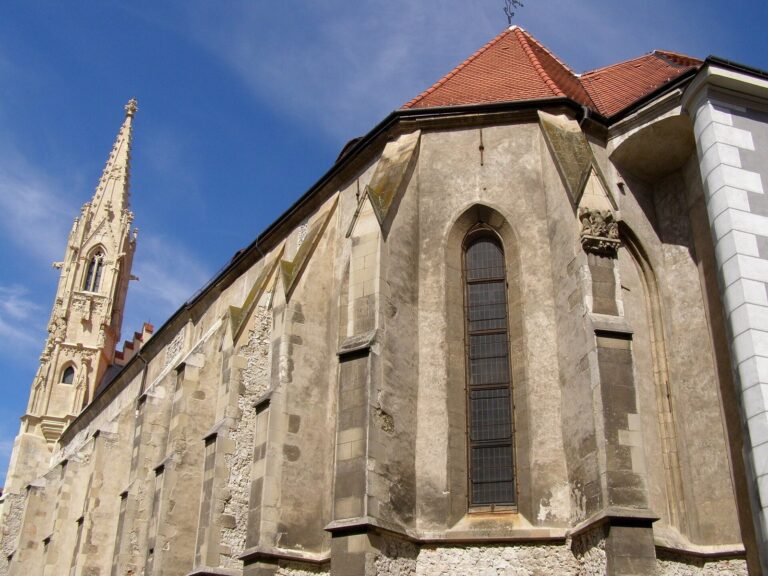
The gate stood at the southwest corner of the city walls, at the western end of Long Street, now Panská Street, near St Martin’s Cathedral and the former Fish Square. Routes from Vydrica, Podhradie, Devín and the Water Tower, which guarded a Danube ford, converged there, linking the city with the Danube route. The gate and its approaches formed part of this wider defensive setting.
Passage and bridge
Vydrica Gate was an elongated, vaulted structure. Its passage had three bays, each closed by a portcullis, a heavy grille lowered across a gateway. A stone bridge led from the gate toward Vydrica. The moat crossing also survived the gate’s demolition and is now covered beneath the street.
Defensive works and markers
Bastions
The Butchers’ Bastion stood north of the gate and the Shoemakers’ Bastion to its south. Two additional bastions, projecting works that strengthened the wall, were added during the mid-fifteenth-century defenses. They were called Himmelreich and Leonfelder, the latter also known as Leonfelder Tower. Their names may derive from prominent local burgher families, perhaps as builders or patrons. A rounded defensive work associated with a bridge, called a bridge rondel, and a large drawbridge were added in 1456.
Masonry and markers
The fortification masonry at the gate was 130 to 160 centimeters thick. The city’s coat of arms adorned the gate by 1456, while the tower displayed the arms of the Kingdom of Hungary and two sundials made in 1556. A double cross fixed to one of the gate’s piers commemorated the 1516 flood.
Interior and surviving fabric
Military and prison rooms
The gate’s interior served both defensive and penal purposes. It contained an armory, dark prison chambers, and a mill that pounded the ingredients used to make gunpowder.
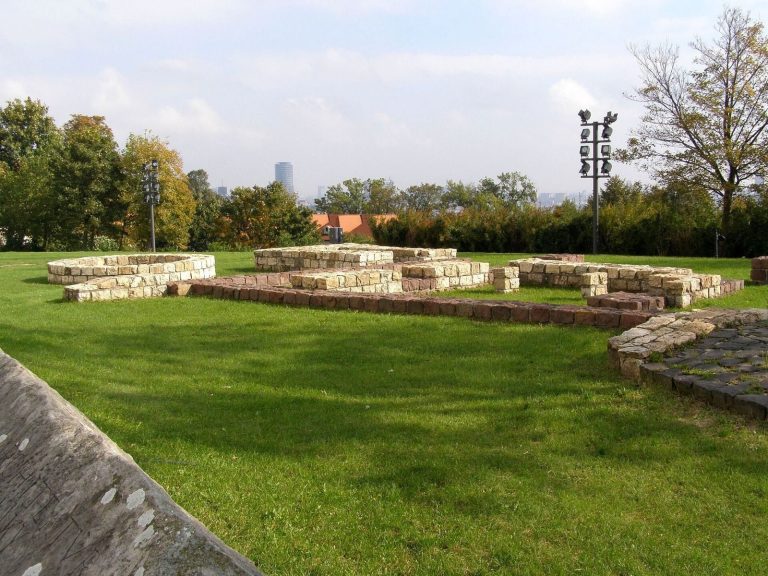
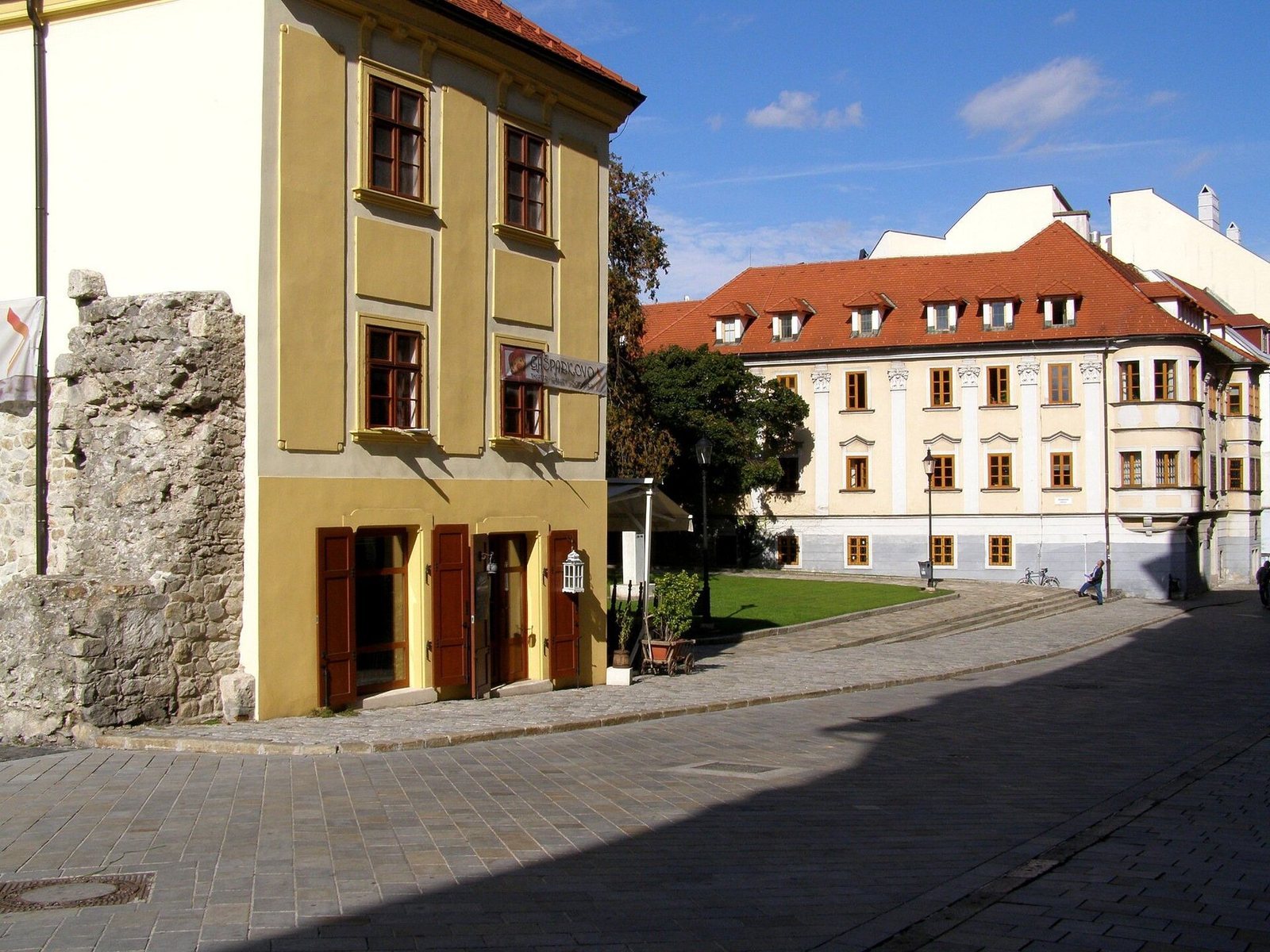
Surviving traces
A section of wall remains on the gate’s north side. Historic walls and watchtowers also survive in the former gate area; some watchtowers were later converted into houses or incorporated into them. A memorial plaque set in the pavement marks the gate’s location.