Vitozza: A Medieval Cave Settlement in Italy
Site at a Glance
- Popularity
- Medium
- Country
- Italy
- Primary era
- Medieval
- Eras represented
- Classical, Medieval
- Civilizations
- Holy Roman Empire, Roman
- Site type
- Domestic
- Remains
- House
On this page11 sections
History
Early settlement and medieval rule
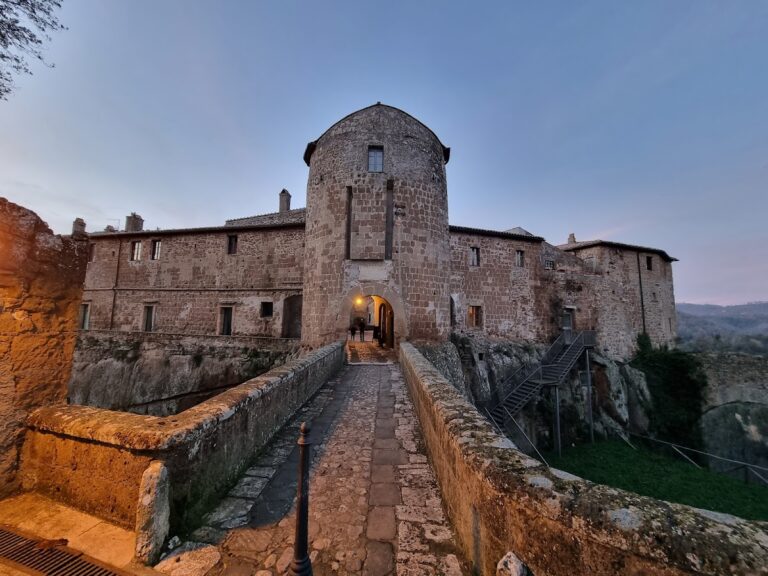
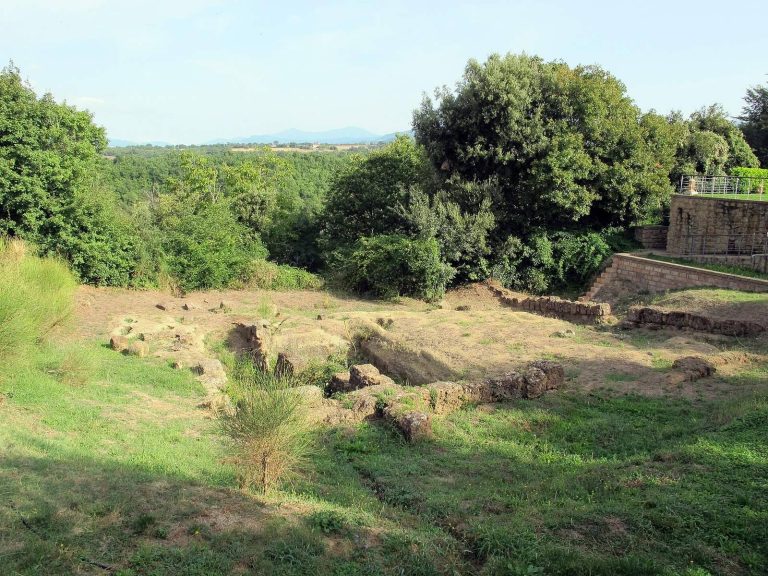
Vitozza is a medieval cave settlement in Sorano, Italy, which developed around a castle built by the Aldobrandeschi, a prominent Italian noble family, probably in the late 11th century. The caves may have been inhabited in Etruscan times, before Roman rule, and during the Roman period.
In the first half of the 13th century, control passed temporarily to Orvieto, a medieval city and political authority, and then to the Baschi, another noble family. The Aldobrandeschi regained Vitozza and, in 1274, incorporated it into the County of Sovana, a territorial jurisdiction, when the family’s lands were divided.
Between the late 13th and early 14th centuries, the Republic of Siena, a state governed from Siena, conquered Vitozza. It retained control until the mid-15th century despite repeated disputes. Vitozza later became part of the Orsini County. The Orsini were a prominent Italian noble family, and the settlement held considerable importance within their territory.
Decline and abandonment
The settlement around the castle and its defenses was gradually abandoned, beginning a prolonged decline for reasons that remain unknown. Residents increasingly moved to nearby San Quirico, a settlement with 16th-century origins, although Vitozza continued to be inhabited into the late 18th century.
In 1783, the rulers of the House of Lorraine, a European dynasty that governed Tuscany during the 18th century, ordered a census of Vitozza’s residents. The caves were abandoned by the end of the century. The Grand Duke of Tuscany reportedly forced the last inhabitants to leave because he considered cave dwelling unsuitable for his subjects.
Remains
Cave dwellings
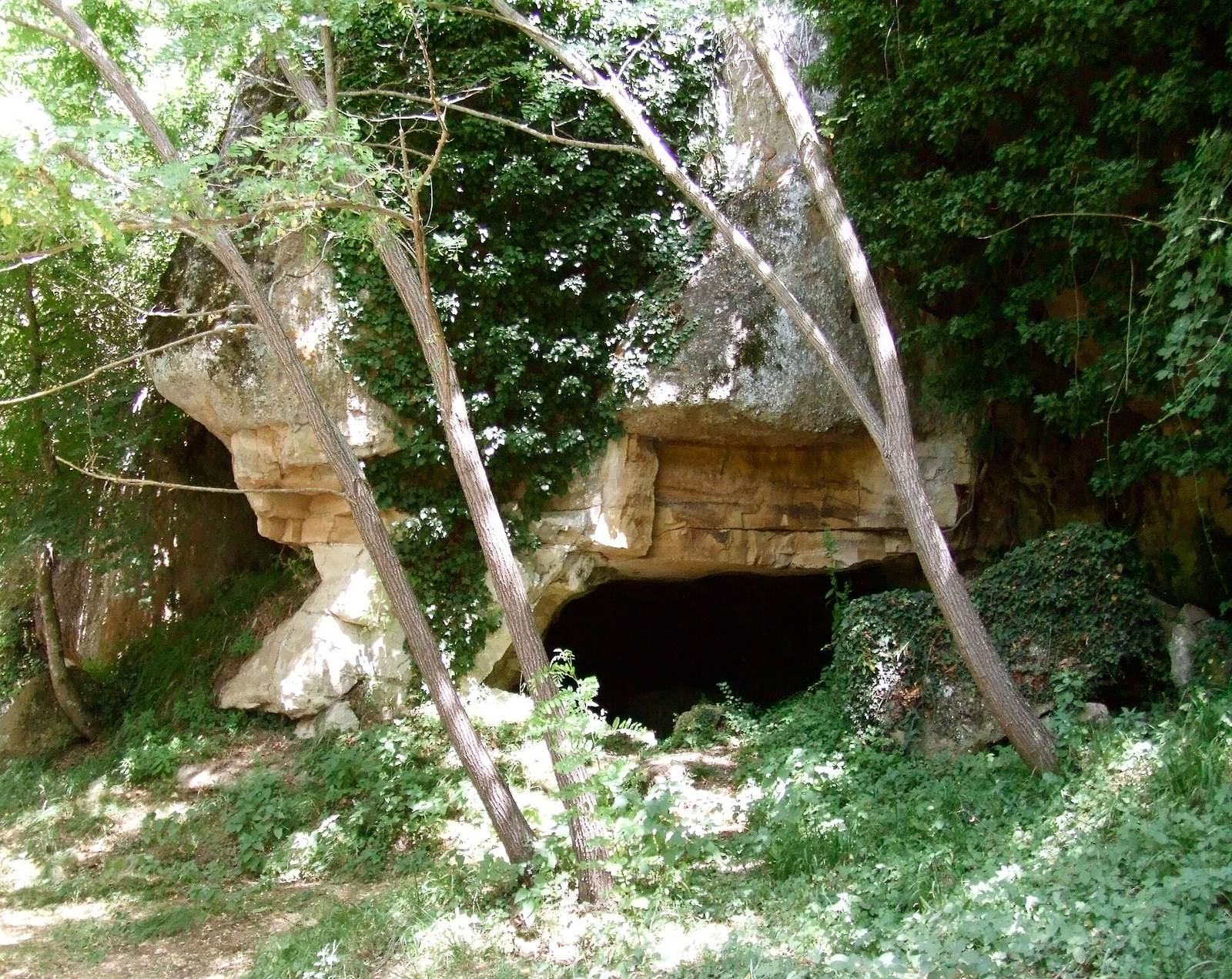
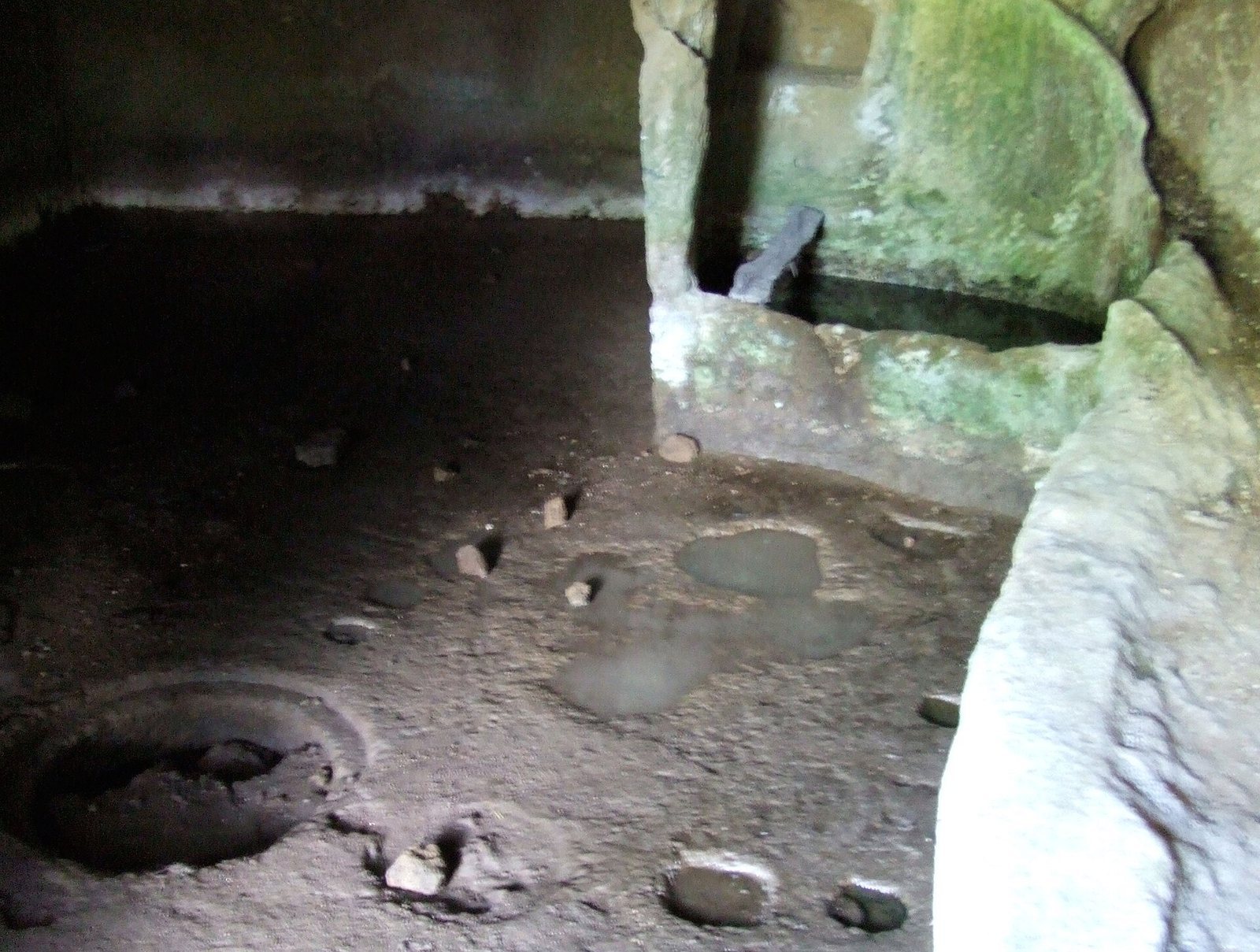
More than 200 caves are cut into local tuff, rock formed from consolidated volcanic ash. They extend along paths through woodland above the high valley of the Lente River, following the valley toward its source. Some caves stand close together, while others are isolated. One type has rectangular openings, sometimes arranged on several levels connected by ladders and steps, with dwellings above and animal shelters below. Other caves have rectangular plans and served as animal shelters. A mixed-use type has an arched entrance, a rounded interior section, more finished rooms, and a feeding trough in the area used for animals; other rooms were probably dwellings.
Pigeon-breeding caves
Several dozen caves in the northwestern part of Vitozza were probably created in Roman times and remained in use through the Middle Ages for breeding pigeons. This practice was common in the Sorano area.
Fortifications
First Fortress
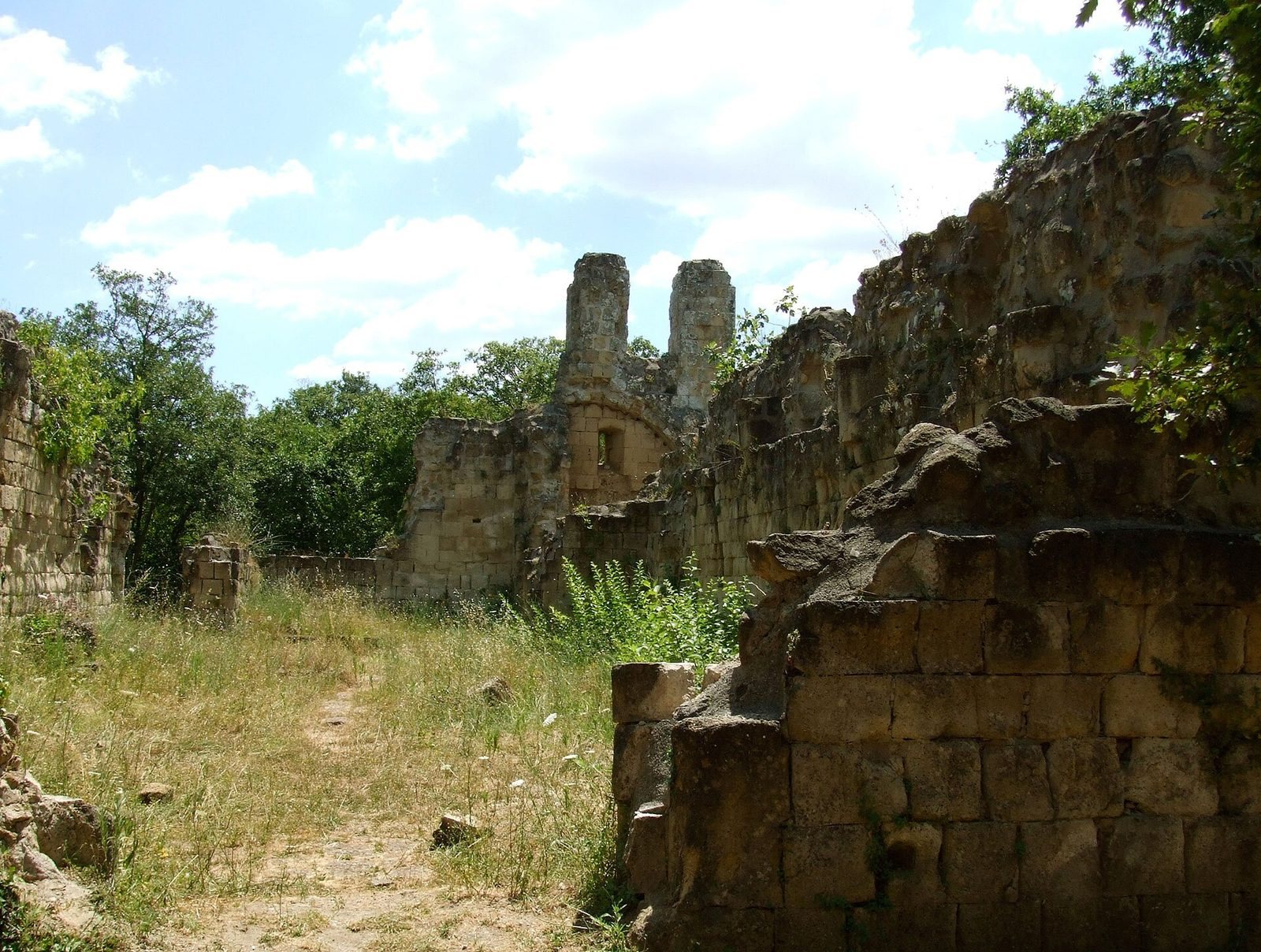
The First Fortress is a ruin beside the path through the settlement, beyond a group of about ten caves inhabited until the late 18th century. Its thick walls, built from tuff blocks, include a doorway opening onto the route. Remains stand on both sides of the path, which divides just before the fortress. Vegetation now obscures the moat on its north side.
Second Fortress
The Second Fortress stands on a rise beside the path toward the pigeon-breeding caves and the source of the Lente River. Two curtain walls, defensive walls joining parts of a fortification, have tuff facing and form an L-shaped plan. They rest on a rocky tuff base shaped as a natural slope. The structure is better preserved than the First Fortress.
Northern defensive building and gate
On the northern side of the plateau near the church are remains of another defensive building and a gate. The gate controlled access along a road that ran parallel to the ridge.
Religious remains
The ruined medieval church known as La Chiesaccia had a rectangular plan with a single main hall ending in a semicircular apse, the rounded sanctuary end of the building.