Verny Fortress: A Russian Imperial Military Fortification in Almaty
Site at a Glance
- Popularity
- Medium
- Country
- Kazakhstan
- Primary era
- Modern
- Eras represented
- Modern
- Civilizations
- Russian
- Site type
- Military
- Remains
- Fort
On this page7 sections
History
Establishment and growth
Verny Fortress is a Russian imperial military fortification in present-day Almaty, Kazakhstan. Emperor Nicholas I ordered its establishment on 4 February 1854, and construction began that spring under the joint direction of the local military commander and an engineer-lieutenant. The fortification was largely ready by autumn and was first called the Trans-Ili Fortification, then the Verny Fortification.
The fortress became the nucleus of Verny, the historical name of present-day Almaty. An imperial decree raised Verny to city status in 1867, with the city intended to become the administrative center of the Semirechye Oblast, a historical region of Central Asia.
Mutiny and wartime use
In June 1920, the fortress was the center of the Verny mutiny. A detachment led by D. Furmanov, a Soviet political commissar, suppressed it. During World War II, the fortress barracks were used to form the 316th Rifle Division, an infantry formation commanded by Soviet General Ivan Panfilov.
Land use and protection
In the 1990s, the former fortress land was divided among parcels privatized or leased long-term to private companies and areas administered by the Ministries of Internal Affairs and Defense. From 2006 to 2009, a project for an open-air museum was developed under the Cultural Heritage program, but the museum was not established. The fortress retained local historical-monument status under Almaty’s state list approved on 10 November 2010, and protected-zone boundaries were approved in 2014. Three of the four surviving buildings are included in the protected monument.
Remains
Fortification layout
The fortification had an irregular pentagonal plan, with one side following the Little Almaty River. A defensive fence of upright wooden stakes originally enclosed it; this was later replaced by a wall of unfired brick, with narrow openings through which defenders could fire. The principal buildings faced a large parade ground used for inspections and military exercises. Wooden houses and barracks built from logs provided accommodation for 470 soldiers and officers of the Trans-Ili detachment.
Buildings and grounds
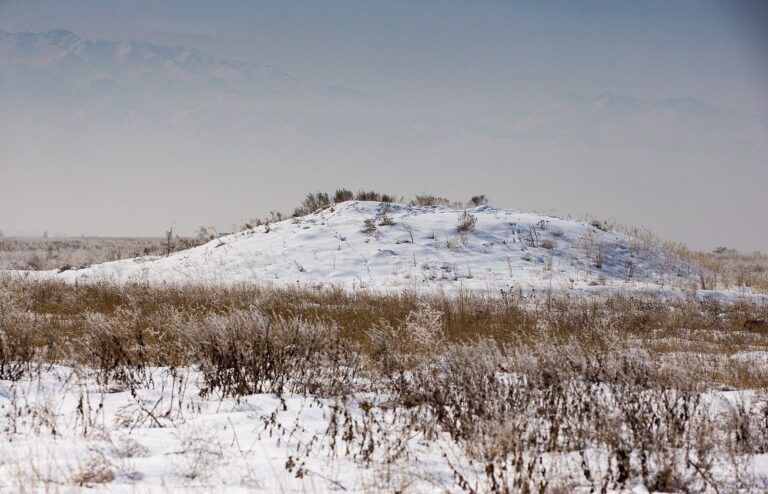
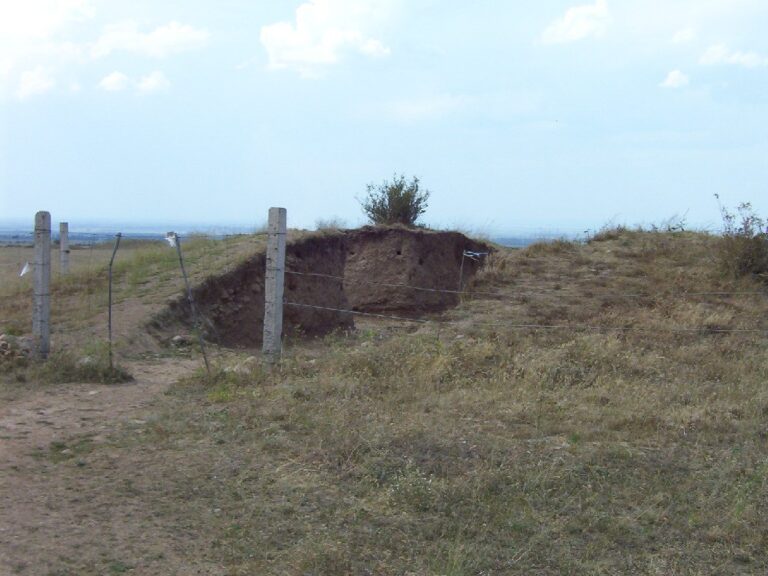
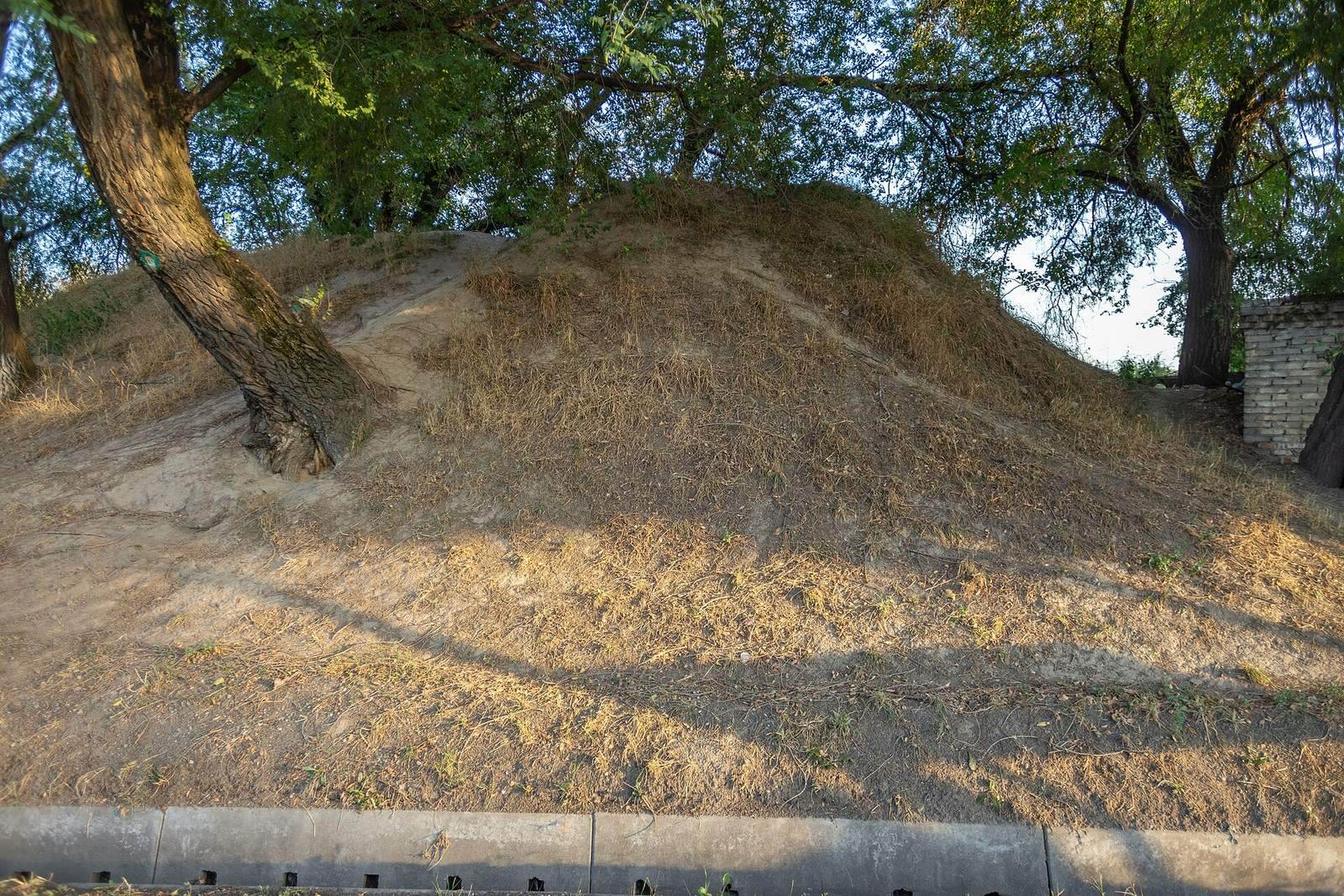
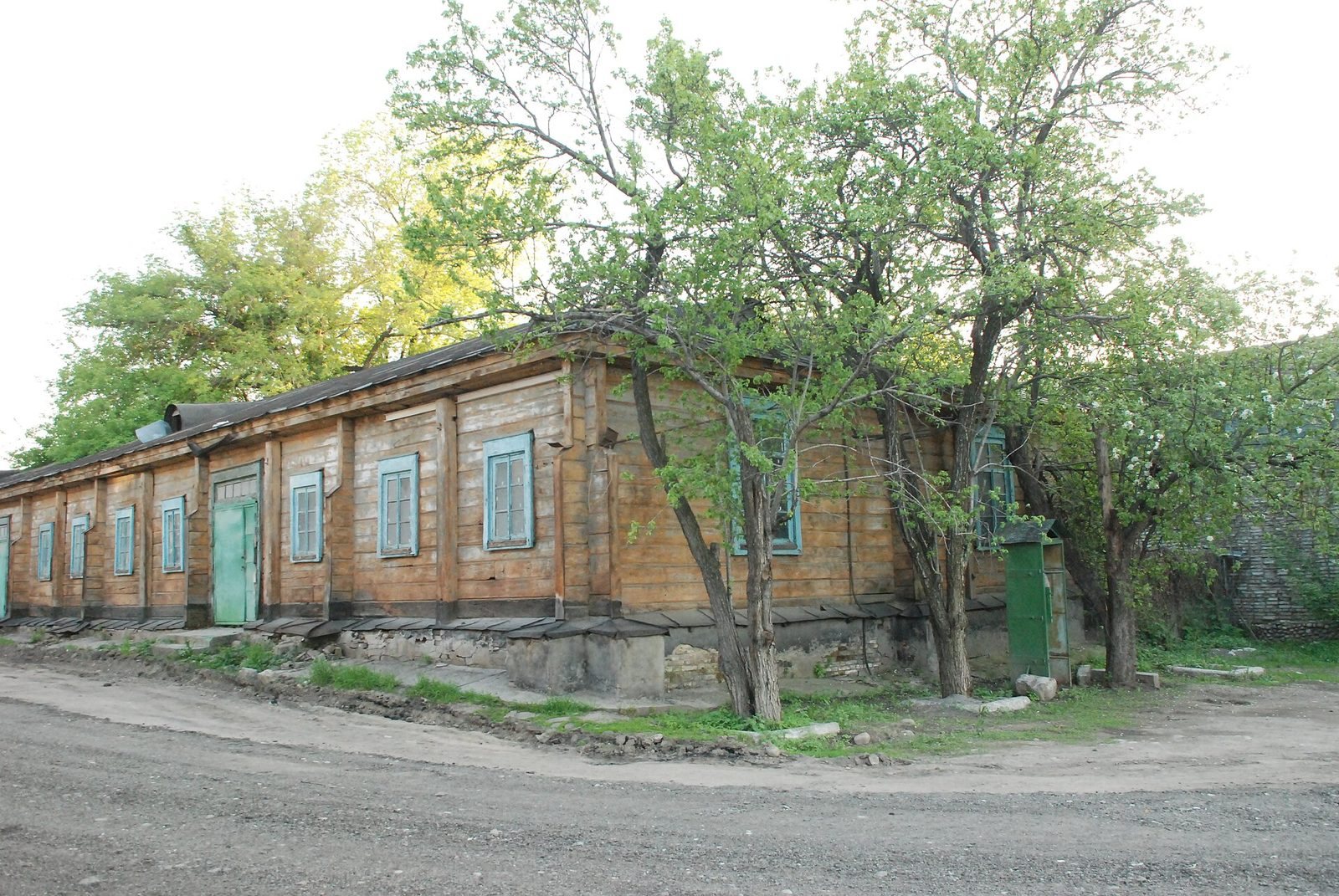
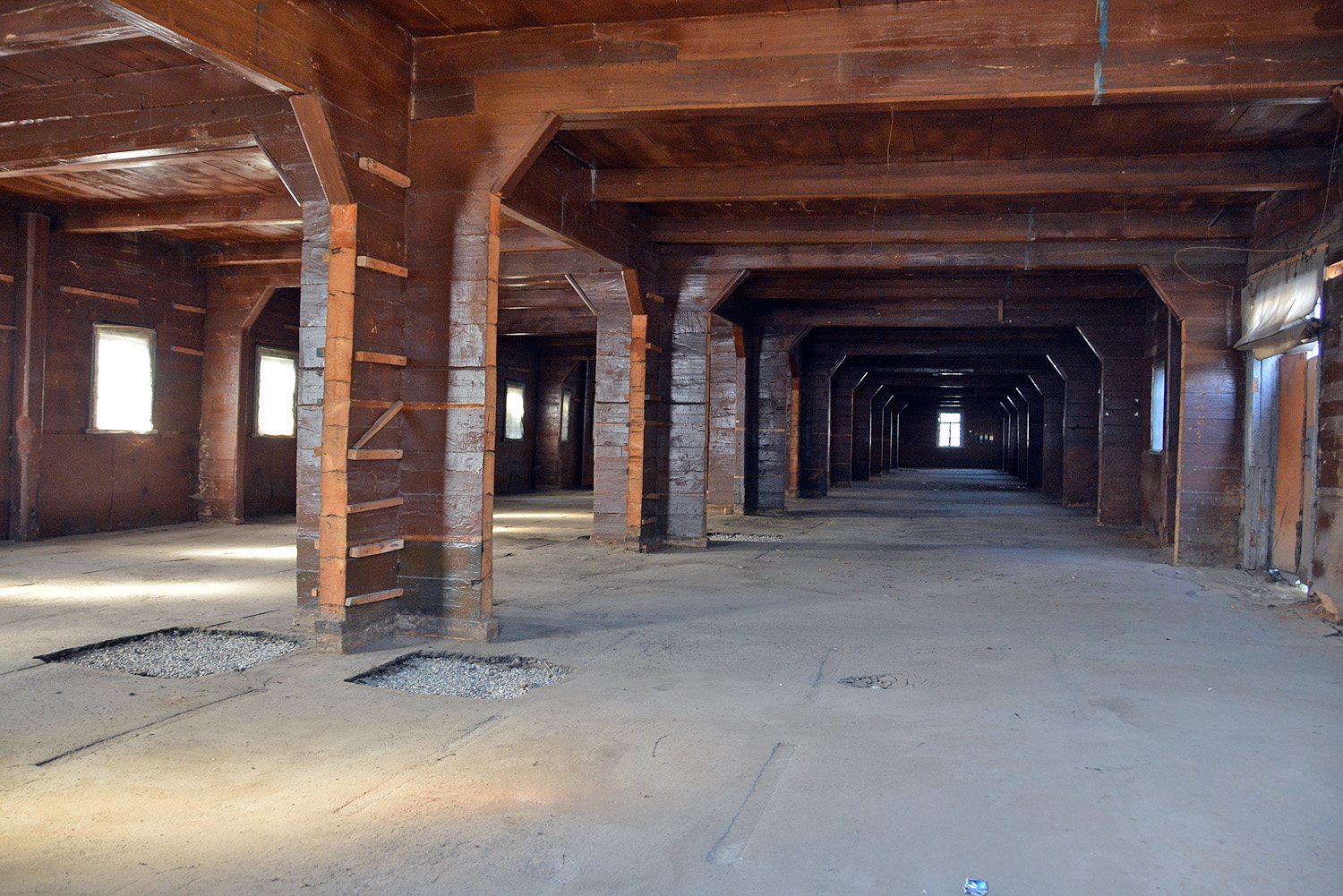
Four wooden buildings from the nineteenth and twentieth centuries survive. They include barrack buildings, a former storage room and former fortress storehouses, one of which lies outside the protected complex. Nineteen buildings were still present in 1927. Near the entrance on the north side is an earth mound whose origin is uncertain: it may be part of the original earthen rampart or construction debris covered with soil.
By 2018, most of the former fortress grounds were in ruins and were being used for rubbish dumping. Traces of ditches near the river, visible about a decade earlier, had disappeared by then.