Issyk Kurgan: A Saka Burial Monument in Kazakhstan
Site at a Glance
- Popularity
- High
- Country
- Kazakhstan
- Primary era
- Iron Age
- Eras represented
- Iron Age
- Civilizations
- Scythian
- Site type
- Burial
- Remains
- Burial Mound
On this page14 sections
History
Burial and discovery
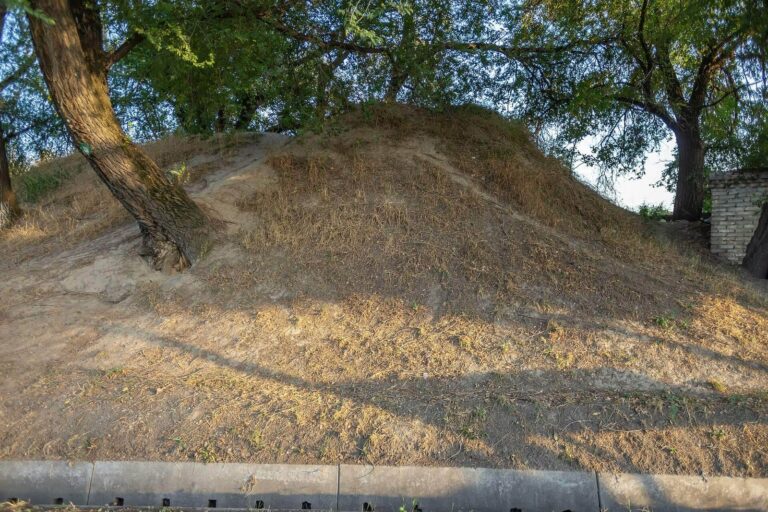
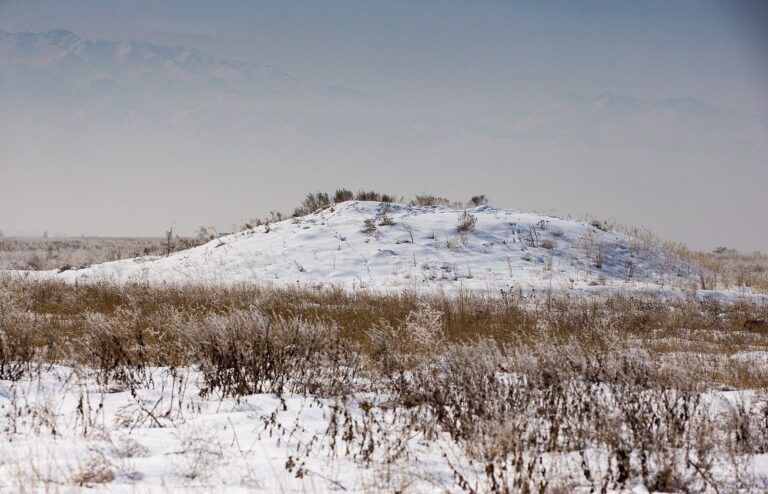
Issyk Kurgan is a Saka kurgan, or burial mound, at the Issyk burial ground in southeastern Kazakhstan, generally dated to around the fourth century BCE. The wider burial ground dates to the fifth–fourth centuries BCE. The Saka were ancient peoples of Central Asia associated with the broader Scythian cultural world.
The mound was discovered in 1969. From 1969 to 1970, the Zhetysu Archaeological Expedition investigated the burial ground under archaeologist Kemal Akishev, with B. Nurmukhanbetov and A. G. Maksimova among its members. The team excavated six large mounds. Finds from Issyk have helped scholars examine social rank among the Saka in Zhetysu, a historic region of southeastern Kazakhstan. The contrast between monumental royal graves and many smaller mounds has been interpreted as evidence that exceptional authority was reserved for a select few. Akishev argued that the Saka in what is now Kazakhstan had established a state.
Interpretations and legacy
The discoveries renewed scholarly debate about the origins and homeland of Eurasian animal-style art, a tradition of decoration using animal figures and motifs. The goldwork has also been recognized as a contribution to the world’s gold heritage. The richly adorned person from the burial is now known as the Golden Man. The figure became a national symbol of modern Kazakhstan: a likeness crowns Almaty’s Independence Monument, and the image has also appeared on the country’s presidential standard.
Remains
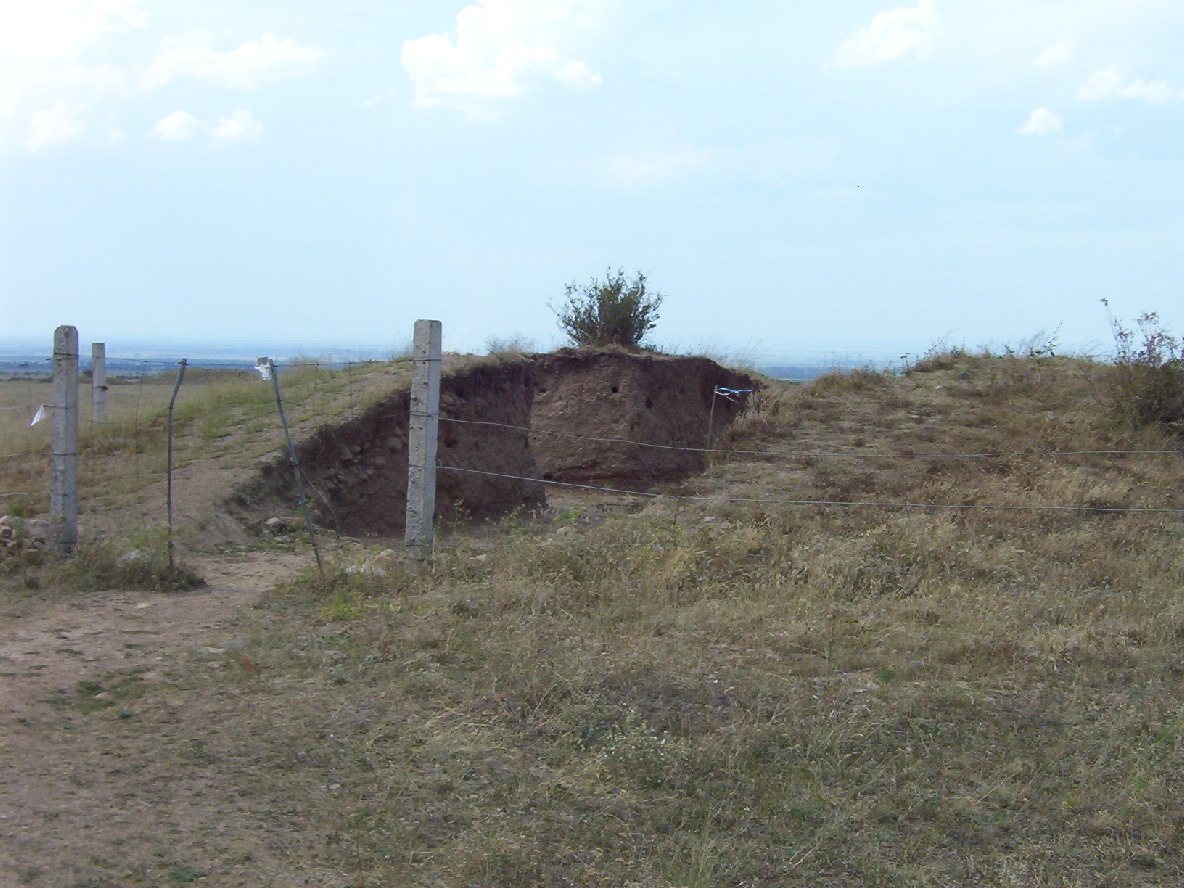
The burial ground covers about 3 km² along a north–south extent and comprises 45 earthen mounds. They range from 30 to 90 metres in diameter and from 4 to 15 metres in height. Issyk Kurgan lies in the cemetery’s western half and measures about 60 metres across and 6 metres high.
Issyk mound and burial
Burial chamber
The mound contained a central burial that had been looted and a side burial that remained intact. The side chamber was built from spruce logs, with the skeletal remains placed in its northern half. The person was estimated to have been 16 to 18 years old; their sex is uncertain. The rich burial has led to the interpretation that the person may have belonged to the Saka ruling elite.
Costume and grave goods
More than 4,000 objects were recovered from the burial, most made of gold. They include ornaments from clothing, a headdress and shoes, as well as an iron sword and dagger, a bronze mirror, and vessels of clay, metal and wood. Other finds include gold rings and small figures, an arrow with a gold tip, and a whip handle spirally wrapped in a broad gold ribbon. A bag beside the remains held another bronze mirror and red paint. The costume and headdress have been interpreted as signs of high status and sacred authority. The finds and a copy of the Golden Man are held in museums in Almaty and Astana.
Silver bowl
A silver bowl from the burial bears an inscription of 26 signs whose language and script remain undeciphered. János Harmatta proposed a reading in Khotanese Saka, a Saka language associated with Khotan, using Kharosthi, an ancient script used in parts of Central and South Asia. A 2023 analysis connected the inscription with Eastern Iranian languages, a branch of the Iranian languages. Altay Amanjolov proposed a Proto-Turkic reading in 1971.
Other excavated mounds
Rectangular double burial
Excavation of another large mound revealed two people buried together in a large rectangular chamber. Both were laid with their heads toward the west. Finds from the burial included an iron pin and numerous gold appliqués.
Stone-and-earth mound
A further mound measured 58 metres across and 4.5 metres high. Its construction alternated layers of stone and earth, and its burial had been looted. The chamber measured 5.1 by 2.3 metres and was 1.8 metres deep. Finds from the partly damaged chamber included thin gold appliqués, a silver earring, pottery vessels and a cast-bronze ritual vessel. Rare in Zhetysu, the vessel had a low conical base and shallow bowl; such vessels were used to burn fragrant substances during Saka rites.
Animal imagery and craft
Animal-form gold pieces
Gold objects from the burial ground depict an elk, a horse, a tiger’s head, a flying elk with a griffin, and a leopard with a mountain. The elk, horse, tiger’s head and flying-elk pieces date to the fifth–fourth centuries BCE; the leopard-and-mountain piece dates to the fourth–third centuries BCE. The Issyk headdress includes winged, horned horses, one shown with large mountain-goat horns. These images have been interpreted as joining solar symbolism, since horses could represent the sun in the beliefs of many peoples, with a clan totem. Their symbolism has also been compared with finds from the Pazyryk culture, an ancient culture known from burials in the Altai region.
Materials and techniques
The objects demonstrate work in metal, wood, precious stones, leather and woven fabric. Artisans used casting, stamping, patterned decoration, three-dimensional sculpture, raised and recessed relief, and flat silhouette imagery. They also combined different metals and joined metal with wood, or leather with fabric.