Velké Heraltice Castle: A Medieval Castle Rebuilt as a Baroque Château


Site at a Glance
- Rating
- 4.3
- Popularity
- Very Low
- Country
- Czechia
- Primary era
- Early Modern
- External website
- Open
- Eras represented
- Medieval, Early Modern
- Civilizations
- Habsburg, Holy Roman Empire
- Site type
- Domestic
- Remains
- Castle
On this page7 sections
History
Medieval origins
Velké Heraltice Castle is a former medieval castle in Czechia, probably built between 1255 and 1265 by the nobleman Vojslav of Lublic. A charter dated 2 February 1265 is the first record of Vojslav using the name Heraltice, linking him to the castle’s early history.
Baroque rebuilding
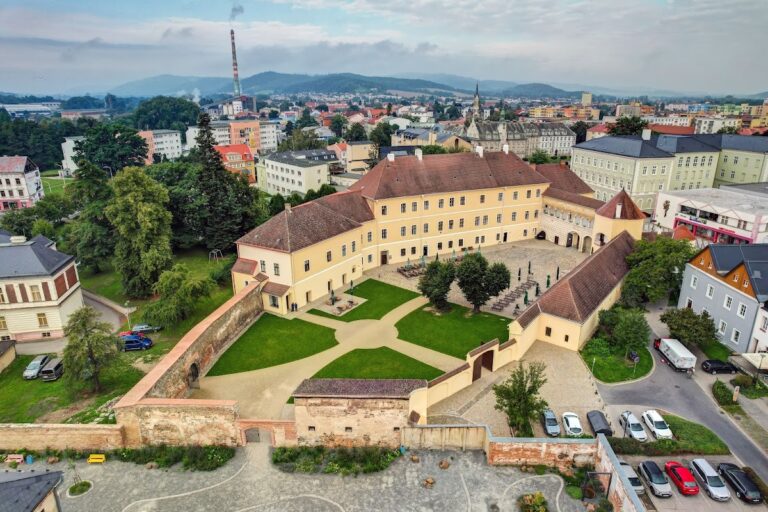
In 1668, Count Jiří Štěpán Bruntálský of Vrbno purchased the castle and the entire Heraltice estate. During the 1670s, the complex was rebuilt as a Baroque château, an early-modern architectural style known for theatrical spatial arrangements, elaborate decoration, sculptural ornament, and stucco work. The reconstruction was directed by Lorenc Nicolo, an Italian builder who had settled in Opava, but Count Jiří Štěpán died before the work was finished. Andreas Anrath, a sculptor and stucco artist, contributed to the interior furnishings, especially those of the castle chapel.
Velké Heraltice Castle has been protected as a cultural monument of the Czech Republic since 15 April 1964 under registration number 20745/8-1505. The Moravian-Silesian Region owns the complex, which is used by a secondary school, a children’s home, and a school dining facility.
Remains
The complex at Velké Heraltice in the Opava District of the Moravian-Silesian Region combines surviving medieval fabric with the later Baroque rebuilding. The castle stands on Opavská Street, and its physical character is defined by the medieval cylindrical tower together with Baroque interiors, particularly those associated with the chapel.
Castle fabric and interiors
Medieval cylindrical tower
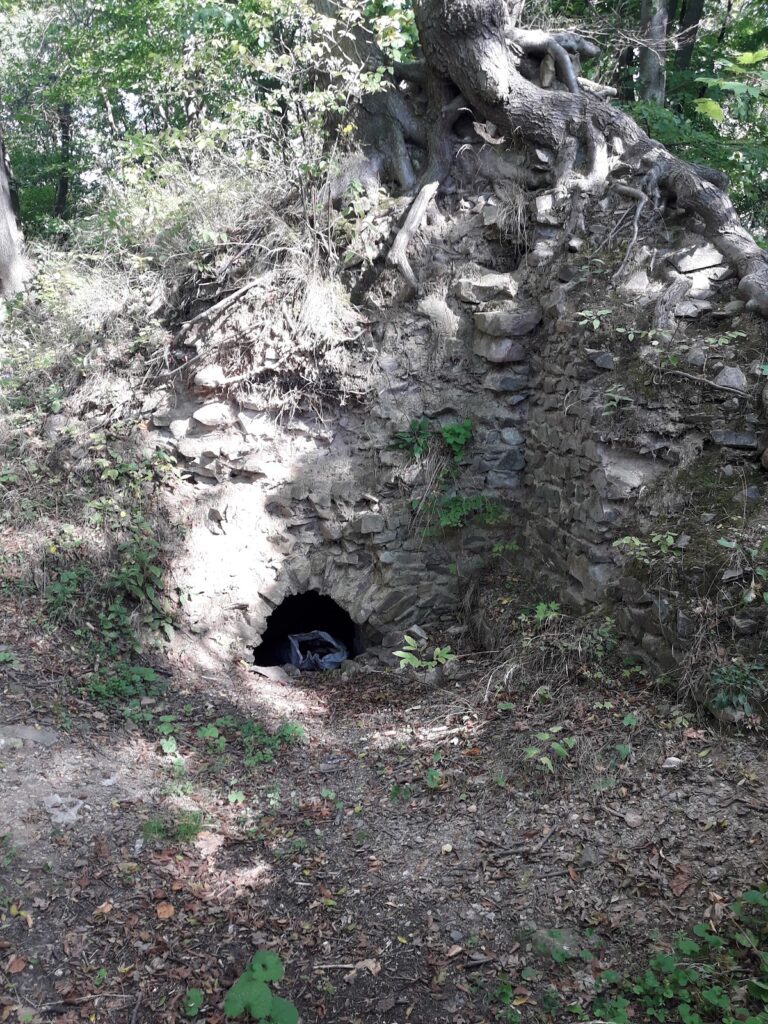
A massive cylindrical tower from the medieval castle survives within the complex. Its construction was influenced by nearby Cvilín Castle, a medieval fortified site, and the builder who worked on Cvilín Castle may also have contributed to this tower. The tower provides a surviving element of the earlier castle within the later Baroque château.
Baroque chapel furnishings
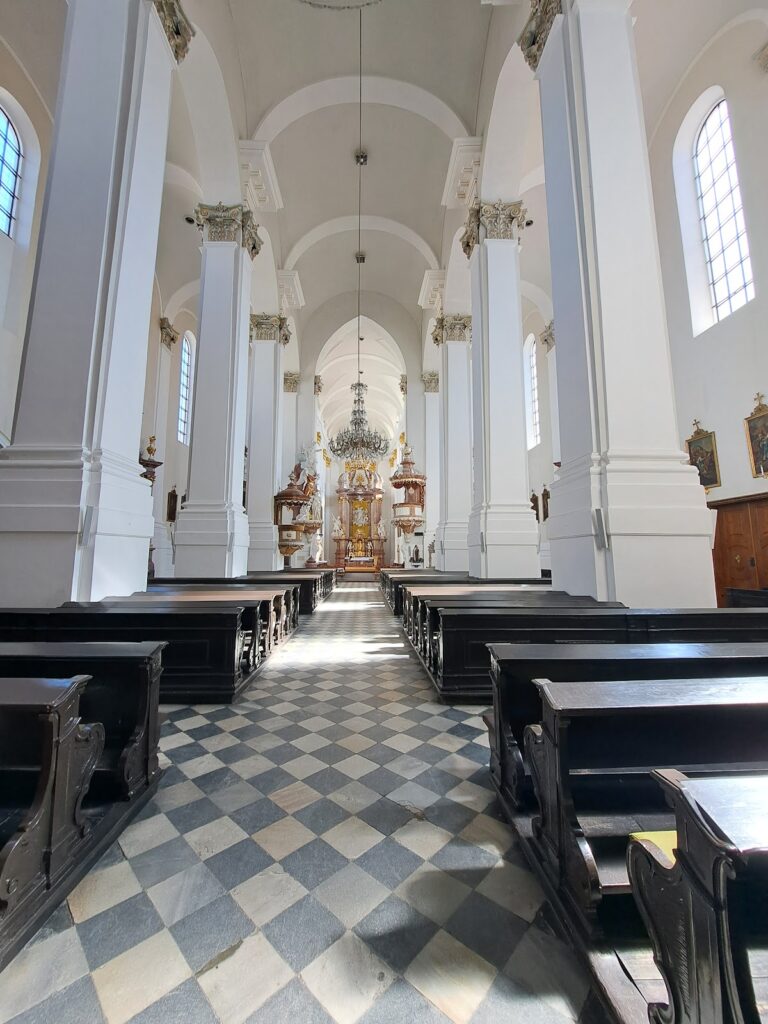
The Baroque rebuilding included the castle’s interior furnishings. Andreas Anrath made a particular contribution to the furnishings of the castle chapel, using stucco, a moldable plaster material used for architectural ornament and sculptural interior decoration.
Nearby sites