Velké Březno Castle: A Nineteenth-Century Aristocratic Residence
Site at a Glance
- Popularity
- Medium
- Country
- Czechia
- Primary era
- Modern
- Eras represented
- Modern
- Civilizations
- Austria-Hungary, Austrian Empire, Habsburg, Holy Roman Empire, Kingdom of Bohemia
- Site type
- Domestic
- Remains
- Castle
On this page8 sections
History
Construction and Karl Chotek
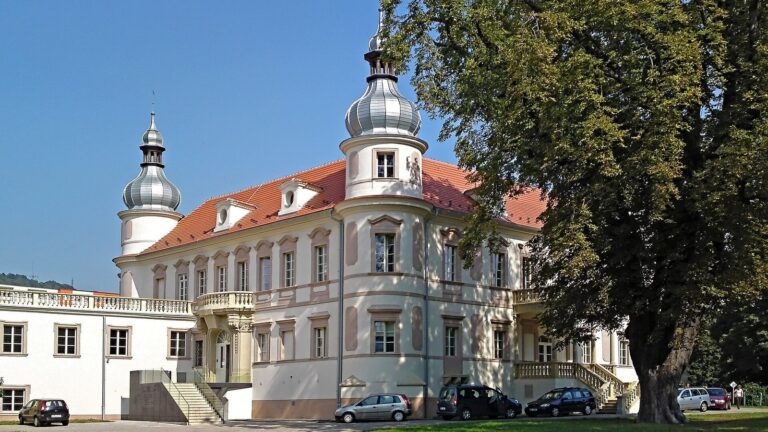
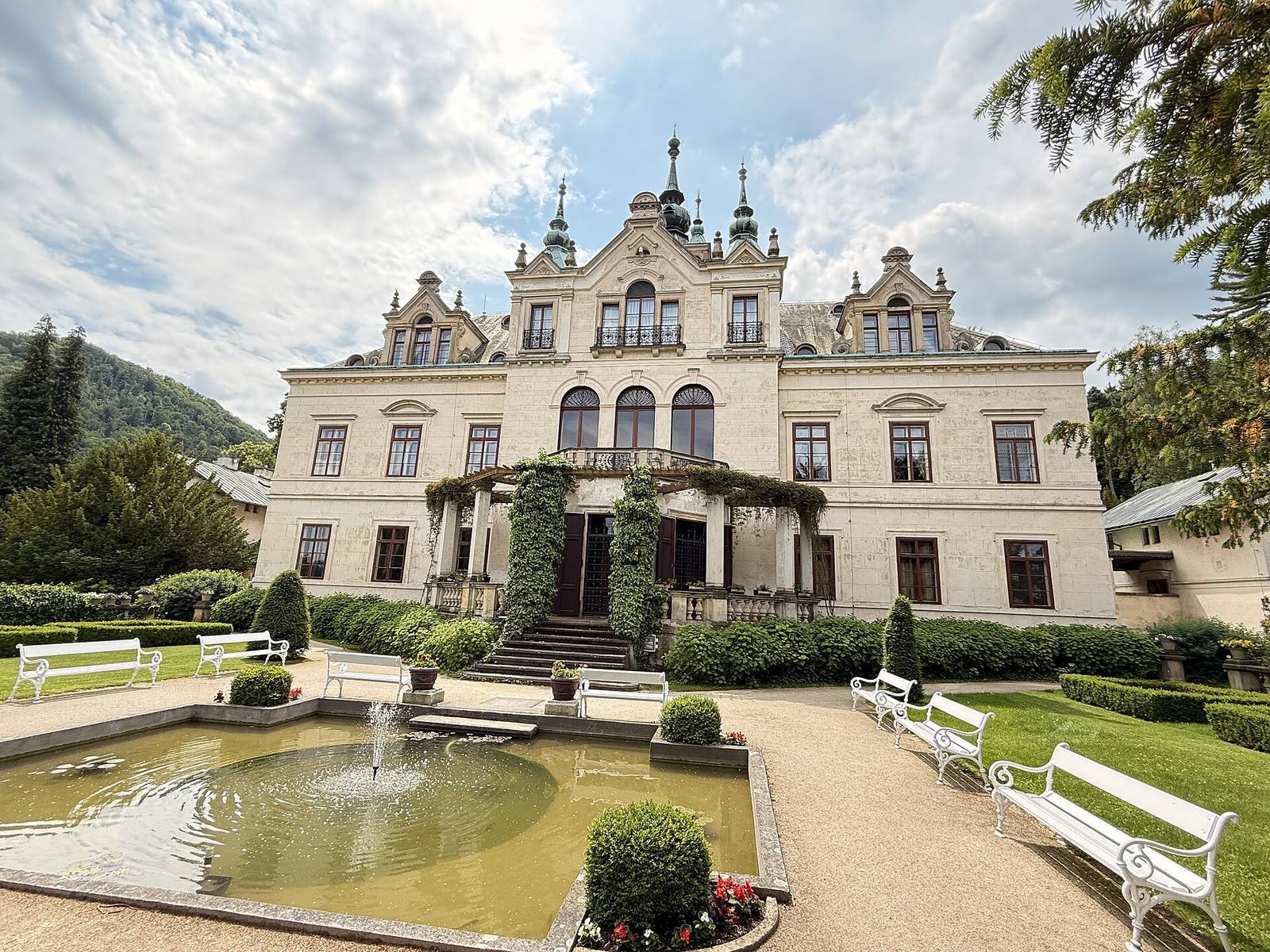
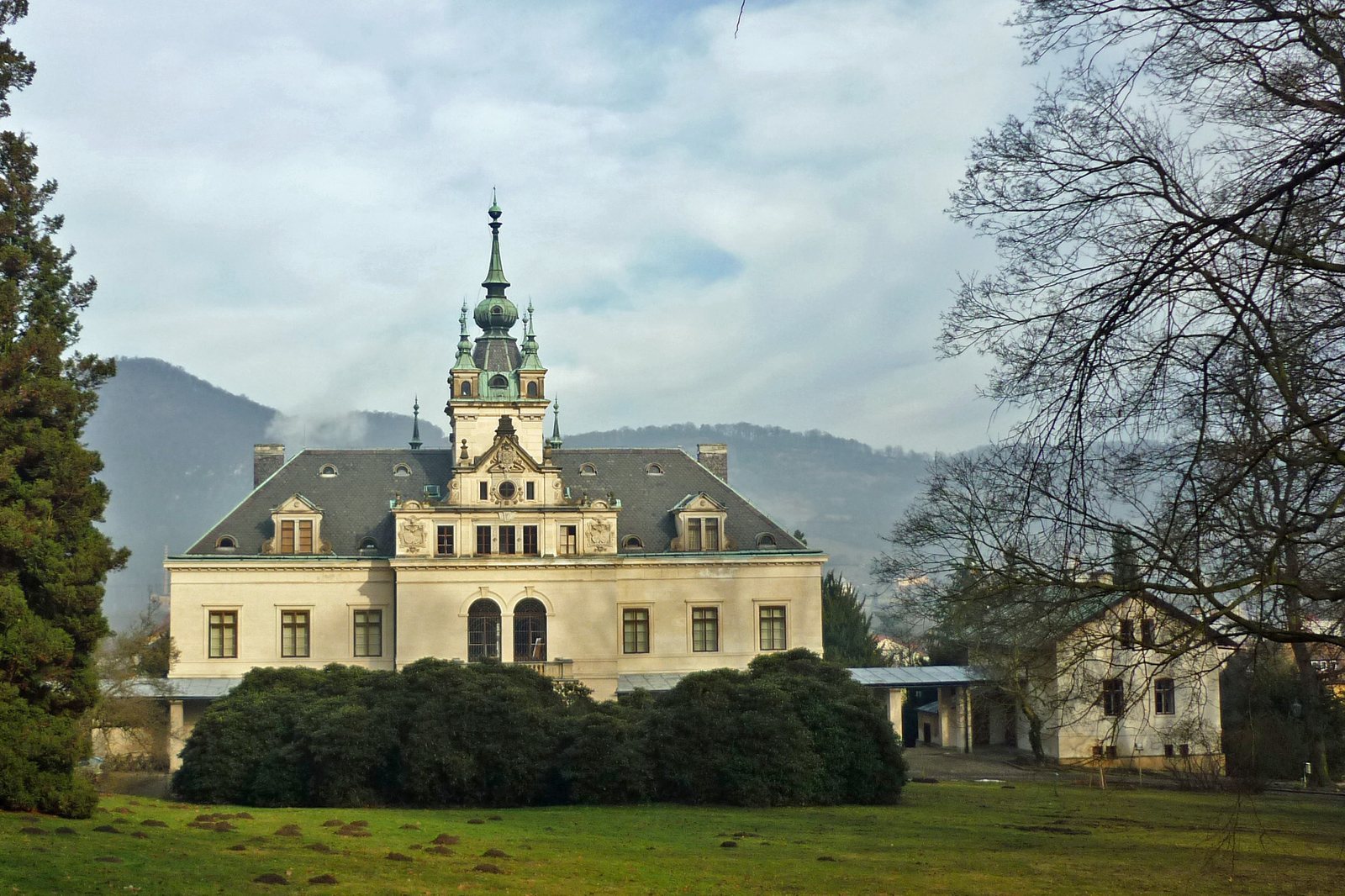
Velké Březno Castle is an aristocratic residence in Velké Březno, Czechia. Built from 1842 to 1854 for Count Karl Chotek von Chotkow und Wognin, it follows the Empire style, an early nineteenth-century style associated with the Napoleonic era. Chotek held the office of Supreme Burgrave, the senior administrative position in the Kingdom of Bohemia, and used the relatively small castle as his retirement home from 1843. It is a typical small aristocratic residence and among the latest feudal structures built in Bohemia.
Inheritance and later use
After Chotek died in 1868, the castle passed to his son, Count Karl Chotek von Chotkow (1822–1883). The younger Chotek commissioned a redesign. His daughter Adelaide, known as Ada, inherited the estate, but financial difficulties prevented her from carrying out the planned work.
In 1919, Czechoslovakia’s land reform expropriated Ada, while legislation abolished nobility. She entered a convent as a nun. The old castle later served for an extended period as a residential home for older people. It survived the Second World War undamaged and now houses a museum about the Chotek family. Its exhibition includes Sophie Chotek von Chotkowa, Duchess of Hohenberg, who was killed in 1914 alongside her husband, Archduke Franz Ferdinand of Austria-Este, heir to the Austro-Hungarian throne.
Remains
The castle stands on a ridge above the Elbe valley, and the estate also includes a landscape park. The original building has a later architectural treatment in its central section, while the old castle lies toward the Elbe floodplain.
Buildings and grounds
Main castle
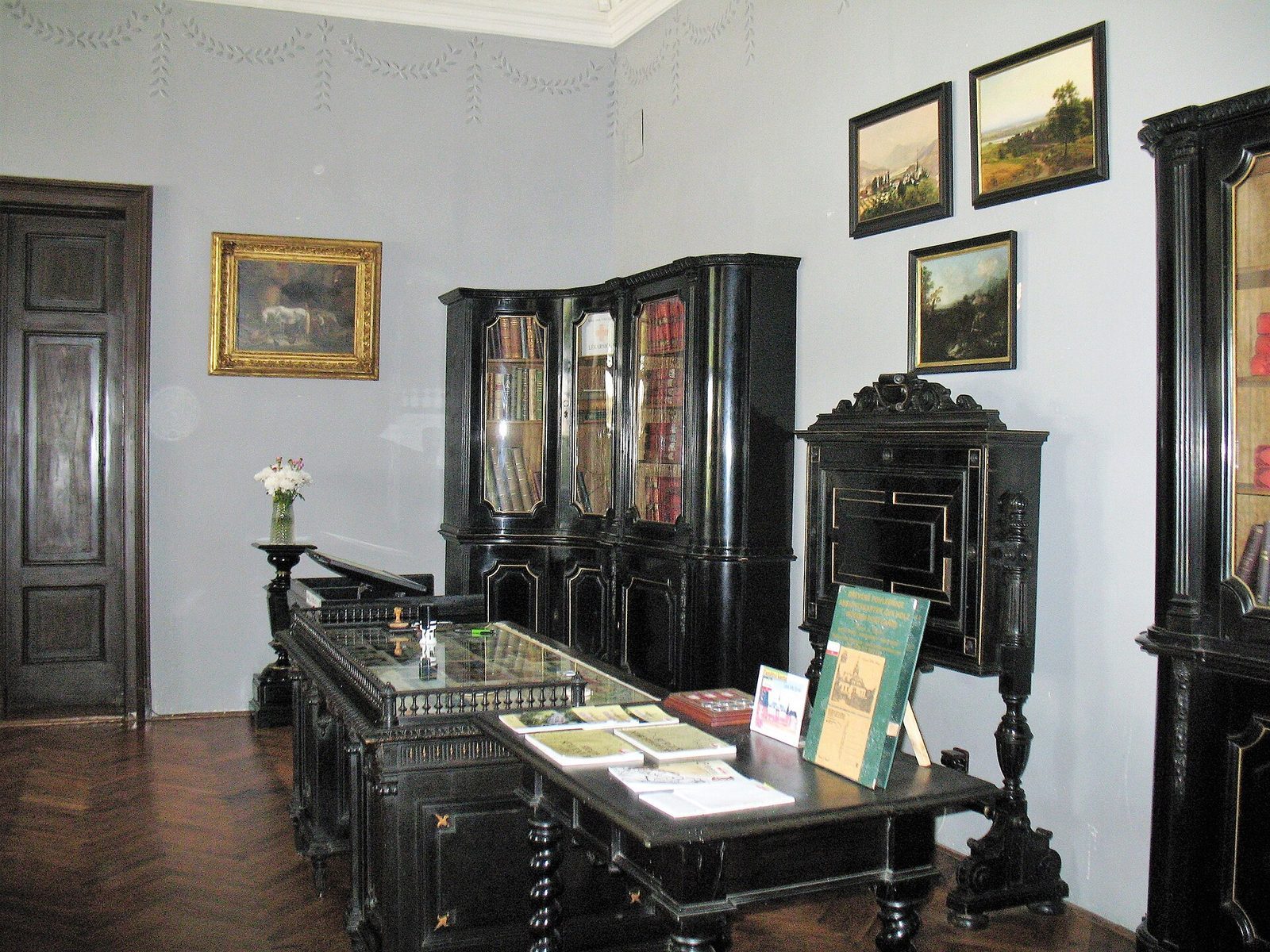
The original building is in the Empire style. Remodeling gave only its central section a Neo-Renaissance appearance, a revival of forms associated with Renaissance buildings. Much of the interior furnishing survives.
Old castle
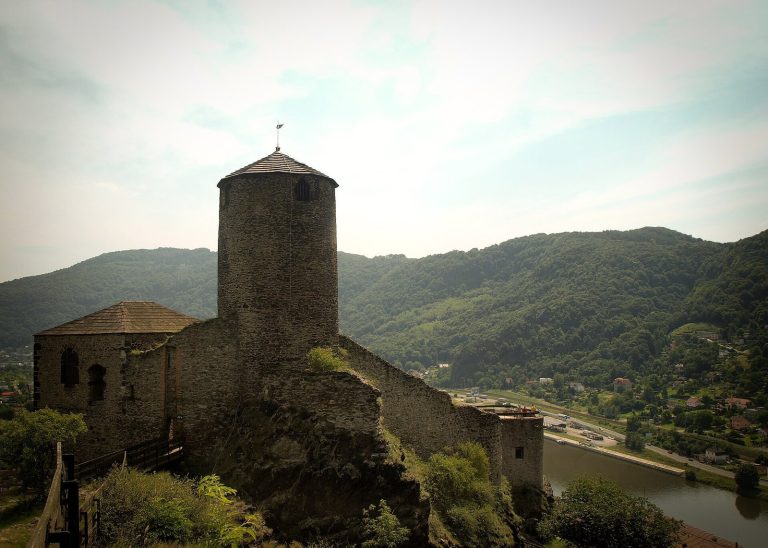
Toward the Elbe floodplain, the old castle has a mansard roof and a small roof turret.
Park and arboretum
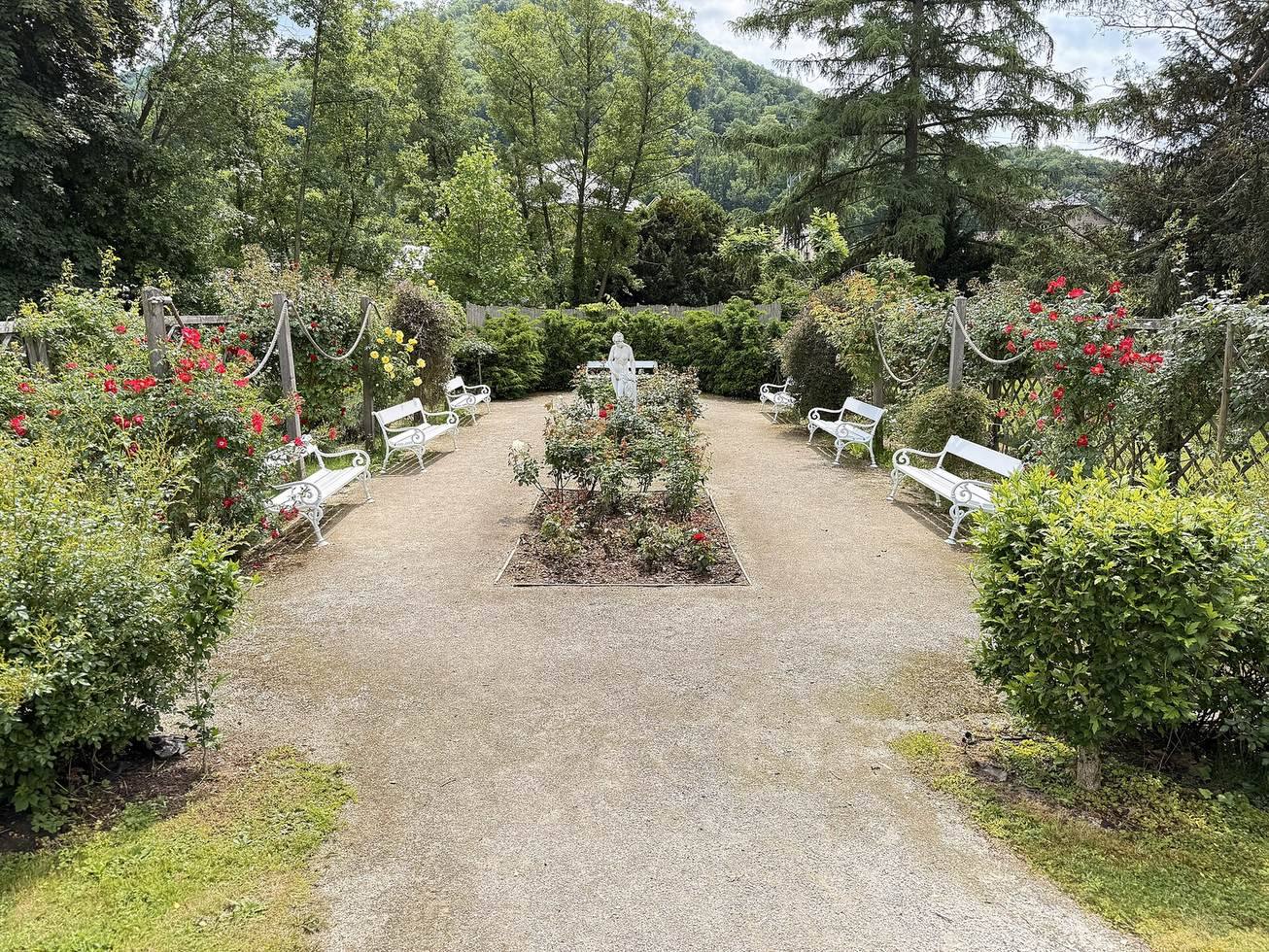
The estate’s landscape park contains an arboretum, a collection of trees cultivated for study or display, with valuable tree species.