Vasota Fort: A Historic Stronghold in Maharashtra
Site at a Glance
- Rating
- 4.8
- Popularity
- Medium
- Country
- India
- Primary era
- Medieval
- Eras represented
- Medieval
- Civilizations
- Unclassified
- Site type
- Military
- Remains
- Fort
On this page6 sections
History
Vasota Fort is a stone fort near Bamnoli village in Satara district, Maharashtra, India. Its origins are attributed to Bhoja II, a chief of the Shilaharas, a medieval ruling dynasty in western India, associated with Panhala and dated to 1178–1193. The fort later served chiefly as a prison and became part of the Maratha Empire in 1655.
Early control and prison use
During the 16th century, the fort remained under Maratha, Shirke, and More control. The Shirkes and Mores were regional family and clan lineages. The fort was used mostly as a prison.
Maratha rule and British attack
In 1655, Shivaji, the 17th-century Maratha ruler, incorporated the fort during his conquest of Javli. He is said to have renamed it Vyaghragad, meaning “Tiger Fort,” because of its difficult natural defenses. Tai Telin, identified as the mistress of Pant Pratinidhi, the fort commander, defended it after he was captured.
In 1818, British forces bombarded Vasota with heavy artillery and looted property valued at 500,000. The fort is now protected as a natural reserve.
Remains
Setting and surviving structures
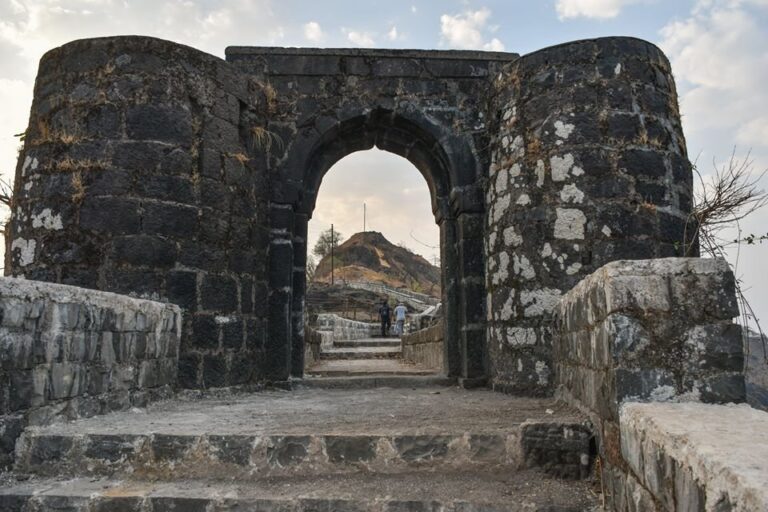
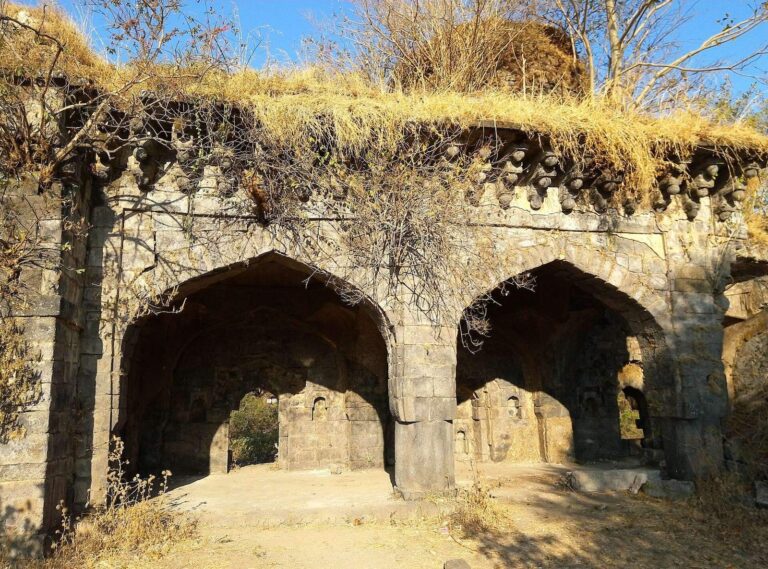
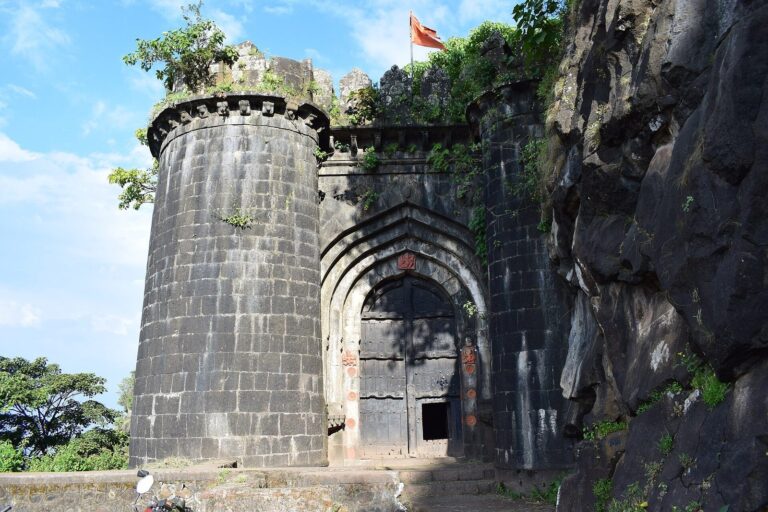
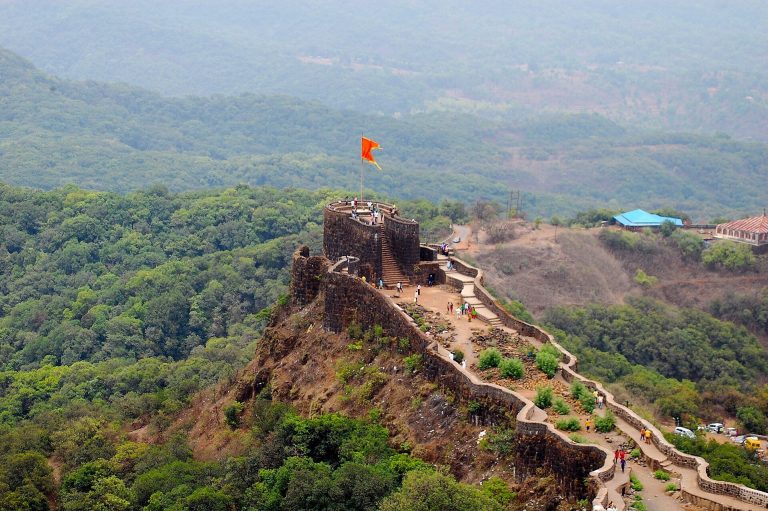
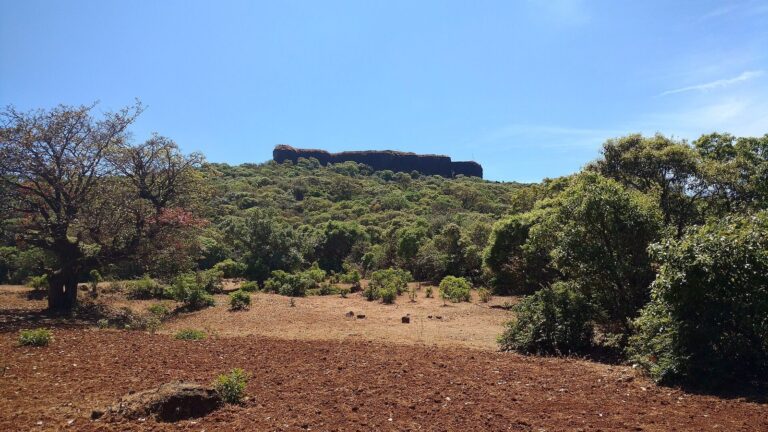
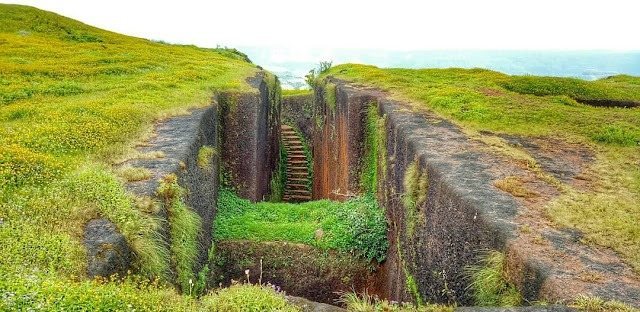
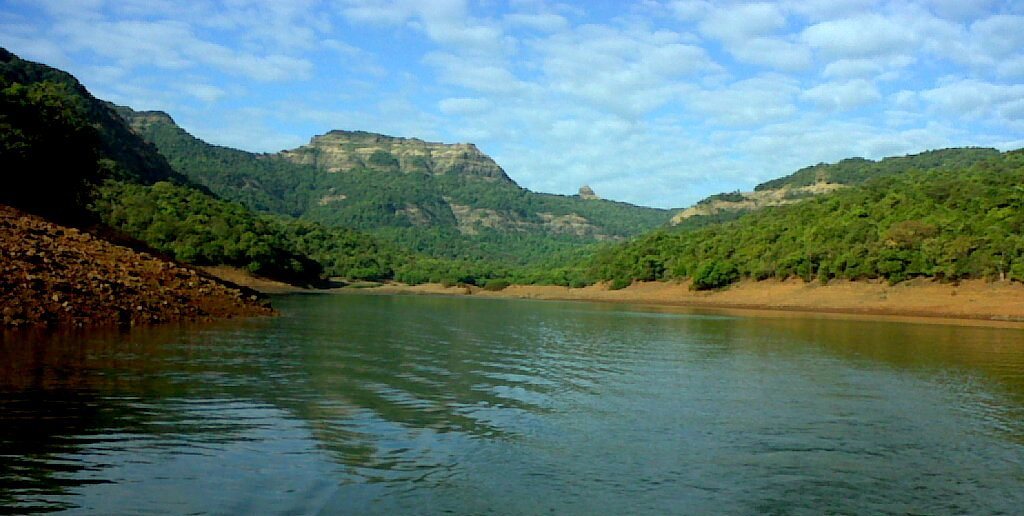
Vasota stands near Bamnoli village, on the banks of Shivsagar Lake, at a stated elevation of 3,814 feet. Built of stone, the fort is now dilapidated and overgrown. The remains include a Mahadev temple, dedicated to Shiva, and the plinth of a large sadar, or discussion place.
Buildings destroyed in 1818
The Chandika temple, dedicated to Chandika, a form of the goddess Devi, and the gunpowder storehouse were among the structures destroyed in the 1818 bombardment.