Valide Sultan Mosque: An Ottoman Mosque in Rethymno
Site at a Glance
- Rating
- 3
- Popularity
- Very Low
- Country
- Greece
- Primary era
- Early Modern
- External website
- Open
- Eras represented
- Early Modern, Modern
- Civilizations
- Ottoman
- Site type
- Religious
- Remains
- Mosque
On this page8 sections
History
Foundation and Ottoman-era connections
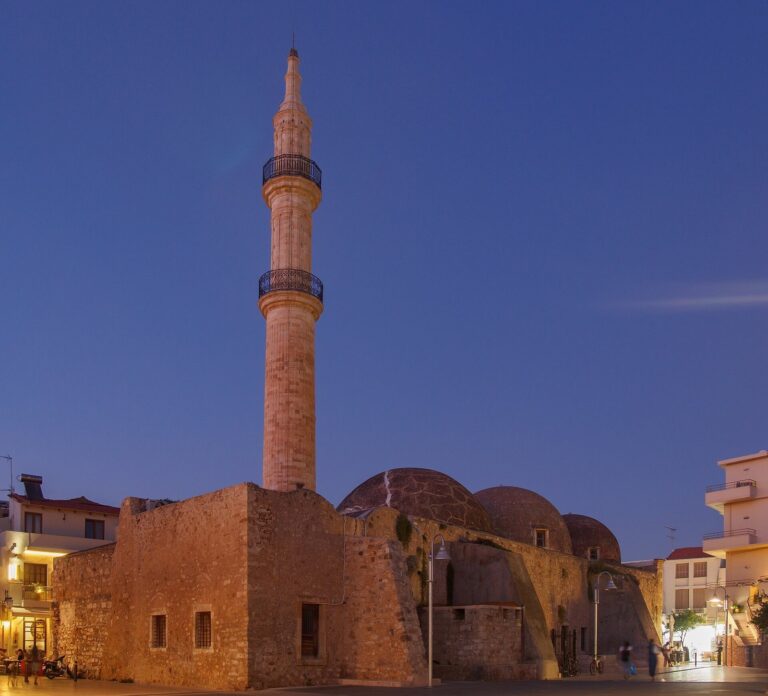
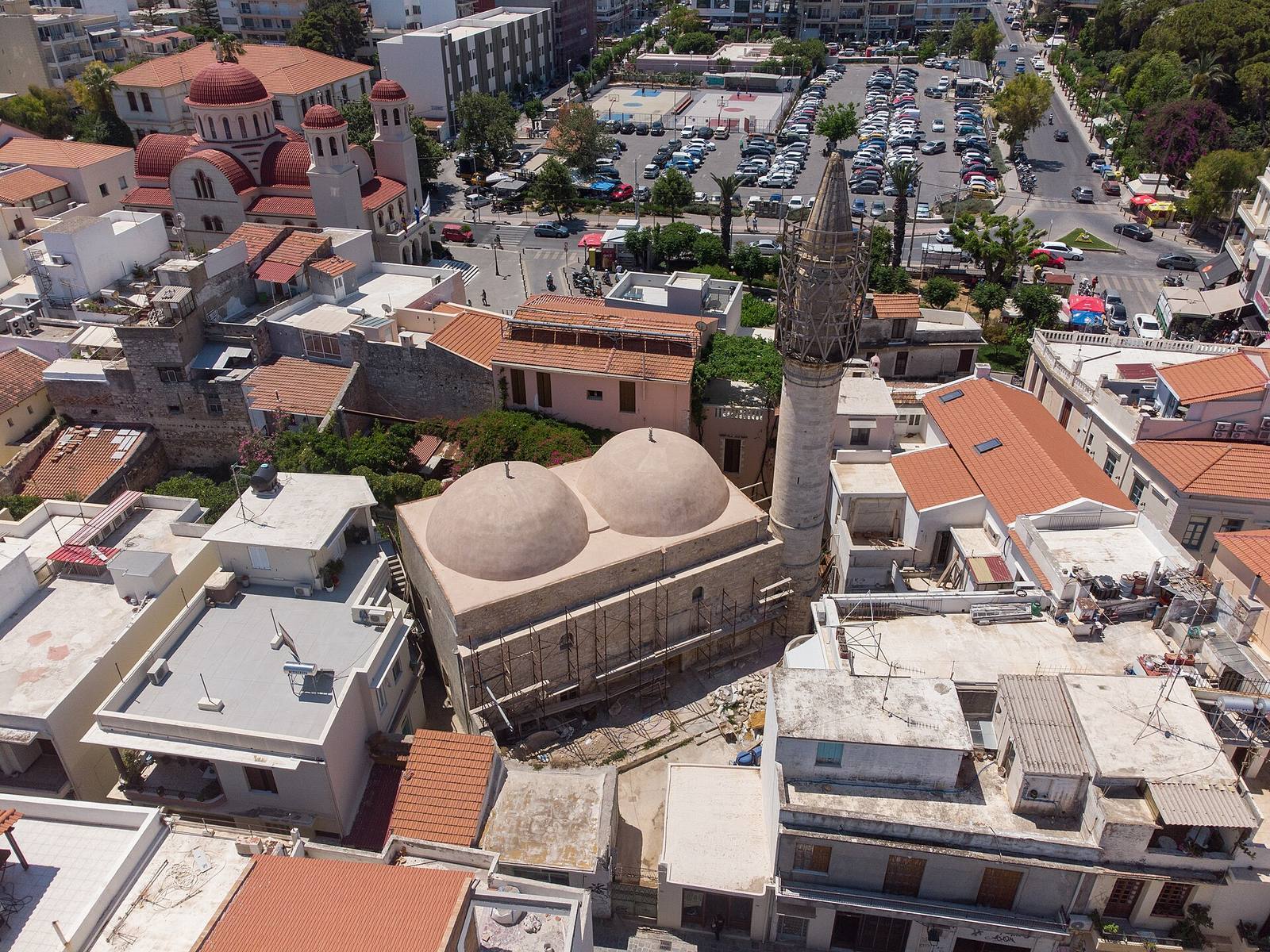
The Valide Sultan Mosque is a former Ottoman mosque in Rethymno, on Crete in Greece, built around the 1650s shortly after the Ottoman conquest of the town. It was dedicated to Turhan Sultan, mother of Ottoman sultan Mehmed IV. Turhan held the title valide sultan, given to the mother of a reigning Ottoman ruler.
The earliest known reference to the mosque dates to 1654. A document from 1671 describes it as dependent on the Valide Sultan Mosque at Bahçe Kapısı in Constantinople, now Istanbul. Turhan Sultan also founded a school in Rethymno, whose building now houses the town’s first elementary school. Locally, the mosque was known as the Great Gate Mosque because it stood in the Great Gate district.
Community use and closure
The mosque served Rethymno’s Muslim population for centuries and was affiliated with Sunni Islam, one of the religion’s major branches. Its religious use ended after the 1923 population exchange between Greece and Turkey, which transferred populations between the two countries. By 1925, the mosque had been abandoned.
Remains
Building and associated features
Built of stone and brick, the former mosque has two domes and a minaret. Modern urban buildings surround it and prevent public access.
Prayer hall and mihrab
The mihrab (mosque prayer niche) is flanked by columns resting on two inverted Corinthian capitals, the ornamented tops of classical columns. Its semicircular arch bears a raised carving of an arbor and an inscription quoting verse 3:37 of the Qur’an, Islam’s sacred scripture. An inscription above the entrance records a renovation in 1816 by Hilmi Ibrahim Pasha, an Ottoman official.
Minaret
The minaret is built from regularly shaped stone, with a cylindrical shaft and a pyramid-like top. A plaque records that it was rebuilt by 1878 and names local resident Mehmet Agha Bolanakis as its benefactor. Agha was an Ottoman title used for prominent people.
Courtyard fountain
The former courtyard fountain is now inside a shop on Bosporus Street. It has nine small columns decorated with raised carvings of crescent moons and six-pointed stars.