Valeč Castle in the Karlovy Vary Region: A Castle Rebuilt Across Centuries
Site at a Glance
- Popularity
- High
- Country
- Czechia
- Primary era
- Modern
- Eras represented
- Medieval, Early Modern, Modern
- Civilizations
- Austria-Hungary, Habsburg, Habsburg Austria, Holy Roman Empire, Kingdom of Bohemia
- Site type
- Domestic
- Remains
- Castle
On this page5 sections
History
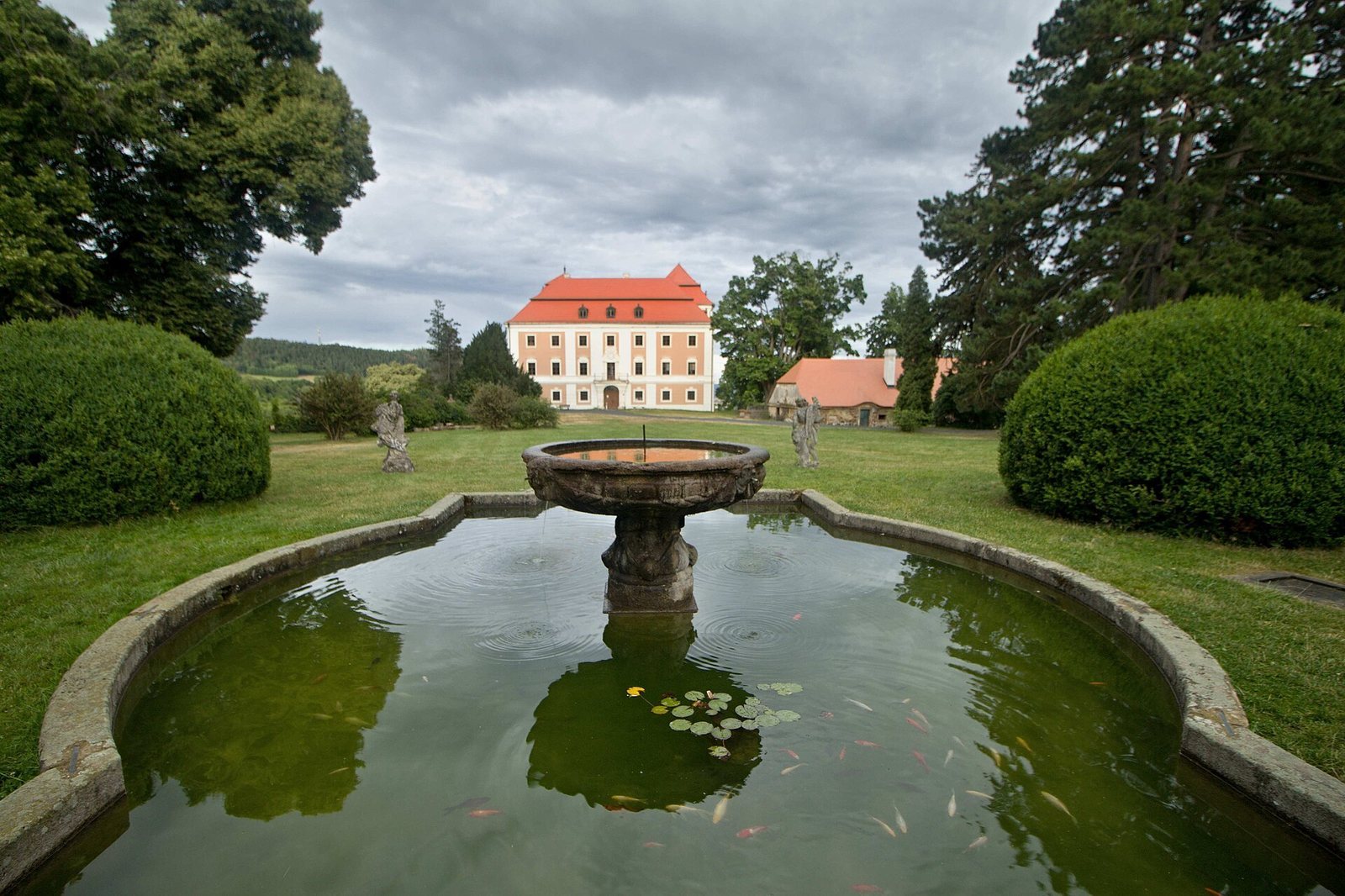
Valeč Castle in the Karlovy Vary Region, Czechia, was built in the fourteenth century and later reshaped through Gothic, Renaissance, Baroque, and revival-style phases.
Fourteenth-century origins and late Gothic rebuilding
The castle’s construction dates to the fourteenth century. Its first written mention, in 1358, concerns a manorial farm held by the brothers Ctibor and Beneš of Valč. The property later belonged to Jakub Kyšperski, a senior officer in the royal household, who owned it from 1480 to 1526 and rebuilt it in the late Gothic style. At his request, King Vladislaus II, ruler of Bohemia and Hungary, granted the town a charter in 1514. Kyšperski’s descendants later sold the estate to Hugon of Leisnig.
Renaissance and Baroque rebuilding
In 1538, the castle passed to Vilém Hasištejnský of Lobkowicz. Krzysztof Štampach purchased it in 1570, and his son Václav rebuilt the fortress in the late Renaissance style in 1585. Barbora Štampachová bought the castle back from the Imperial Chamber, an imperial body responsible for property and financial matters, in 1623.
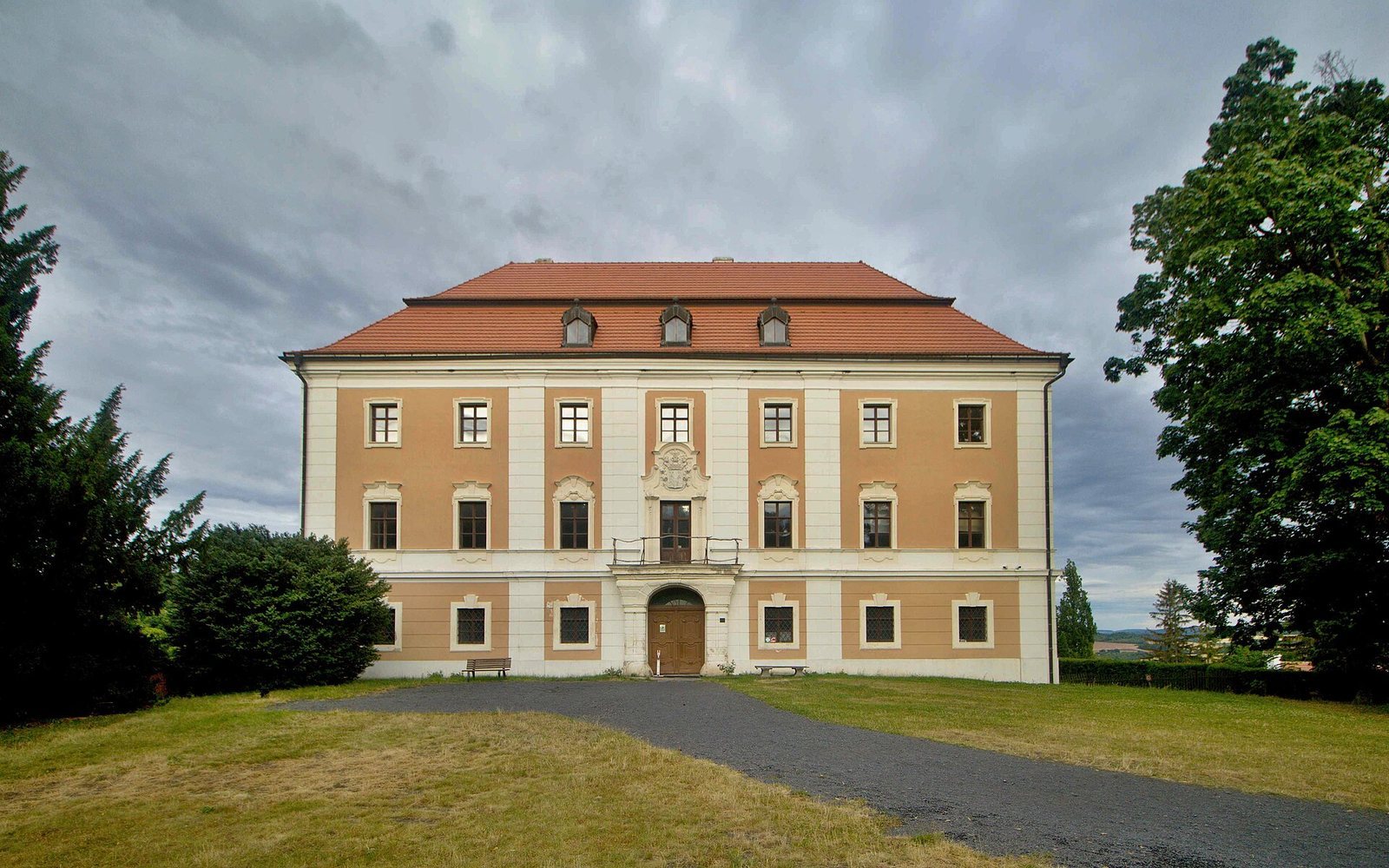
From 1694, the estate belonged to Barbora’s grandson Jan Krzysztof Kager, who died in 1721. He had the castle rebuilt in the Baroque style with contributions from prominent artists and architects. Artists from the workshop of Matthias Bernard Braun, a leading Baroque sculptor active in the Czech lands, created its distinctive decoration. The Italian Francesco Barelli oversaw the architectural treatment; Giovanni Antonio Bianno Rossa succeeded him and died in 1723.
Eighteenth- and nineteenth-century ownership
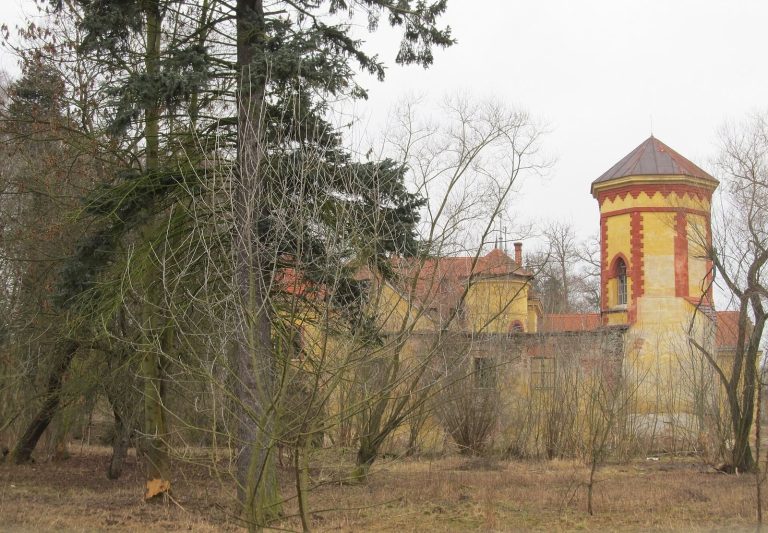
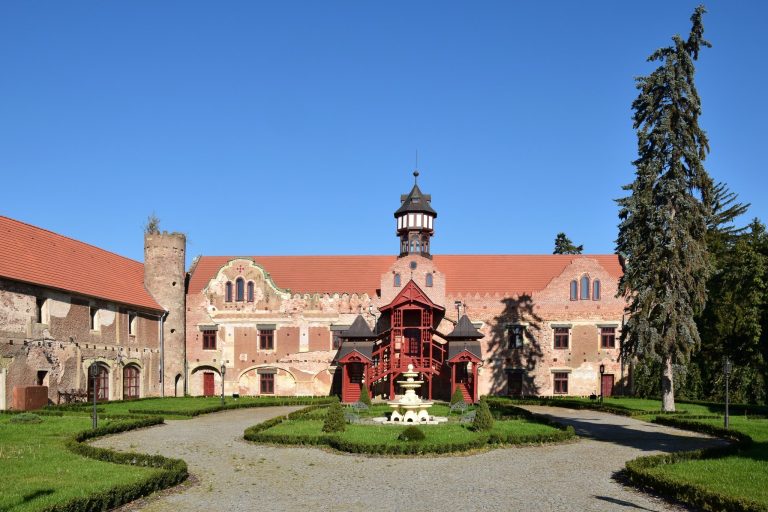
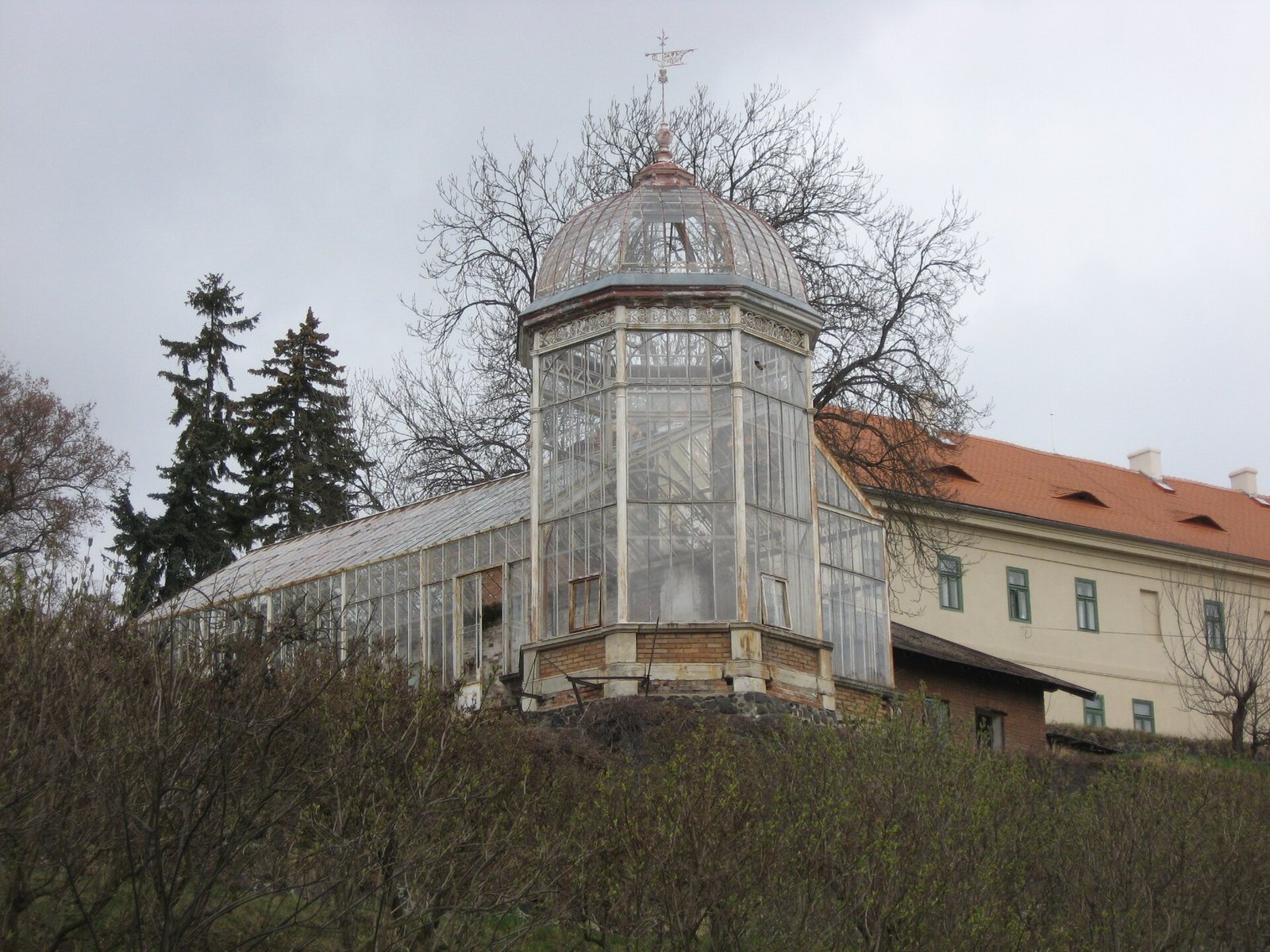
The estate passed in 1745 to Karel Josef Kager von Globen und Limburg-Styrum. It later went to his underage daughter Maria Józefa, who lived from 1758 to 1808 and sold it to Jan Anton von Pergen. Gottfried Johann Korb von Weidenheim owned the estate from 1798. From 1847 it belonged to his son Franz, and Franz’s son Karl Albert rebuilt the residence in the neo-Renaissance style. Karl Albert’s heirs sold the estate in 1890 to Count Vincent von Thurn-Valsassina, who remodelled the entire estate in the neo-Baroque style.
Remains
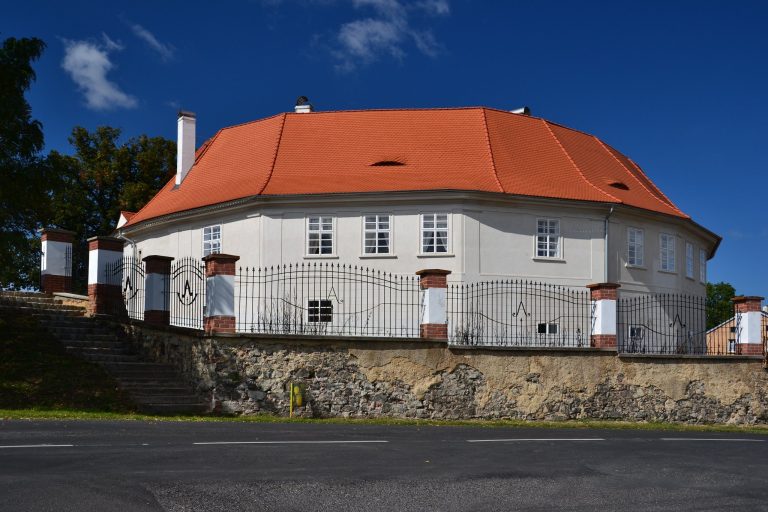
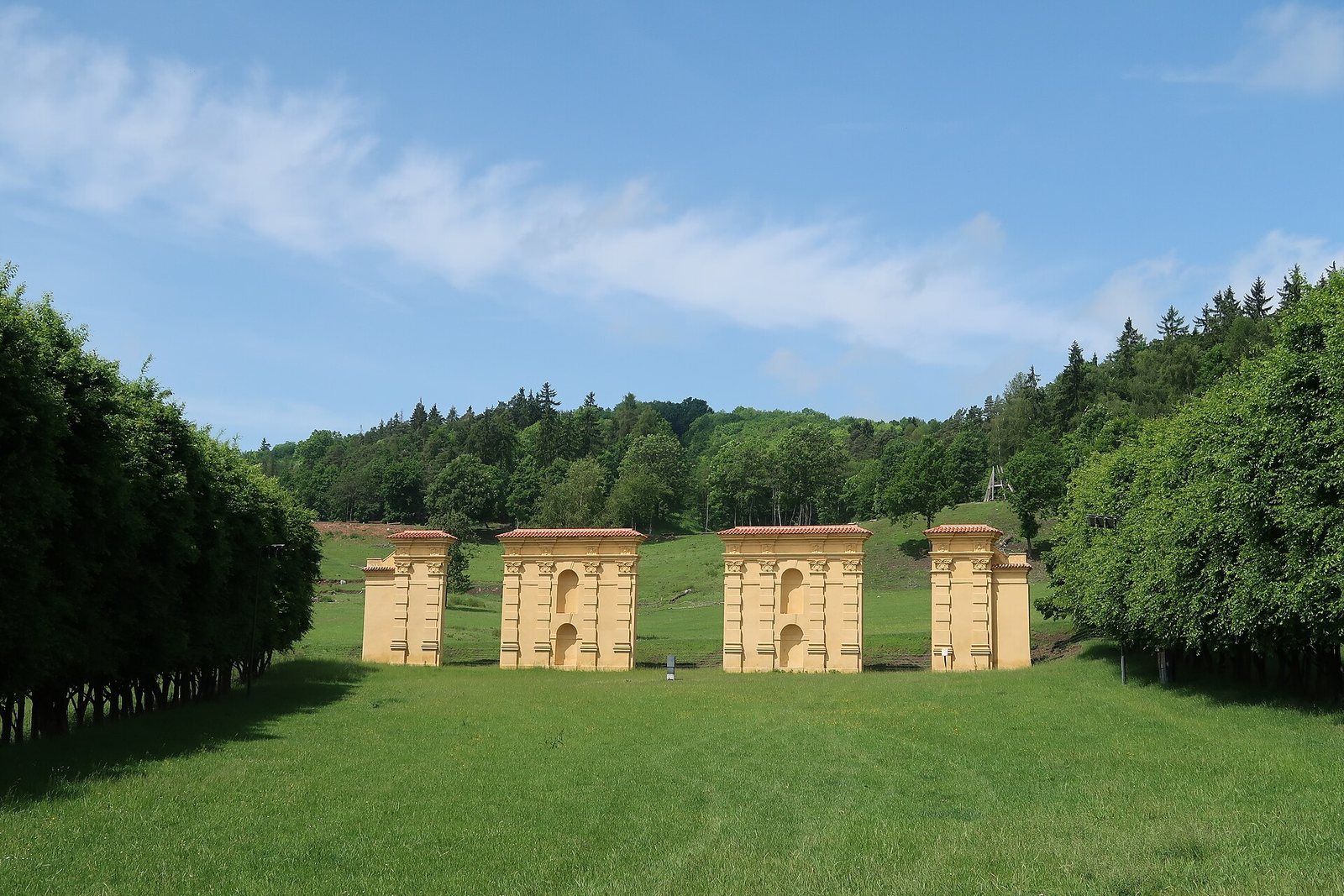
The castle occupies a terrace that slopes toward the town on its northern, eastern, and southern sides. Its architectural form reflects successive rebuilding campaigns.