Uskela Main Church: The Former Principal Parish Church of Uskela
Site at a Glance
- Rating
- 4.3
- Popularity
- Low
- Country
- Finland
- Primary era
- Early Modern
- Eras represented
- Early Modern
- Civilizations
- Swedish
- Site type
- Religious
- Remains
- Church
On this page5 sections
History
Early churches
Uskela Main Church was the principal parish church of Uskela, on the bank of the Uskela River in present-day Salo, Finland. The first church here was probably built in the 1210s or 1220s. Its final building, erected in 1749, was a wooden church with a cross-shaped plan.
By the late 13th or early 14th century, a larger church had probably replaced an earlier one. Churches at Uskela were renewed as buildings burned, decayed, or became too small.
Seventeenth-century rebuilding
The presumed medieval principal church burned in 1604 and was probably rebuilt in a similar form. A larger church followed in the 1660s, though its possible cross-shaped plan is uncertain. That building burned in 1670, and a replacement completed in 1672 is known to have had a cross-shaped plan.
Landslides repeatedly damaged the church, prompting repairs. Discontinuing its use was once proposed, and the building was abandoned in the 1740s.
The 1749 rebuilding and its aftermath
The church was rebuilt in 1749 to a design by Mats Sipilä, a carpenter at Turku Cathedral, who also directed the work. On 24 December 1825, a major landslide shifted the ground beneath the building. The church was later dismantled, and an account by Finnish writer Sakari Topelius in The Book of Our Land helped make the disaster widely known.
No new church was built on the old site. After the dismantling, Uskela’s former principal parish was joined to the Salo chapel parish, which became the new principal parish. A new church for Uskela was built in 1831 near the former Salo chapel church. That 16th-century stone chapel was demolished for its building materials.
Hiidentie, which passes the former church and rectory, is designated by the Finnish Heritage Agency as a nationally significant built cultural environment. It forms part of the old road between Salo and Pertteli. Together with the Häme Oxen Road, it has been considered part of a route from Häme to the Uskela River valley that may date to the Iron Age, when iron became widely used for tools and weapons.
Remains
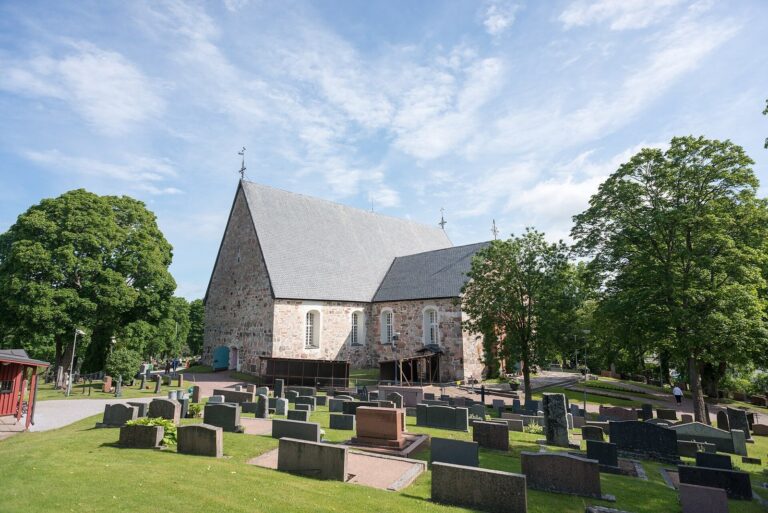
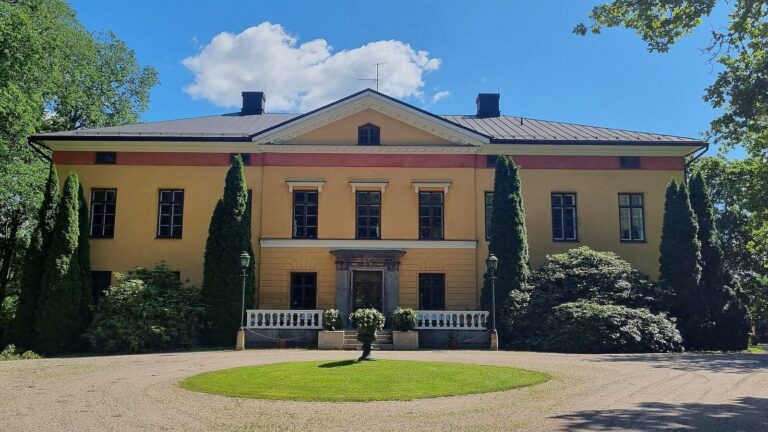
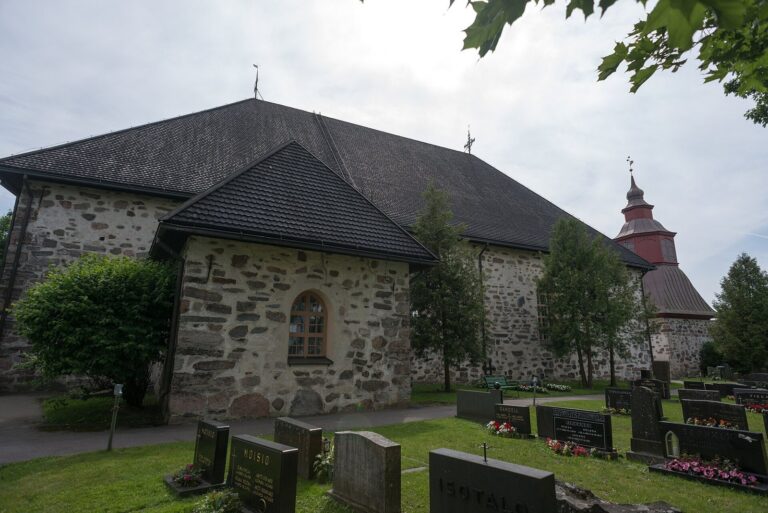
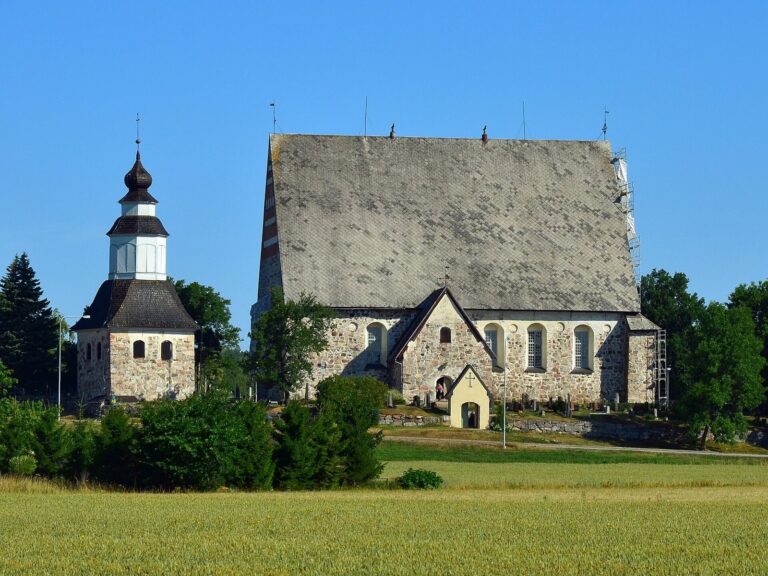
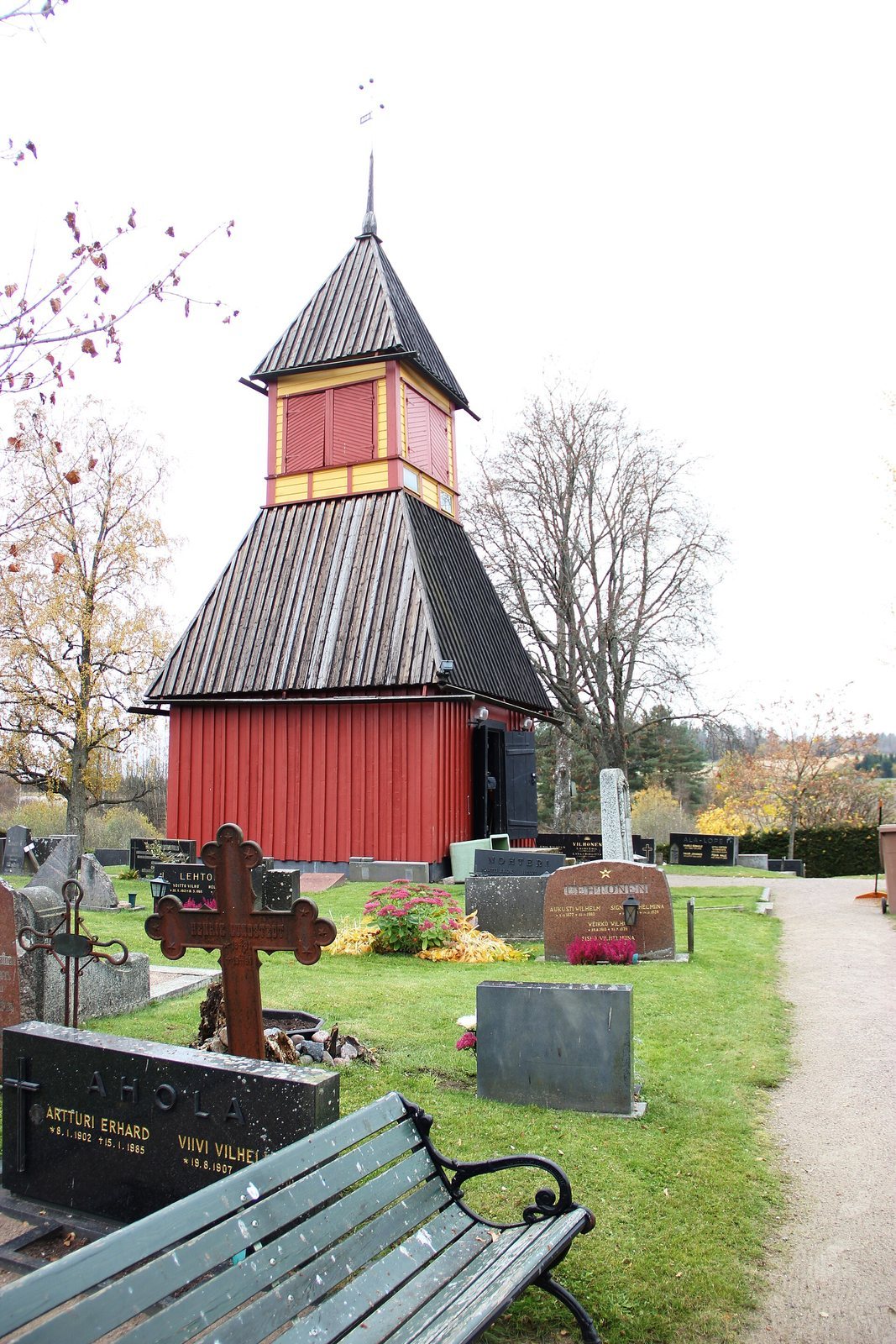
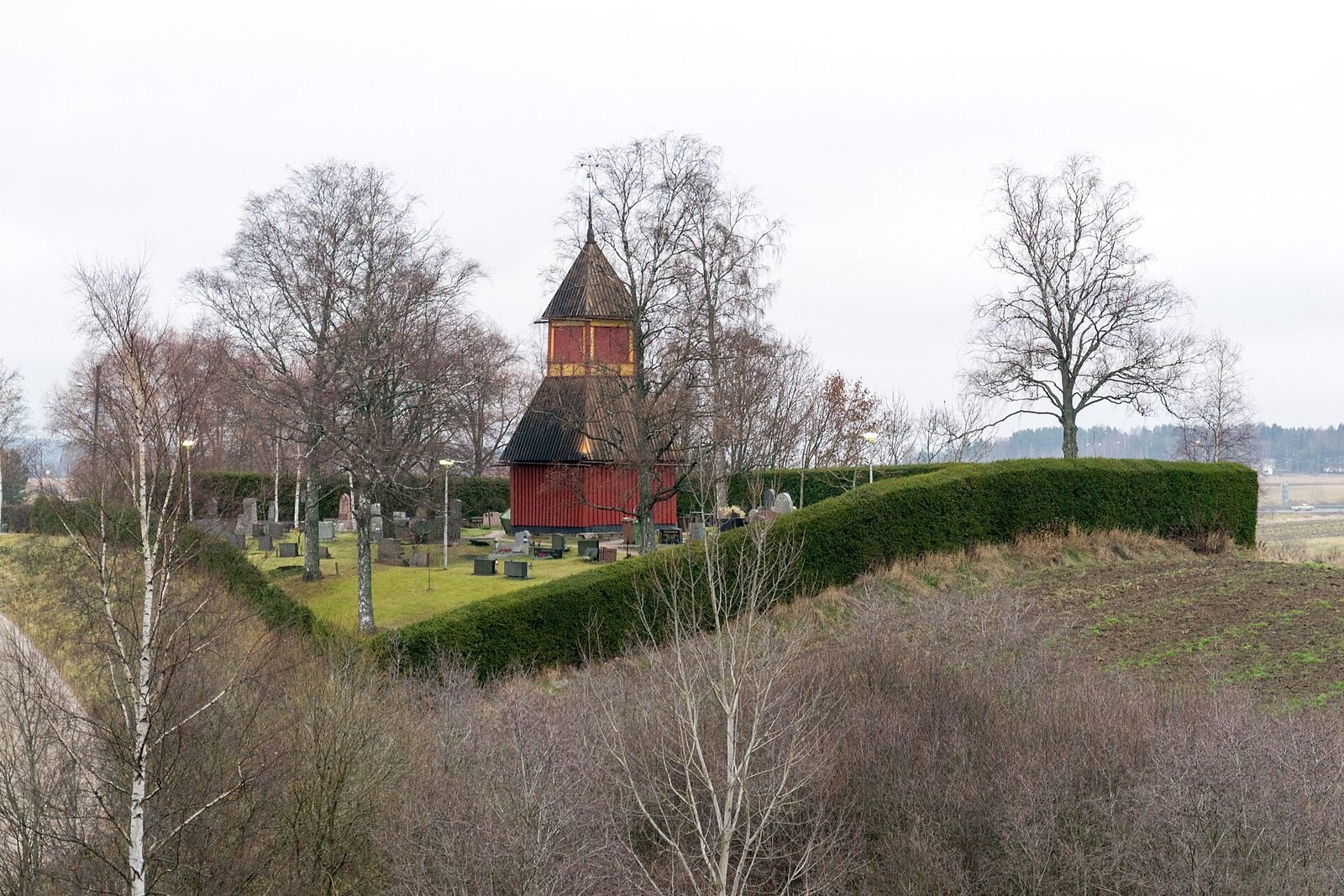
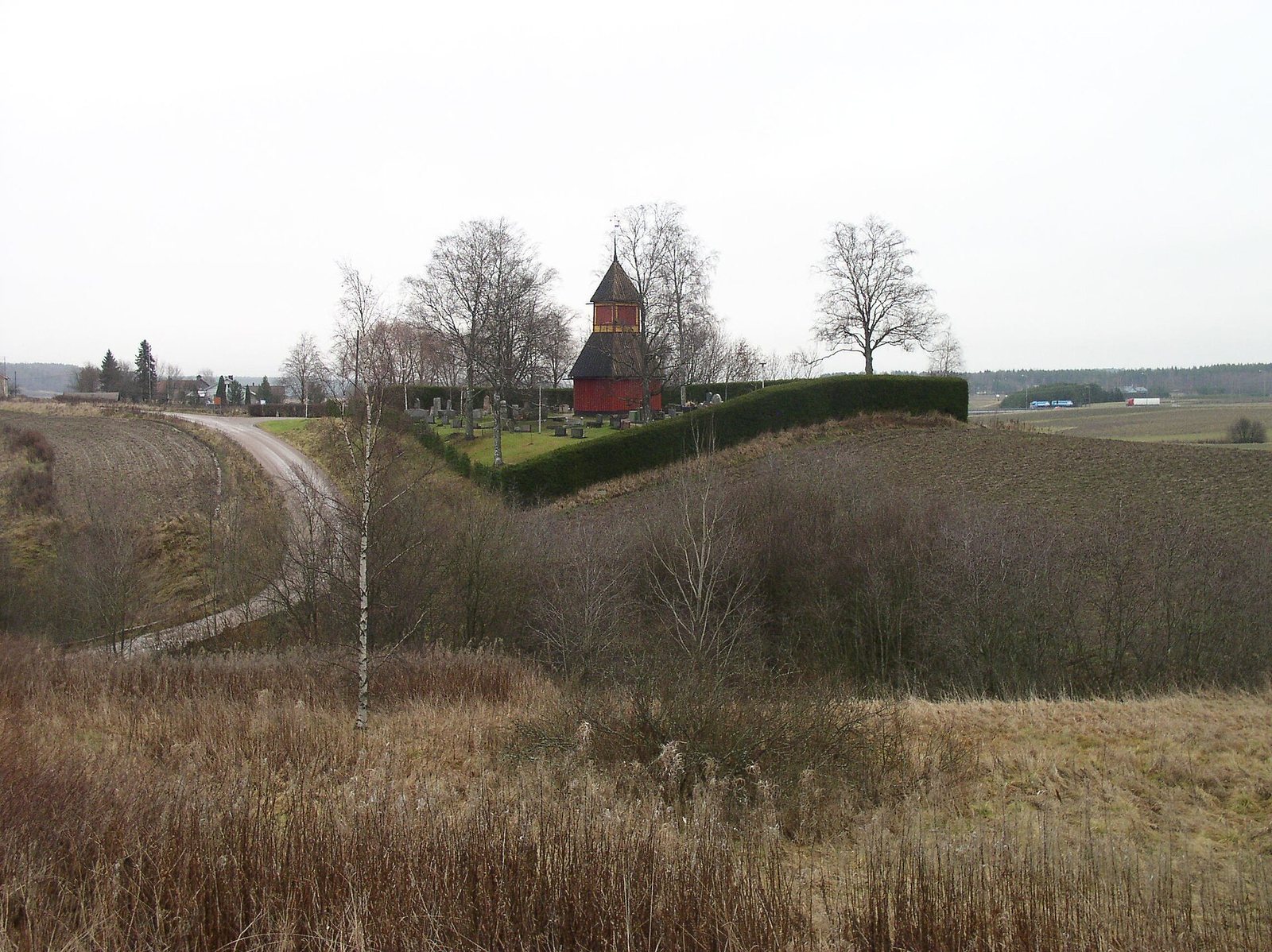
Successive churches occupied the same riverbank site. The last church was made of wood and had a cross-shaped plan; it was probably the first church in Uskela to be painted red. A log-built belfry was erected with it. The belfry and cemetery remain at the site and are still in use. When the last church’s ruins were dismantled, remains of several earlier churches came to light. Foundation stones from the dismantled building were reused in the Pertteli grain storehouse. The rectory stood near the church, and buildings dating from the mid-19th century now occupy its former location.