Tumuli of Nydri: A Prehistoric Cemetery on Lefkada
Site at a Glance
- Popularity
- Very Low
- Country
- Greece
- Primary era
- Bronze Age
- Eras represented
- Bronze Age
- Civilizations
- Unclassified
- Site type
- Burial
- Remains
- Necropolis
On this page7 sections
History
Prehistoric cemetery
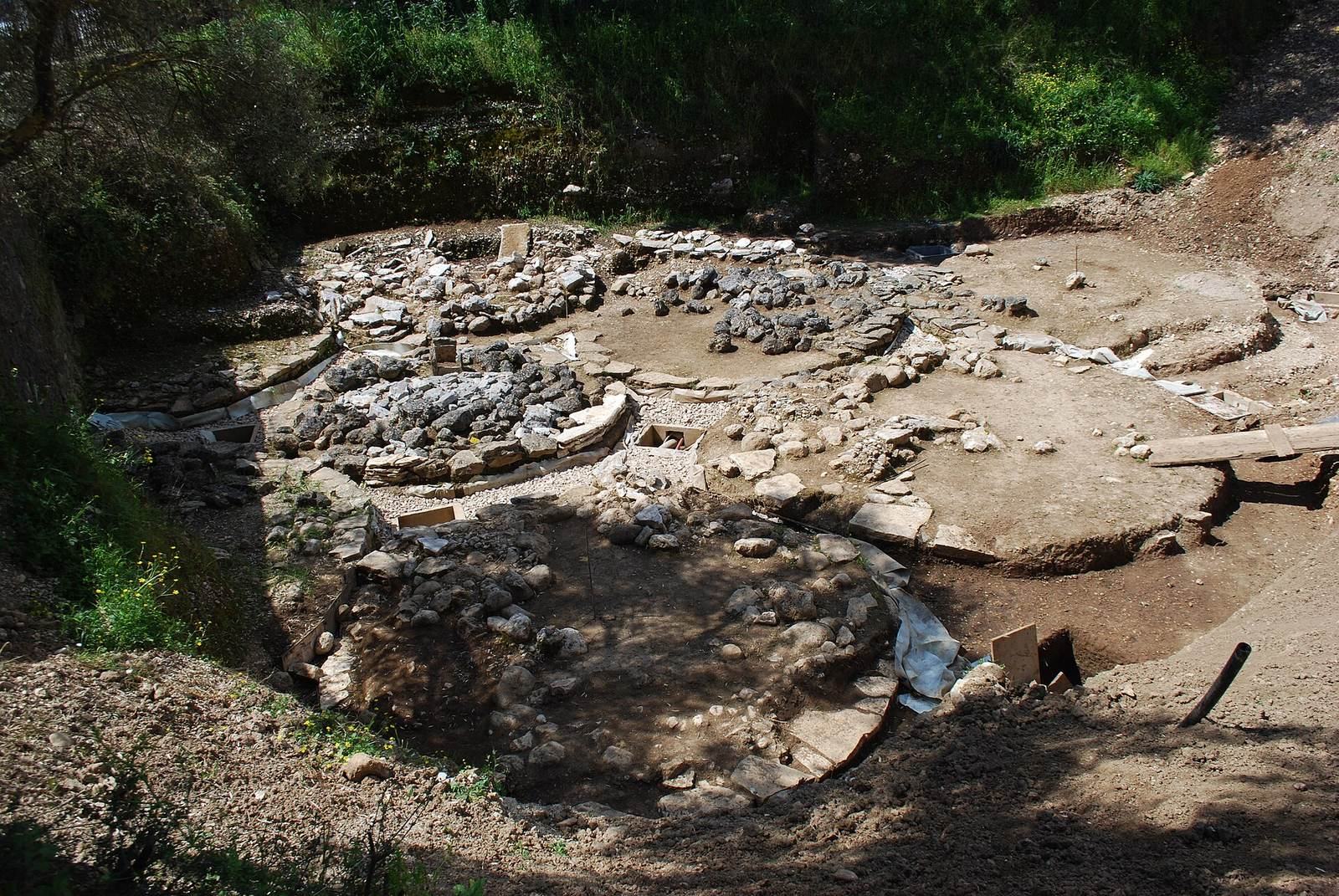
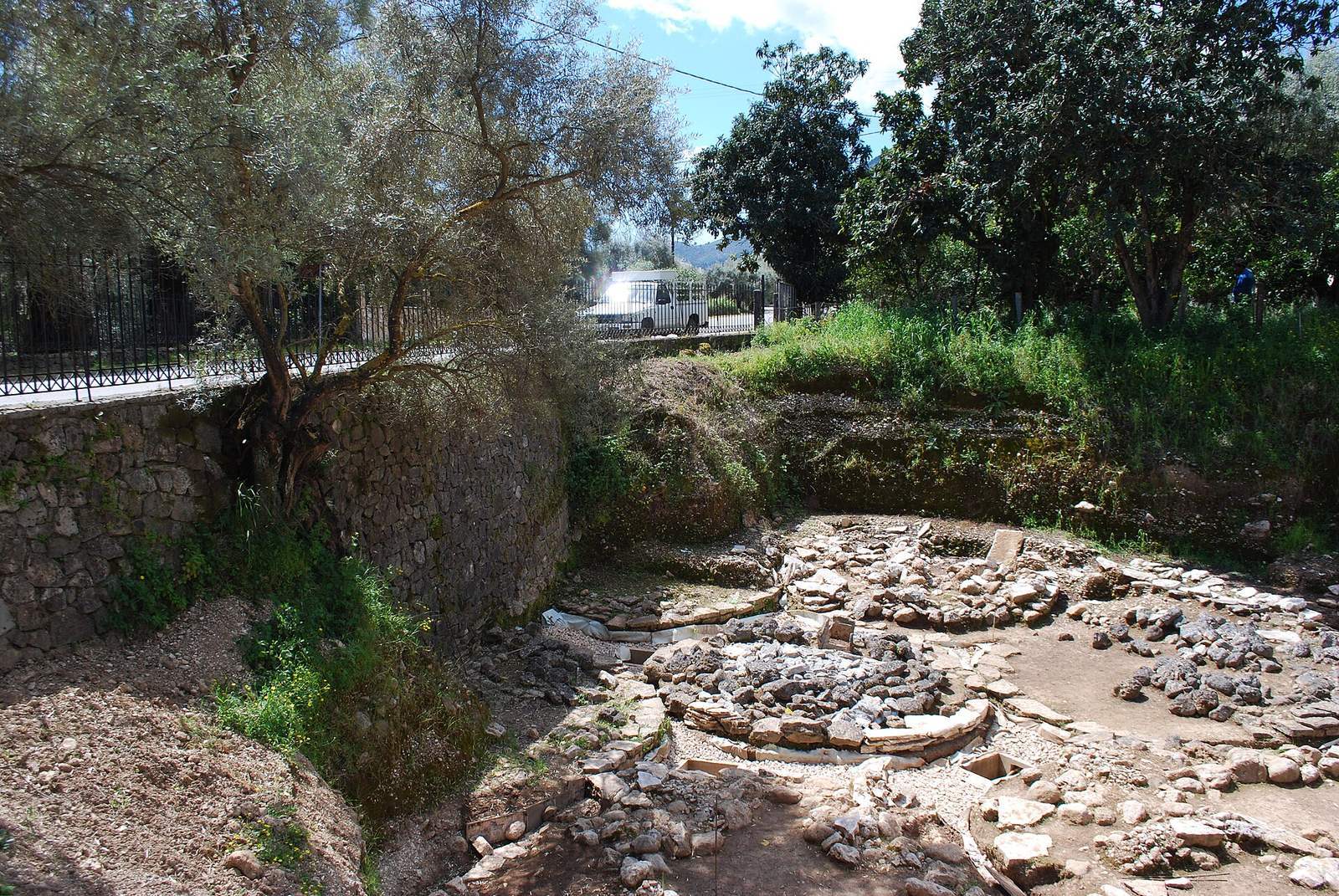
The Tumuli of Nydri are a cemetery of 33 prehistoric tombs at Steno on the island of Lefkada, Greece, about 1.5 km south of Nydri. Dating to approximately 2900–1900 BCE, the cemetery belongs to the Early Helladic period and the beginning of the Middle Helladic period, phases of the prehistoric Aegean Bronze Age. It is regarded as the island’s most important archaeological site.
The burials have been interpreted as evidence of social divisions, including an upper class able to provide substantial graves for its members. Most of the burials were of men; five were of women, and one held a man and a woman together. Later, additional individual burials, often those of children, were placed in some mounds.
Excavations and later work
German archaeologist Wilhelm Dörpfeld uncovered the cemetery during excavations from 1908 to 1913 and excavated 22 tombs. He was investigating the Nydri plain to test his theory that Lefkada, rather than the island now called Ithaca, was the Ithaca associated with Homer, the traditional poet of the Iliad and the Odyssey. The tombs were his only major archaeological discoveries on Lefkada. Their dates place them well before the Mycenaean culture of the later Bronze Age, associated with Homer’s account and dated here to around 1200 BCE.
Dörpfeld called the excavated graves “Royal Tombs R,” a name prompted by their rich grave goods, and identified individual tombs with numbers. Soil gradually covered the graves after the excavations. They were cleared again in 1976, and restoration work continued during the 2000s.
Remains
Burial enclosures
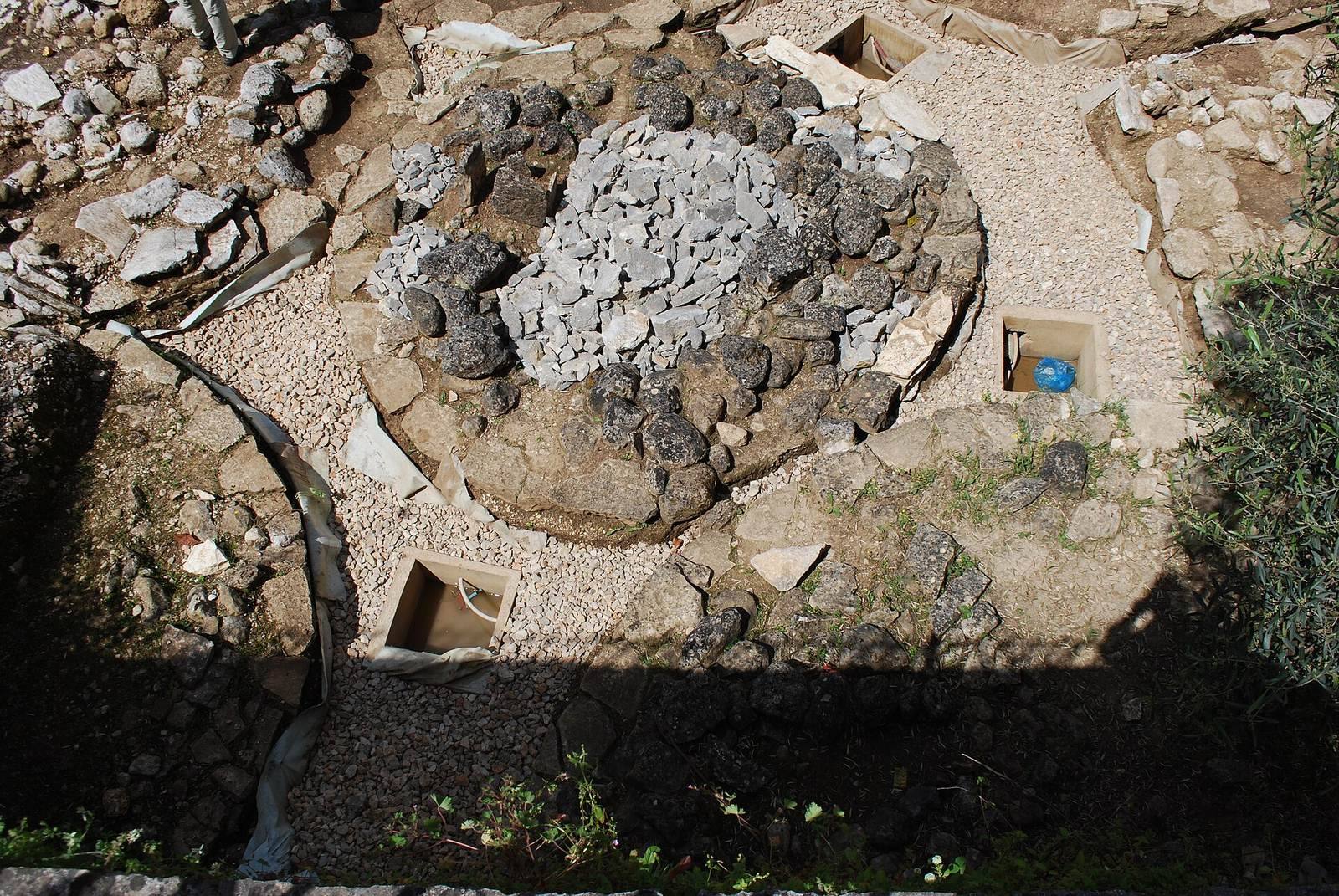
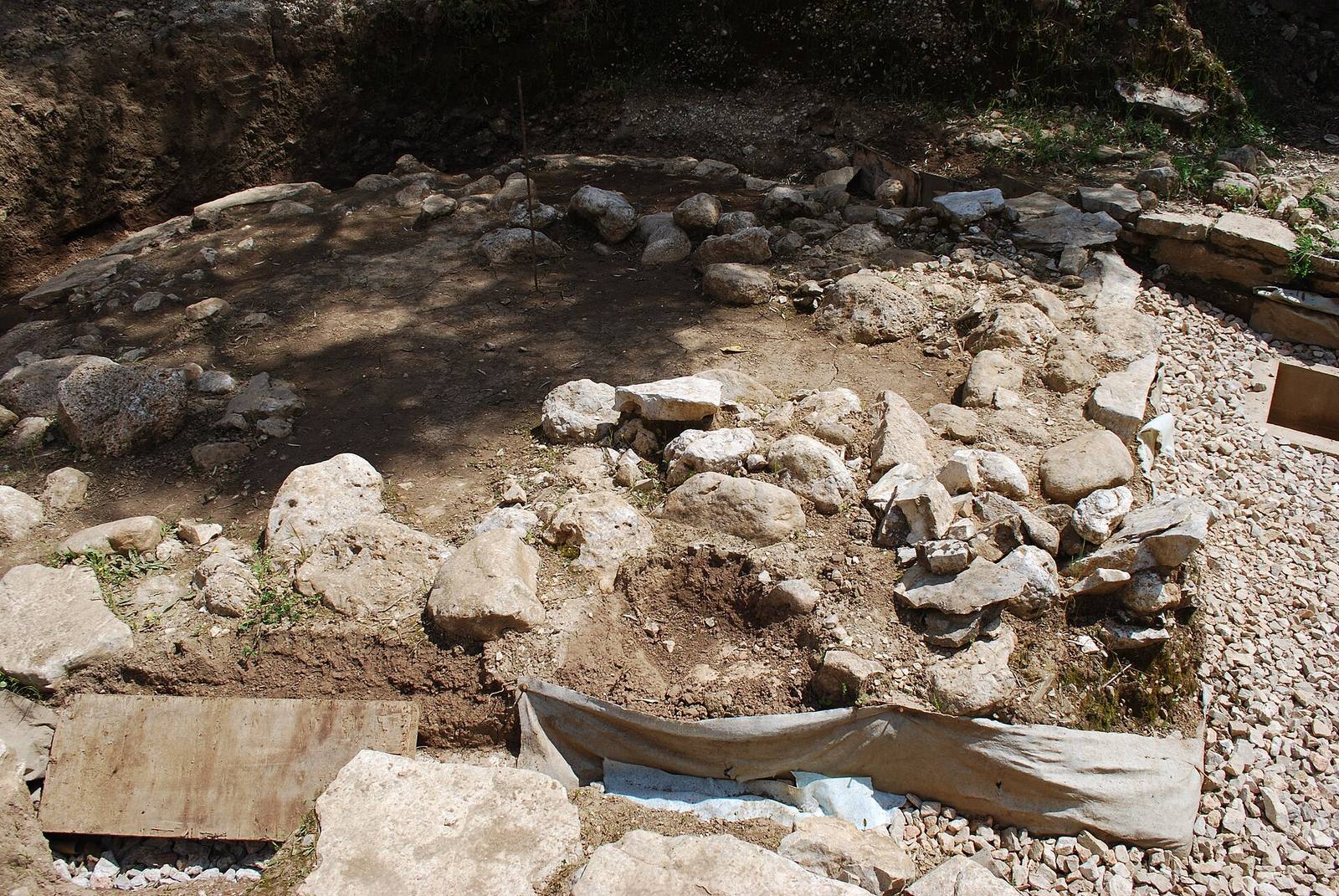
The graves lie about 5 m beneath the present ground surface. Each has a circular enclosure made of stone slabs, with a small earthen mound at its center. The enclosures range from 2.7 to 9.6 m in diameter, while the mounds were about 1.2 m high.
Burial forms
The graves take several forms. Some are small chambers; others are stone cist graves, made by enclosing a burial with slabs. In some cases, the deceased were placed in a pithos, a large jar used as a burial container, or in another type of jar.
Grave goods
Objects recovered from the tombs include gold necklaces and earrings, silver ornaments, bronze weapons and tools, items made of obsidian and flint, and pottery. Women’s graves also held bone objects associated with personal grooming. The finds are kept at the Lefkada Archaeological Museum.