Anactorium: A Corinthian Colony and Port of Nicopolis
Site at a Glance
- Popularity
- Medium
- Country
- Greece
- Primary era
- Iron Age
- Eras represented
- Iron Age
- Civilizations
- Ancient Greek
- Site type
- City
On this page9 sections
History
Foundation and regional standing
Anactorium was an ancient Corinthian colony on the southern shore of the Ambracian Gulf in Greece. It was founded around 657 to 626 BCE, during the rule of Cypselus, a sole ruler who held power outside customary hereditary or constitutional arrangements. Like Corcyra, now Corfu, Anactorium was established by Corinth. For a time, it was one of the region’s most important Greek cities.
Ancient accounts offer different explanations of its foundation. Nicolaus of Damascus, a Greek historian, names Pylades and Echiades, described as sons of Cypselus born outside marriage, as founders of Leukas and Anactorium. Strabo, a Greek geographer and historian, instead relates that Corinthians sent by Cypselus and Gorgos founded Leukas, followed by Ambracia and Anactorium. Anactorium’s territory, known as Anaktoria, is estimated to have covered roughly 25 to 100 square kilometres and included land around the cape of Actium. Its citizens were called Anaktorios.
During the Persian Wars, conflicts between Greek states and the Persian Empire, Anactorium supported the Greeks. Along with Leukas, it sent 800 heavily armed infantrymen, known as hoplites, to the Greek victory at Plataea in 479 BCE.
Conflict and changes of control
In 432 BCE, after war began between Corinth and Corcyra, the Corinthians took sole control of Anactorium by exploiting local unrest and using deception. The city then supported Sparta in the Peloponnesian War, the long conflict between Athens and Sparta and their allies. Corinthian rule continued until 425 BCE, when Acarnanians captured the city with Athenian help. The Corinthian settlers were expelled and Acarnanians resettled the town. Anactorium probably then became part of the Acarnanian League, a federation of communities in Acarnania.
Hellenistic and Roman periods
Anactorium began producing its own silver coins in the fifth century BCE. It sided with Thebes in the Third Sacred War, fought from 356 to 346 BCE over control of the sanctuary at Delphi, and remained important through the Hellenistic period and into the early Roman era.
In 31 BCE, Augustus, also known as Octavian and Rome’s first emperor, transferred Anactorium’s population to the newly founded Nicopolis. The move commemorated his decisive victory at Actium in the Roman civil wars. Anactorium subsequently served as Nicopolis’s port.
The British antiquarian and topographer William Martin Leake first explored the city’s site in the early nineteenth century.
Remains
Urban setting and harbours
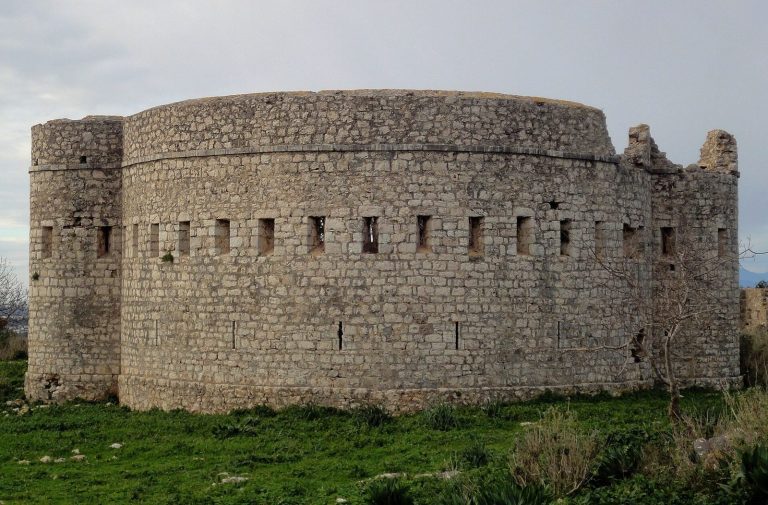
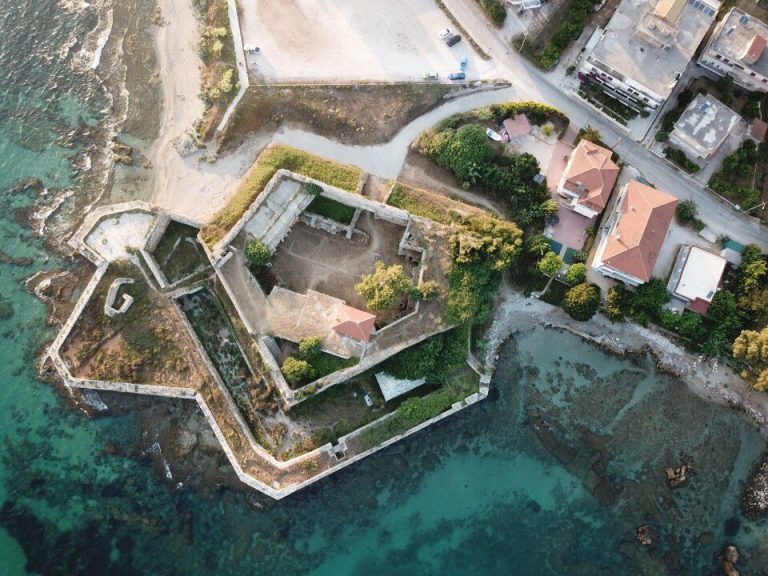
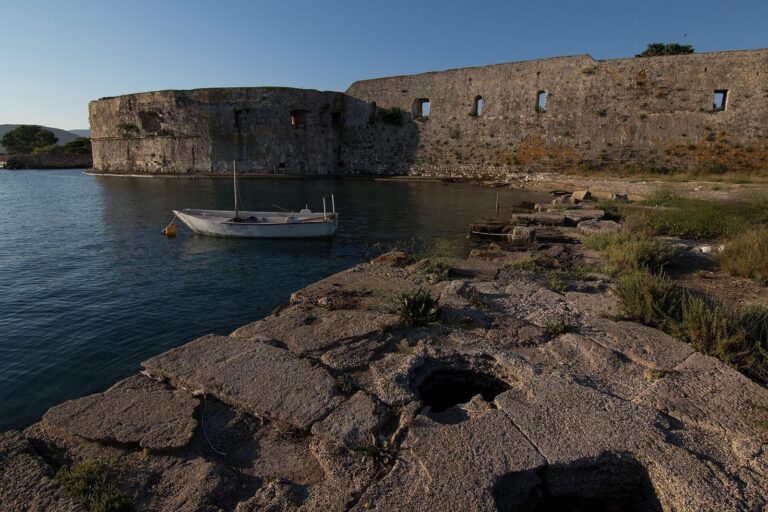
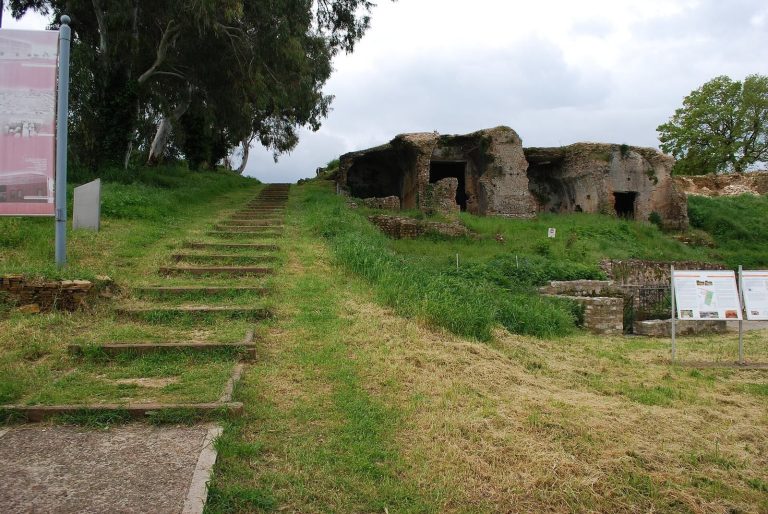
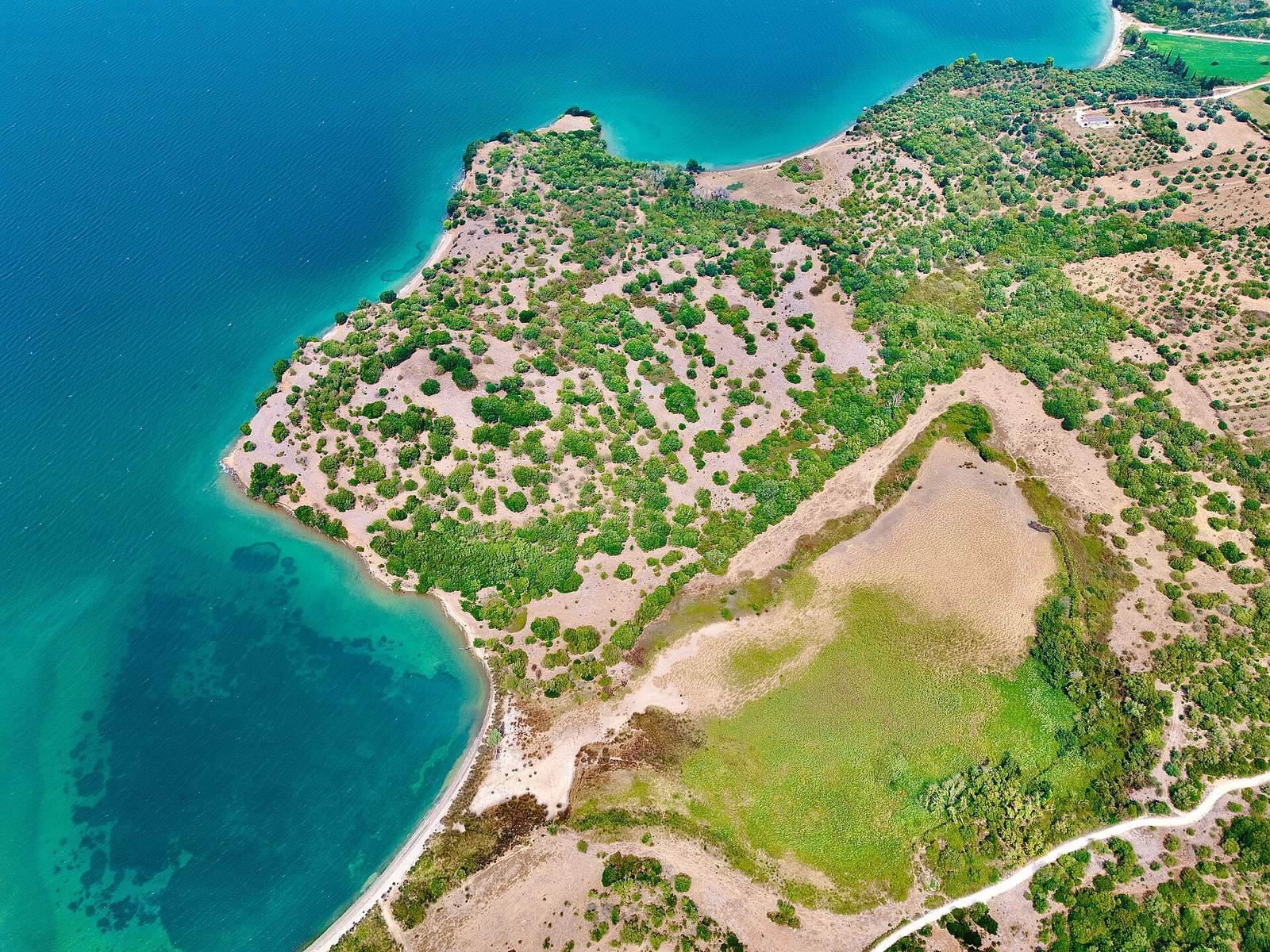
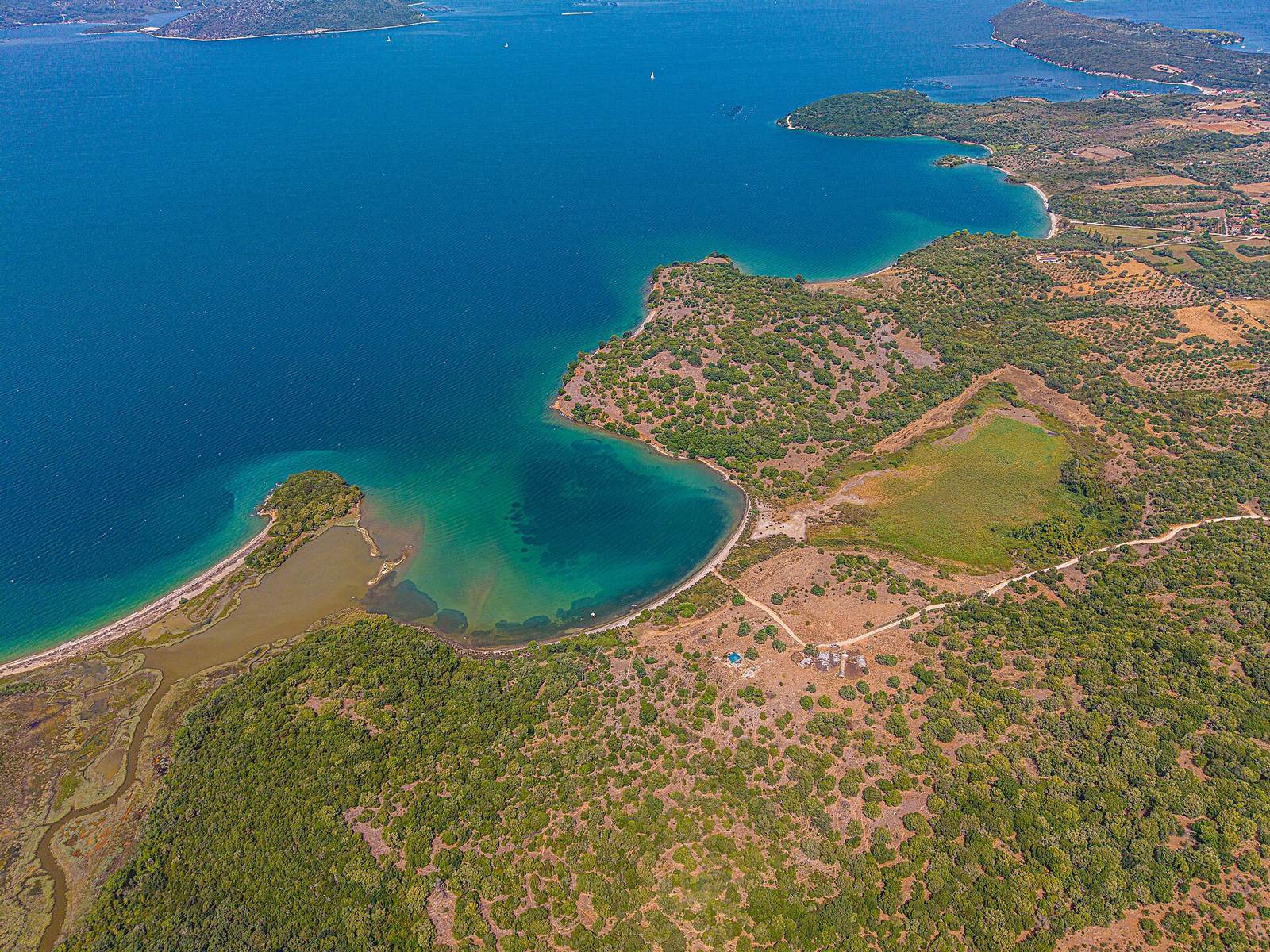
Anactorium occupied a peninsula on the southern shore of the Ambracian Gulf. Its archaeological site lies at Ag. Petros, southwest of present-day Nea Kamarina and about four kilometres west of Vonitsa. Entering the gulf from the Ionian Sea, sailors encountered Anactorium as the first Acarnanian city after Actium. It lay about eight kilometres from the cape. Ruins mark the walled city, which had two harbours: one within the city walls and another on the Ionian Sea side of the Actium peninsula.
Sanctuary and finds
Temple of Apollo Actios
Anactorium’s best-known sanctuary was a temple on the Actium peninsula dedicated to Apollo, the Greek god, under the title Actios, which linked him with Actium.
Coins and grave goods
A coin of Anactorium depicts Pegasus, the winged horse of Greek mythology, alongside Athena wearing a Corinthian helmet. Tombs around the city yielded gold and jeweled grave goods, now held at the National Archaeological Museum in Athens.