Tschenglsberg: A Medieval Military Castle in South Tyrol
Site at a Glance
- Rating
- 4.2
- Popularity
- Low
- Country
- Italy
- Primary era
- Medieval
- Eras represented
- Medieval
- Civilizations
- Holy Roman Empire
- Site type
- Military
- Remains
- Castle
On this page8 sections
History
The Knights of Tschengls
Tschenglsberg, also known as Hinterburg, is a medieval castle west of Tschengls in Laas, South Tyrol, Italy. The Knights of Tschengls built it in the twelfth century for military use. A record from 1193 names Hezilo de Scenglis and identifies the castle as the knights’ possession.
From 1330, the knights held fiefs, or lands granted to them by the Tyrolean territorial ruler. As chancellors of Chur, a city in present-day Switzerland and the historic seat of a bishopric, they exercised their own jurisdiction over Tschengls and Prad.
Later owners and refuge in 1809
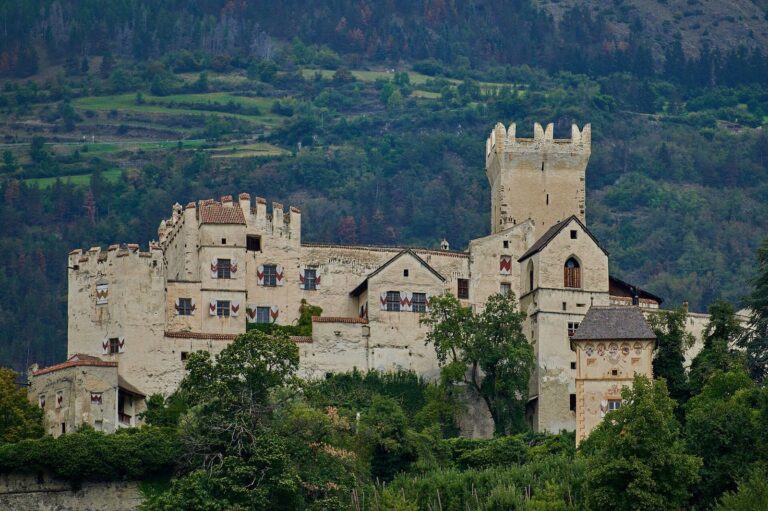
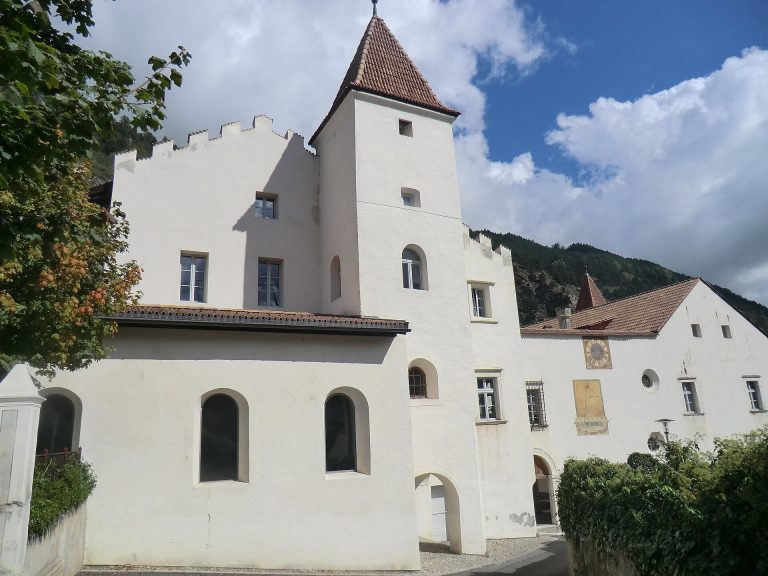
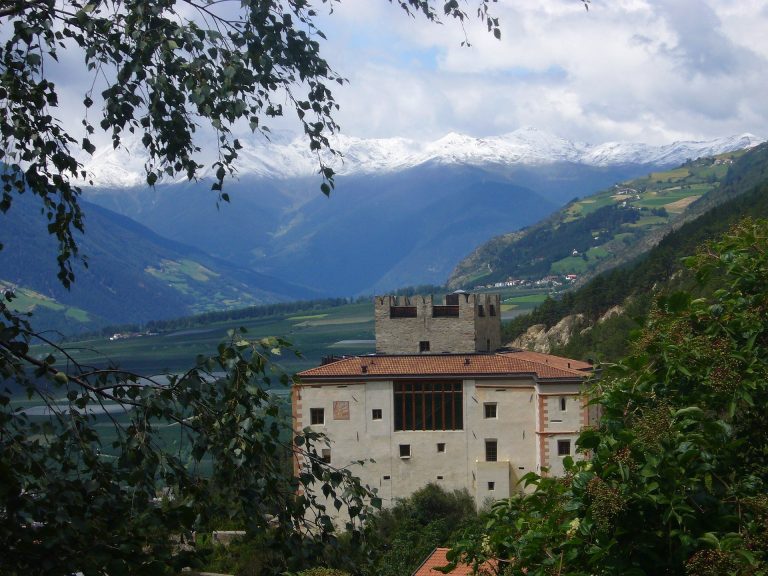
The Knights of Tschengls line ended in 1421. The castle then passed to the Lebenberg family, followed by the Fuchs von Fuchsberg family and later the Liechtenstein-Kastelkorn family. The later Liechtenstein owners considered the site isolated and inconvenient. They built Tschenglsburg nearer the village, moved there, and abandoned Tschenglsberg.
In 1809, Capuchin friar Haspinger, a member of a branch of the Franciscan order, hid at the castle for nine months while fleeing after defeat at the Battle of Bergisel, fought during the Tyrolean uprising. Haspinger supported the Tyrolean cause in that uprising. The castle is now owned by a member of the Rachewiltz family.
Remains
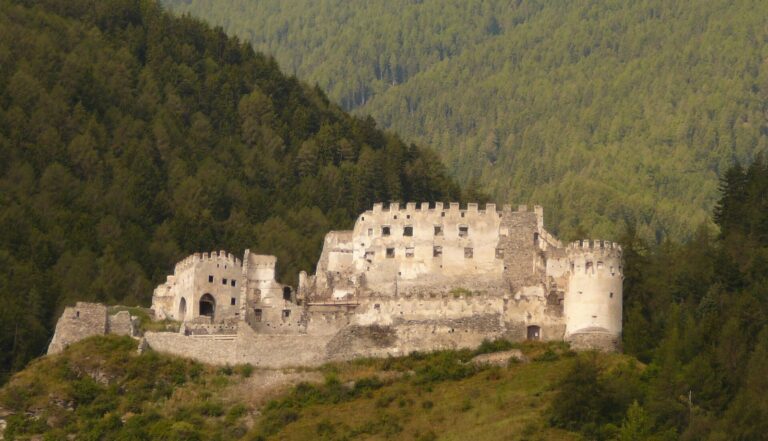
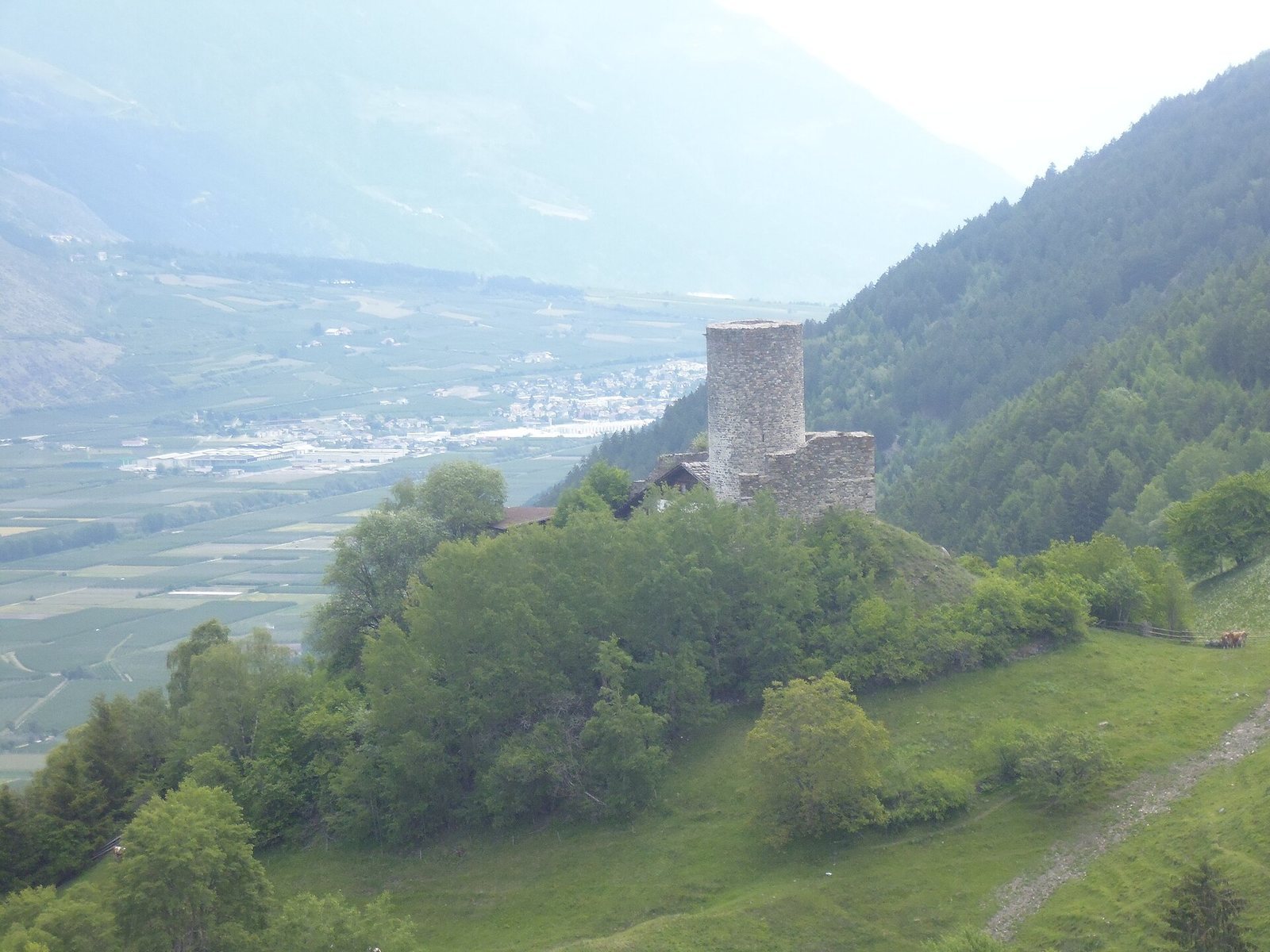
At about 1,179 metres above sea level on the Nördersberg, the partly preserved castle is arranged around a defensive tower and sections of a perimeter wall. Later buildings stand within the enclosure.
Surviving structures
Round keep
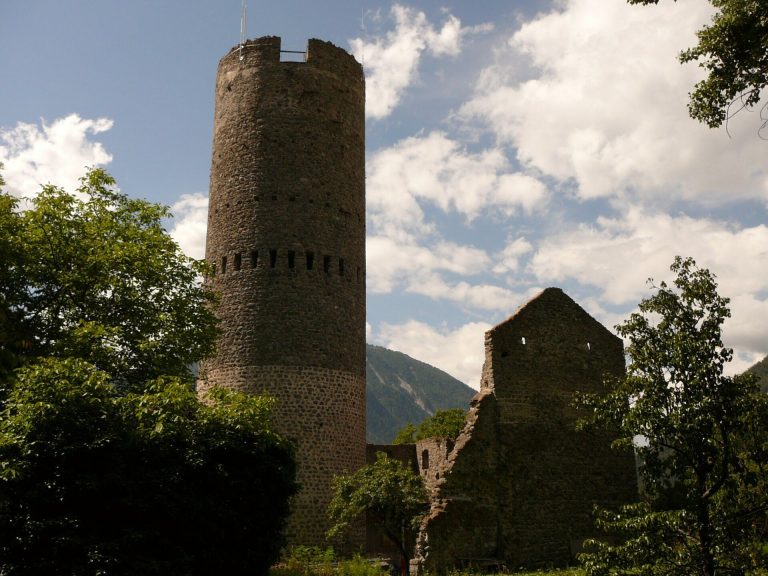
The round keep, the castle’s principal defensive tower, survives to about 20 metres high. Its entrance is several metres above ground level.
Ring wall
Sections of the plain ring wall remain, reaching about 10 metres in height.
Later buildings
Buildings added inside the enclosure after the castle’s original construction are now used as part of a farm.