Theresienstadt Small Fortress: A Military Stronghold and Prison
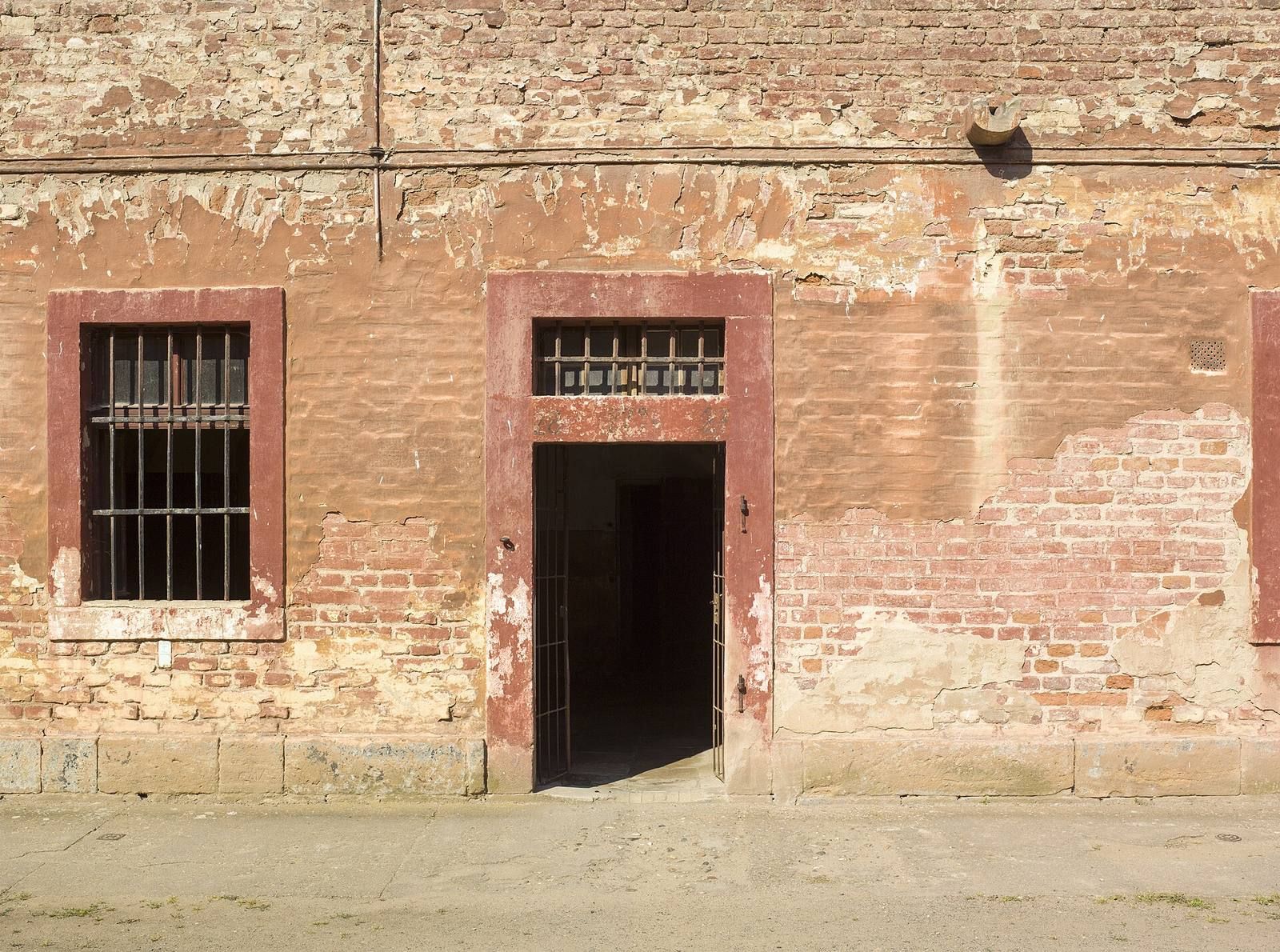
Site at a Glance
- Country
- Czechia
- Primary era
- Early Modern
- Eras represented
- Early Modern
- Civilizations
- Habsburg, Holy Roman Empire, Kingdom of Bohemia
- Site type
- Military
- Remains
- Fort
On this page6 sections
History
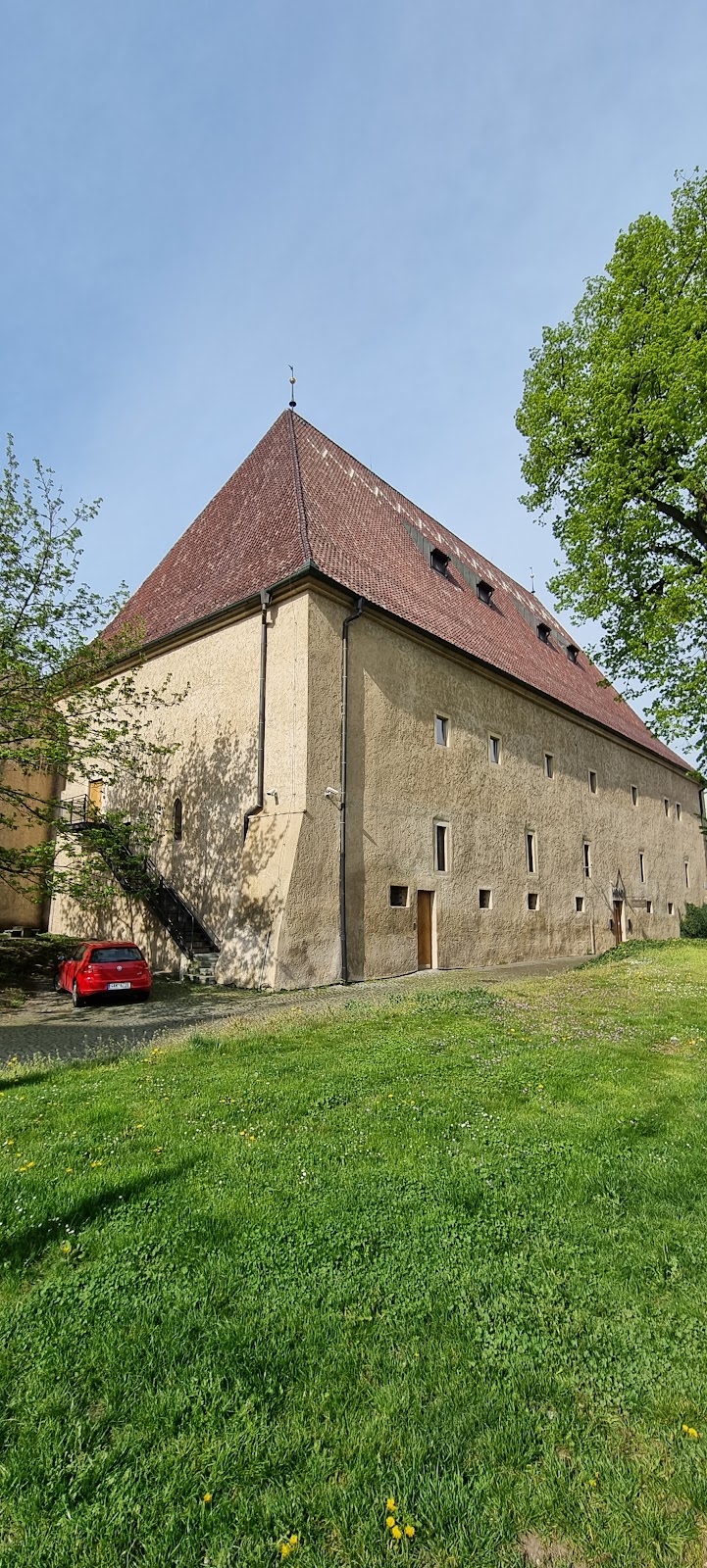
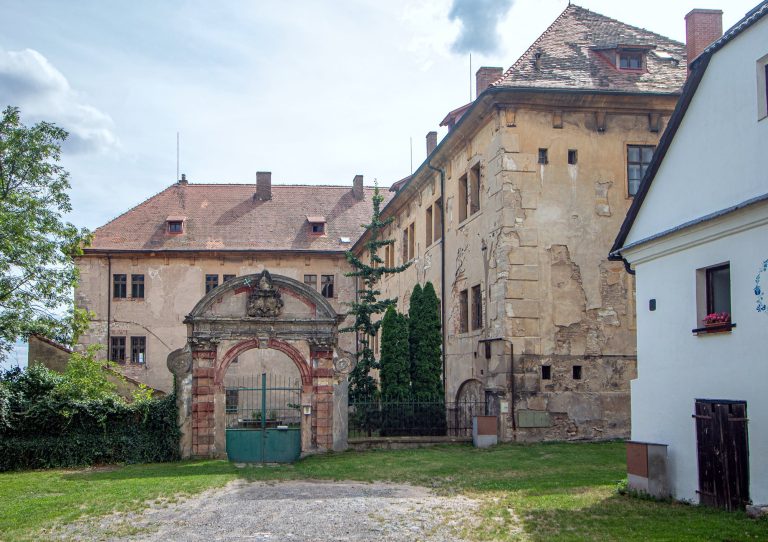
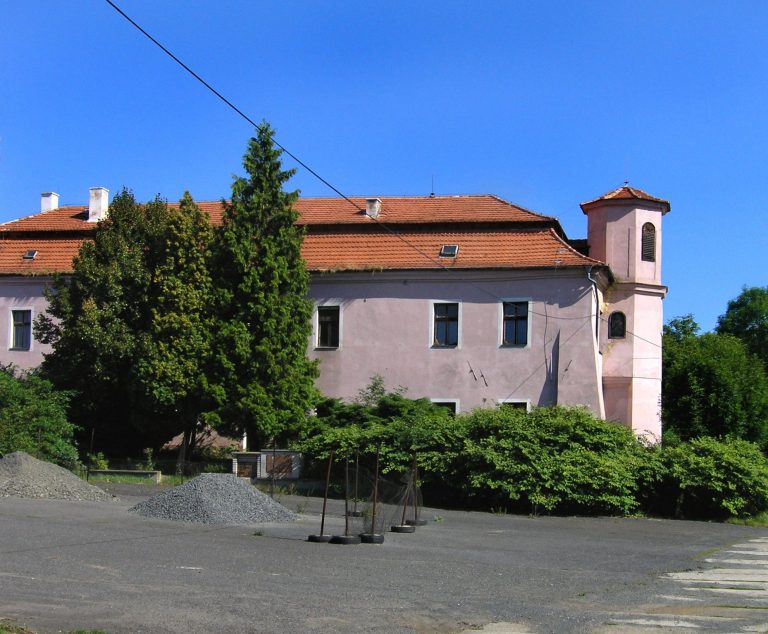
Theresienstadt Small Fortress is a late-eighteenth-century military stronghold beside Terezín in Czechia. Built alongside the town, it later served as a prison during the nineteenth century and became a Gestapo prison during the Second World War.
From military stronghold to First World War prison
The fortress was established in the late eighteenth century as a military stronghold. It was used as a prison in the nineteenth century, and during the First World War it held opponents of Austria-Hungary. Among them was Gavrilo Princip, a Yugoslav nationalist who assassinated Archduke Franz Ferdinand, heir to the Austro-Hungarian throne, and his wife, Sophie Chotek, in Sarajevo on 28 June 1914. The assassination helped trigger the First World War. Princip died of tuberculosis in the fortress on 28 April 1918, after nearly four years in prison.
Gestapo prison, 1940–1945
From 10 June 1940 until May 1945, the Prague Gestapo, Nazi Germany’s secret state police, operated a prison in the fortress. It was the largest prison in the Protectorate of Bohemia and Moravia, the German-controlled territory in which it operated. Unlike the nearby Terezín Ghetto, the prison held political opponents of Nazi rule and members of the Czech resistance, as well as some British prisoners of war and people from the Soviet Union, Yugoslavia, France, Italy, and elsewhere. About 32,000 people were imprisoned there, including 5,000 women.
Executions began in 1943 under the Nazi euphemism special treatment, a phrase used to disguise killings. More than 250 prisoners were executed. The final execution, on 2 May 1945, killed 51 people. Conditions worsened over time. Prisoners were forced to work, mainly outside the fortress at local businesses producing for the German war effort, and this continued until the final days of the war. The prison also held people temporarily before they were sent to concentration camps. About 2,600 people died inside the fortress from hunger, torture, and poor hygiene; thousands more died after being transported from Terezín to camps and other destinations. SS officer Heinrich Jöckel commanded the prison. He was executed in October 1946.
Typhus outbreak and postwar internment
At the end of the war, typhus broke out in the fortress and the nearby ghetto. Epidemiologists Karel Raška and František Patočka came from Prague to lead efforts to contain the epidemic. They also wrote a report about conditions and the mistreatment of German civilians detained in the fortress after the war.
From 1945 to 1948, the fortress served as an internment camp, first for German prisoners of war and then for German civilians from Czechoslovakia who were to be expelled under the Beneš decrees. Issued by Czechoslovak president Edvard Beneš, these decrees provided the authority for the expulsions.
Prosecutions and memorial work
Postwar prosecutions addressed abuses committed at the fortress. In West Germany, Karl Spielmann received a four-and-a-half-year prison sentence in 1950 for grievous bodily harm connected with the abuse of prisoners. In 1953, Josef Wollenweber, a former prisoner assigned supervisory duties, was sentenced to four years for four counts of dangerous bodily harm and one count of fatal bodily harm.
East German authorities arrested former supervisor Kurt Wachholz in the late 1960s. He was convicted of war crimes and crimes against humanity, including involvement in the murders of more than 300 prisoners and complicity in the execution by firing squad of at least 183 people. Sentenced to death in 1968, he was executed at Leipzig Prison on 28 April 1969. German authorities arrested former supervisor Anton Malloth in 2000. Convicted in 2001 of beating at least 100 prisoners to death, he received a life sentence. He was released ten days before dying of cancer on 31 October 2002.
Research into the postwar expulsion of Germans, a taboo subject in communist Czechoslovakia, became possible after the fall of communism in 1989. Findings published in 1997 were made available at the Terezín Memorial. The fortress forms part of a national cultural monument that also includes the cemetery at Terezín. It is the headquarters of the Terezín Memorial, a museum and cultural and educational institution.
Remains
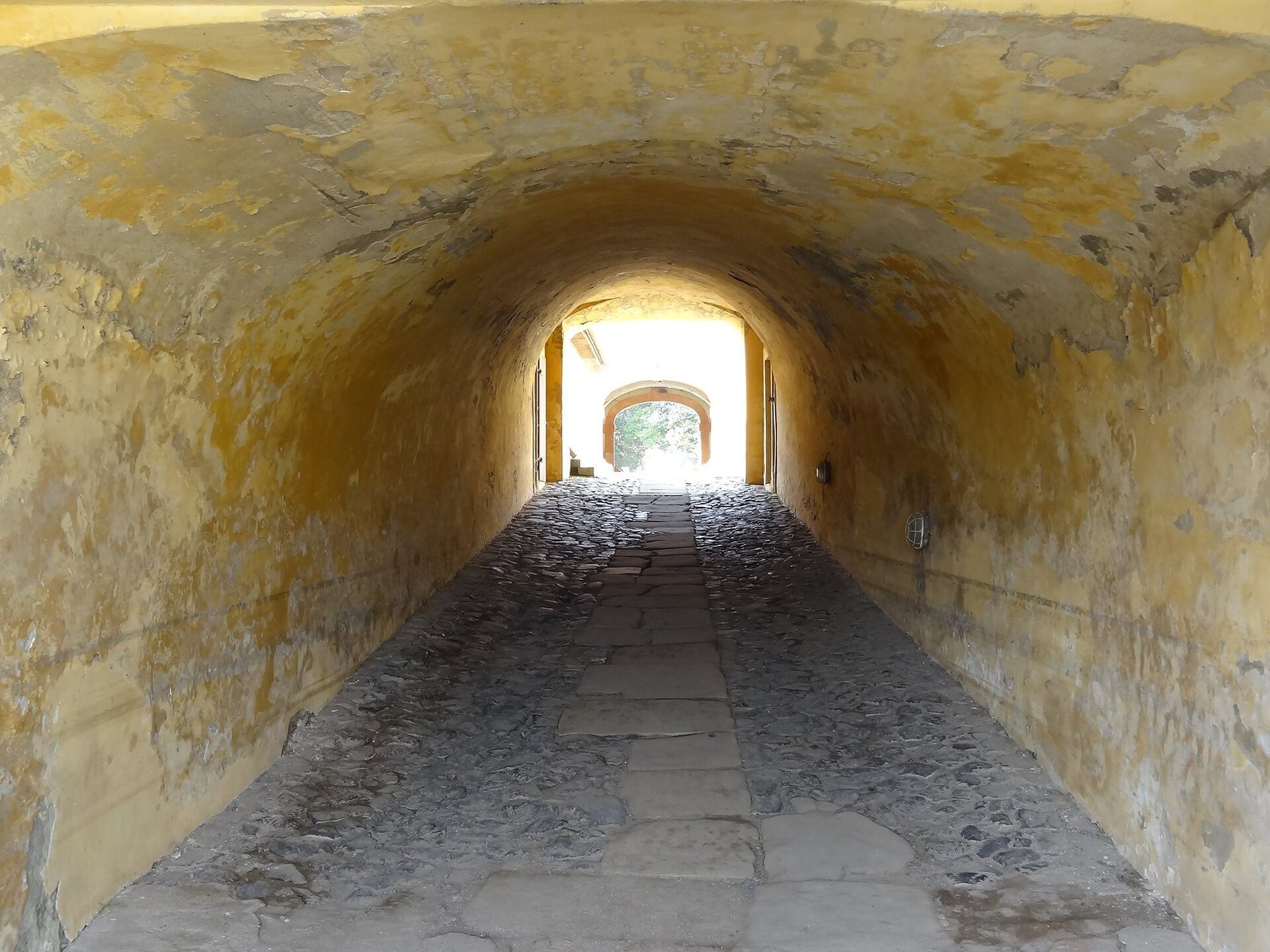
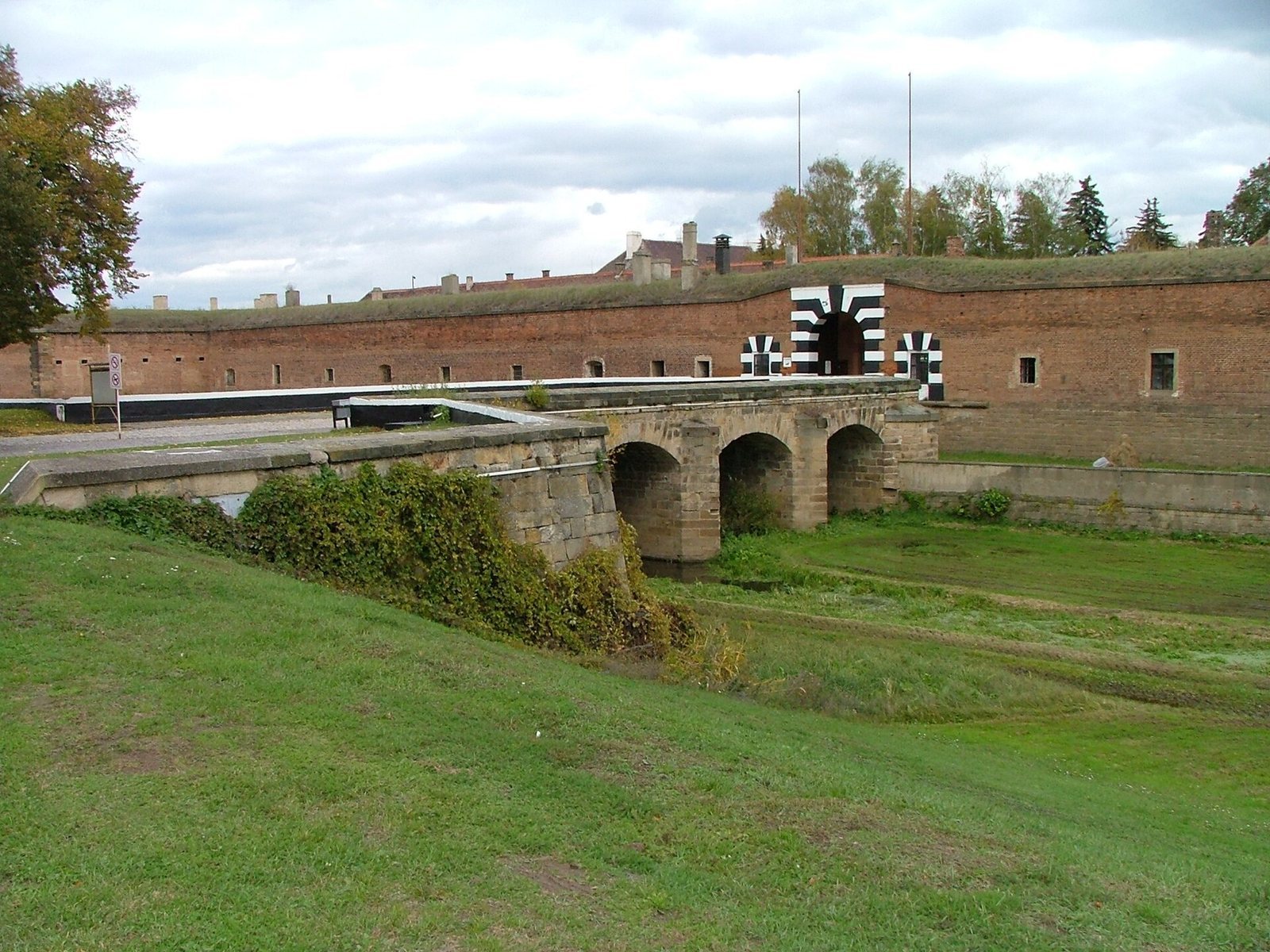
The fortress forms part of Terezín on the right bank of the Ohře River. Its main gate is on the west side, with the Terezín National Cemetery directly in front of it.