Temple of Demeter: A Classical Greek Temple at Agrigento
Site at a Glance
- Popularity
- Medium
- Country
- Italy
- Primary era
- Classical
- Eras represented
- Classical, Medieval
- Civilizations
- Ancient Greek, Norman
- Site type
- Religious
- Remains
- Temple
On this page8 sections
History
Greek foundations and neighboring worship
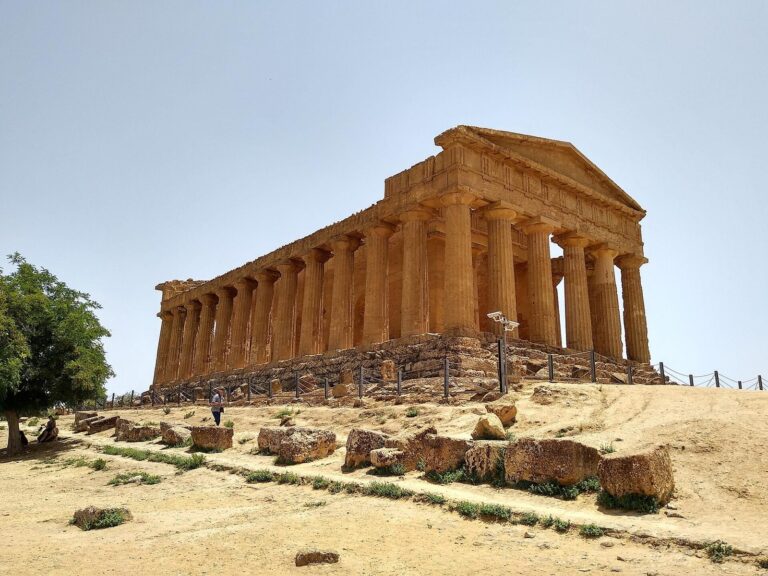
The Temple of Demeter is an ancient Greek temple in Agrigento, Italy, built in the early fifth century BC during the Classical period, a major phase of Greek history spanning the fifth and fourth centuries BC. Its dedication to Demeter, the Greek goddess of agriculture and fertility, is supported by objects dedicated to her and round altars found nearby.
A separate sanctuary south of the temple, beyond the ancient city walls, had pre-Hellenic origins, meaning it began before Greek settlement in the region. Its natural caves may have served as a place of worship for the Sicans, an indigenous people of Sicily, before the Greeks arrived. Terracotta offerings found there were dedicated to Demeter and her daughter Persephone, a goddess associated with the underworld and seasonal renewal.
Medieval reuse and heritage status
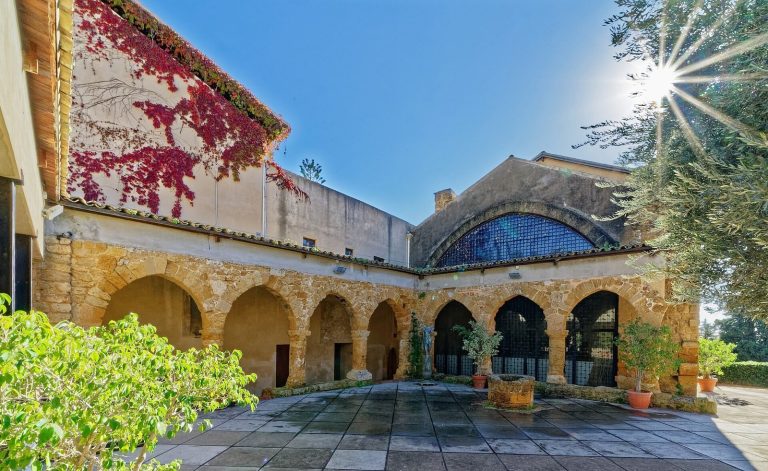
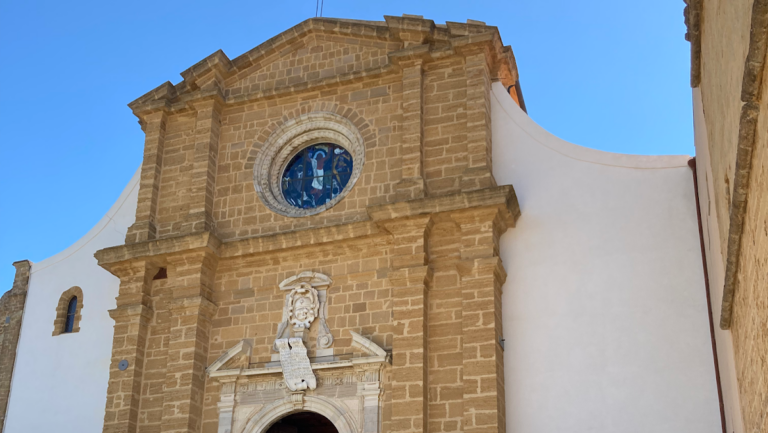
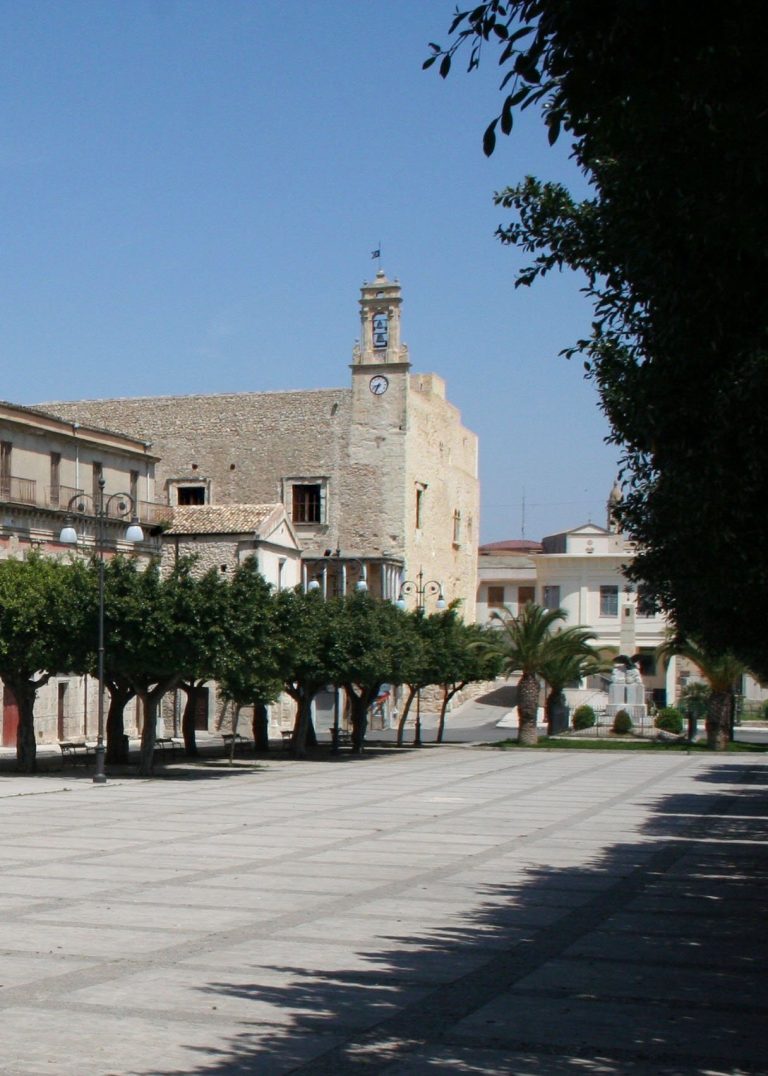
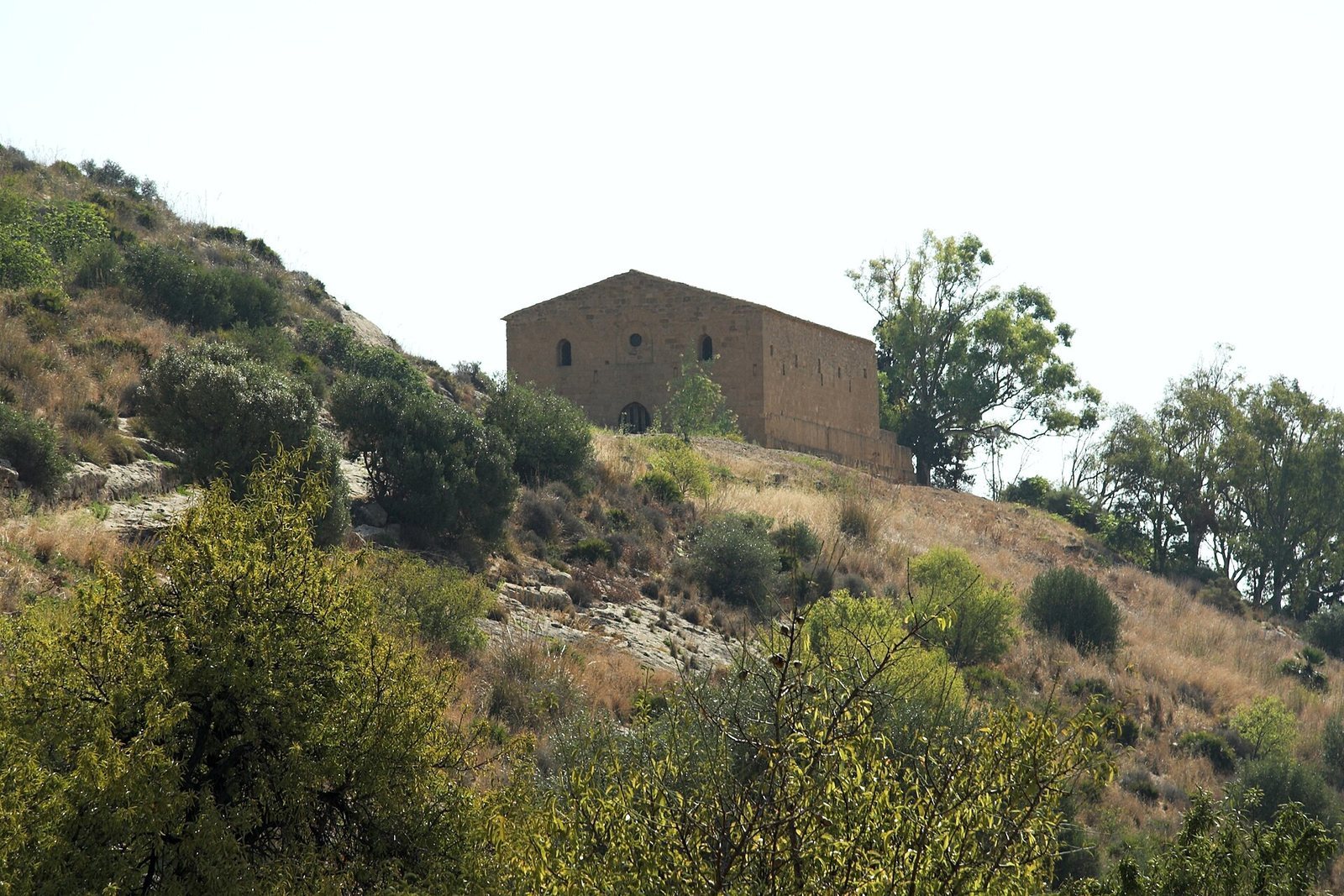
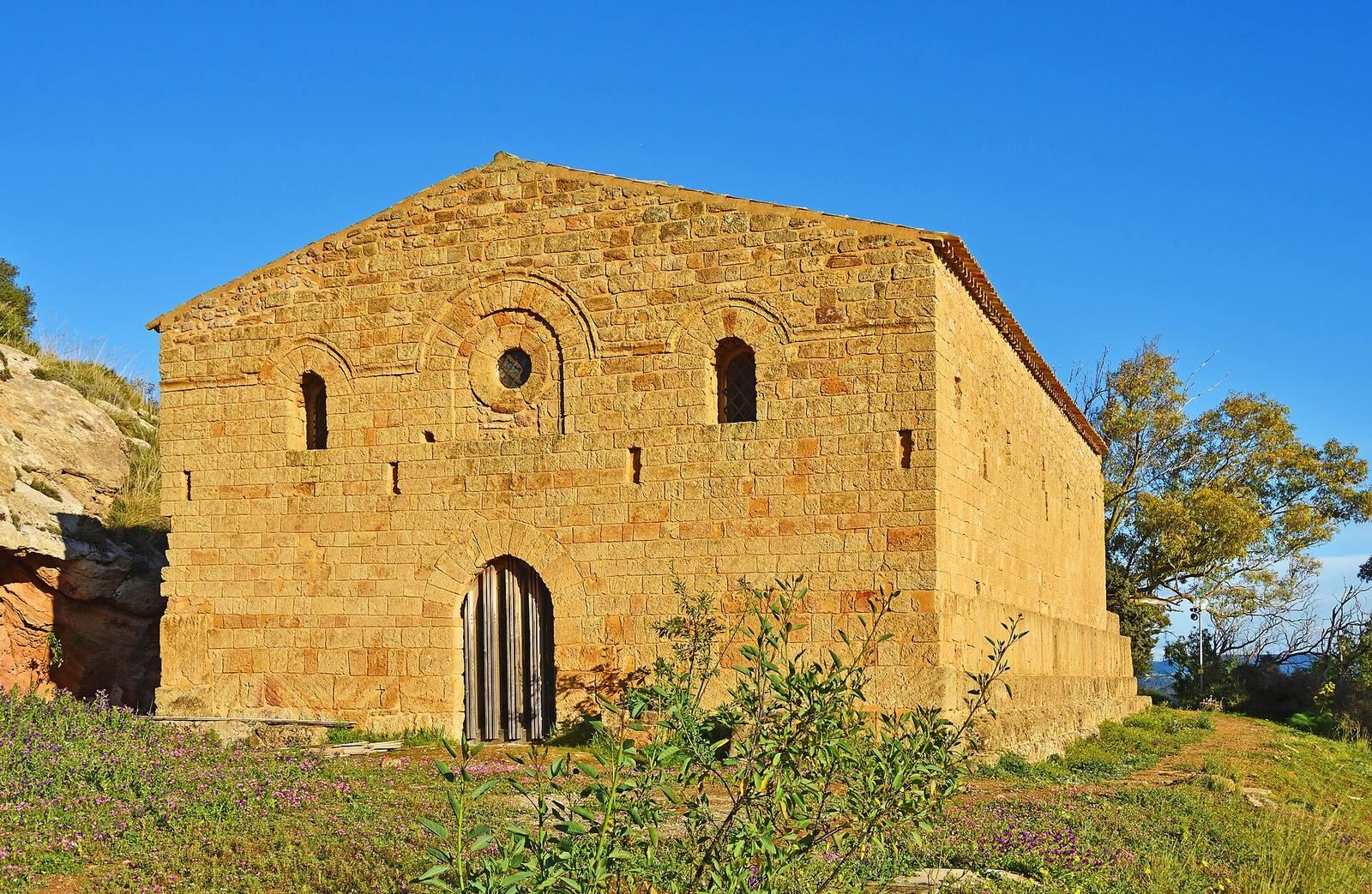
During the Middle Ages, the central chamber of the temple was converted into the church of San Biagio. The Temple of Demeter is part of the Archaeological Area of Agrigento, which was inscribed on the UNESCO World Heritage List in 1997.
Remains
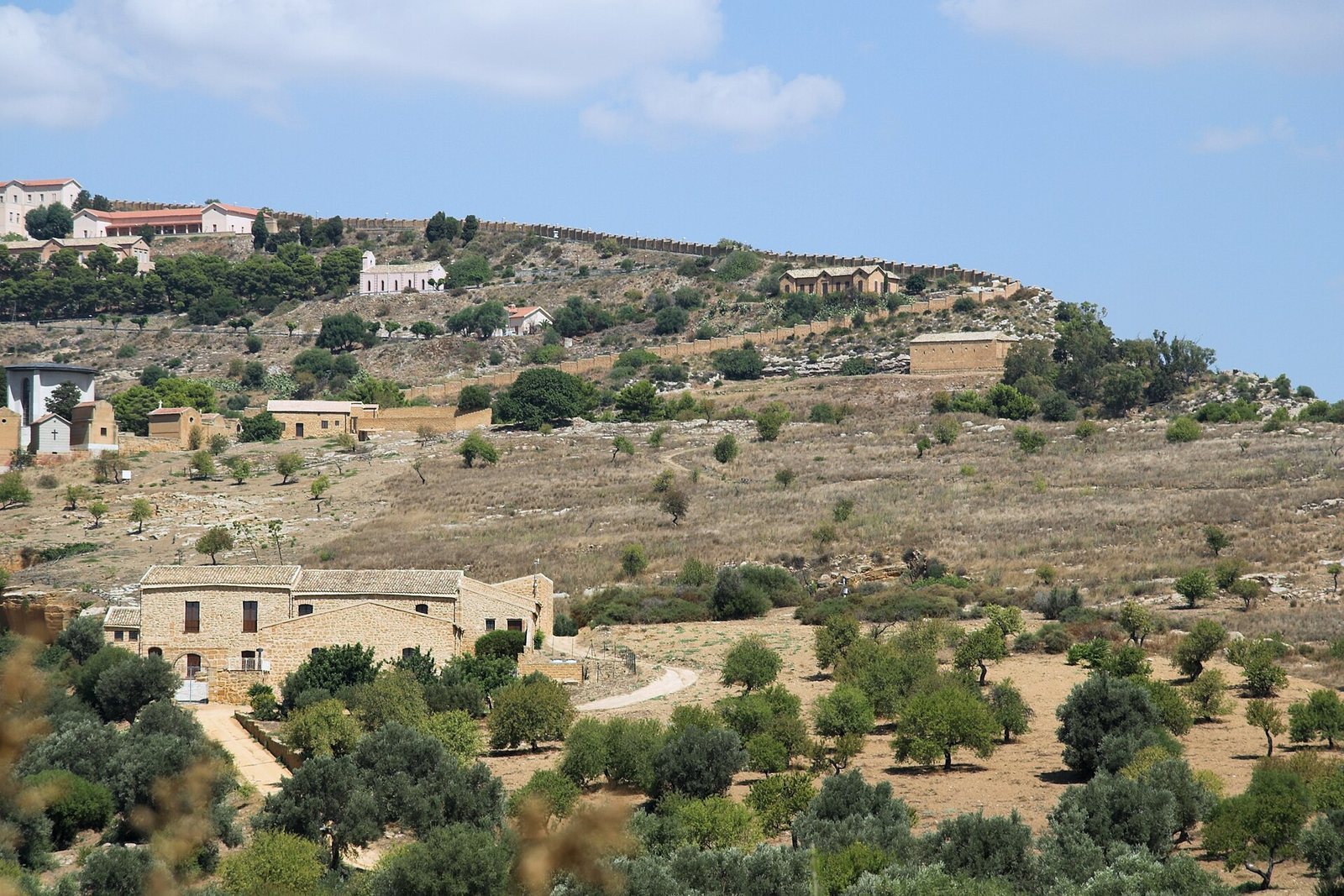
The remains include a Doric temple on the lower slope at the edge of ancient Akragas and a separate, water-fed cave sanctuary south of the old city walls. Doric is one of the principal orders of ancient Greek architecture.
Temple remains
Plan and church fabric
The temple measured about 13.3 by 30.2 metres and stood at the eastern end of the Athena rock. Its foundations and parts of the central-chamber walls survive within San Biagio. The church faces in the opposite direction from the ancient temple, and its semicircular end lies between the projecting wall ends at the temple’s original porch.
Finds near the temple
Round altars and images dedicated to Demeter were found near the temple, along with numerous oil lamps. The lamps suggest that some ceremonies may have taken place at night.
Southern cave sanctuary
The separate sanctuary consists of natural caves supplied with water. Interconnected basins collected the water, which passed through a rectangular structure into lower basins. Numerous terracotta offerings dedicated to Demeter and Persephone were found at the sanctuary.