Sugiyama Kofun: A Keyhole-Shaped Burial Mound in Nara
Site at a Glance
- Rating
- 3.5
- Popularity
- Very Low
- Country
- Japan
- Primary era
- Classical
- External website
- Open
- Eras represented
- Classical, Medieval
- Civilizations
- Yamato
- Site type
- Burial
- Remains
- Burial Mound
On this page7 sections
History
Sugiyama Kofun is a monumental Japanese burial mound in Nara, Japan, built during the latter part of the fifth century in the middle Kofun period. It formed part of the Daianji Kofun Group and was constructed as a keyhole-shaped tomb, a characteristic form of elite burial mound used in Japan between the third and sixth centuries. Its position on level ground at the northeastern edge of the Nara Basin makes it one of the few large examples of this type in that setting.
Construction and Later Temple Use
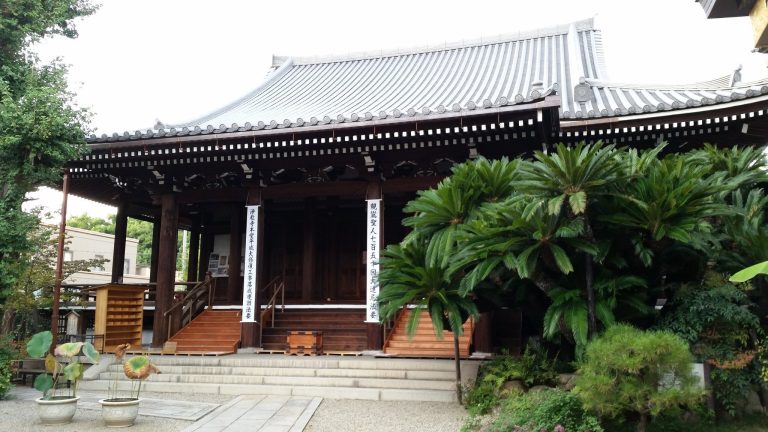
The mound stood on the alluvial fan of the Noto River, at the western edge of the foothills of Mount Kasuga. Its later history became closely linked to Daianji, one of the major state-supported Buddhist temples of Nara. When Daikan Daiji was moved to the capital in 710 and developed into present-day Daianji, part of Sugiyama Kofun and its surrounding moat was altered. The front section was partly levelled, the moat in front of it was filled, and monks’ quarters were built over the modified area.
A record from 747 describes the feature within the Daianji precinct as “a pond and mound.” Its incorporation into the temple grounds gives the burial mound an important place in the later history of the precinct. A traditional explanation in the Yamato Gazetteer connects the name Sugiyama with an earlier expression meaning “corner mountain.”
Tile Production and Archaeological Investigation
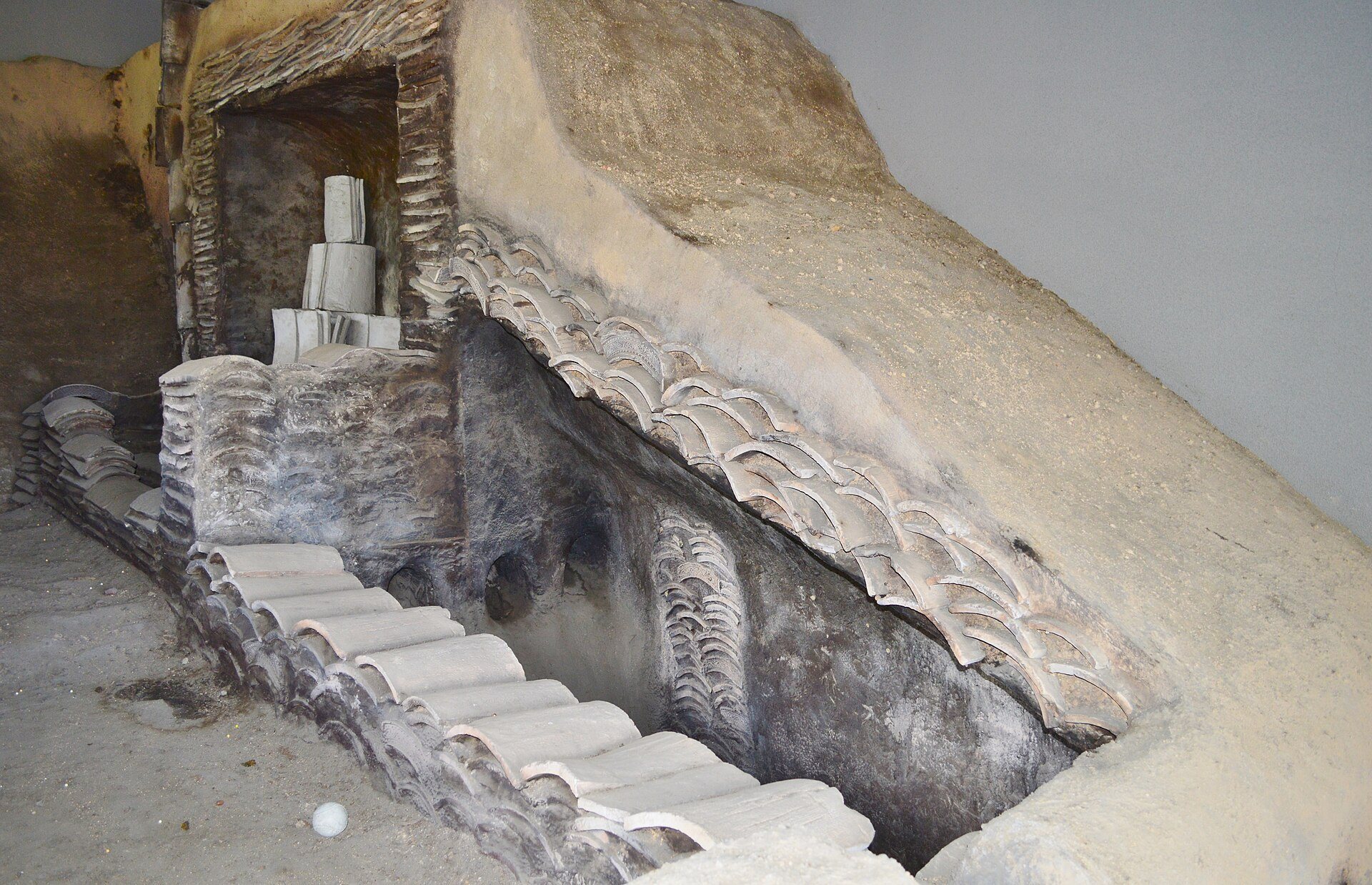
Six tile kilns were constructed on the surviving front section between the late Nara period and the Heian period. Known as the Daianji Sugiyama Tile Kiln Group, they show how the altered mound was reused for later production. The rear section was excavated in 1955 by the Nara Prefectural Archaeological Institute of Kashihara. Additional investigations took place from 1990 to 1994 during a site-improvement project, with the results reported in 1997.
The former Daianji precinct, including Sugiyama Kofun, entered the national historic-site designation formerly called the Daianji Pagoda Site on March 4, 1968. The designation was later renamed the Former Daianji Precinct, and in 2006 its official title became Former Daianji Precinct, Including the Ishibashi Tile Kiln Site. These changes recognize the wider archaeological landscape in which the mound survives.
Remains
Mound and Moat
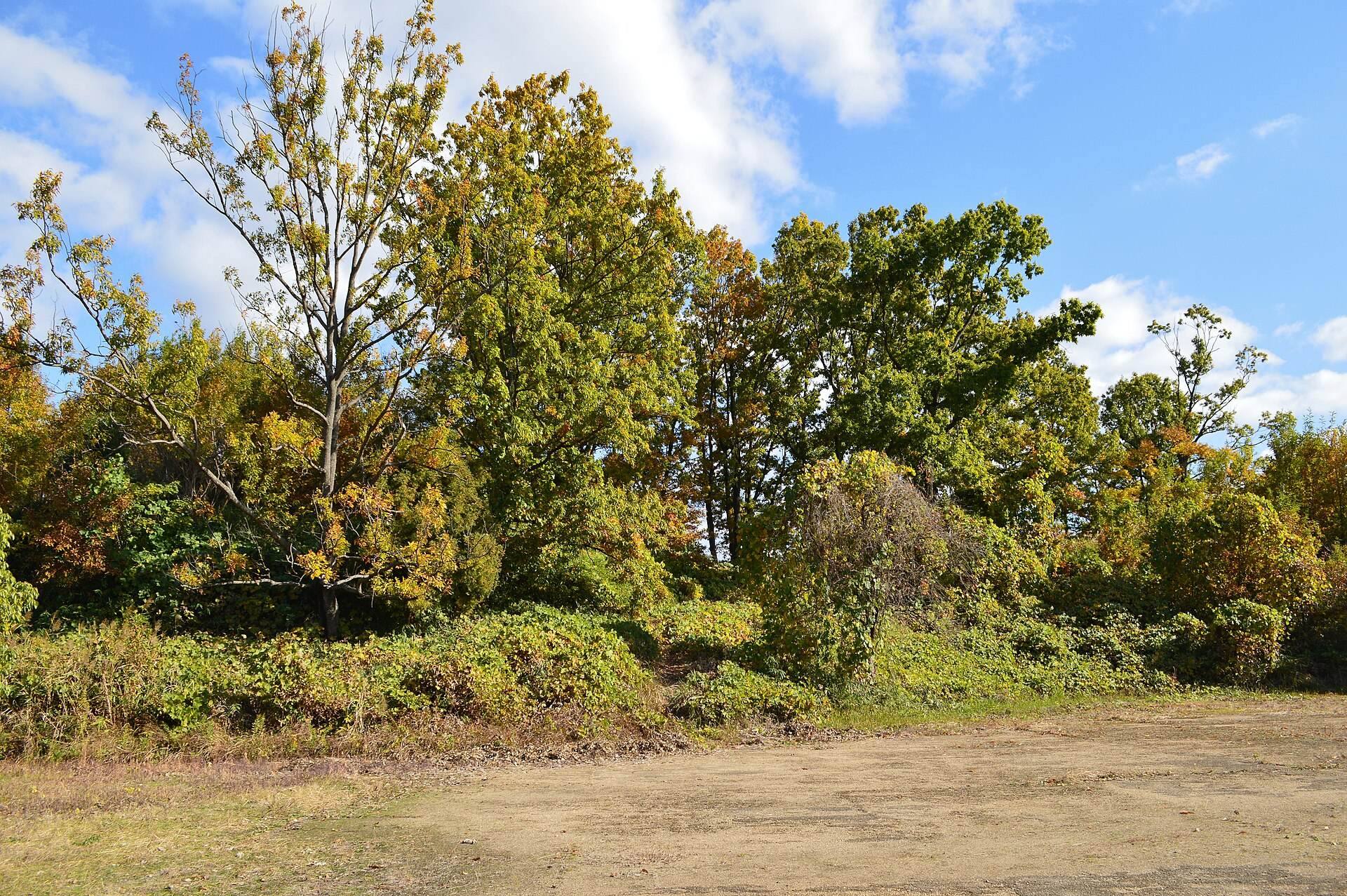
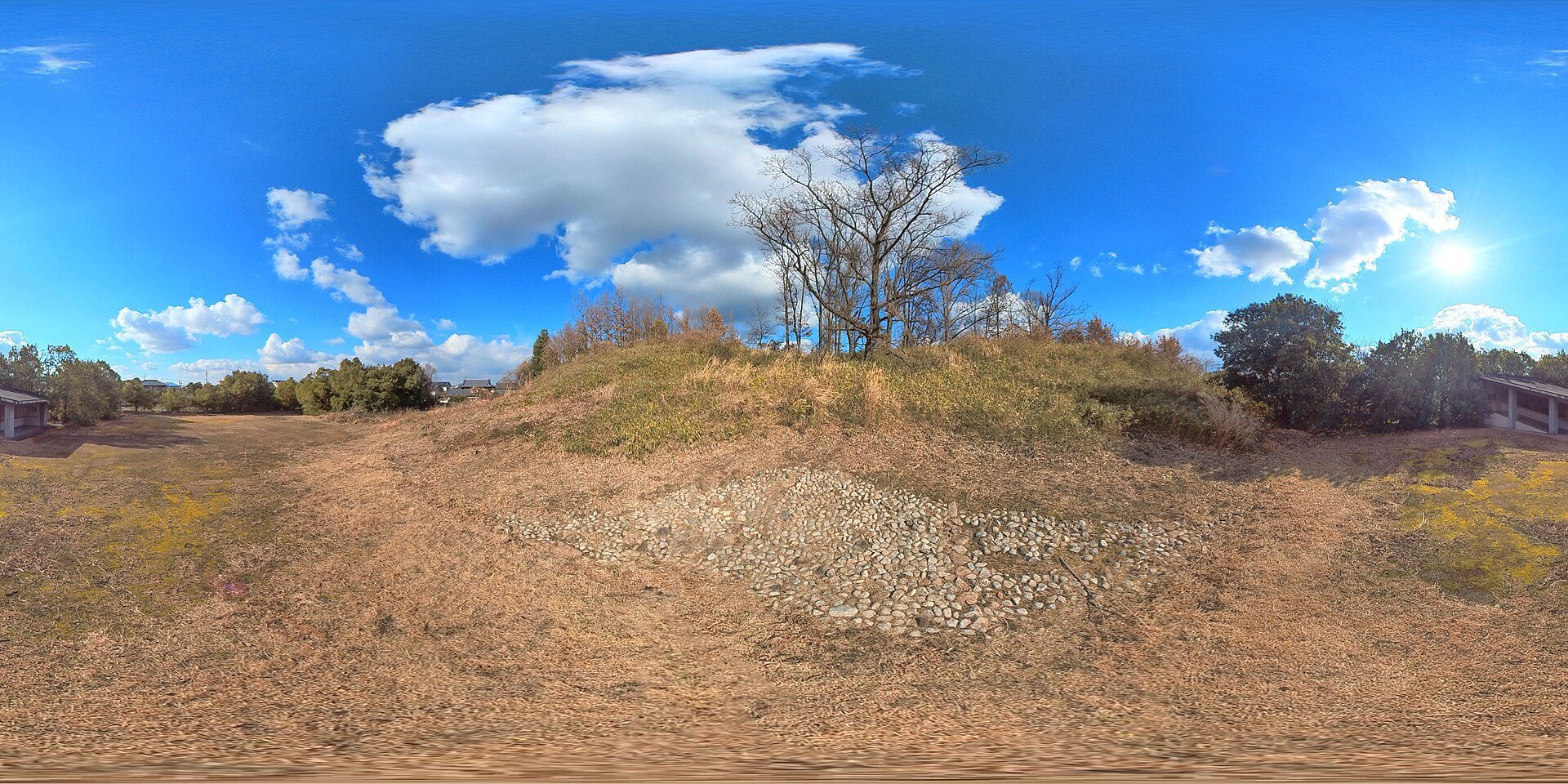
Sugiyama Kofun faces south and has the characteristic plan of a keyhole-shaped burial mound, with a circular rear section joined to a broad front section. The original mound measured 154 metres in length, while 120 metres remain. Including the surrounding moat, the full length exceeds 200 metres. The rear section is 84 metres in diameter and 11.2 metres high. The front section is 95 metres wide and 9.5 metres high.
A small projecting platform is attached near the eastern side of the front section. It measures about 14 metres from east to west and between 21 and 24 metres from north to south. A shallow, shield-shaped moat surrounded the mound. Stone facing was found on the mound surface and on the inner slope of the moat’s outer bank, showing that stone was used in the visible construction of both features.
Haniwa and Burial Construction
Rows of cylindrical haniwa were placed across the mound surface. Haniwa are clay objects associated with burial mounds, ranging from simple cylindrical markers to representations of people, animals, buildings, and equipment. At Sugiyama Kofun, the excavated examples include trumpet-shaped pieces and figures shaped as houses, umbrellas, armour, shields, quivers, people, and animals.
Clay mixed into the mound fill has led to the hypothesis that the tomb originally contained a burial facility enclosed in clay and that this structure was later destroyed. The excavated cylindrical and trumpet-shaped haniwa are kept and displayed at the Nara City Buried Cultural Properties Research Center.
Later Tile Kilns
The six tile kilns on the remaining front section belong to the late Nara or Heian period and represent a later industrial use of the mound. The No. 2 Sugiyama tile kiln has been reconstructed, preserving part of the evidence for tile production within the former Daianji precinct.