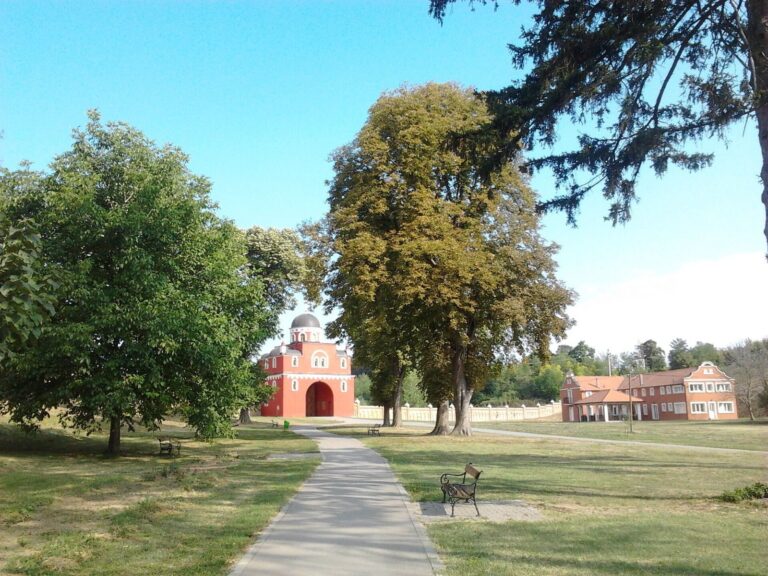
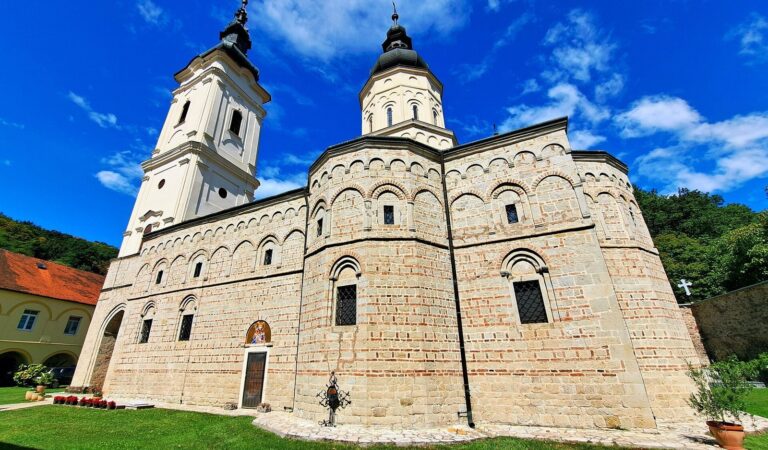
Staro Hopovo Monastery: A Serbian Orthodox Monastery in Fruška Gora
Site at a Glance
- Rating
- 4.9
- Popularity
- High
- Country
- Serbia
- Primary era
- Early Modern
- Eras represented
- Early Modern, Modern
- Civilizations
- Habsburg, Habsburg Austria, Serbian
- Site type
- Religious
- Remains
- Monastery
On this page12 sections
History
Staro Hopovo Monastery is a Serbian Orthodox monastery on an isolated plateau in eastern Fruška Gora, Serbia, about 2 km northeast of Novo Hopovo. Tradition credits its foundation in the late fifteenth century to Đorđe Branković, a Serbian ruler who later became a monk and Orthodox bishop under the name Maksim. The foundation is often dated to 1496–1502, though the date is uncertain. The first reliable recorded mention dates to 1545–1546; Serbian writings place the monastery slightly earlier than its appearance in mid-sixteenth-century Ottoman records. Staro Hopovo belongs to the Srem Eparchy, a diocese of the Serbian Orthodox Church.
Foundation and ties to Novo Hopovo
Staro Hopovo and Novo Hopovo shared a founder, land and privileges. For many years, their monastery churches also shared a patron saint. Staro Hopovo remained the smaller and poorer of the two and was sometimes called the “little monastery.”
Eighteenth-century rebuilding and resources
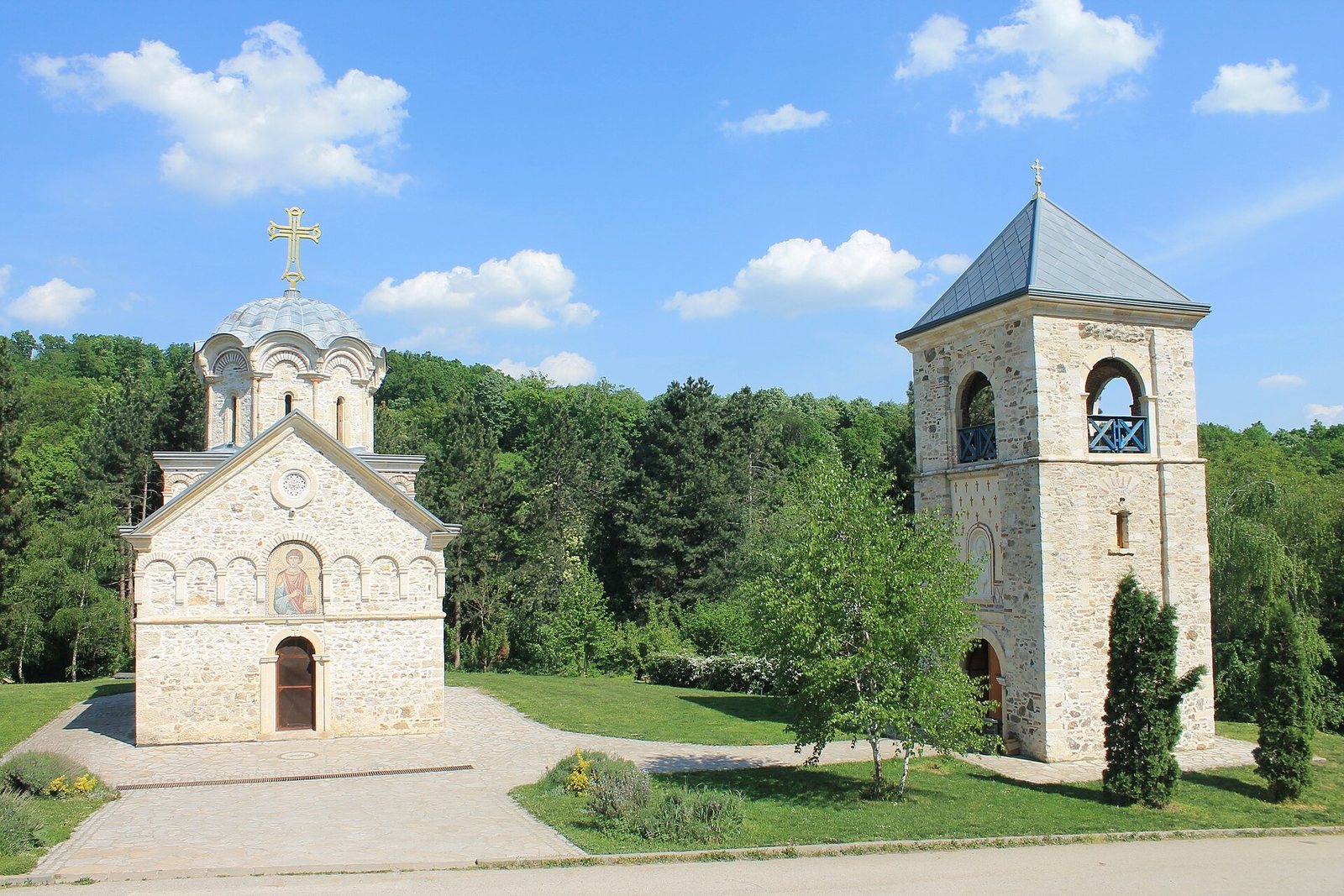
In 1747, relics of St Theodore Tyro, an early Christian soldier and martyr, were placed in a walnut reliquary commissioned by abbot Zaharija Milivojević and paid for by Mihajlo Čokić, a landowner from Bečej. The relics were later moved to Novo Hopovo, where they remain. An earthquake destroyed Staro Hopovo’s original church, dedicated to St Nicholas, in 1751. A replacement was built from 1752 to 1756 and consecrated in 1760. The monastery’s archimandrite, a senior rank in Orthodox monastic clergy, Zaharija Milivojević changed its dedication to St Panteleimon, a Christian martyr venerated as a healer. He chose the saint as his own patron by vow and distinguished the church from Novo Hopovo’s.
In 1753, Staro Hopovo depended on Novo Hopovo, whose abbot administered it and sent two monks to live and serve there in rotation. A description from that year calls it poor and lists four watermills and five mowing units of meadowland among its resources. A sandstone quarry associated with the monastery opened in 1856.
Wartime damage and revival
Staro Hopovo had been abandoned for about seventy years before the Second World War. During the war, it lay within the Independent State of Croatia, an Axis-aligned state governed by the Croatian fascist Ustaše movement. The Ustaše damaged and dismantled the iconostasis, the screen of icons separating the sanctuary from the main church space, and destroyed the monastery residence. The church was also severely damaged, and part of the iconostasis was burned. The monastery was left in ruins.
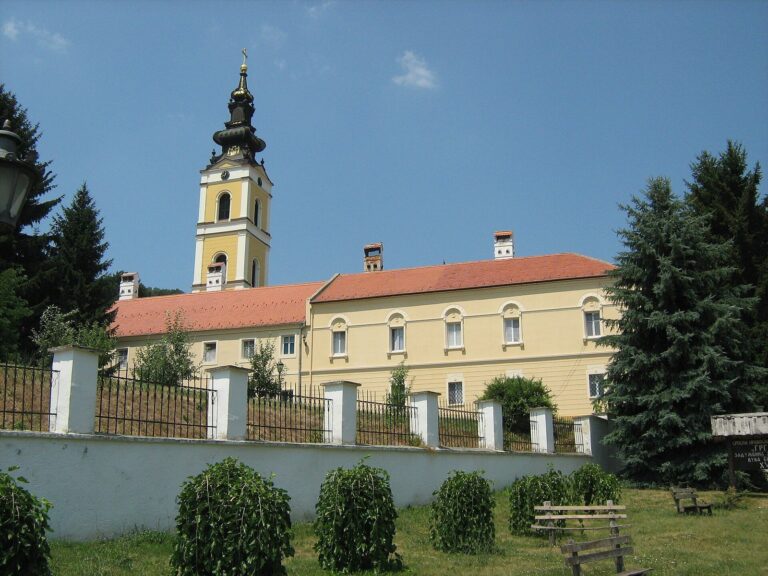
Church restoration began in 1957, when reused tiles were laid on the roof. Further renovation took place in 2001–2006 and continued during the two decades leading up to 2022. The first liturgy in the church after the war was held on Midsummer Day in 2006. In 2008, the monastery was revived as a male monastery under Archimandrite Atanasije Gatala and a community of monks; its bell tower was built between 2008 and 2011. The state declared Staro Hopovo a cultural monument of exceptional importance in 1990 and protects it.
Remains
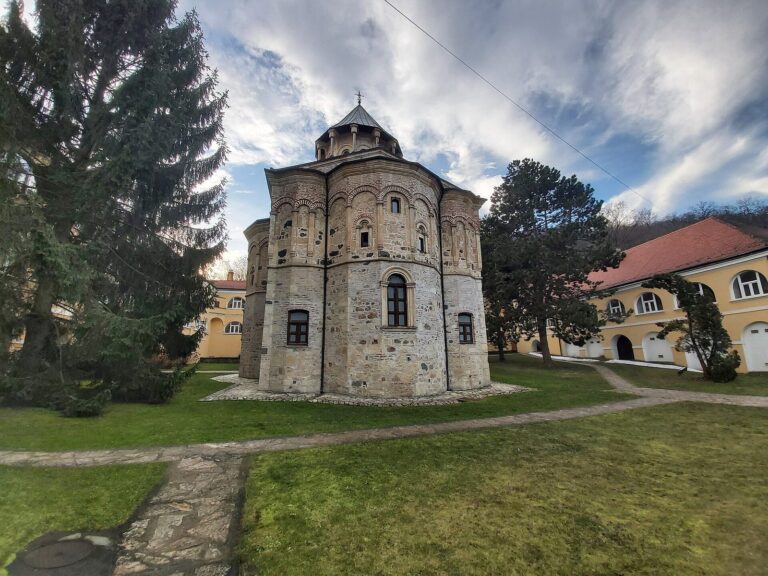
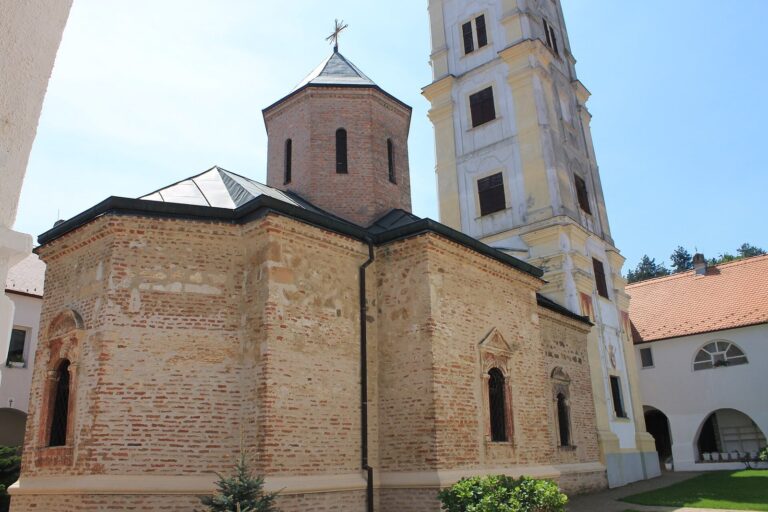
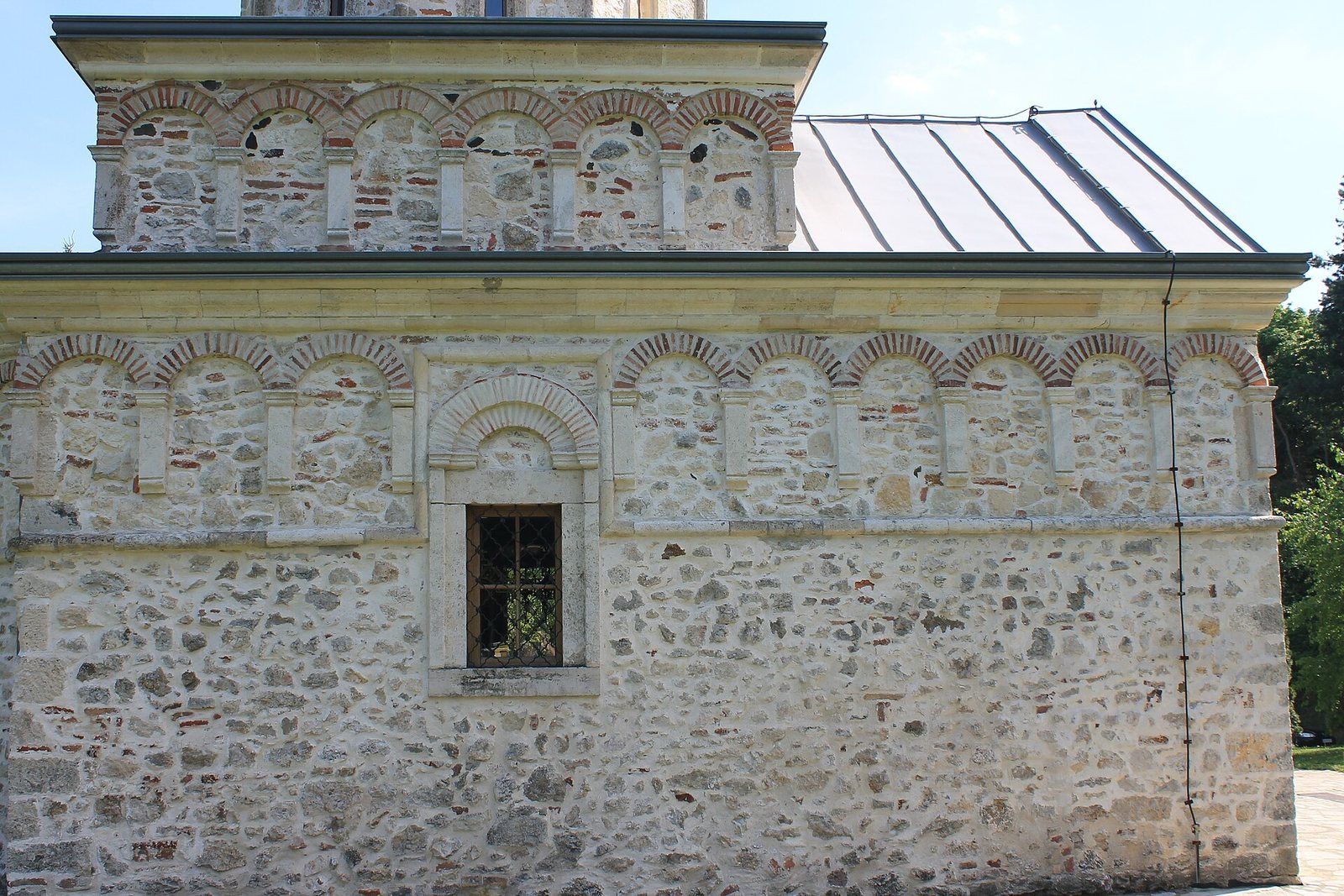
The monastery stands on a plateau in eastern Fruška Gora. Its main church is a single-nave building, meaning it has one principal lengthwise space, with a dome. Dressed stone and brick form its walls; the floor is brick, and the roof is covered with oak shingles.
The church
Earlier church
The earlier church had timber walls and a tiled roof. An altar table was left unprotected after the building’s destruction. It may have been moved into the replacement church or buried, but its fate is uncertain.
Replacement building
The replacement church’s stone-and-brick construction, brick floor and oak-shingle roof distinguish its physical form. In 1753, its walls were whitewashed rather than painted, and it had no iconostasis.
Iconostasis and paintings
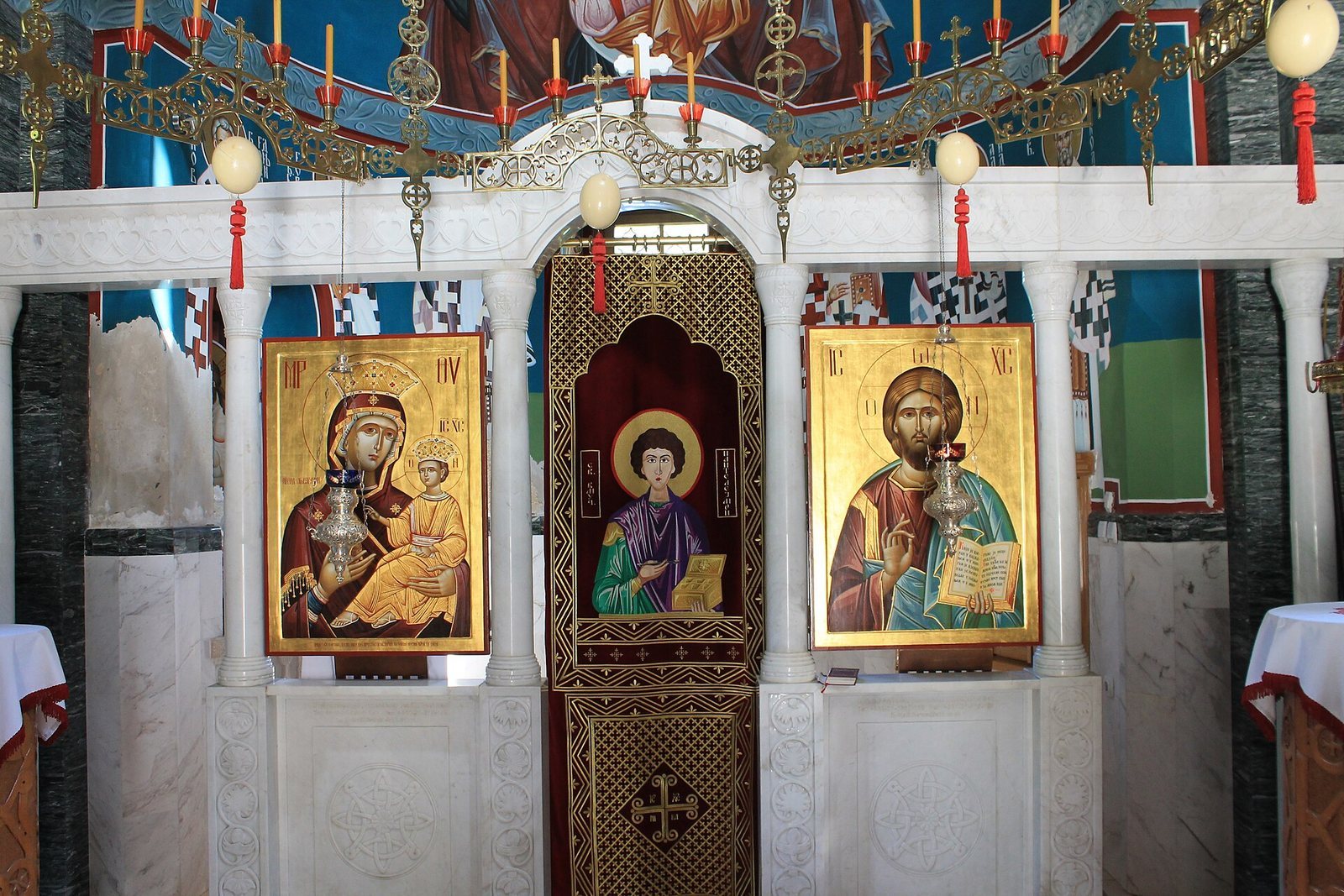
A carved iconostasis in the Baroque style, an ornate artistic style widespread in Europe in the seventeenth and eighteenth centuries, was installed later. Thomas Firtler made it; it is dated to the second half of the eighteenth century, with its woodcarving also dated to 1793. It was gilded in the first half of the nineteenth century. Jefrem Isajlović painted the principal-tier icons in 1793 and is also credited with a painting campaign dated 1793–1800. Janko Halkozović and Kuzman Kolarić are also named as painters, and some icons by Halkozović survive.
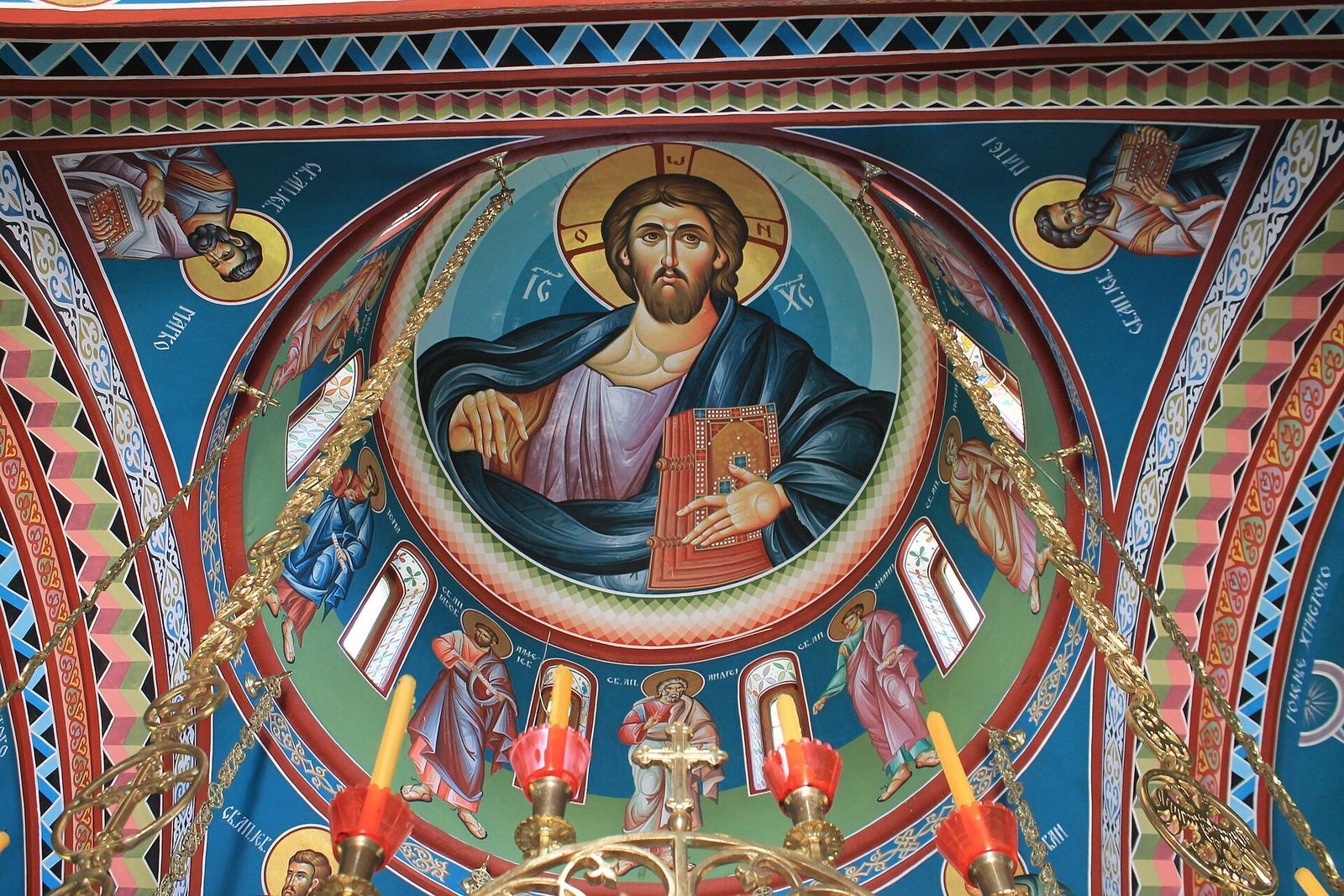
Murals by Borislav and Marija Živković were funded by Stojko Draganić of Novi Sad. Their subjects include Christ Pantocrator, a depiction of Christ as ruler of all, on the dome, as well as the Virgin and Child, the Crucifixion, the Dormition of the Mother of God and saints including St Sava.
Chapel and monastery grounds
Spring chapel
A small chapel stands near the monastery above an old spring, which feeds the Jelenca stream.
Residence
The former monastery residence contained two monastic cells and a refectory.