St Matthias Old Church: An East India Company Chapel in Poplar
Site at a Glance
- Popularity
- Medium
- Country
- United Kingdom
- Primary era
- Early Modern
- Eras represented
- Early Modern, Modern
- Civilizations
- British, English
- Site type
- Religious
- Remains
- Church
On this page8 sections
History
Origins and the need for a chapel
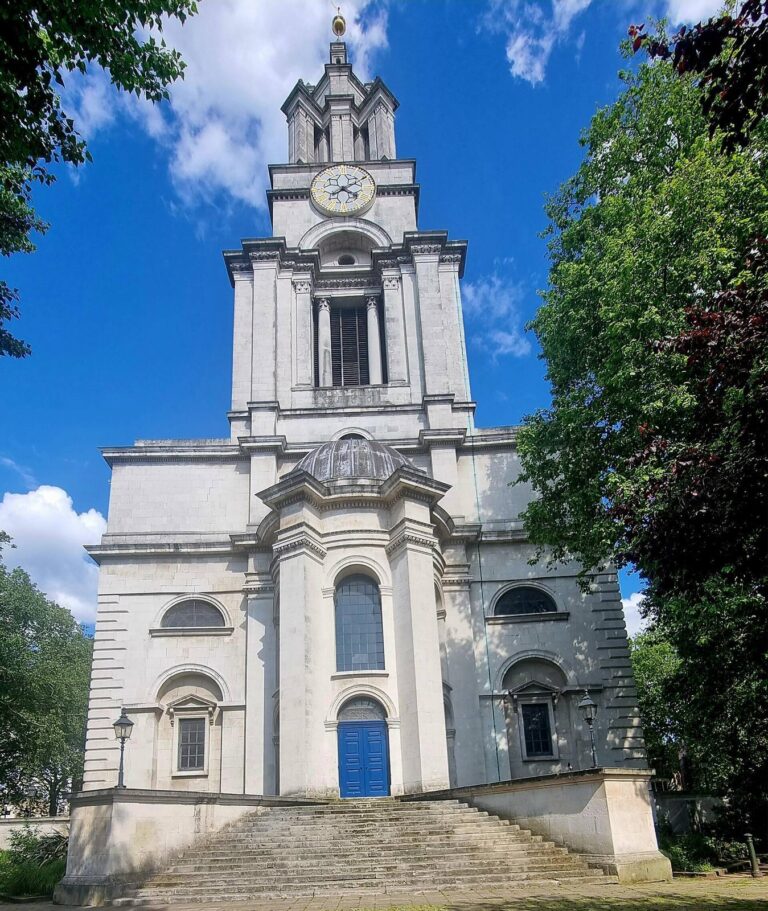
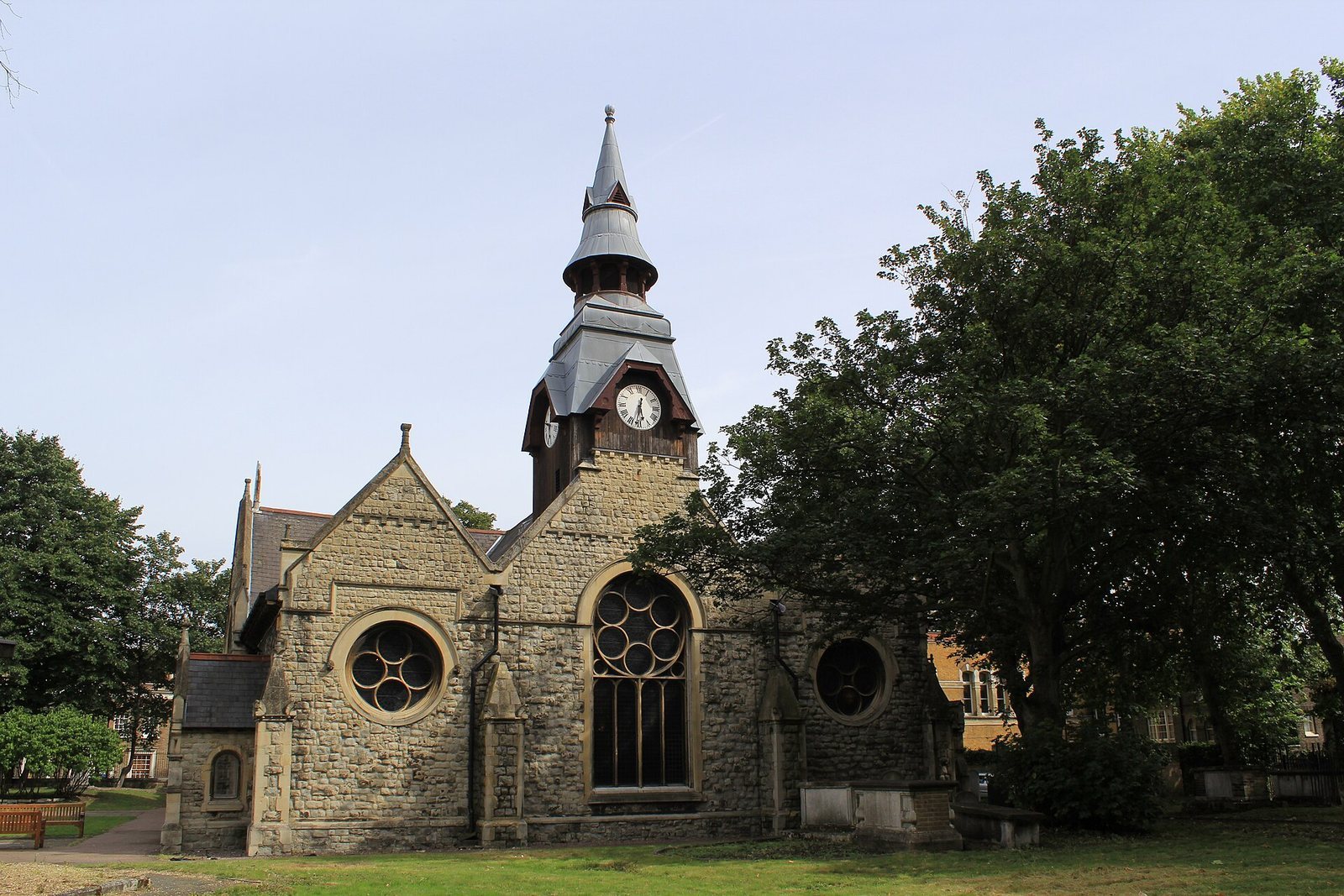
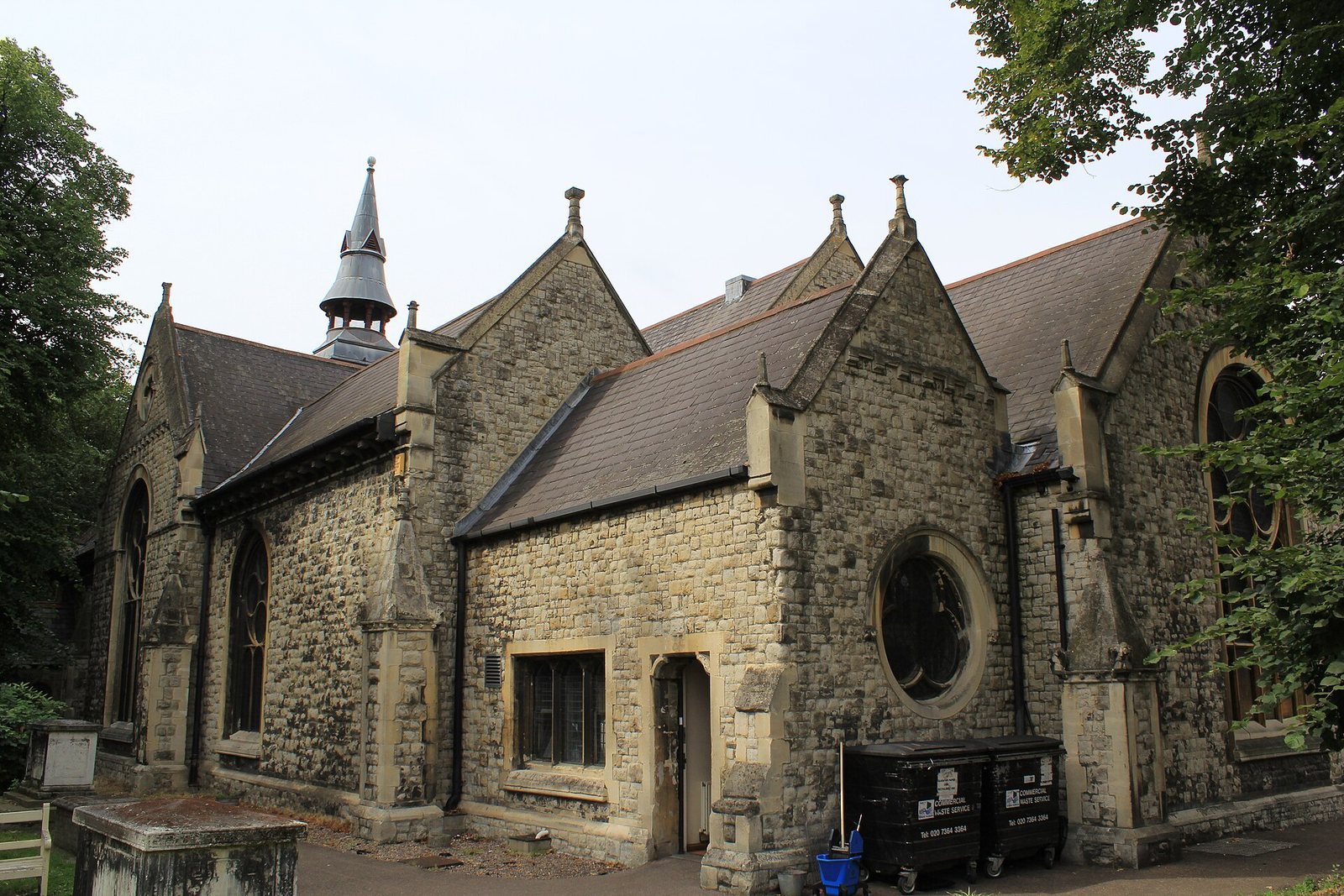
St Matthias Old Church, the modern name of Poplar Chapel, is a former East India Company chapel in Poplar, London, United Kingdom. The Company, an English trading corporation with extensive interests in Asia, built it in 1654 during the Commonwealth, England’s republican period after the monarchy was abolished in 1649. Its design combines Classical and Gothic elements, and it is one of the few churches built during the Commonwealth to survive.
The Company had established a shipyard at Blackwall in 1614. In 1627 it bought a house on Poplar High Street to serve as a hospital for disabled seamen. The purchase followed a bequest by Hugh Greete, a jeweller sent back from India in 1618 after stealing stones. He died in prison in 1619 and directed that a school or hospital be established from his estate.
In 1633, people from Poplar and Blackwall, many employed by the Company, sought a local chapel because St Dunstan’s in Stepney was too distant. Gilbert Dethick, lord of the manor, left £100 towards the project when he died in 1639, on condition that building work begin within three years.
Construction and use as Poplar Chapel
Construction began as the English Civil War, a series of conflicts in the 1640s and early 1650s, broke out. The wider period was marked by religious dispute. Archbishop of Canterbury William Laud, a prominent participant in debates over church design and decoration, was executed in 1645. Work on the chapel advanced in earnest in 1652, supported by a further bequest from Company director Sir John Gayer and money from the Company. John Tanner, Master of the Bricklayers’ Company, received the first payment in 1654 and became the principal builder.
A burial ground was assigned to the chapel in 1657. Prayers were held for mariners and passengers setting out on potentially dangerous voyages; many early migrants to British North America would have attended before departure. The chapel also served nearby almshouses, charitable housing for retired Company seamen known as Poplar Pensioners. Officers had premises near East India Dock Road, while other ranks lived on Poplar High Street.
Parish church and changing use
Between 1841 and 1844, eight sailors from Asia were buried in the churchyard. After the Indian Rebellion of 1857, a major uprising against Company rule in India, and the winding up of the East India Company, Poplar Chapel became St Matthias, a Church of England parish church. Its first vicar was John Fenwick Kitto, appointed by Archibald Campbell Tait, who served as Archbishop of Canterbury. The church underwent substantial alterations from 1867 to 1876.
In the 1970s, St Matthias joined St Anne’s, Limehouse. St Matthias had a thriving congregation, while St Anne’s had a much smaller one but was considered too architecturally prestigious to close. The congregation moved to Limehouse, and St Matthias was declared redundant and deconsecrated in 1977. It is a Grade II* listed building, a high-level designation in England for buildings of special architectural or historic interest.
After several years of neglect, English Heritage and the London Docklands Development Corporation agreed to a major restoration in 1990, with an arts centre proposed as a new use. Debate followed over the building’s future and local involvement. The St Matthias Conservation Trust was established in 1992 to preserve it and support its use as a community centre. The building now houses St Matthias Community Centre, a charity serving Blackwall and Limehouse.
Remains
Original building
The church is built of brick, with dressed stone blocks, or quoins, at its corners. Inside, a continuous curved ceiling rests on eight Tuscan columns, a simple classical type of column. Seven are made of oak and one of stone. The interior has a Dutch architectural character, compared with churches built in early-seventeenth-century Amsterdam by Dutch architect and sculptor Hendrick de Keyser. The design has also been compared with St Katherine Cree in the City of London, consecrated in 1631.
Additions and alterations
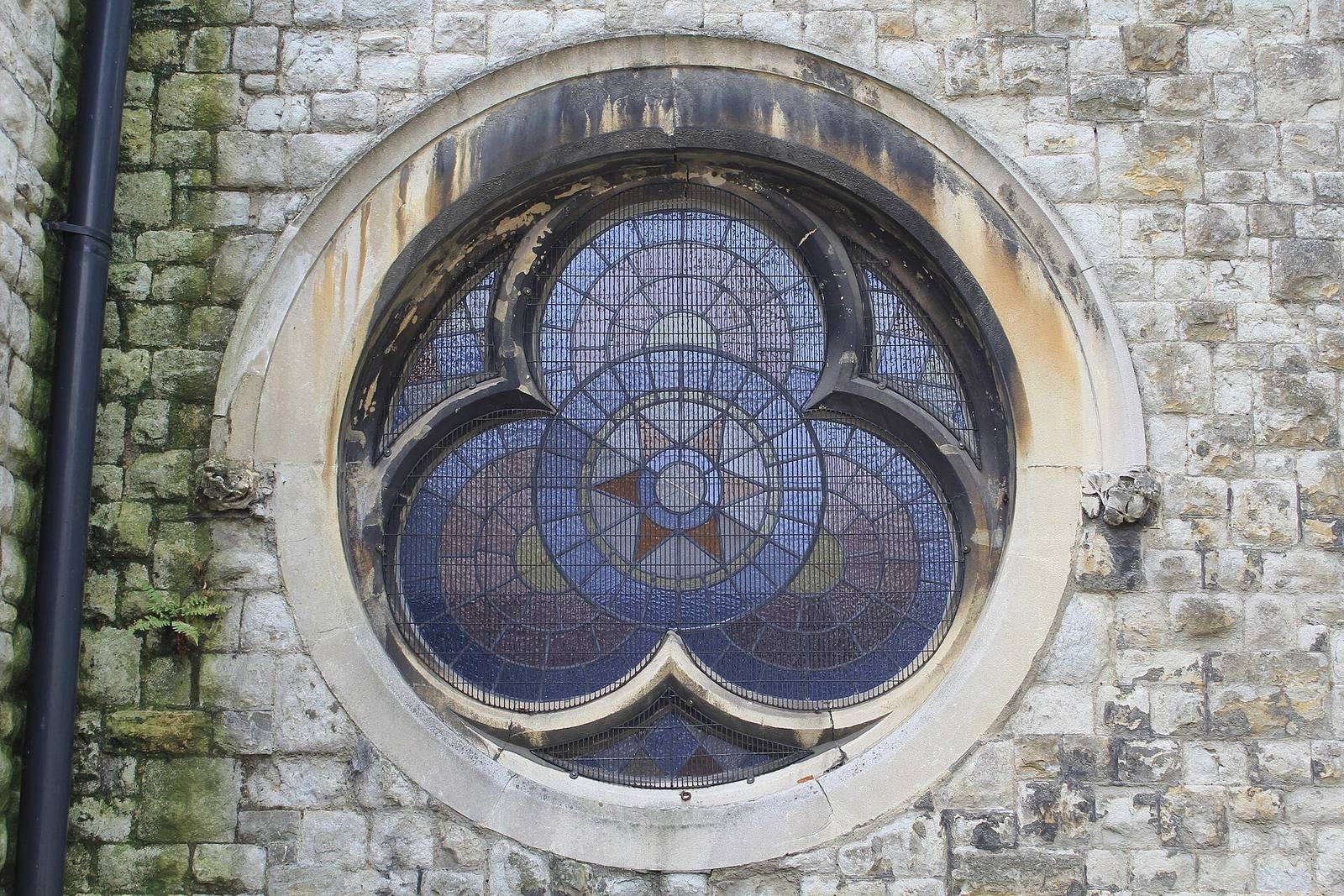
A tower was added in 1718, followed by a pulpit with three stacked levels in 1733. Architect Richard Jupp directed extensive repairs and changes to the windows in 1775–1776. During the works of 1867–1876, the exterior was clad in Kentish ragstone, and an altar area, a room for clergy and church business, and a chamber for the organ were added. The church also received a new pulpit, baptismal font and organ.
Memorials and wartime fabric
An early-nineteenth-century wall-mounted memorial to George Steevens, made by sculptor John Flaxman, is on loan to the Fitzwilliam Museum in Cambridge. In 1920, East London Masonic lodges installed stained-glass windows bearing symbols of Freemasonry, a fraternal organization, in memory of members who died in the First World War. St Matthias survived the heavy bombing of Poplar during the Second World War, and fragments of shrapnel remain embedded in some walls.