St. Mary le Wigford’s Church, Lincoln: An 11th-Century Parish Church
Site at a Glance
- Rating
- 4.8
- Popularity
- Medium
- Country
- United Kingdom
- Primary era
- Medieval
- Eras represented
- Medieval, Modern
- Civilizations
- Anglo-Saxon, British, English
- Site type
- Religious
- Remains
- Church
On this page8 sections
History
Early church
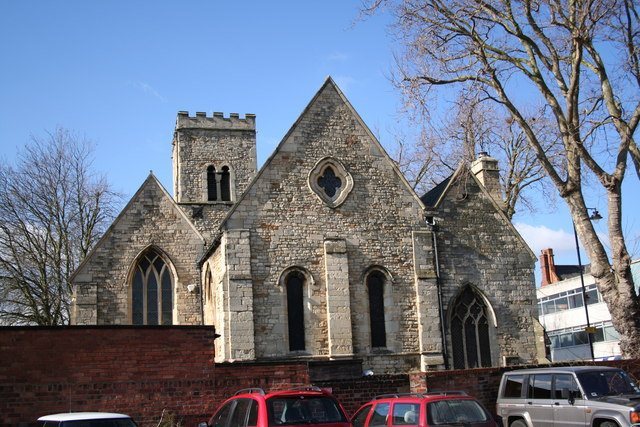
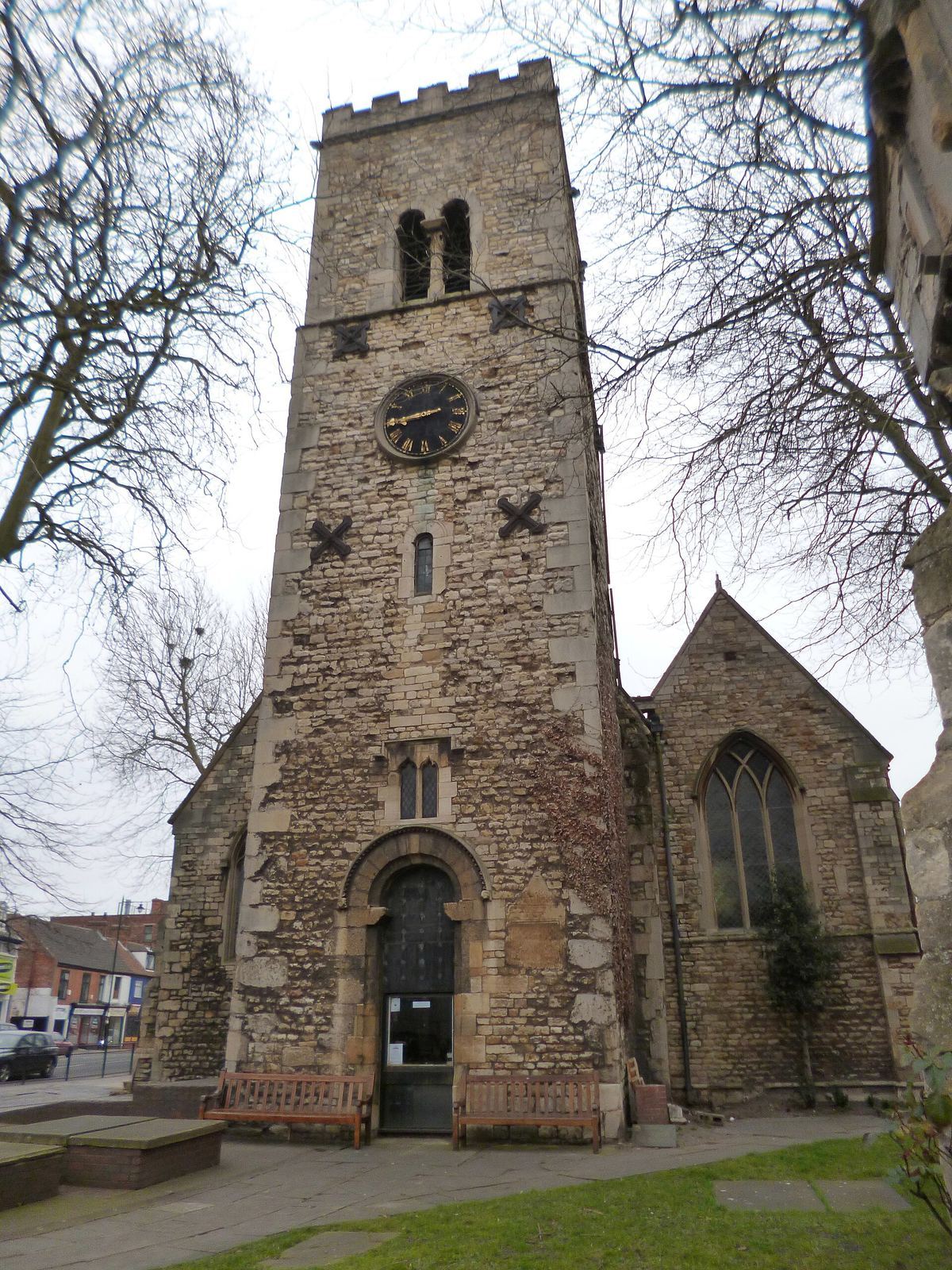
St. Mary le Wigford’s Church, Lincoln, is an 11th-century parish church in the United Kingdom, with additions from the 12th and 13th centuries. Its dedication inscription credits Eirtig with having the church built and endowed in honor of Christ and Saint Mary.
Later use and restoration
The church is part of the Church of England’s Diocese of Lincoln, a regional area of church administration. It is described as Broad Church, a tradition with a relatively inclusive approach to church practice and belief. Its Grade I listing places it in England’s highest listed-building category, for buildings of exceptional interest.
Restoration took place in 1872. The tower was restored in 1908, and further additions and alterations followed in 1975.
Remains
The church’s surviving features include a west tower and a south aisle, along with a dedication stone and four bells in the tower. An alabaster chest tomb dated 1618 is also among its remains.
West tower
Dedication stone
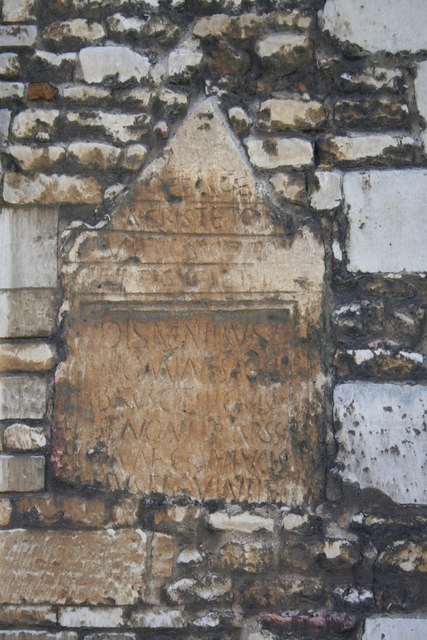
A reused Roman tombstone, from the period of Roman rule in Britain, serves as the tower’s dedication stone. Its inscription belongs to the Anglo-Saxon period, the early medieval era in England before the Norman Conquest. The inscription credits Eirtig with building and endowing the church.
Bells
The tower holds four bells, all cast in the 17th century. Two date from 1616, and two smaller bells were added in 1636. In 1932 the bells were rehung and retuned as numbers one to four in a six-bell sequence.
South aisle and tomb
The south aisle was added in 1877. The 1618 alabaster chest tomb commemorates Sir Thomas Grantham, a knight, and was originally in St Martin’s Church in Lincoln, which has since been demolished. The tomb may be the work of Maximilian Colt, a Flemish-born sculptor who worked in England and was known for monumental and tomb sculpture.