St Laurence’s Church, Reading: A Medieval Parish Church
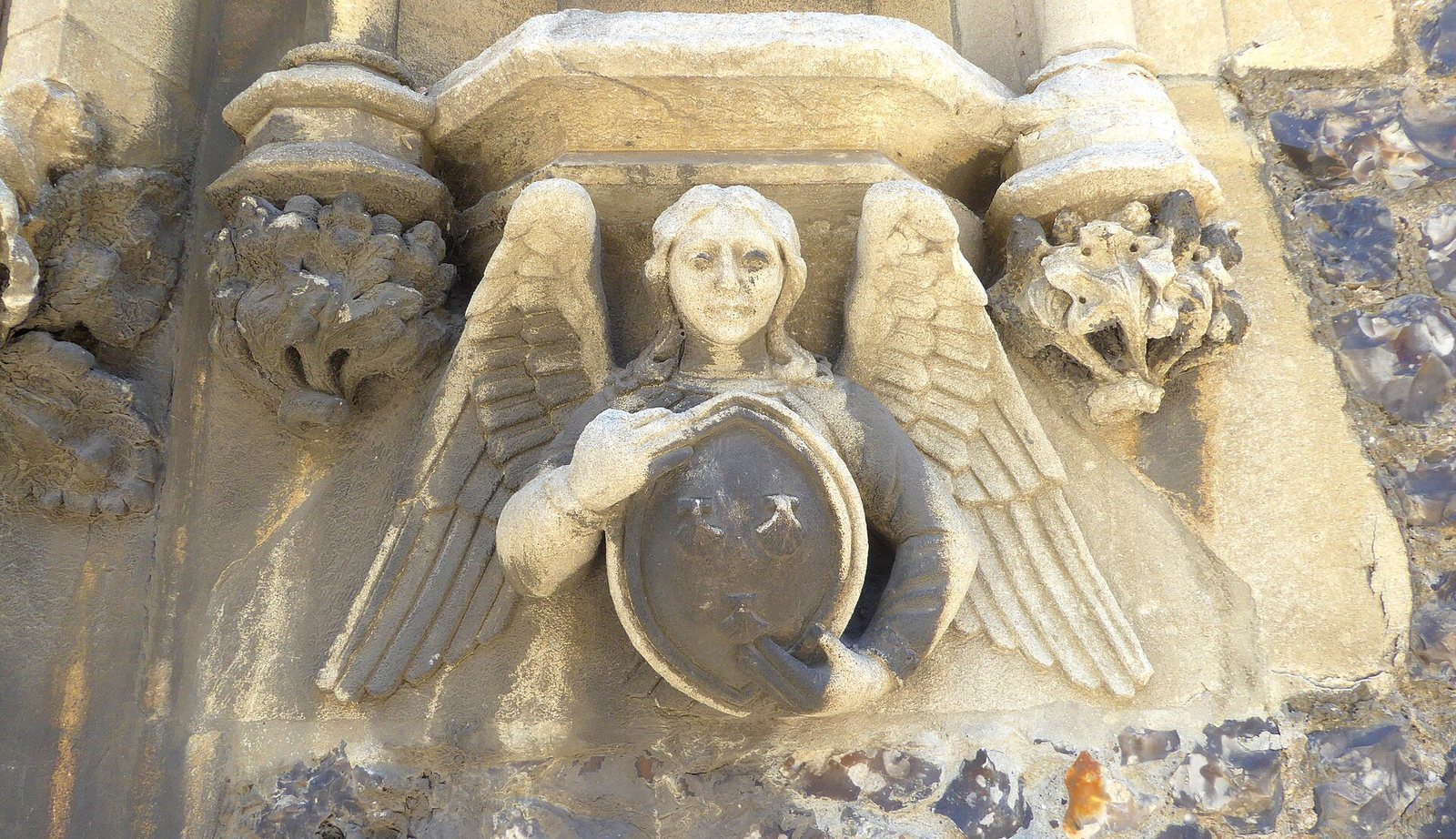
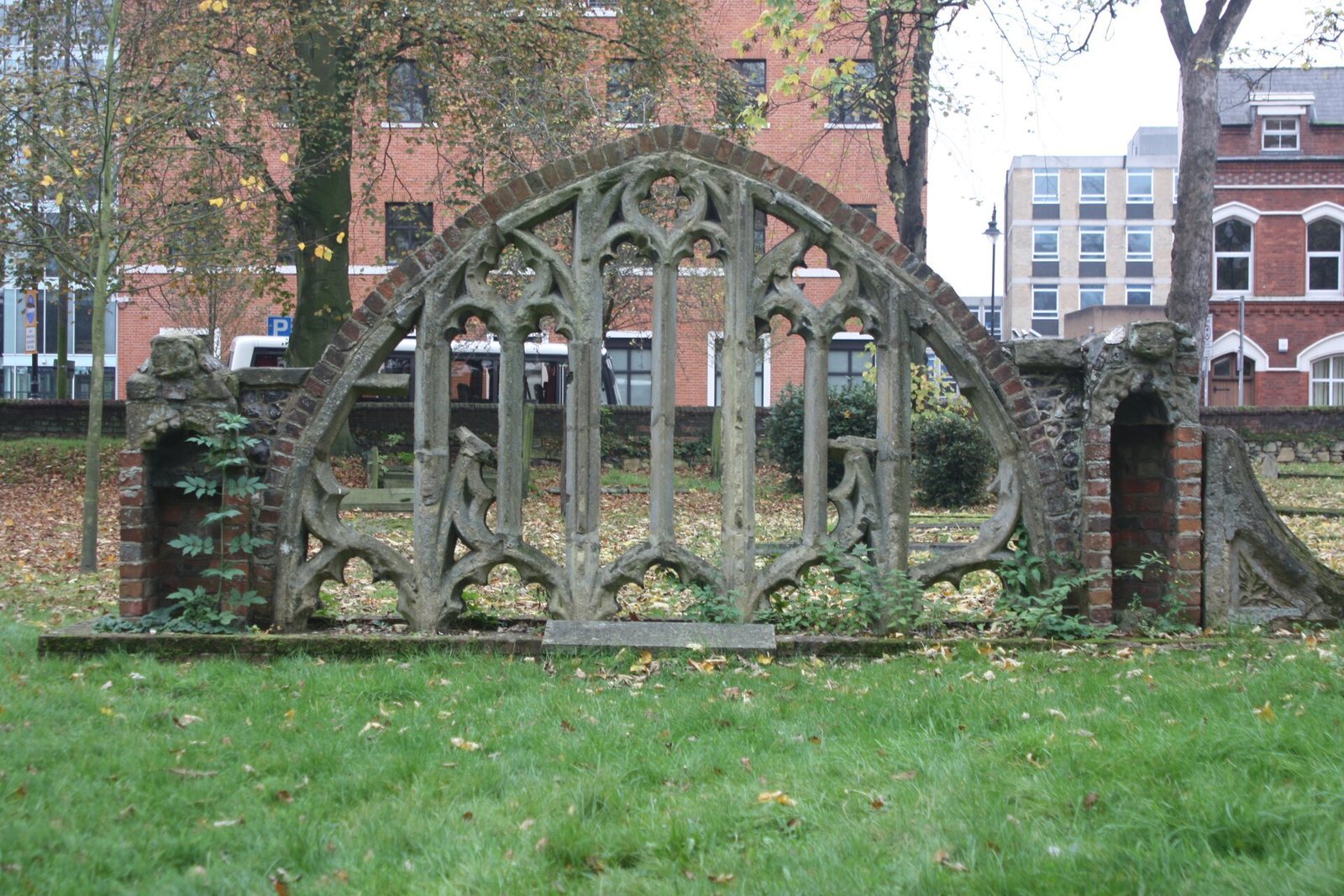
Site at a Glance
- Rating
- 4.5
- Popularity
- Medium
- Country
- United Kingdom
- Primary era
- Medieval
- Eras represented
- Medieval, Early Modern, Modern
- Civilizations
- British, English, Norman
- Site type
- Religious
- Remains
- Church
On this page11 sections
History
Foundation and medieval Reading
St Laurence’s Church is a medieval parish church in Reading, United Kingdom, founded in the 12th century during the Norman period to serve the town’s eastern population. It was one of the three original parish churches of medieval Reading.
Its position beside Reading Abbey, a Benedictine monastery, encouraged trade in the eastern part of town. A large marketplace grew around the church, with a pillory and stocks.
Rebuilding and later use
The church underwent major rebuilding in 1196, in the 15th century, and again in 1867. On 10 February 1943, a bombing raid damaged the building and killed 41 people.
As attendance declined, St Laurence’s parish merged with St Mary’s in the 1970s. At the end of the 20th century, the church took on a new role. It now serves as a Church of England mission church focused on encouraging faith among young people. St Laurence’s is Grade I listed, England’s highest listing category for buildings of exceptional interest.
Remains
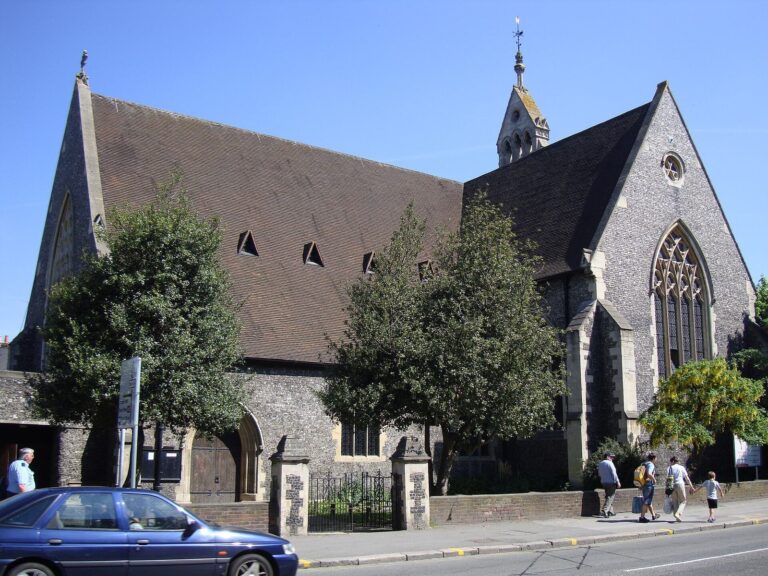
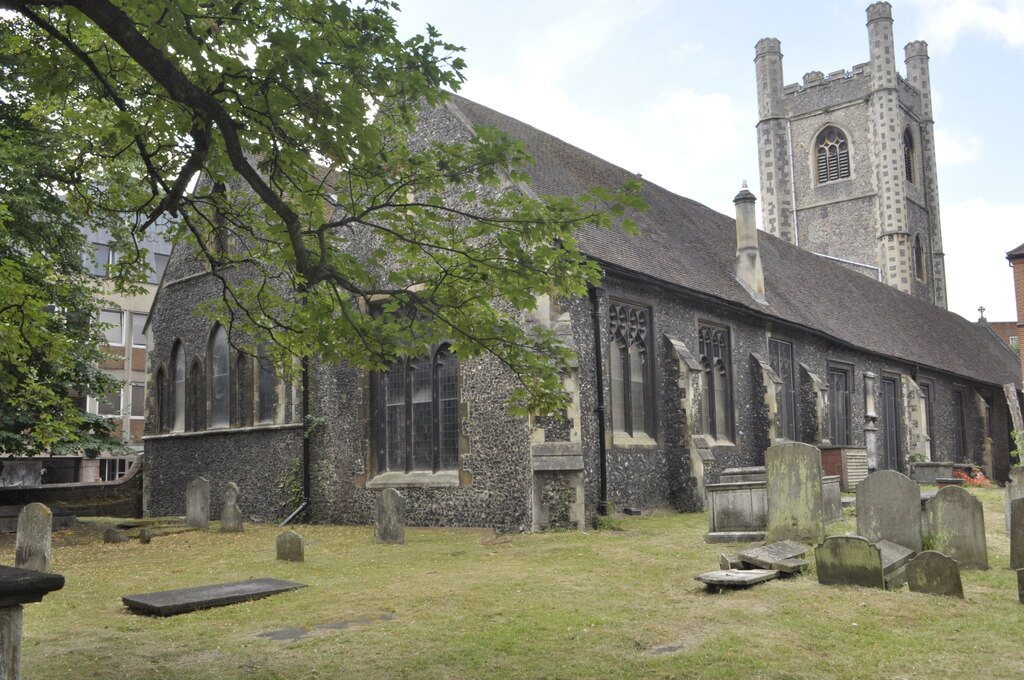
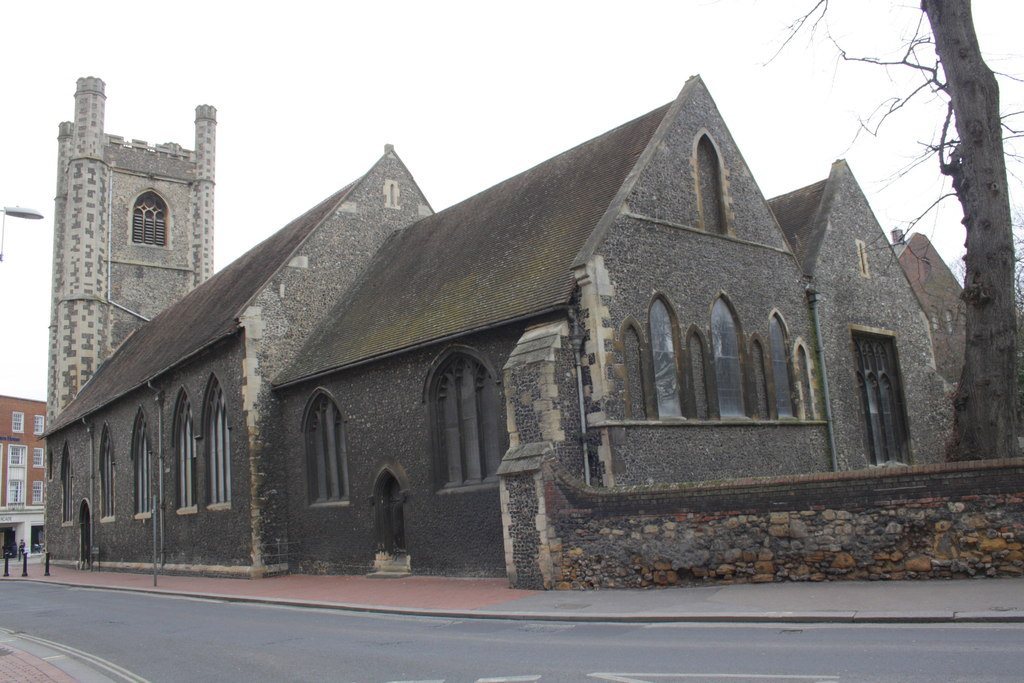
The church stands beside the site of Reading Abbey. Its flint walls have finely cut stone blocks at the corners, and its Norman architecture belongs to the Romanesque tradition associated with Norman rule in England. The surrounding area was once bounded by the main Compter Gate to the south and the Hospitium of St John to the north, a guesthouse associated with a religious institution. Damage from the 1943 raid remains visible in the building.
Medieval structures and setting
North aisle chapel
A chapel that belonged to the Hospitium of St John survives in the church’s north aisle.
Tower
The church’s three-stage tower was built in 1458 and forms the northern end of the view from Reading’s old Market Place.
Blagrave’s Piazza
Erected in 1619 along the south wall, Blagrave’s Piazza is a six-arched loggia, or roofed, open-sided gallery. A small lockup for temporary detention stood beneath the farthest arch.
Interior features and alterations
Memorial and font
The interior contains a memorial to John Blagrave, a 16th-century English mathematician. Its font dates to 1522 and was used to christen William Laud, who later served as Archbishop of Canterbury from 1633 to 1645.
Mezzanine
The interior was reorganised in the late 20th century, when a modern mezzanine floor was added to one side of the nave, the church’s main body extending from the entrance towards the altar.