St John the Baptist’s Church in Lanckorona: A Gothic Parish Church
Site at a Glance
- Popularity
- Low
- Country
- Poland
- Primary era
- Modern
- Eras represented
- Modern
- Civilizations
- Austria-Hungary, Habsburg
- Site type
- Religious
- Remains
- Church
On this page9 sections
History
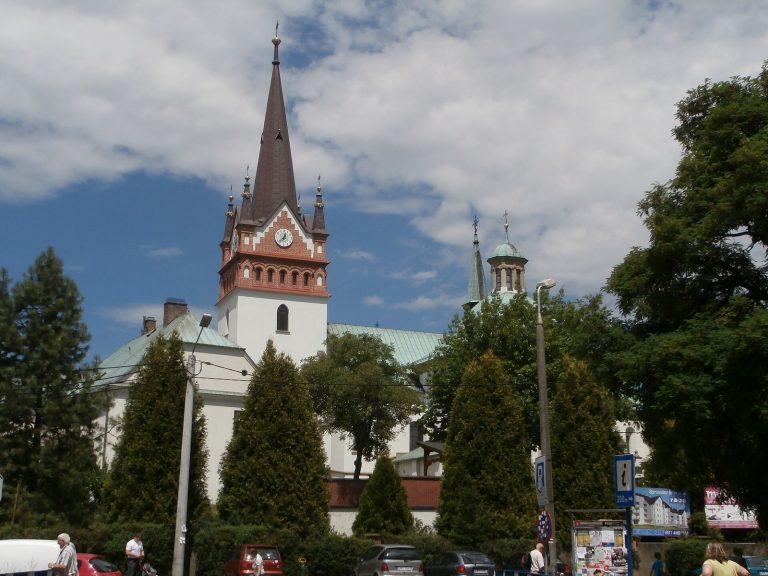
St John the Baptist’s Church in Lanckorona is a Roman Catholic parish church in Poland, dedicated to the Nativity of St John the Baptist. Built in the medieval Gothic style, its construction began in the 14th century. In 1336, Casimir III the Great, king of Poland from 1333 to 1370, founded and endowed it below the castle on Lanckorona Mountain. The parish belongs to the Kalwaria deanery, a local grouping of parishes, within the Archdiocese of Kraków, a major regional church jurisdiction.
Sixteenth and seventeenth centuries
The church was remodeled in the mid-16th century and consecrated on 29 September 1649 by Bishop Wojciech Lipnicki. It was later destroyed during the Swedish Deluge, the Swedish invasion and occupation of parts of the Polish-Lithuanian Commonwealth in the mid-17th century.
Eighteenth-century additions and destruction
A Rosary Chapel was added to the nave in 1712. During the Bar Confederation, a Polish noble revolt against Russian influence and the king fought from 1768 to 1772, Russian forces burned and destroyed the church again.
Nineteenth- and twentieth-century work
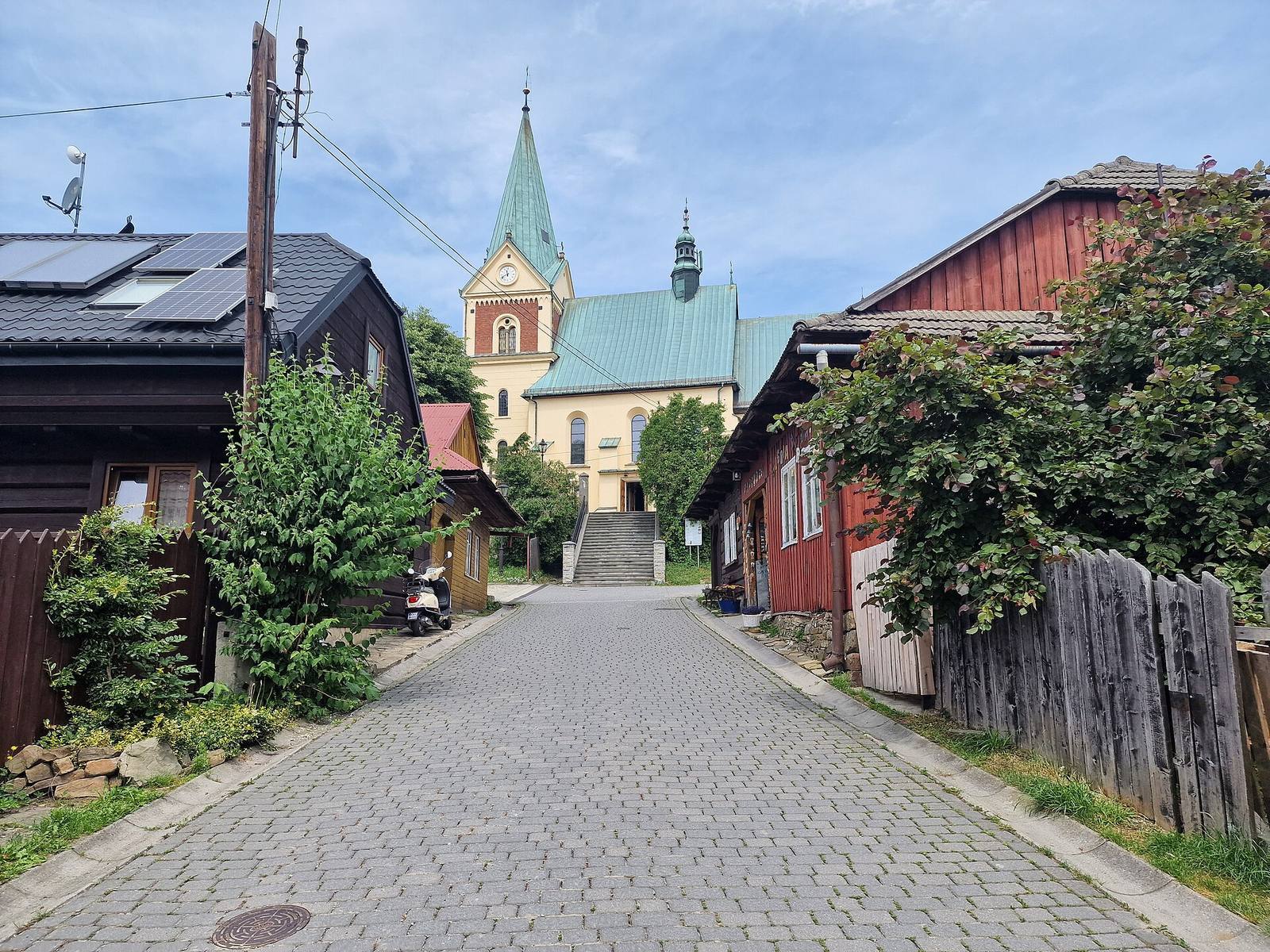
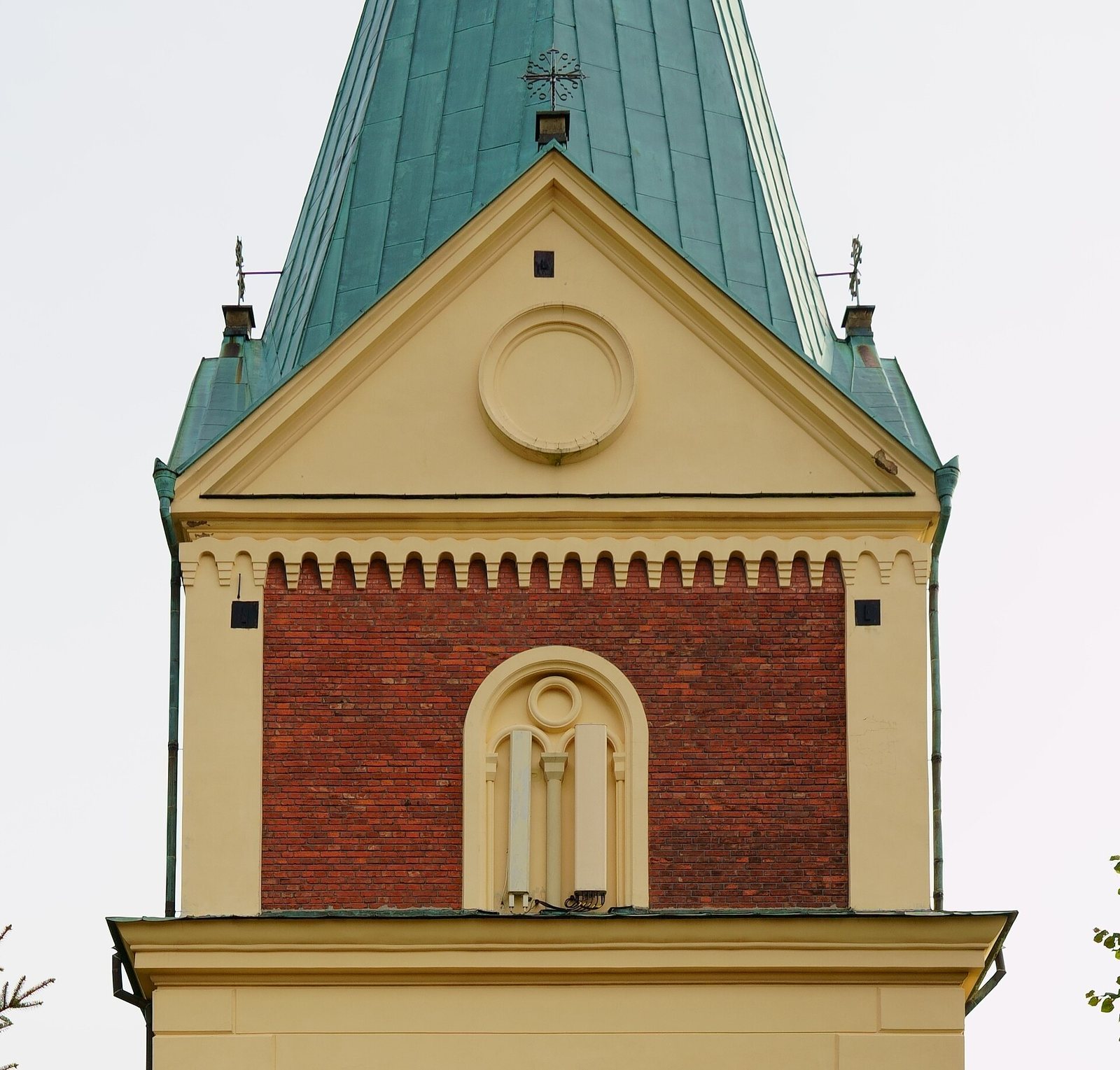
A wooden tower was added at the church’s western end during the 19th century and replaced by a masonry tower later in that century. After the rebuilding, the church was blessed in 1894 by Antoni Opidowicz, a priest from Sułkowice. The tower was renovated in the early 20th century, followed by comprehensive restoration. During the 20th century, the exterior was renewed and the roof covering repaired.
Remains
Building and furnishings
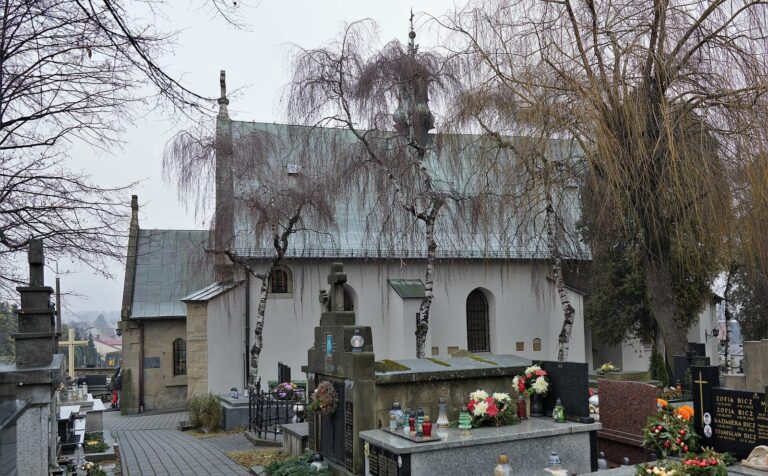
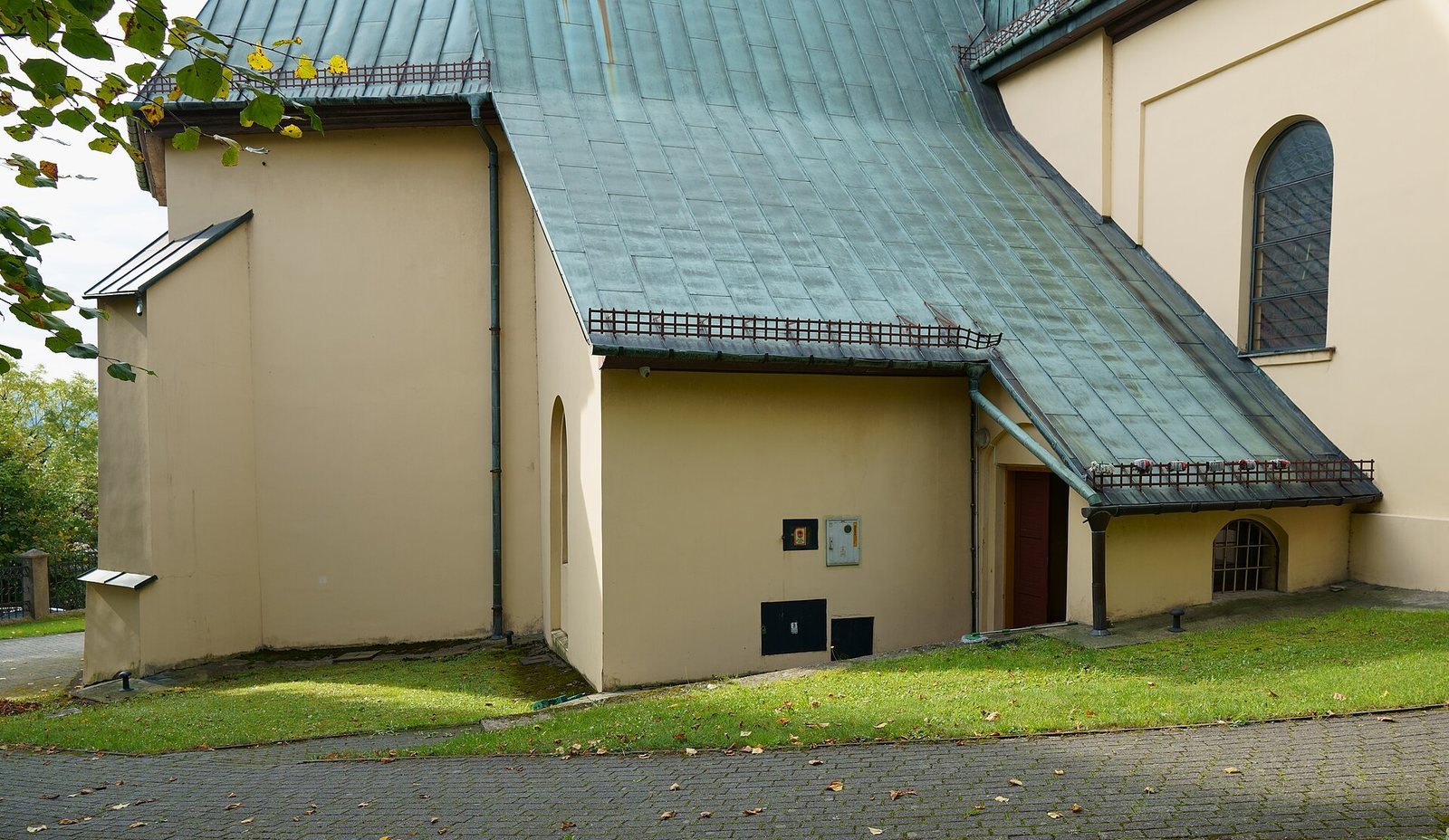
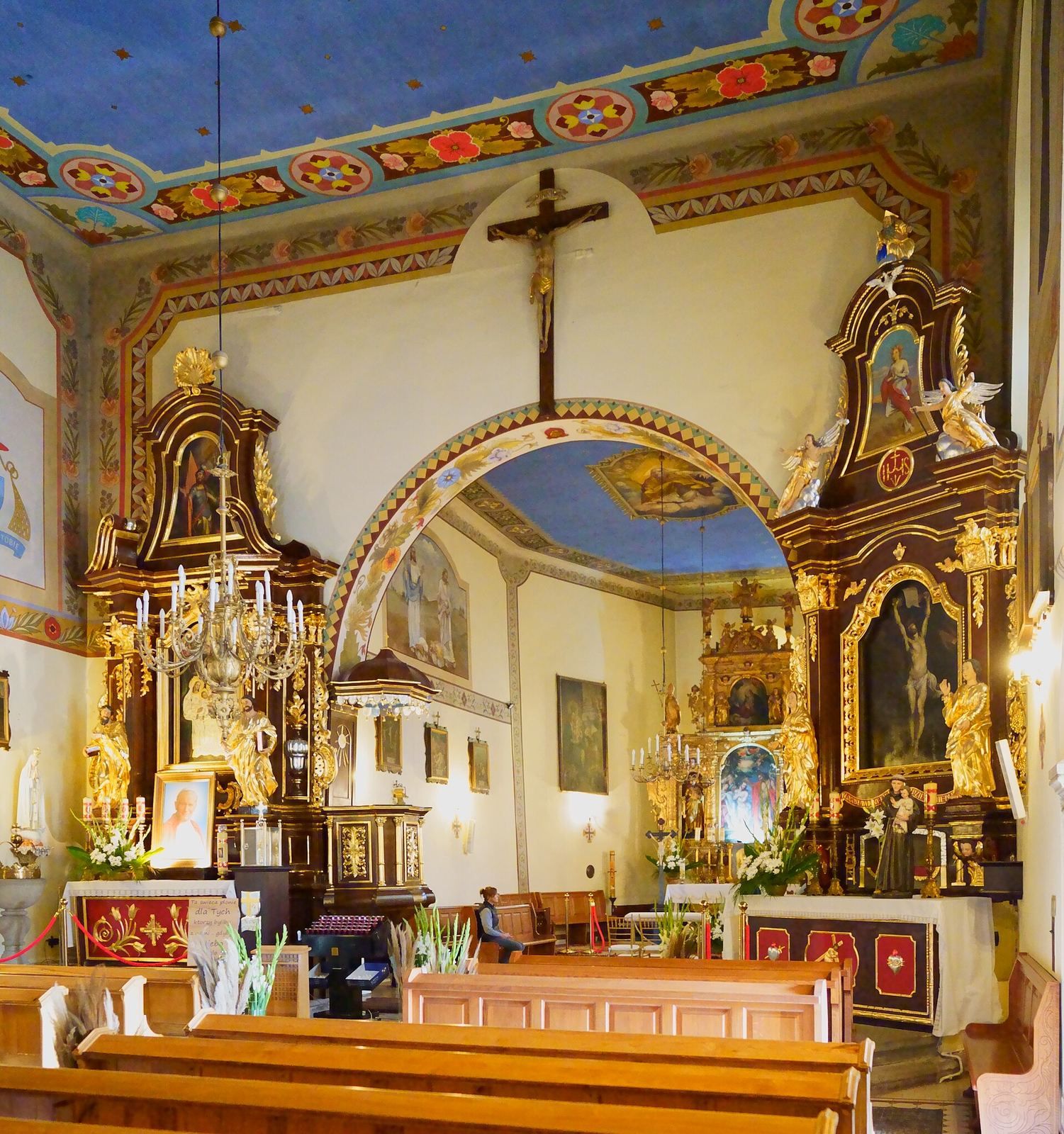
The church is a brick building in the Gothic style, with a single nave and a masonry tower at its western end. Its three altars include a main altar in the late Renaissance style, which drew on classical forms, and a Rococo side altar, a lighter and more ornamental style. The baptismal font, a basin used for baptism, and a painting of the Baptism of Christ are Baroque, a dramatic and elaborate European style.
Rosary Chapel
The chapel extending from the nave has a Baroque altar accompanied by a painting by Wojciech Eljasz showing the Virgin Mary and Child. Its name refers to the Rosary, a Catholic devotion involving repeated prayers and meditation on the lives of Jesus and Mary.
Painted and glazed decoration
The church’s multicolored painted decoration, or polychromy, was designed by Stefan Brzozowski and Władysław Jastrzębski. Professor Adam Bunsch designed the stained glass.
Exterior and memorial features
A feature called the Golgotha, created by Juliusz Słabiak, is on the eastern exterior wall of the chancel, the area around the altar. The name Golgotha refers to the traditional place of Jesus’ crucifixion. A 17th-century tombstone slab for Teresa Liers is set into a church wall. A statue of St Teresa, transferred from a cemetery, and a memorial plaque in front of the church also preserve commemorative features.