St John the Baptist Church, Newcastle upon Tyne: A Medieval Anglican Parish Church
Site at a Glance
- Rating
- 4.2
- Popularity
- Medium
- Country
- United Kingdom
- Primary era
- Medieval
- Eras represented
- Medieval, Early Modern, Modern
- Civilizations
- British, English
- Site type
- Religious
- Remains
- Church
On this page14 sections
History
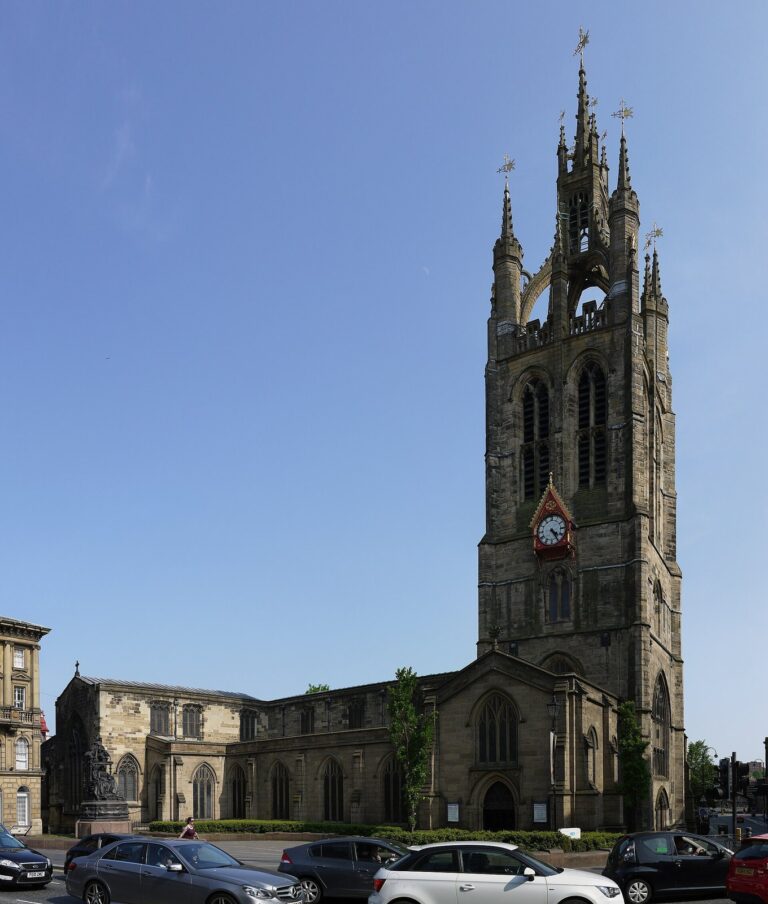
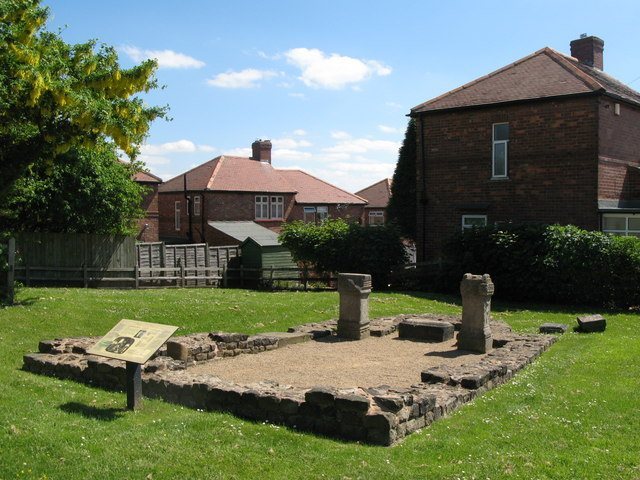
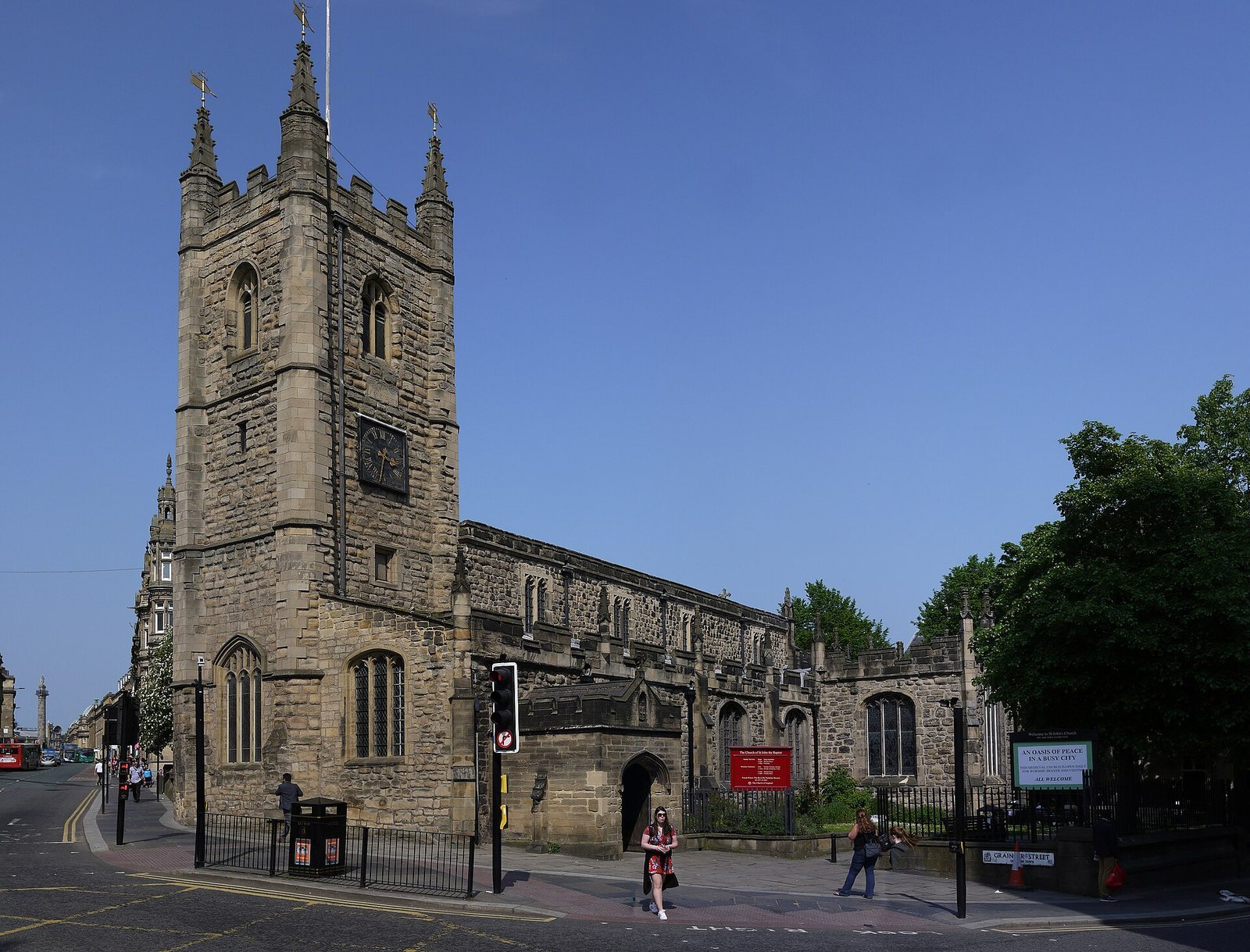
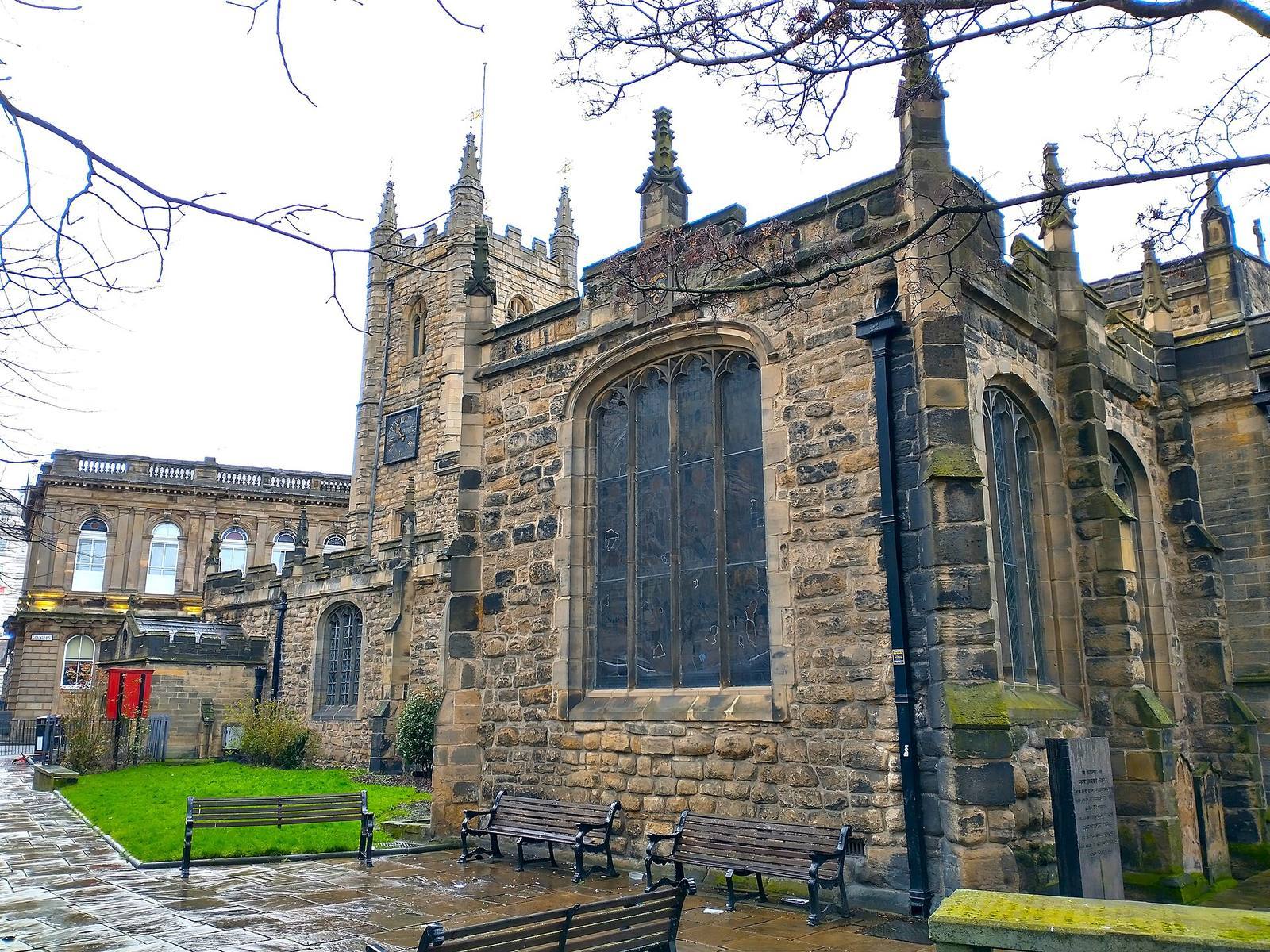
St John the Baptist Church is an Anglican parish church at the corner of Grainger Street and Westgate Road in Newcastle upon Tyne, United Kingdom. Dedicated to St John the Baptist, the first church on the site was built around 1130. Its building stones may have been taken from Hadrian’s Wall.
Medieval development
A tower was added around 1230. Around 1350, grain merchant William Hutton financed the north aisle, while the south aisle and north transept were added later. In the thirteenth century, an anchorite, a religious recluse living in seclusion, probably occupied a cell beside the chancel. The occupant was reportedly enclosed there for life.
In 1451, lawyer Robert Rhodes paid for major repairs. Workers raised the nave walls and added stained glass, while the transept, south aisle, and vaulted space beneath the tower were remodelled. Rhodes’s coat of arms was placed on the tower. By the end of the fifteenth century, the church had taken on a form close to its present appearance.
Early modern period
In the sixteenth century, Newcastle topographer William Gray, a writer on the features of places and a member of the town’s civic community, described the church as resembling a cross. In 1640, during the Bishops’ Wars, Scottish troops occupying Newcastle damaged the church’s baptismal font. The wars were conflicts between Charles I’s government and Scottish opponents over religious policy and church governance.
Modern changes and remembrance
In 1923, one chapel was designated as a First World War memorial. It commemorates Noel Davis, a Newcastle-born captain in the Duke of Wellington’s Regiment who died aged 26 on 12 October 1916 and was buried at Lesboeufs on the Somme. It also remembers Mildred Davis, who came from Dorset and drove an ambulance for the French Red Cross. She died of pneumonia aged 25 on 8 October 1918 and was buried at Mazaugues, near Marseille.
Panels opposite the altar commemorate those killed in the Second World War. The main part of the altar was made by the mother of Alan Robert Houstoun, who was declared dead in 1942. A cabinet for holy oils was given in thanks for the safe return of four soldiers from Anzac in Turkey, where fighting took place during the First World War Gallipoli campaign.
Part of the graveyard was built over in the 1960s to provide a hall and meeting rooms. In 1971, the church restored an earlier interior arrangement, removing old choir stalls and chancel panelling, moving the altar into the nave, and installing a wrought-iron rood screen. The church follows an Anglo-Catholic tradition within Anglicanism that emphasizes practices associated with the historic Catholic Church. It rejects the ordination of women as priests and bishops and receives pastoral and episcopal supervision from the Bishop of Beverley rather than the bishop normally responsible for the area. It is a Grade I listed building, the highest category of listed-building protection in England.
Remains
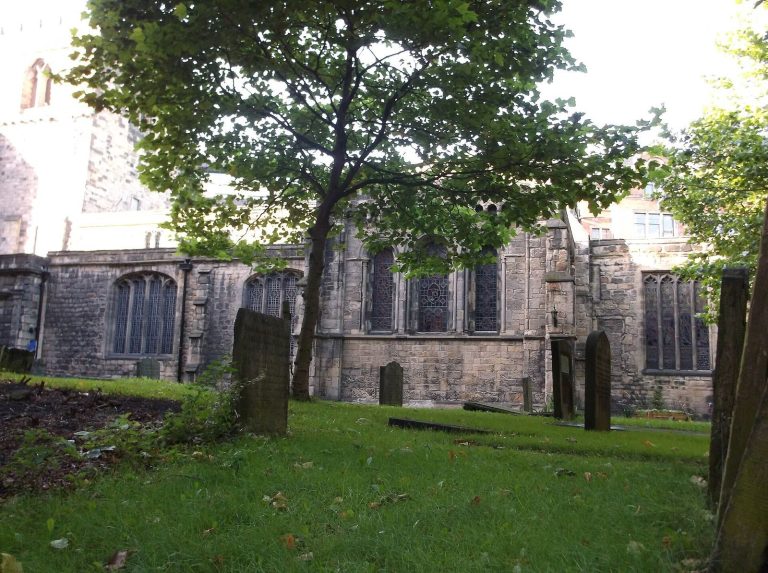
The modest stone church has a nave, the main part of the church, flanked by north and south aisles, or side sections. Its plan also includes a north transept, the crosswise part of the building, and a chancel, the area around the altar, now used as the Lady Chapel, a chapel dedicated to the Virgin Mary. A low, square tower with small pinnacles rises above it. Small tower windows have flattened arches, and modern buildings surround the church on three sides.
Medieval fabric and windows
Early fabric and the anchorite’s cell
A rounded Norman window arch survives in the chancel, an example of the architectural tradition associated with England after the Norman Conquest. The anchorite’s cell was above the present sacristy, the room used to keep church vessels and vestments and to prepare for services. A cross-shaped opening in its wall enabled the occupant to look towards the altar.
Stained glass and Rhodes memorial stone
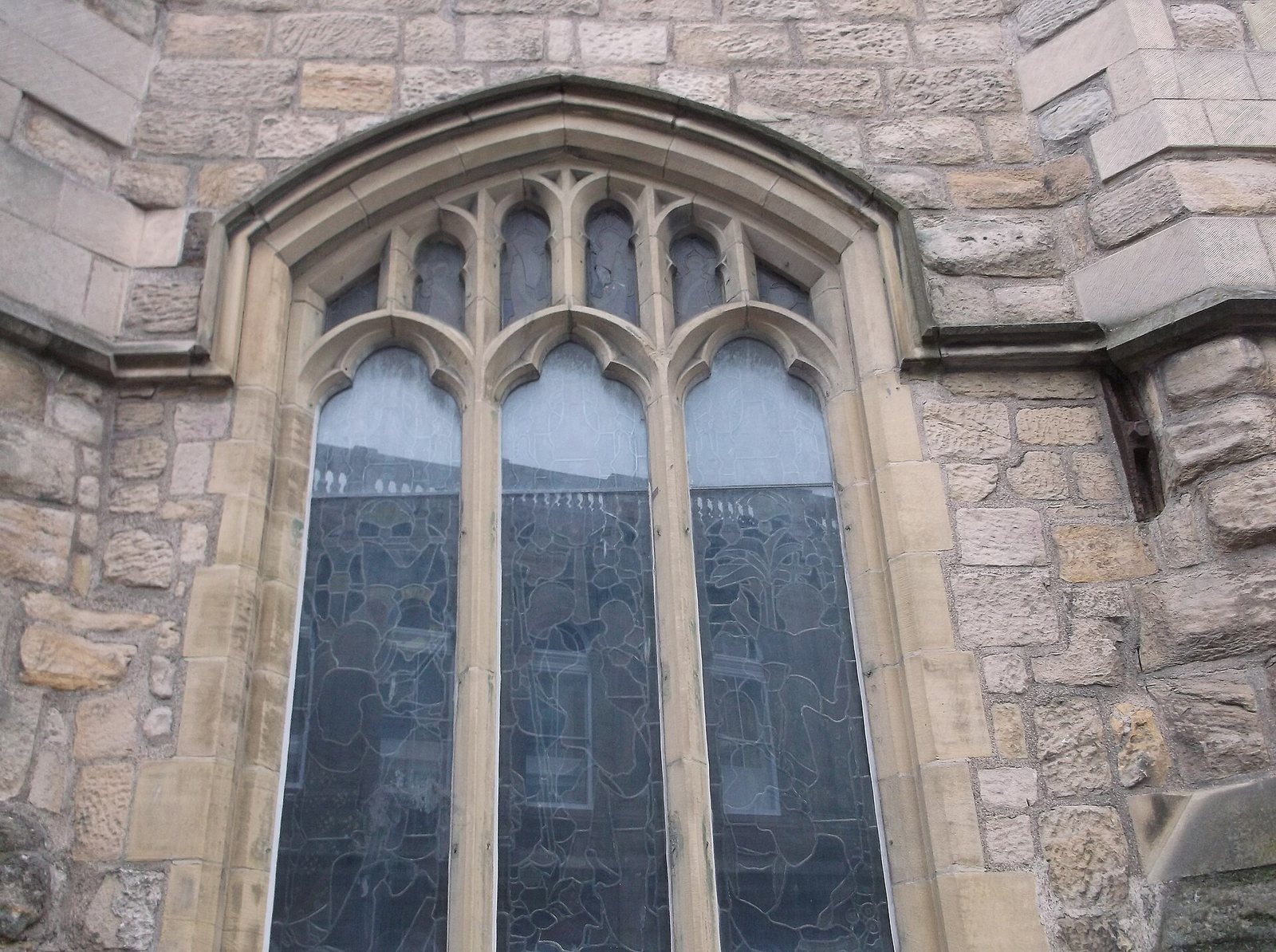
Most of the stained-glass windows date from the nineteenth and twentieth centuries. Many were made by Victorian glassmaker William Wailes, whose workshop was in the parish. An older window in the chancel’s north wall contains fragments of medieval glass and the earliest known representation of Newcastle’s arms.
A stone in the south transept window commemorates Robert Rhodes, who built the steeple of Newcastle’s St Nicholas’ Cathedral and supported the town’s churches. The stone now in the window is a copy. The original was removed during repairs around 1861 and is now housed in the castle.
Interior fittings and memorials
Fonts and pulpit
The church has a font, a basin used for baptism, dating from the late fifteenth century, and a fifteenth-century cover for it. Its pulpit is Jacobean, a style associated with the reign of James I.
Organ, altar, and choir fittings
Harrison & Harrison of Durham made the organ in 1909, and Charles Nicholson made the main altar that year. Choir stalls in the north transept date from 1937 and were made by Robert “Mousey” Thompson of Kilburn; they bear his mouse emblem. The rood screen, which separates parts of the church interior, and the reredos, a decorative panel behind an altar, are also works by Sir Charles Nicholson.
War memorials and church furnishings
The First World War memorial chapel has the names of the dead carved into its panelling. Names of those killed in the Second World War appear on panels opposite the altar. The church also retains the cabinet for holy oils given in thanksgiving for the soldiers’ return.
Graveyard
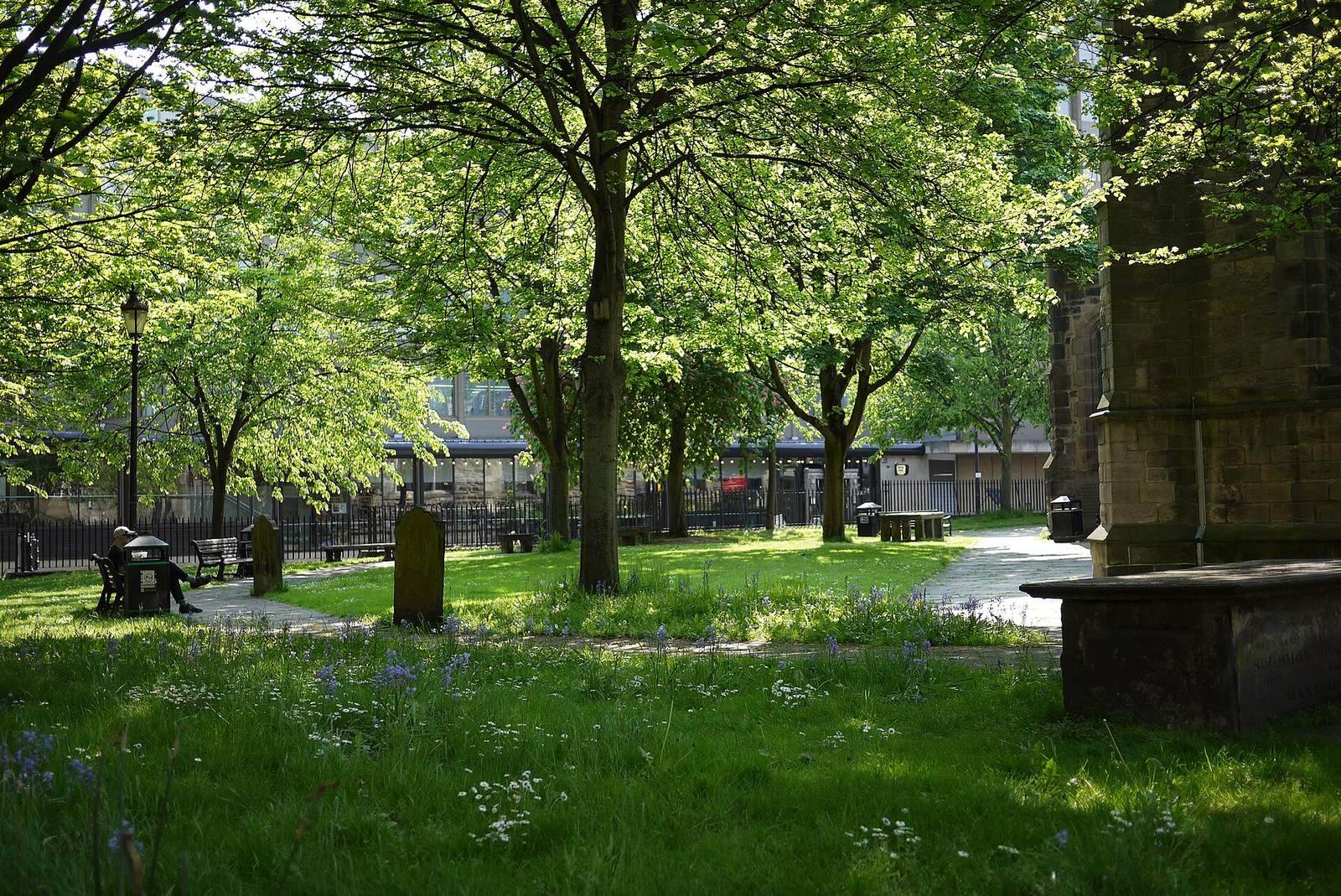
Gravestones and table monument
About ten gravestones remained in the graveyard by 2010. Among them are stones for Solomon Hodgson, who died in 1800, and Sarah Hodgson. They are described as owners of the Newcastle Chronicle, although that claim is disputed. Another marks the artist Ralph Waters. Near the east window, a stone slab from a table monument lies above its four supporting pillars, which are partly buried. Its inscription commemorates John Cunningham, a Dublin-born actor and pastoral poet who died in Newcastle on 18 September 1773, aged 44, and praises his poetry as a lasting memorial.