St John’s Jerusalem: A Knights Hospitaller Commandery and Manor House
Site at a Glance
- Popularity
- Medium
- Country
- United Kingdom
- Primary era
- Medieval
- Eras represented
- Medieval, Modern
- Civilizations
- British, English, Knights Hospitaller
- Site type
- Domestic
- Remains
- Manor House
On this page9 sections
History
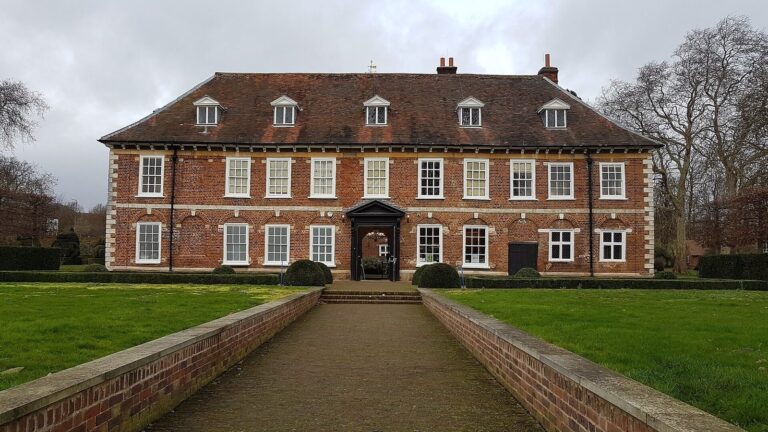
St John’s Jerusalem is a manor house at Sutton-at-Hone in Kent, England, founded in 1199 as a commandery, or local establishment, of the Knights Hospitaller, a Christian religious and military order also known as the Order of Saint John of Jerusalem. Most of its medieval sections were built around 1234, when Henry III arranged for five oak trees to be felled in Tonbridge Forest.
From commandery to manor
By 1388, the property no longer served as a preceptory. During the 16th-century Dissolution of the Monasteries, when the English Crown closed religious houses and took their property, it was sold to Sir Maurice Denys, then the Order’s Receiver, an official responsible for its revenues or property.
Orchard and later residents
In 1670, naturalist Abraham Hill established an orchard using apple and pear varieties from Herefordshire and Devon. The fruit was used to make cider, fermented apple juice, and perry, fermented pear juice. The planting helped introduce varieties to Kent, including the Kentish Pippin apple.
Edward Hasted, Kent’s county historian, lived at the property from 1755. His excessive spending there may have contributed to his bankruptcy in 1796 and the five-year imprisonment that followed.
National stewardship
Sir Stephen Tallents gave the building to the nation in 1943. It is now a National Trust property, let as a private residence. The National Trust is a British charity that cares for historic properties and landscapes. The house was listed Grade II* on 1 August 1952 and scheduled as a monument of national importance on 5 September 1994 under the Ancient Monuments and Archaeological Areas Act 1979.
Remains
Manor grounds and moat
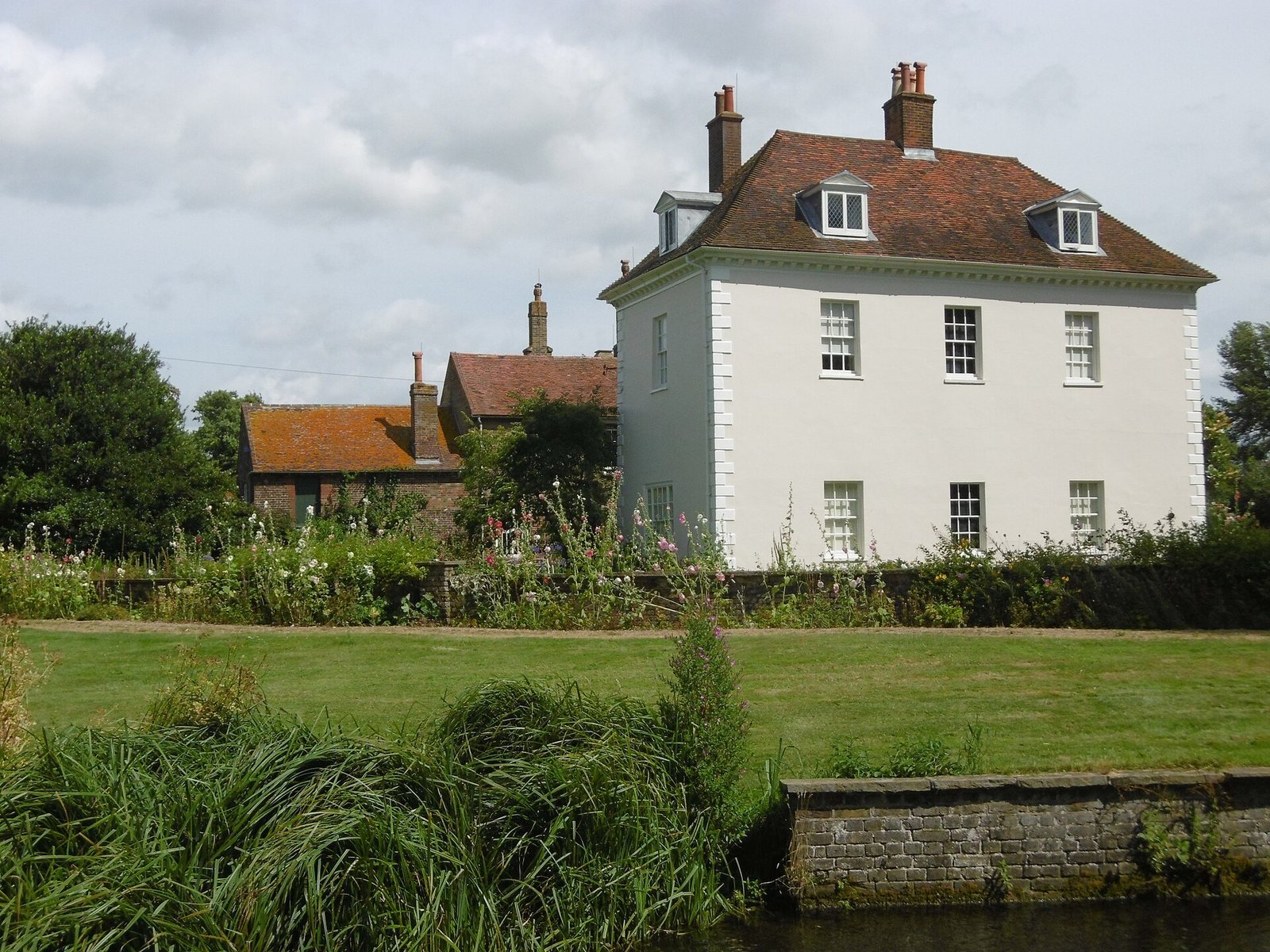
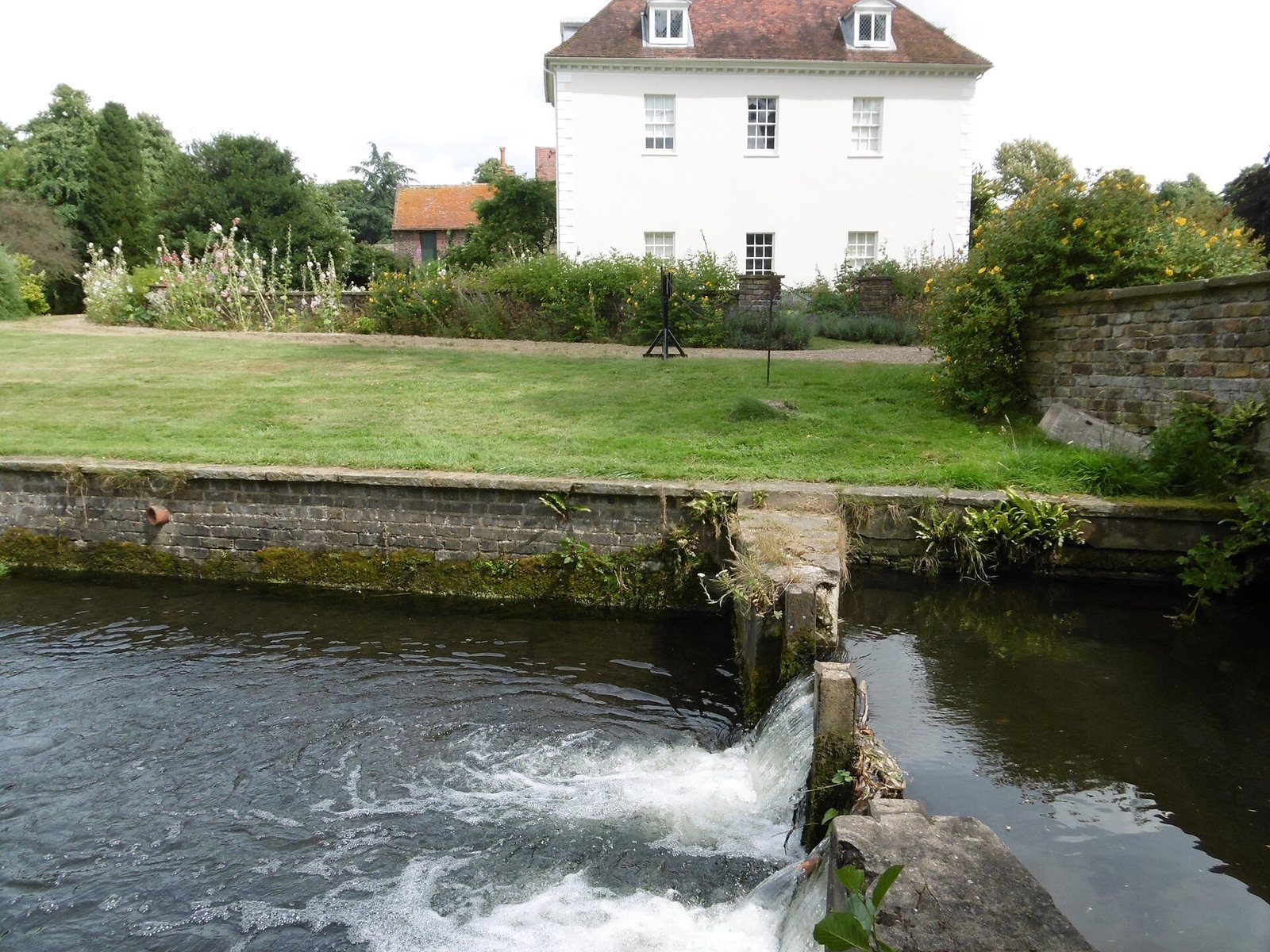
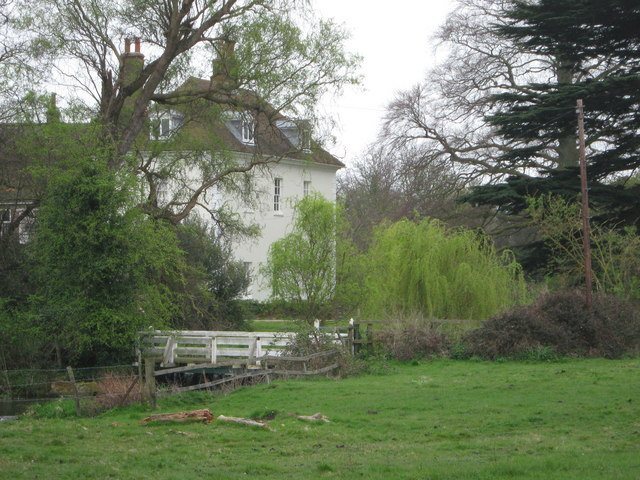
The manor house and its 13th-century chapel occupy grounds enclosed by a moat. The moat surrounds an artificial island, and the surviving features include a footbridge, garden remains and a lawn with a history of changing use.
Chapel
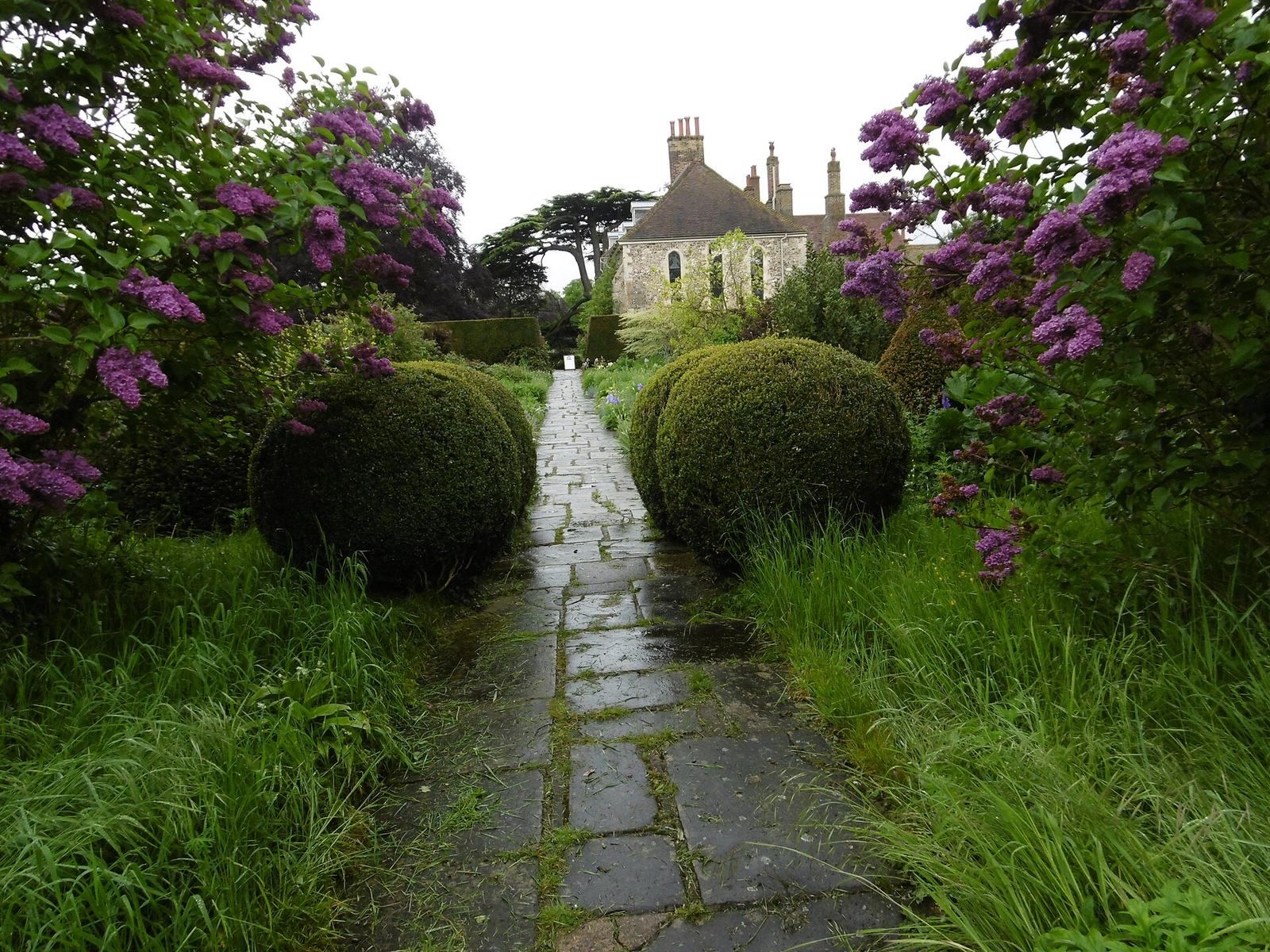
The medieval fabric includes a 13th-century chapel of the Knights Hospitaller. The lawn to its north served as the chapel’s burial ground before the Dissolution of the Monasteries, and later became a midden, or refuse heap.
Moat and bridges
The 13th-century moat encloses an artificial island measuring 22,200 square metres. It is crossed at three points, including by a 19th-century brick footbridge, and its southwestern section forms part of the River Darent. The moat dried out in 1976 and again in 1988. A later attempt to dredge the river sought to recreate an appearance associated with Country Life in the 1930s. Work was halted when it emerged that scheduled monument consent had not been obtained. Consent was later granted, although the sustainability of the methods was questioned.
Garden and grounds
The garden contains a cedar of Lebanon and a former fishpond, now occupied by marshland.