Slovenska Bistrica Castle: A Renaissance-Baroque Palace in Slovenia
Site at a Glance
- Popularity
- Medium
- Country
- Slovenia
- Primary era
- Early Modern
- Eras represented
- Medieval, Early Modern
- Civilizations
- Duchy of Styria, Habsburg, Habsburg Austria, Holy Roman Empire
- Site type
- Domestic
- Remains
- Castle
On this page8 sections
History
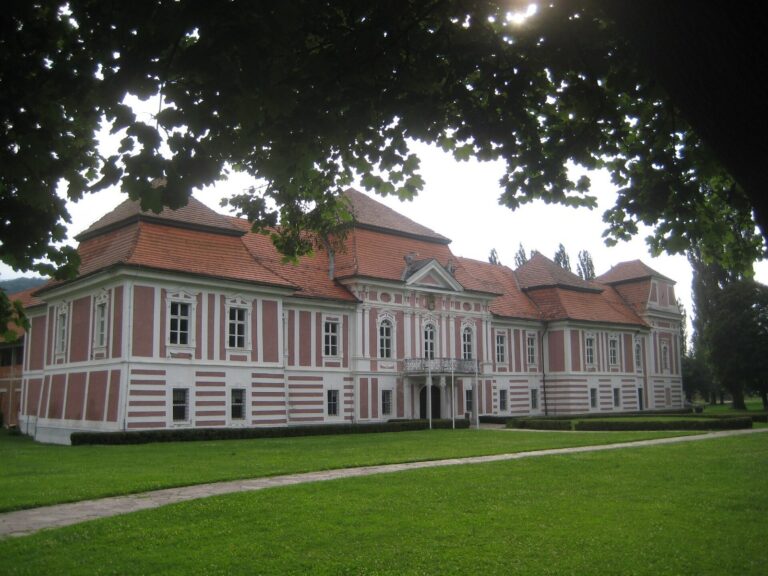
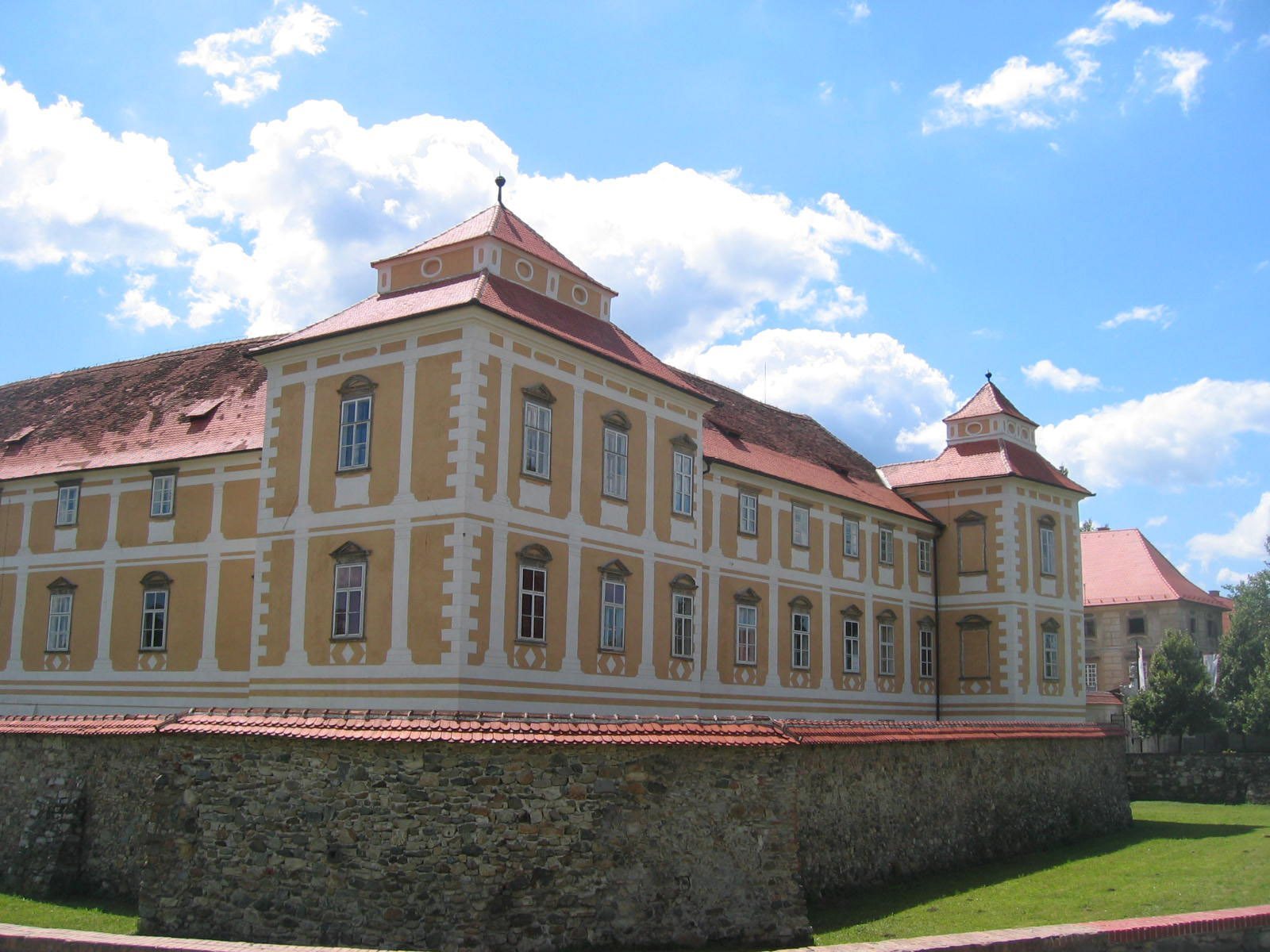
Slovenska Bistrica Castle is a palace combining Renaissance and Baroque, two broad European architectural styles, on the northwest side of the medieval old town of Slovenska Bistrica, Slovenia. It developed from a fortress first recorded in 1265.
Medieval fortress and lordship
In 1265, Emperor Rudolf granted the fortress and adjoining town as fiefs, land and rights held under a superior’s authority, to Count Meinhard of Gorizia. Meinhard became Duke of Carinthia, a historical duchy in Central Europe, in 1286.
The castle passed to the Habsburgs, a major European ruling dynasty, in 1313. They leased it and the town to the House of Walsee, an Austrian noble family. After 1368, the Counts of Celje, a medieval noble dynasty, held the lordship. When their line ended in 1456, it returned to ducal lands.
Rebuilding and aristocratic ownership
The building developed through several construction phases. These include work in the last quarter of the 14th century, with a phase dated specifically to 1384, and further phases in the last quarter of the 15th century, the second half of the 16th century, the first half of the 17th century, and the first quarter of the 18th century.
Hans Vetter bought the town and castle in 1587. Major changes between 1623 and 1651 turned the fortress toward a palace, and it was rebuilt as a Renaissance mansion during the 17th century. In 1717, the castle alone was sold to the aristocratic Attems family, which shaped its present form and held it until 1945. It was home to Countess Maria von Attems-Petzenstein, born in 1893, who was a painter and historian. The castle is also known as Bistrica Castle; the name Bistrica comes from the Slovene word bistra, meaning clear.
Nationalization and present use
After the Second World War, the castle was nationalized. Restoration began in 1985 and continued for more than 20 years. The castle now houses a museum and, since 1996, has been the seat of the Cultural Institute of Slovenska Bistrica, a local organization concerned with culture and heritage. It is designated a Slovenian cultural monument of national importance.
Remains
Plan and defensive fabric
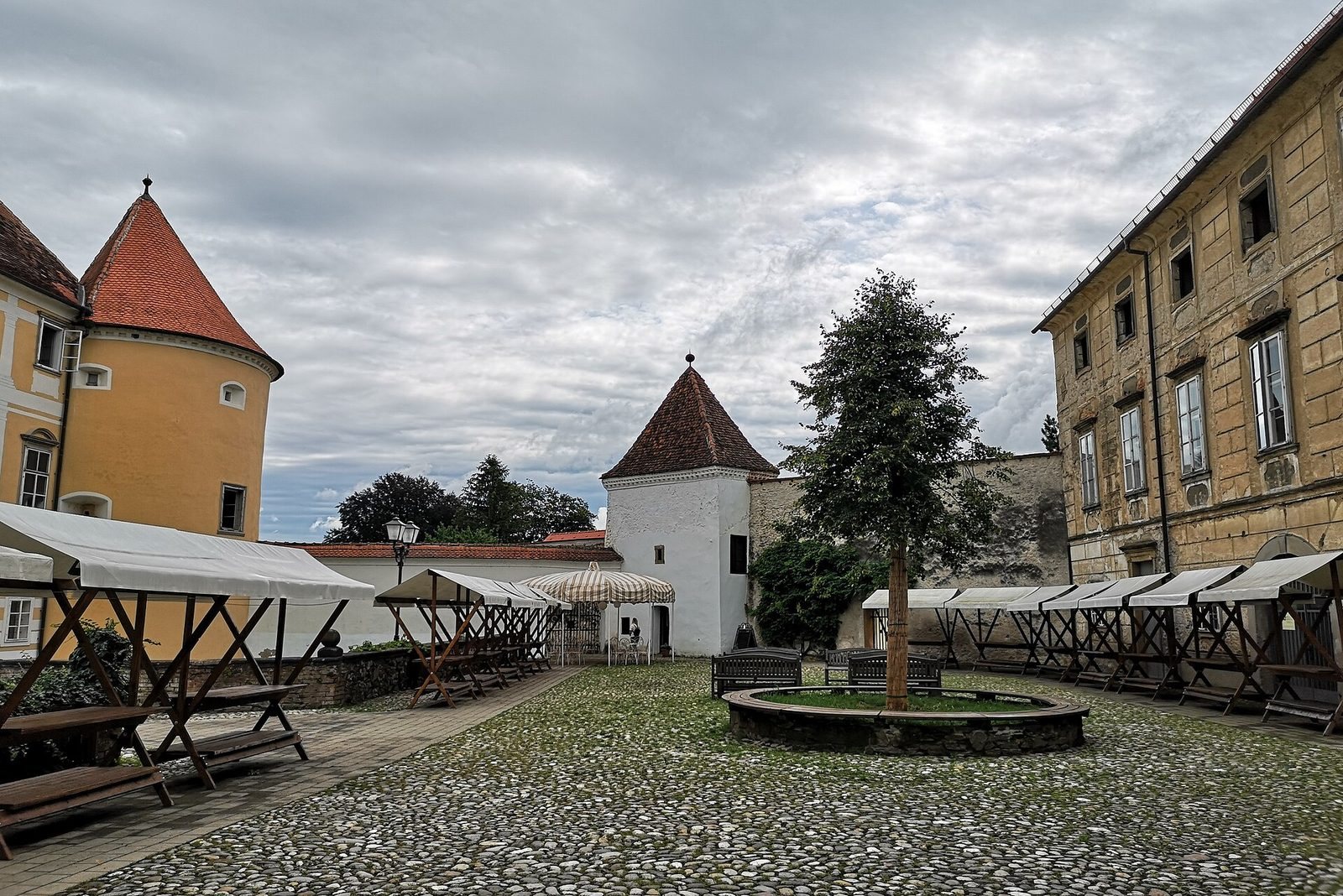
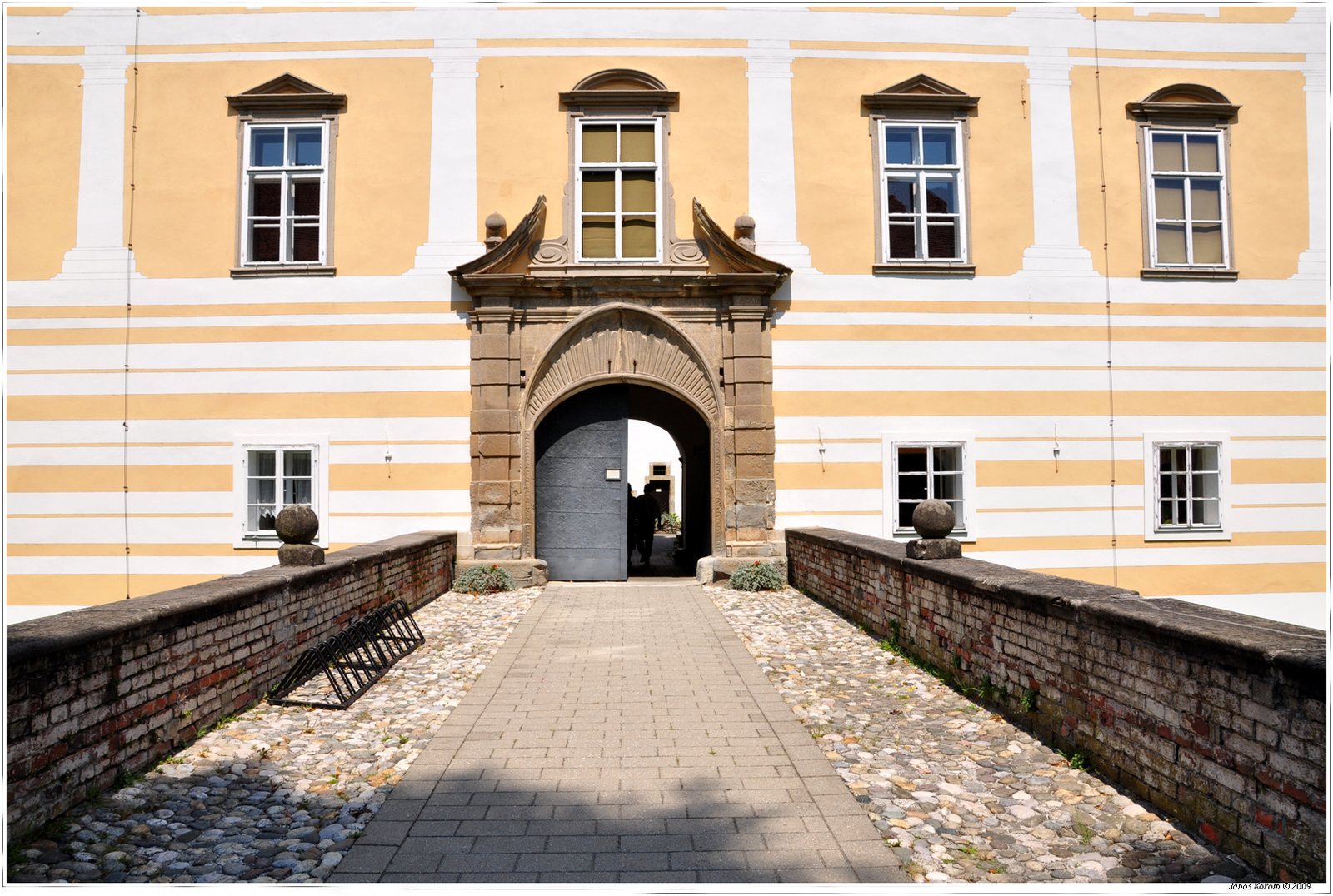
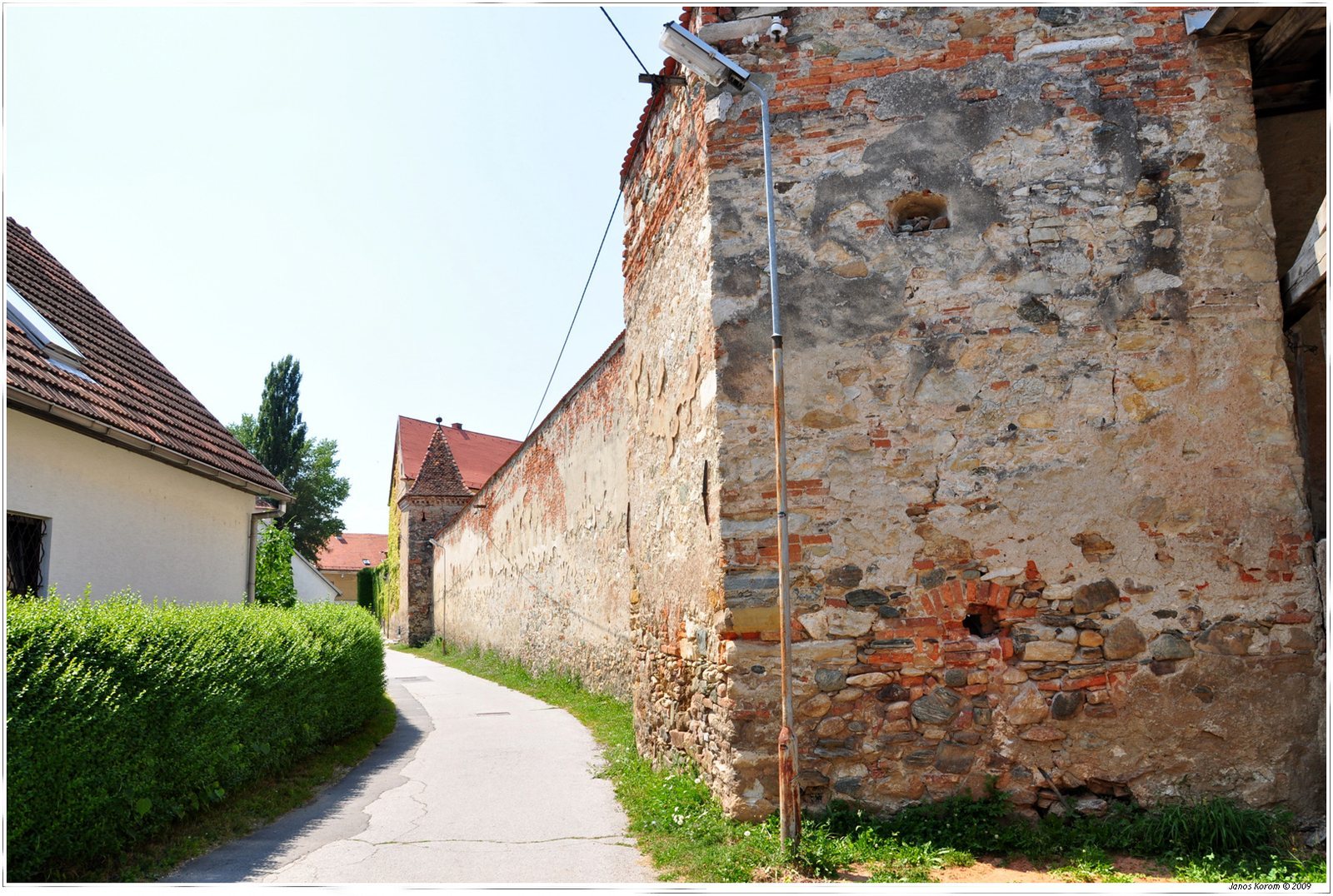
The palace has a trapezoidal plan, a small tower at each corner, and an inner courtyard framed by arches. Its foundations adjoin one defensive tower from the earlier fortified structure. A moat surrounds the building and is now dry.
Interior
The interior includes a painted staircase, a chapel dedicated to the Virgin Mary, the mother of Jesus in Christian belief, and a richly appointed great hall. The Attems family decorated the interior in the early 18th century.
Estate
The surrounding estate has a row of hornbeams and plantings of rare trees, which are now neglected.