Skřivany Castle: A Renaissance Manor Transformed into a Neo-Gothic Castle
Site at a Glance
- Popularity
- Medium
- Country
- Czechia
- Primary era
- Early Modern
- Eras represented
- Early Modern, Modern
- Civilizations
- Austria-Hungary, Habsburg, Habsburg Austria, Holy Roman Empire, Kingdom of Bohemia
- Site type
- Domestic
- Remains
- Castle
On this page9 sections
History
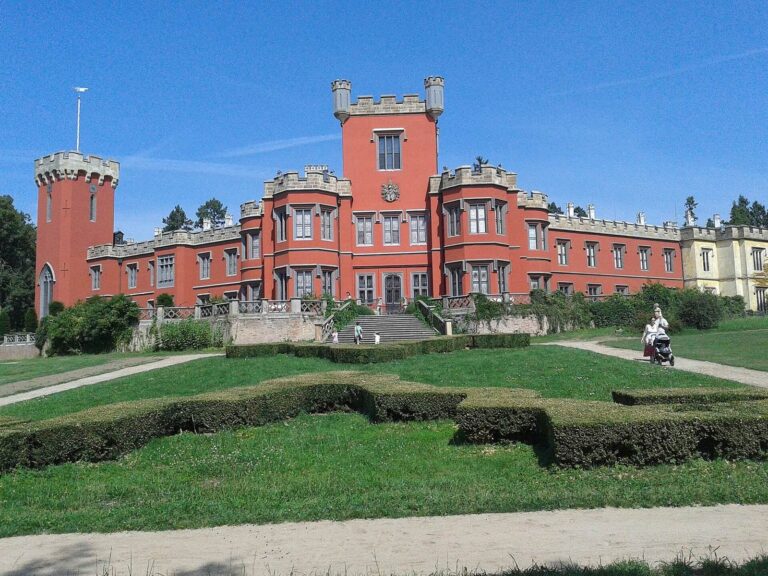
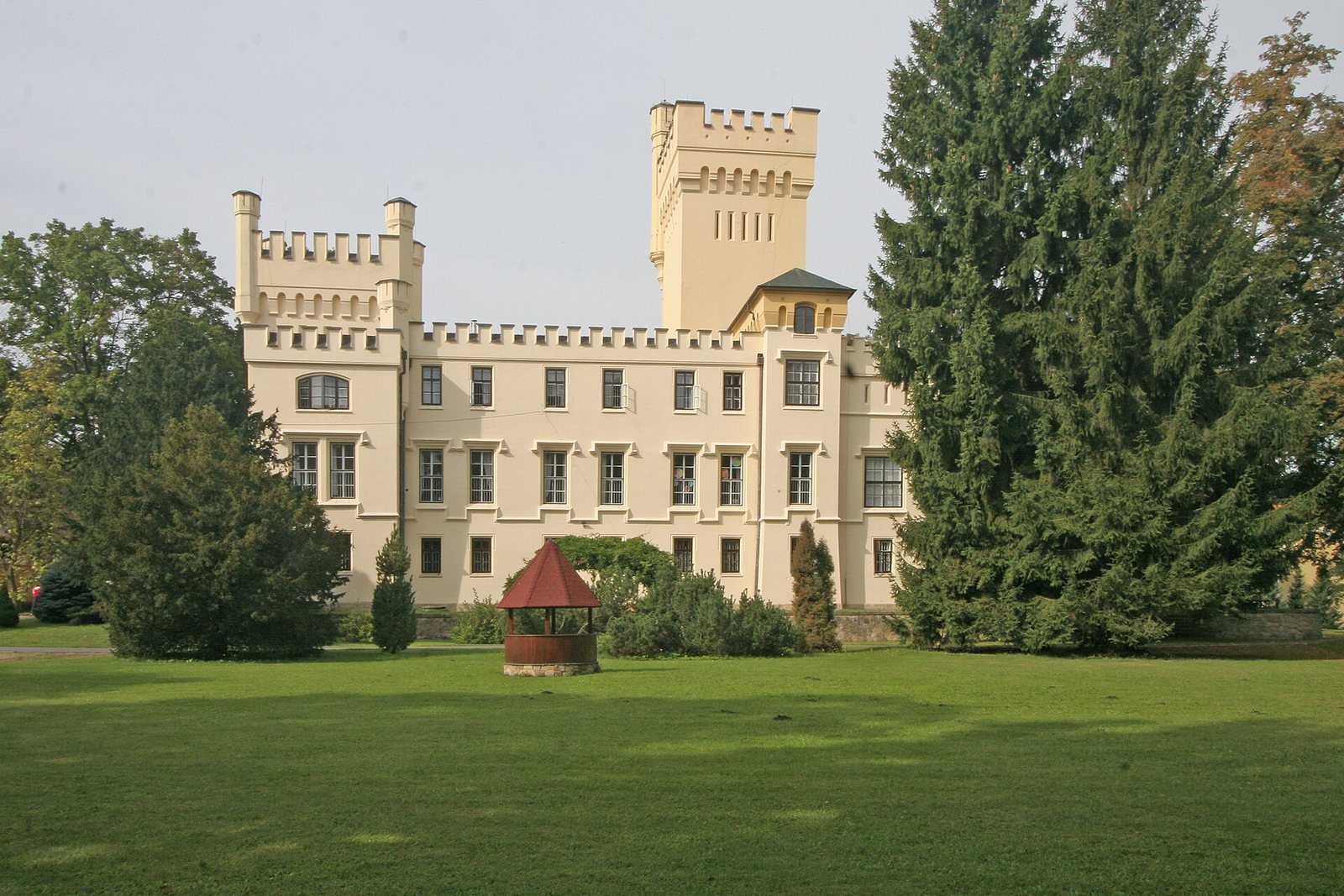
Skřivany Castle stands at the eastern edge of Skřivany in Czechia. It began as a fortified manor house in the mid-sixteenth century, built in the Renaissance style, a European revival of classical forms. A redesign in 1867–68 gave it its present neo-Gothic appearance, a revival of medieval Gothic architecture.
Renaissance manor and Baroque conversion
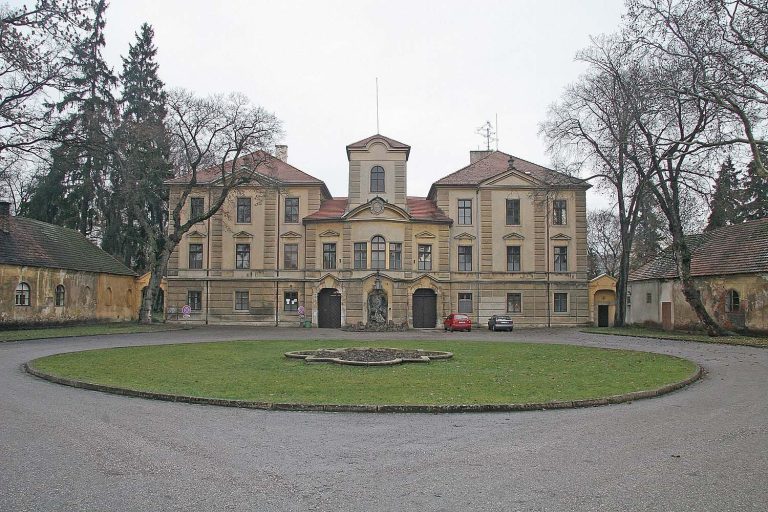
The manor house is recorded in 1628 and dated to the mid-sixteenth century. It was destroyed during the Thirty Years’ War, a major European conflict fought from 1618 to 1648. Its ruins were later converted into a Baroque castle, a style known for dramatic forms and elaborate design. The conversion may have taken place in the second half of the seventeenth century or around 1720.
The chapel and nineteenth-century changes
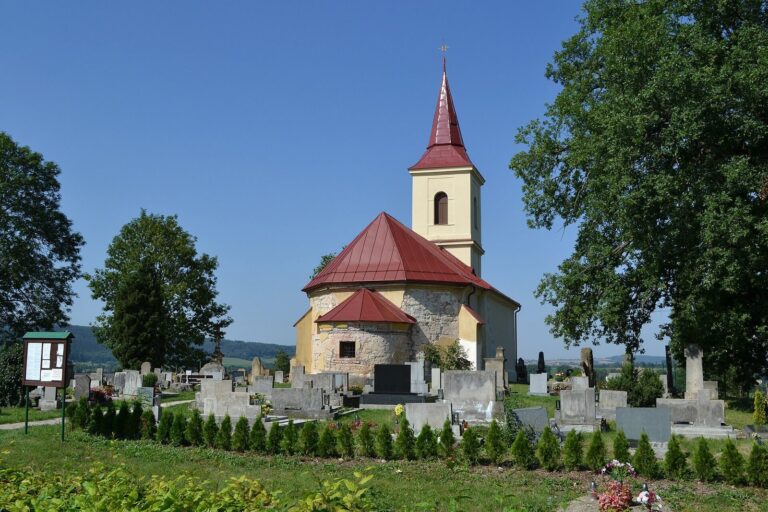
A chapel was built in 1720 for the castle’s use. It later served the village as a church, first dedicated to the Holy Family, meaning Jesus, Mary, and Joseph, and from 1842 to St Anne, traditionally regarded as Mary’s mother.
One owner, provincial councillor Maxmilián Ledvinka of Orlová Skála, an official serving at the provincial level, employed the Czech poet and translator František Ladislav Čelakovský as tutor to his children from 1822 to 1829. The castle later passed to Gustav Ledvinka, who commissioned Czech architect Josef Niklas to remodel it in 1867–68. The resulting design is also known as Windsor Gothic, a nineteenth-century Gothic Revival style associated with Windsor Castle. Adolf Ritter of Záhony bought the castle in 1872; the Liebig family were later owners.
Twentieth-century repair and institutional use
The castle was repaired in 1956. It became a protected cultural monument in 1958 and entered the Czech Republic’s national register of cultural monuments in 1964. During the 1960s, the Skřivany Sugar Refinery was listed as its owner, and an agricultural school used the building. In the 1980s, ownership passed to the District National Committee, a local Czechoslovak administrative body, while the District Institute of Social and Health Services used the castle. It later served for many years as a social-care institution, which closed in 2017.
Remains
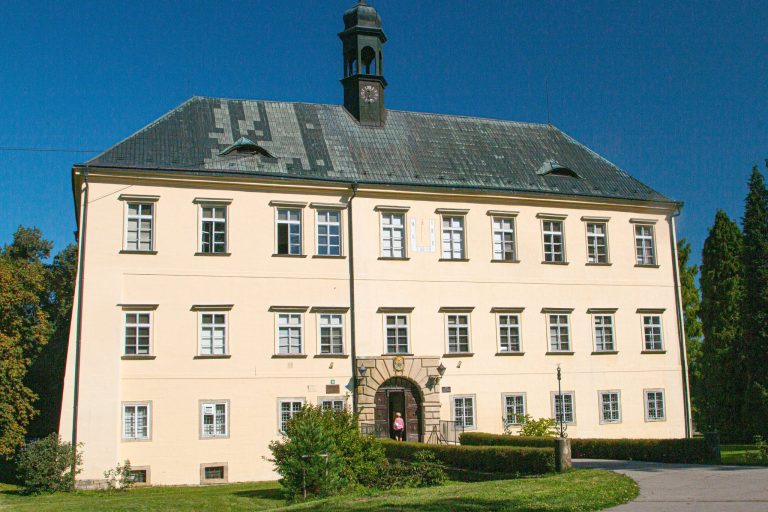
The castle has a complex plan and is predominantly two storeys high. Its main building, chapel, and surrounding park form the core of a wider complex that also includes service and industrial buildings.
Buildings and grounds
Castle wings and towers
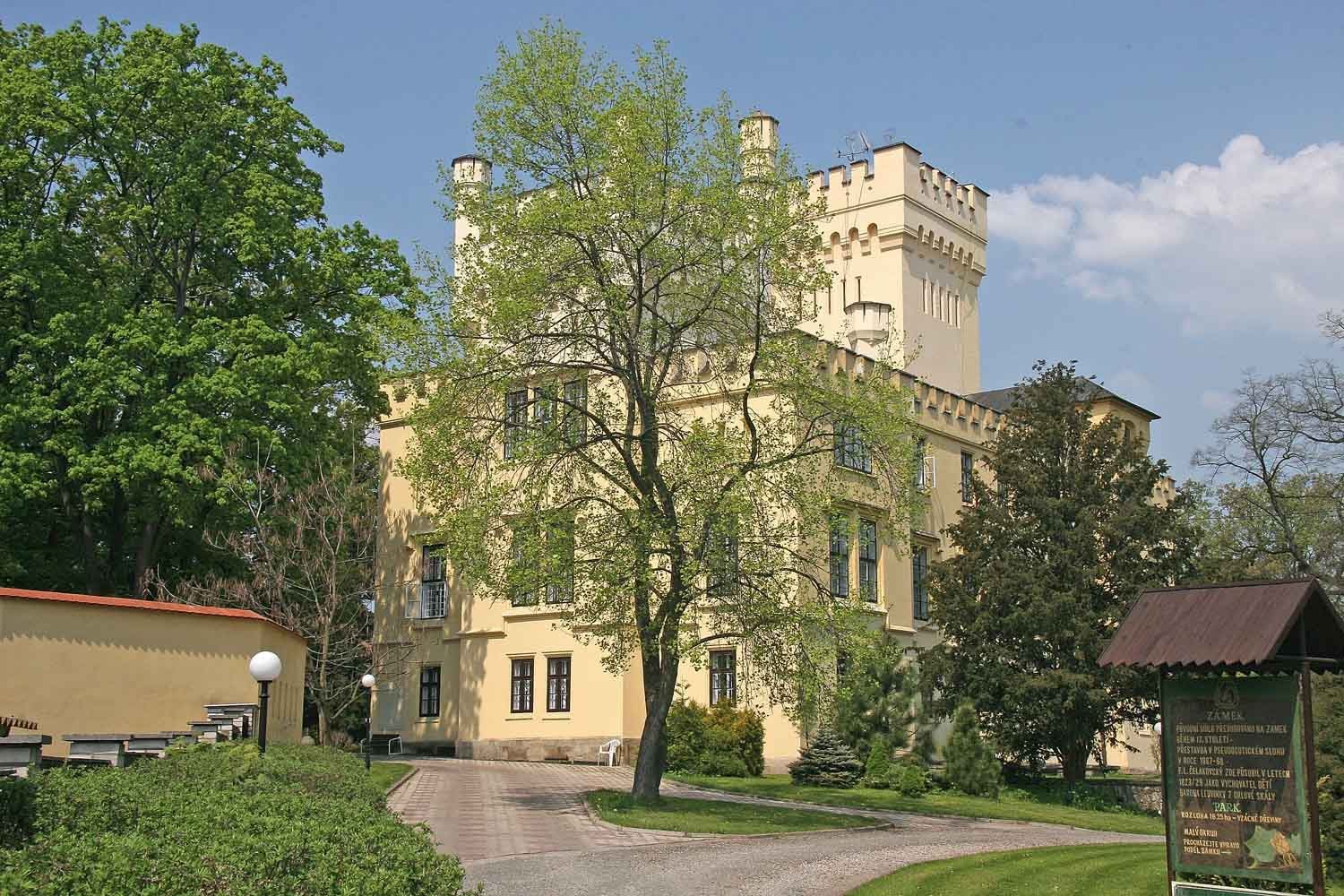
Two principal wings meet at a tall, prism-shaped tower topped with battlements, a notched parapet. Lower towers mark the ends of the wings.
Chapel
The castle chapel is dedicated to the Assumption of the Virgin Mary, the Christian belief that Mary was taken bodily into heaven.
Park and associated buildings
A park surrounds the castle and contains a carriage house and industrial structures. The nineteenth-century sugar factory in the grounds has closed, while a factory producing metal packaging operates within the complex.