Sittichenbach Abbey: A Cistercian Monastery in Germany
Site at a Glance
- Popularity
- Medium
- Country
- Germany
- Primary era
- Medieval
- Eras represented
- Medieval, Modern
- Civilizations
- Holy Roman Empire
- Site type
- Religious
- Remains
- Monastery
On this page11 sections
History
Sittichenbach Abbey is a former Cistercian monastery in Germany, founded in 1141 as a daughter house of Walkenried Abbey. The Cistercians were a Catholic monastic order rooted in the Benedictine tradition; Sittichenbach belonged to the lineage of Morimond, one of the order’s principal founding abbeys.
Foundation and expansion
At the request of Esiko II of Bornstedt, Volkuin and eleven fellow monks came from Walkenried to establish the community, with Volkuin as its first abbot, or monastic head. The monks acquired extensive lands and set up several monastic farms. Sittichenbach was also associated with the Diocese of Halberstadt.
The abbey’s monks founded Lehnin Abbey in 1180 at the request of Otto I, Margrave of Brandenburg, a ruler of a border territory. They established Buch Abbey near Leisnig in 1192 and Grünhain Abbey in the Erzgebirge in 1235. Sittichenbach and Grünhain shared economic interests, including a farm at Zwickau that they operated together. Through the fifteenth century, Sittichenbach sent monks to lead Grünhain when needed. Johannes Funk served as its abbot in 1460, while Laurentius became head of the Zwickau farm in 1475.
Bishops, conflict, and secularization
Bishop Conrad of Halberstadt retired to Sittichenbach around 1208–09 and died there in 1225. He had brought relics and treasures from Constantinople during the Fourth Crusade. Their ownership became the subject of a dispute between the abbey and the clergy of Halberstadt Cathedral.
In 1362, during a feud between Bishop Ludwig of Halberstadt and the Count of Mansfeld, the abbot and monks were seized as hostages. Their treatment was so harsh that several monks died, and the count was later excommunicated. In 1540, during the Protestant Reformation, a movement that led to the formation of Protestant churches and the secularization of many monasteries, Sittichenbach Abbey was dissolved as a religious institution.
Territorial rule and later use
In 1612, the Counts of Mansfeld transferred the estate to John George I, Elector of Saxony, a ruler entitled to participate in choosing the Holy Roman Emperor. It became one of his official residences and the seat of the Sittichenbach administrative district. The district passed to Saxe-Weissenfels in 1656 and became part of the Principality of Saxe-Querfurt in 1686. When the ruling line of Saxe-Weissenfels died out, the territory returned to Electoral Saxony in 1746. After the Congress of Vienna in 1815, it became part of Prussia’s newly formed Province of Saxony.
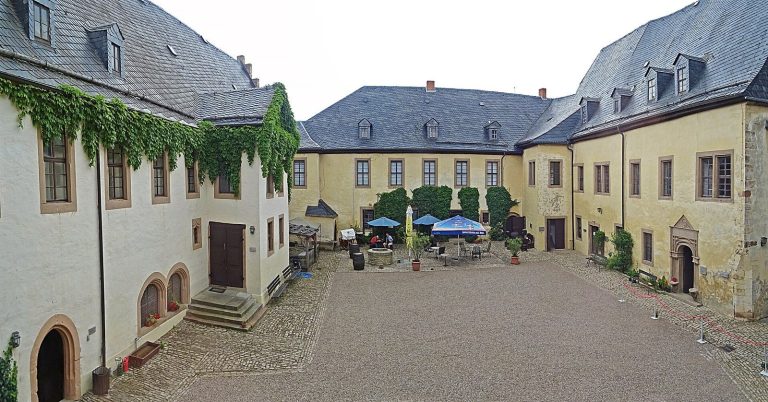
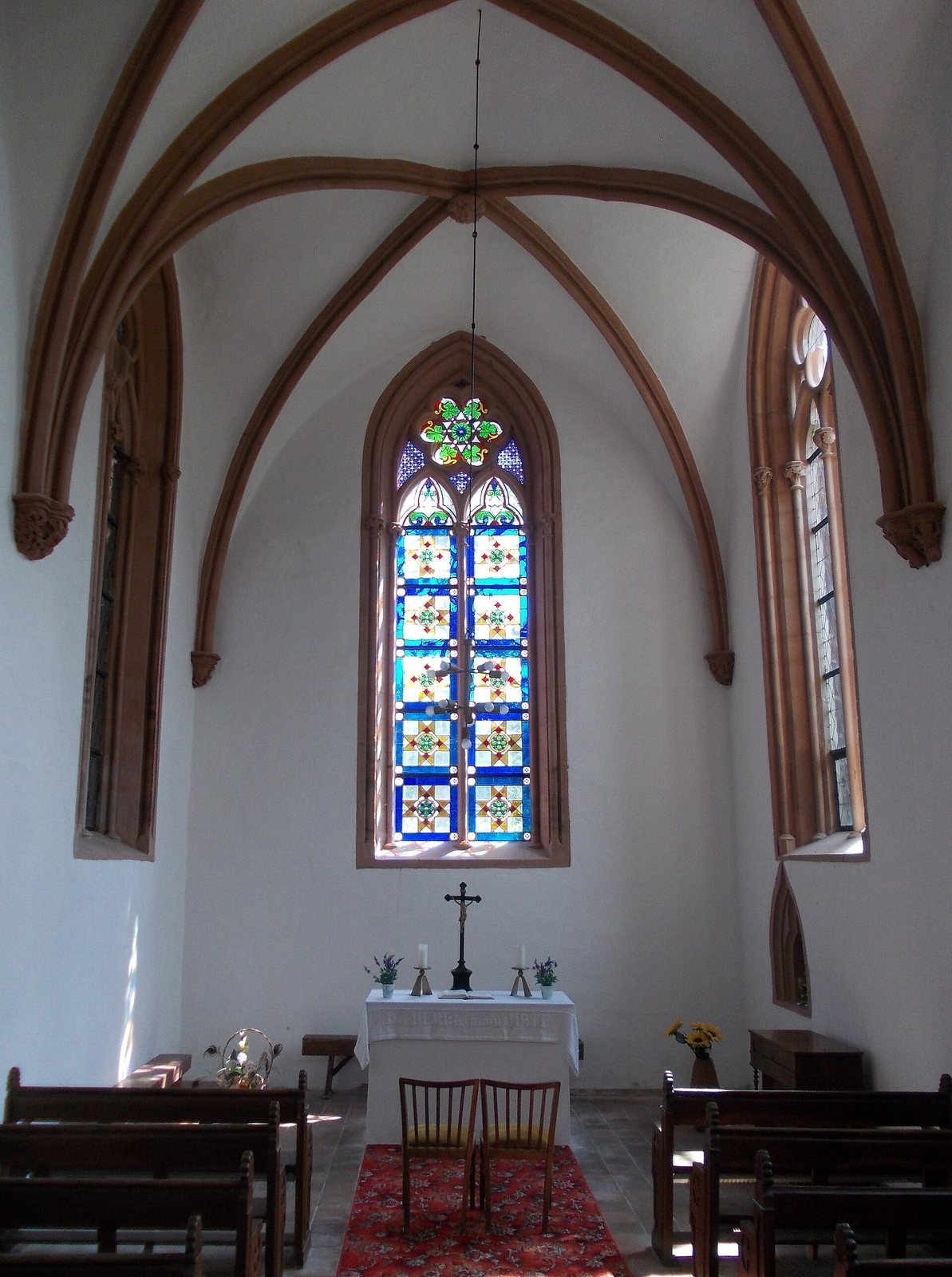
Following German reunification in 1990, the Cistercian order received the remaining buildings and lands back. Restoration and redevelopment followed, and the site became a hotel and retreat center. The chapel is used for daily prayer.
Remains
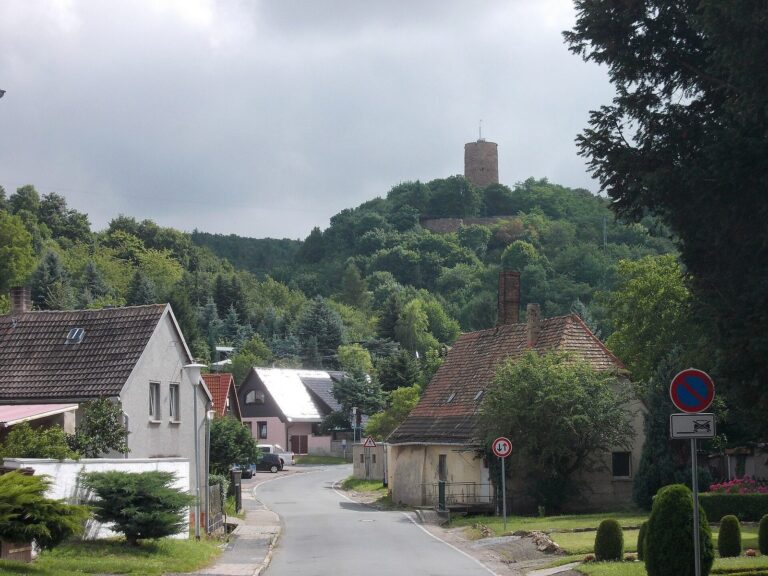
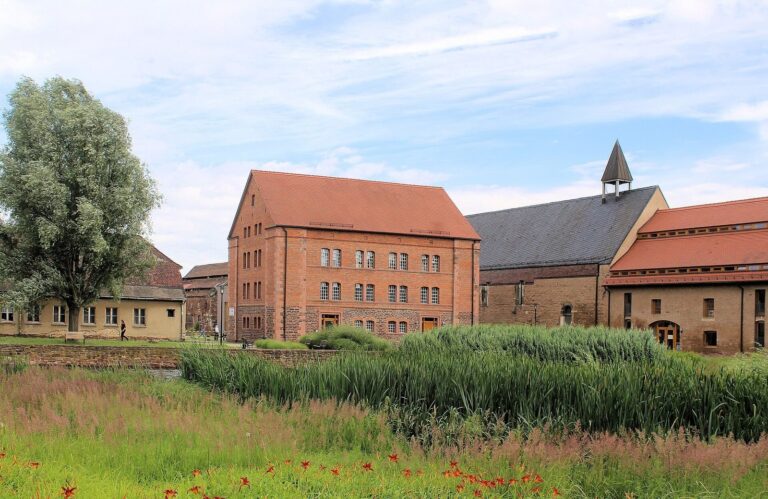
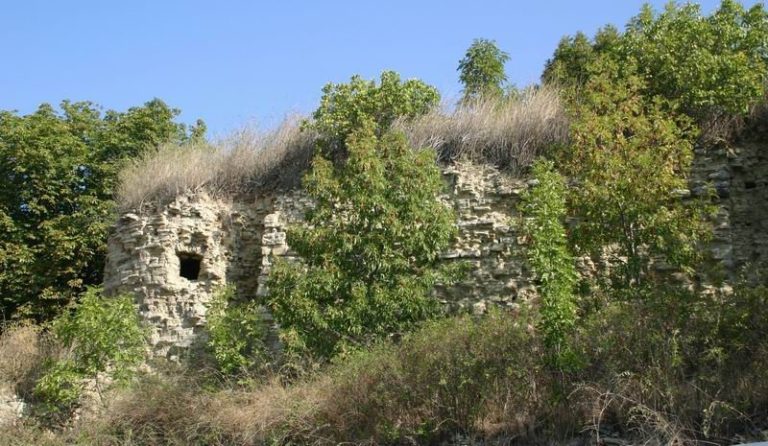
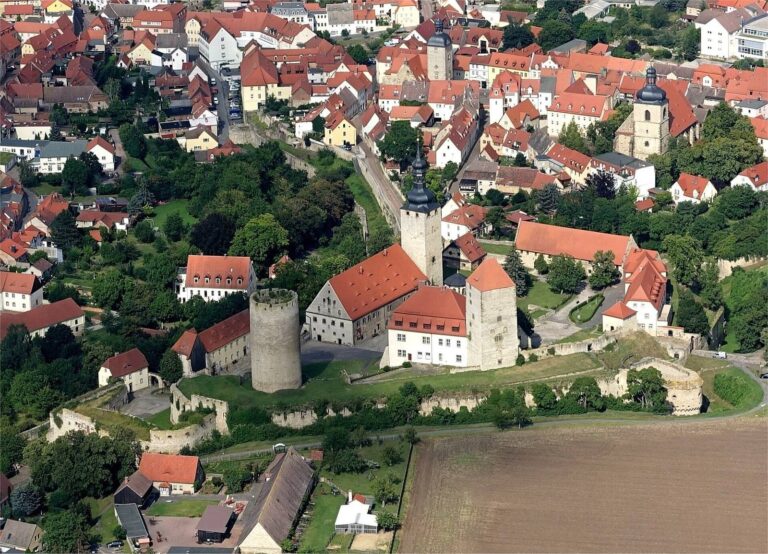
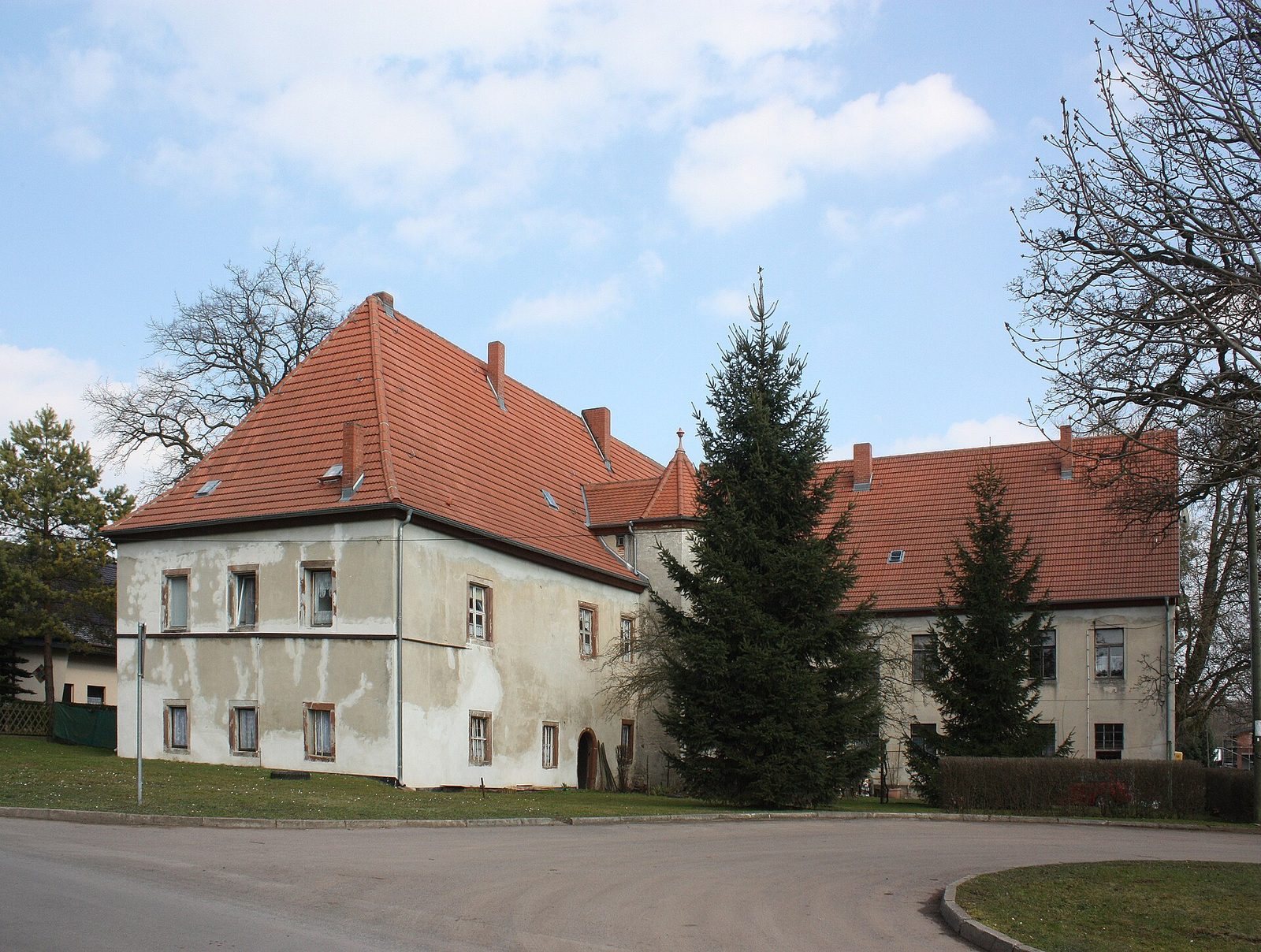
Most of the abbey buildings have fallen into ruin. The surviving fabric includes chapels, part of a cloister wing, other monastic structures, and ponds; later gardens and places for worship occupy an open field. The abbey church stood northwest of the present church, according to excavations carried out in 1978.
Chapels and abbey church
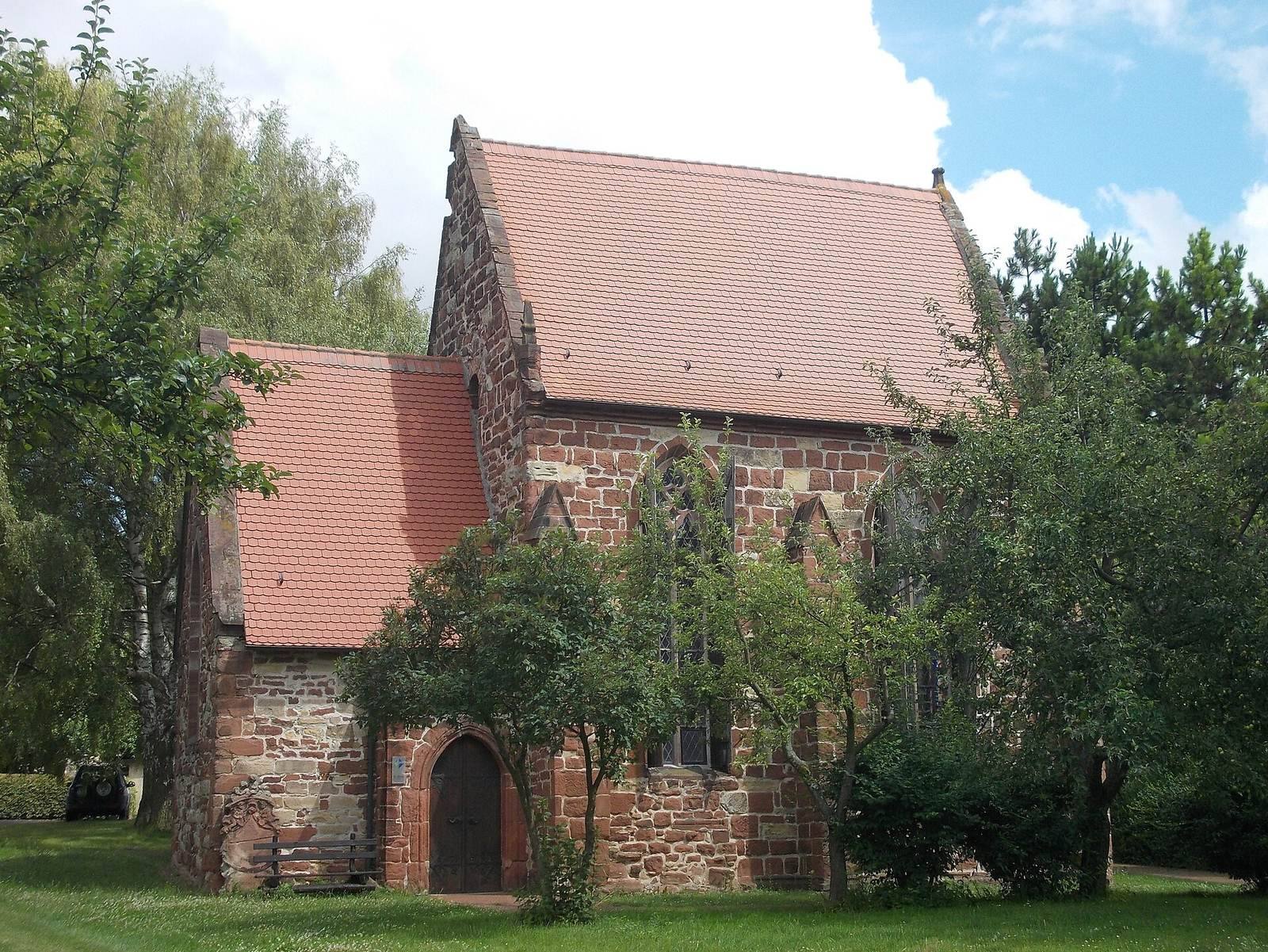
Abbot’s chapel
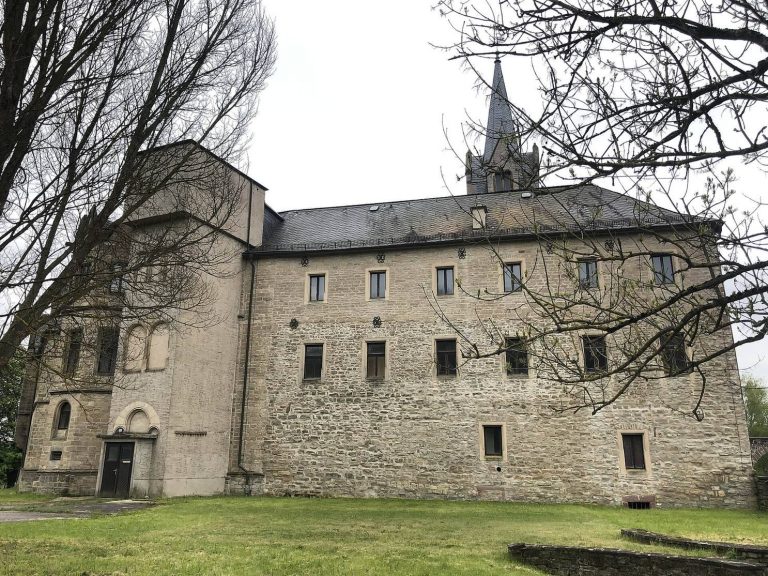
The surviving abbot’s chapel was converted into an administrative chapel around 1615. It underwent extensive changes in the nineteenth century and was rebuilt after 1990.
Abbey church and capitals
A large, cube-shaped capital from the abbey church is displayed in front of the Catholic church. A capital is the uppermost part of a column or pier. Three other capitals from the church are installed in an extension of the manor house.
Other remains and grounds
Cloister wing and associated structures
The west wall of the western cloister wing survives; a cloister is a covered walkway around a monastery courtyard, and its wing is a building range beside it. West of the abbot’s chapel stands a shepherd’s dwelling. Another chapel has been converted into a residence. The remains also include the monks’ tunnel and a dovecote.
Ponds and landscaped area
The monastic ponds remain part of the site. An open field has been developed with gardens, worship spaces, shrines, and a labyrinth for meditative walks. Other buildings have been added or restored.