Brandes: A Medieval Silver-Mining Settlement in France
Site at a Glance
- Rating
- 4.7
- Popularity
- Low
- Country
- France
- Primary era
- Medieval
- Eras represented
- Classical, Medieval, Modern
- Civilizations
- French, Holy Roman Empire, Roman
- Site type
- Settlement
- Remains
- Town
On this page11 sections
History
Early activity
In Antiquity, a small fort guarded access along a Roman road. Copper mining in the surrounding Grandes Rousses massif has also been attributed to the Bronze Age, although that connection is uncertain.
Medieval mining settlement
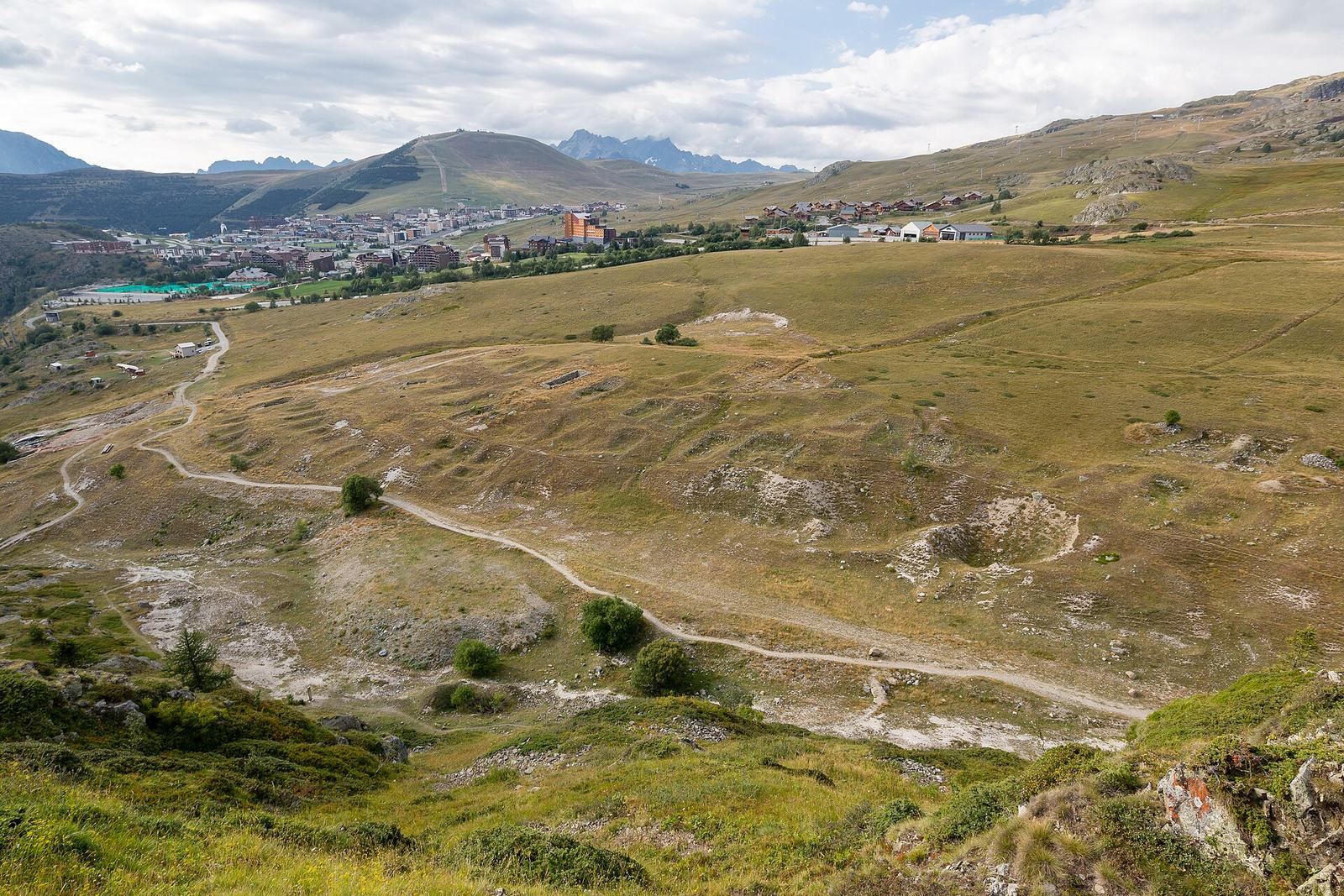
The Brandes mining settlement is a medieval site near Alpe d’Huez in France, where silver-bearing galena, a lead mineral that can contain silver, was mined from the 12th to the 14th century. The mines were operated for the Dauphins of Viennois, the ruling princes of Dauphiné, and managed by the lords of Dauphiné.
Income from the mines helped André Dauphin de Bourgogne finance the Collegiate Church of Saint-André in Grenoble in 1228. A collegiate church is served by a community of clergy organized as a college, rather than by a monastic community.
Abandonment and later study
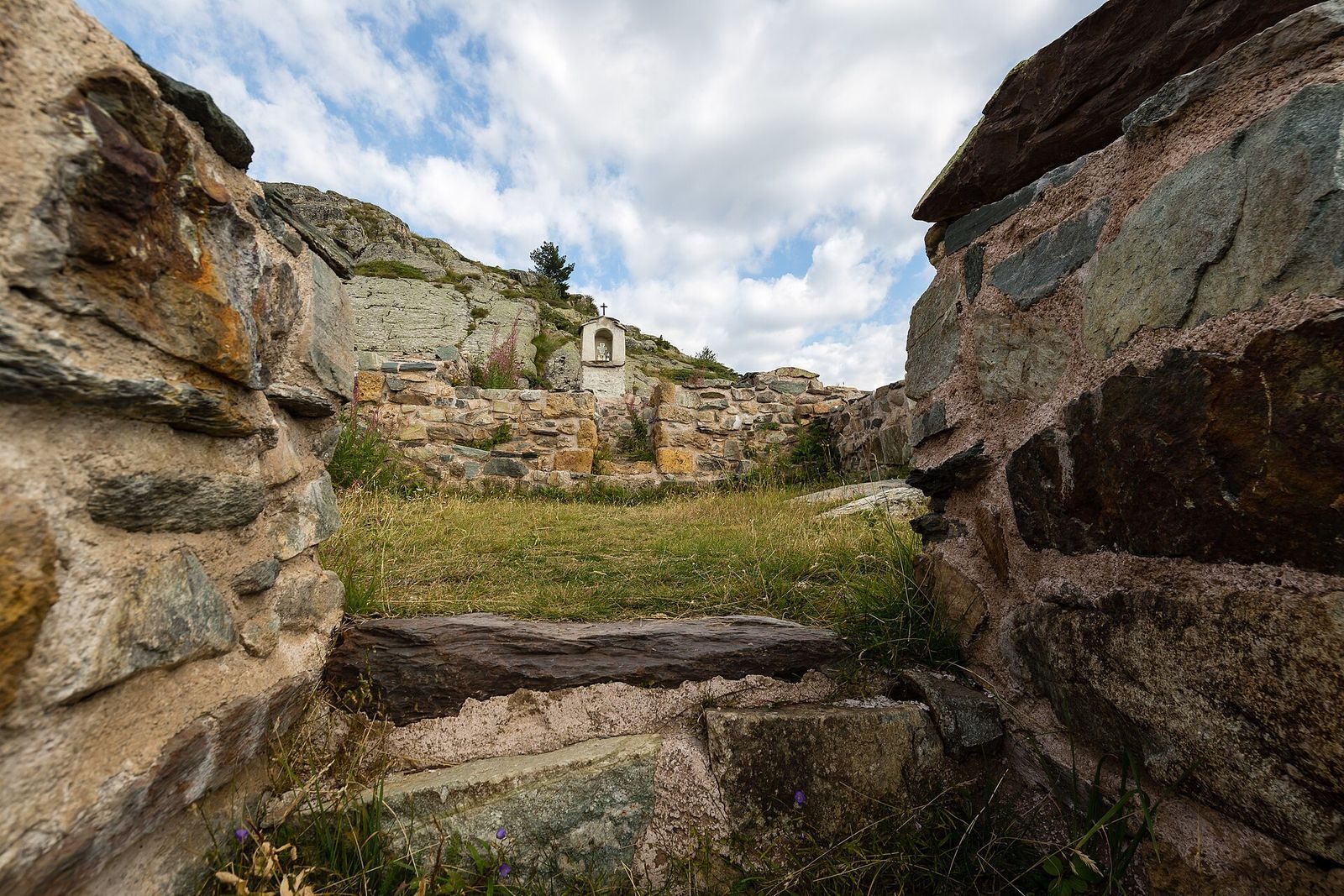
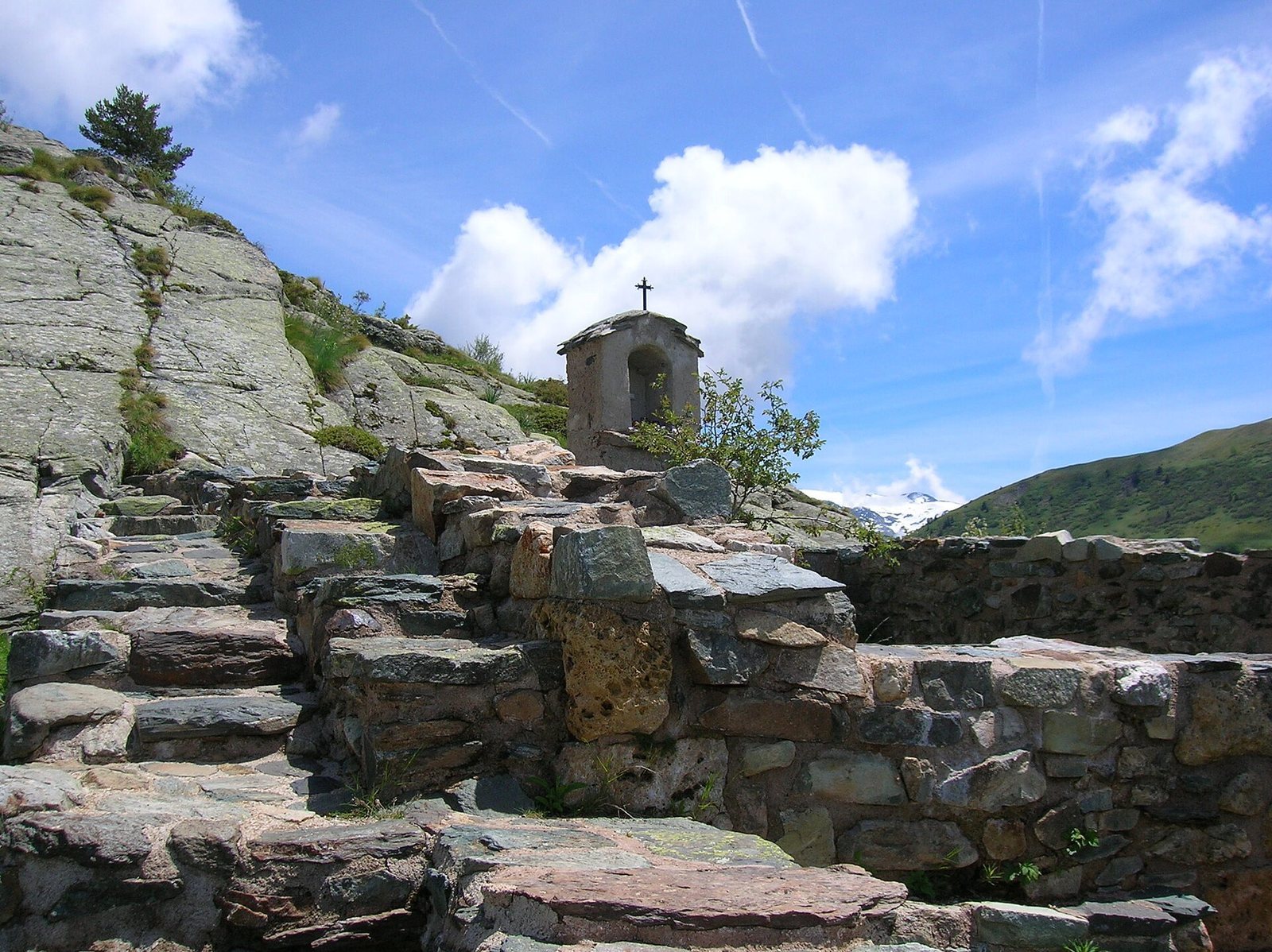
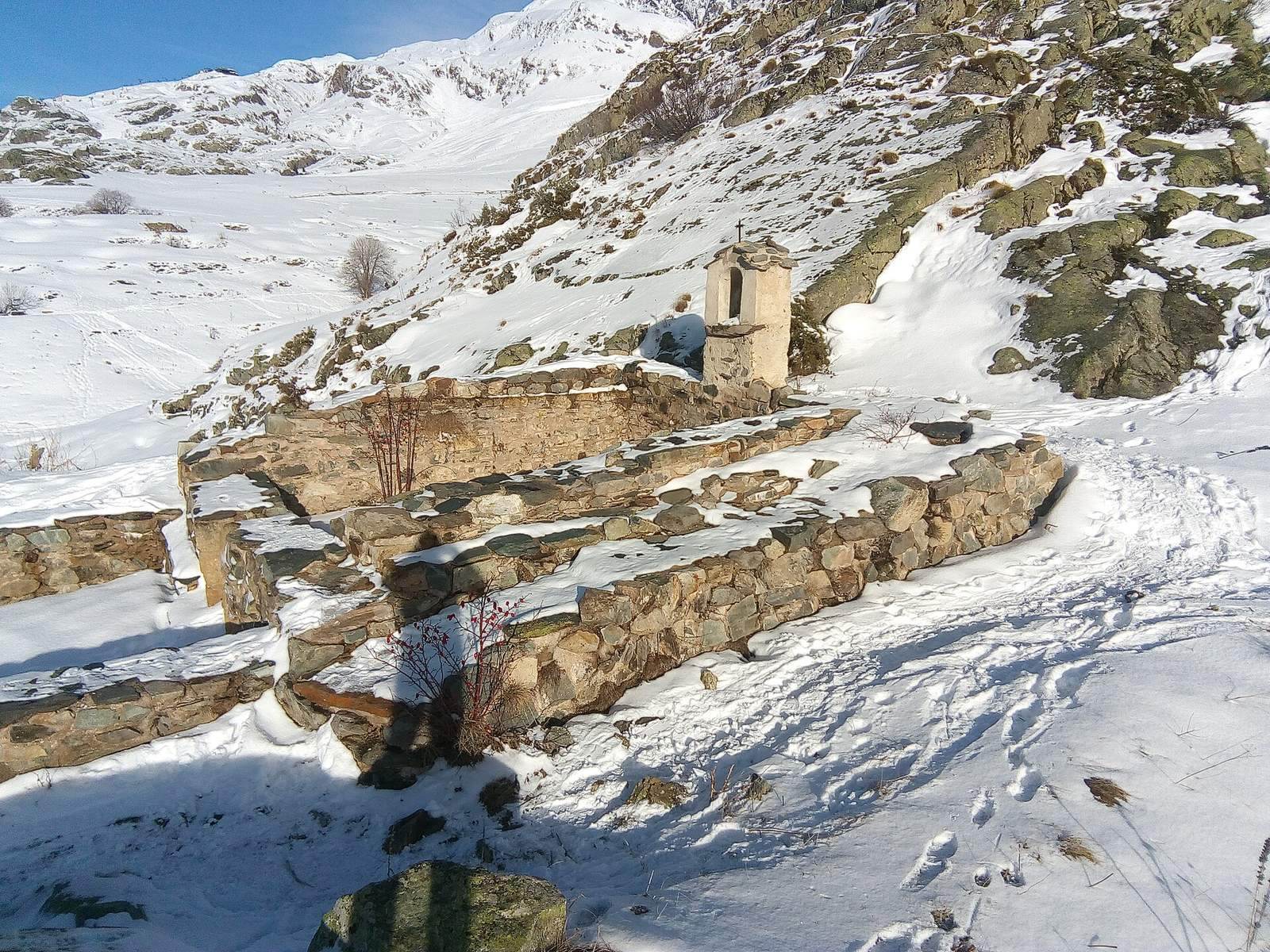
The settlement was abandoned after flooding filled its mine galleries in 1330. A small oratory was built on the remains of the church in the late 19th century. A team from the French National Centre for Scientific Research has excavated and studied Brandes since 1977. The site became a historic monument by decree on 6 August 1995. Brandes is known as Europe’s only medieval mining settlement preserved in its entirety, the highest medieval village in Europe, and the oldest known silver mines in France.
Remains
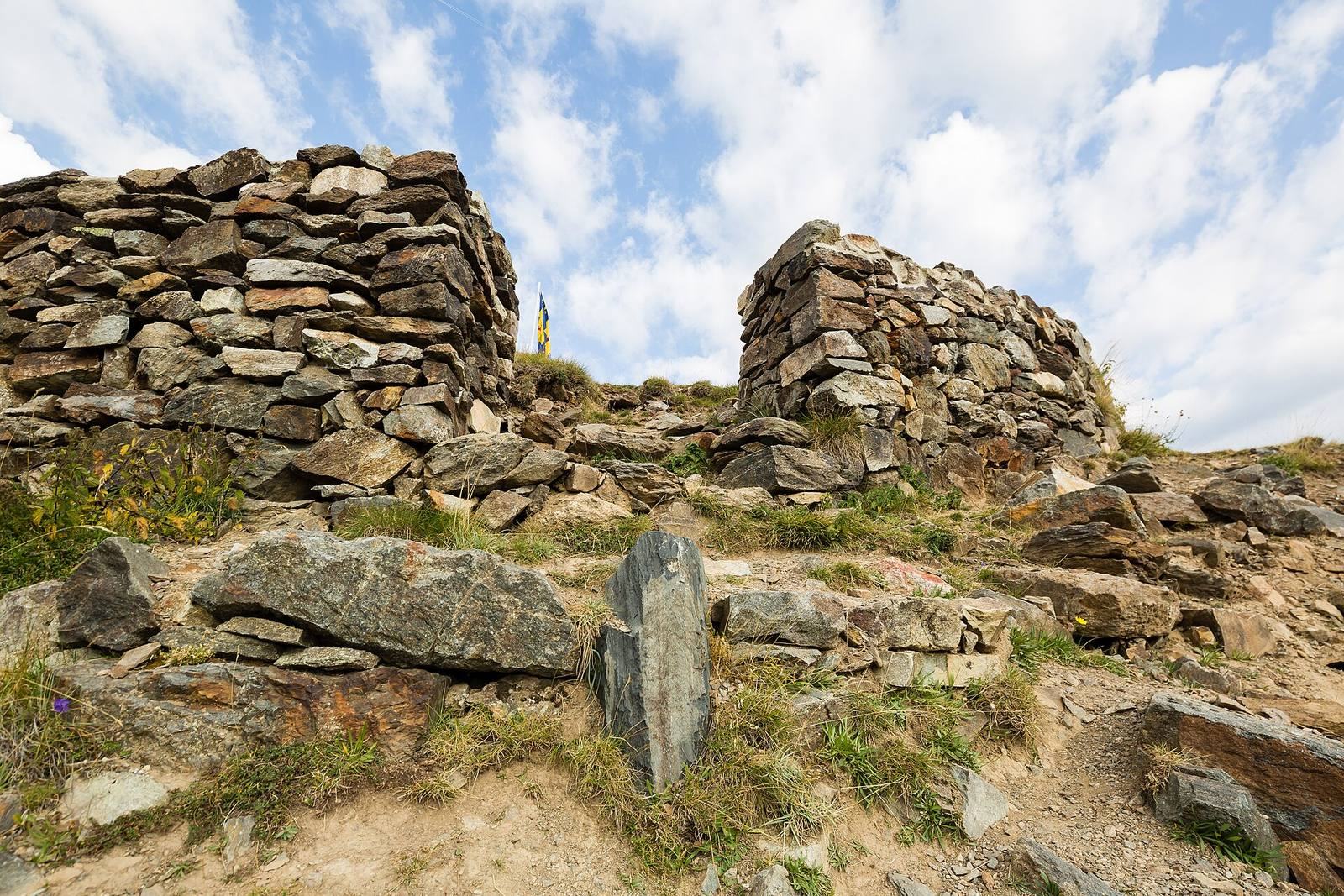
At an elevation of 1,800 metres on the slopes of the Grandes Rousses massif in the Oisans basin, the medieval mining area extended from Gua in the Sarenne valley to Lac Blanc. The settlement brought together a castle, a parish church and cemetery, about 80 dwellings, industrial quarters, and surface and underground mine workings. The buildings included stone houses set partly into the ground, with timber frames.
Settlement and mining landscape
Village buildings
About 80 houses served as both homes and workshops where ore was processed. Their construction combined stacked stone with timber framing, and their roofs were thatched with rye straw. The settlement housed nearly 250 people. Ruins of the castle also remain within the site.
Mining and ore processing
Surface and underground workings formed part of the mining area, alongside several industrial quarters. Evidence at Brandes shows successive stages of processing the ore: extraction, crushing, grinding and washing.
Religious and funerary remains
Parish church and cemetery
The small parish church was dedicated to Saint Nicholas, a widely venerated Christian saint, and a cemetery surrounded it. Excavations uncovered more than 100 burials. Some were placed on bedrock, while most lay on an artificial terrace associated with an enlargement of the church. Some human remains are displayed at the Museum of History and Archaeology of Alpe d’Huez.
Oratory
A small oratory, or place of worship, is among the surviving remains alongside the church.