Shimotabaru Castle: A Fortification on Hateruma Island
Site at a Glance
- Popularity
- Medium
- Country
- Japan
- Primary era
- Medieval
- Eras represented
- Medieval, Early Modern
- Civilizations
- Unclassified
- Site type
- Military
- Remains
- Castle
On this page6 sections
History
Trade and political change in Yaeyama
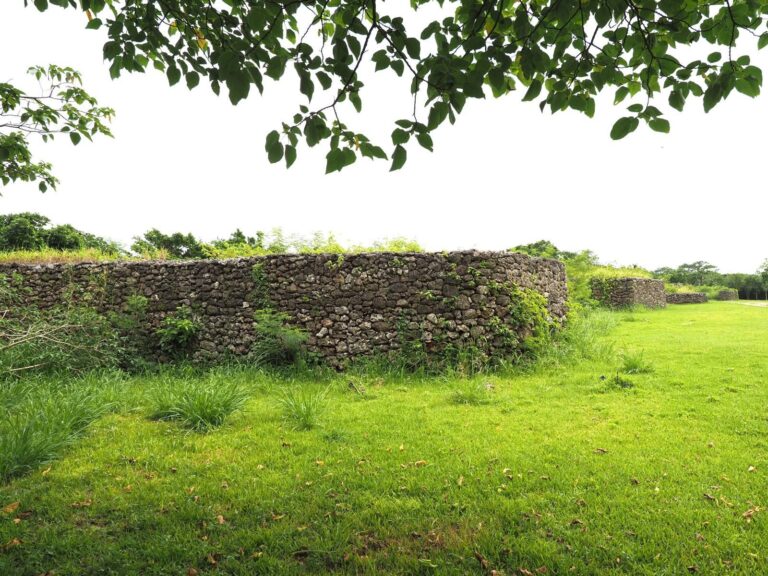
Shimotabaru Castle is a ruined fortification on Hateruma Island, Japan, believed to date to the fifteenth or sixteenth century. Chinese celadon fragments from that period found at the site support this dating, but the castle’s exact construction date and builder are unknown.
From around the end of the twelfth century, expanding trade with the Song dynasty, a Chinese ruling house, and other countries accompanied the emergence of a ruling class in the Yaeyama Islands. Local warlords held power until 1500, when the Oyake Akahachi Rebellion, led by Hateruma-born Oyake Akahachi, brought the islands under the Ryukyu Kingdom, a historical kingdom in the Ryukyu Islands. Shimotabaru is among the island fortifications believed to date to this broader period of political change.
War and heritage recognition
The castle escaped damage during World War II. In 2003, its ruins were designated a National Historic Site of Japan.
Remains
Setting and enclosure layout
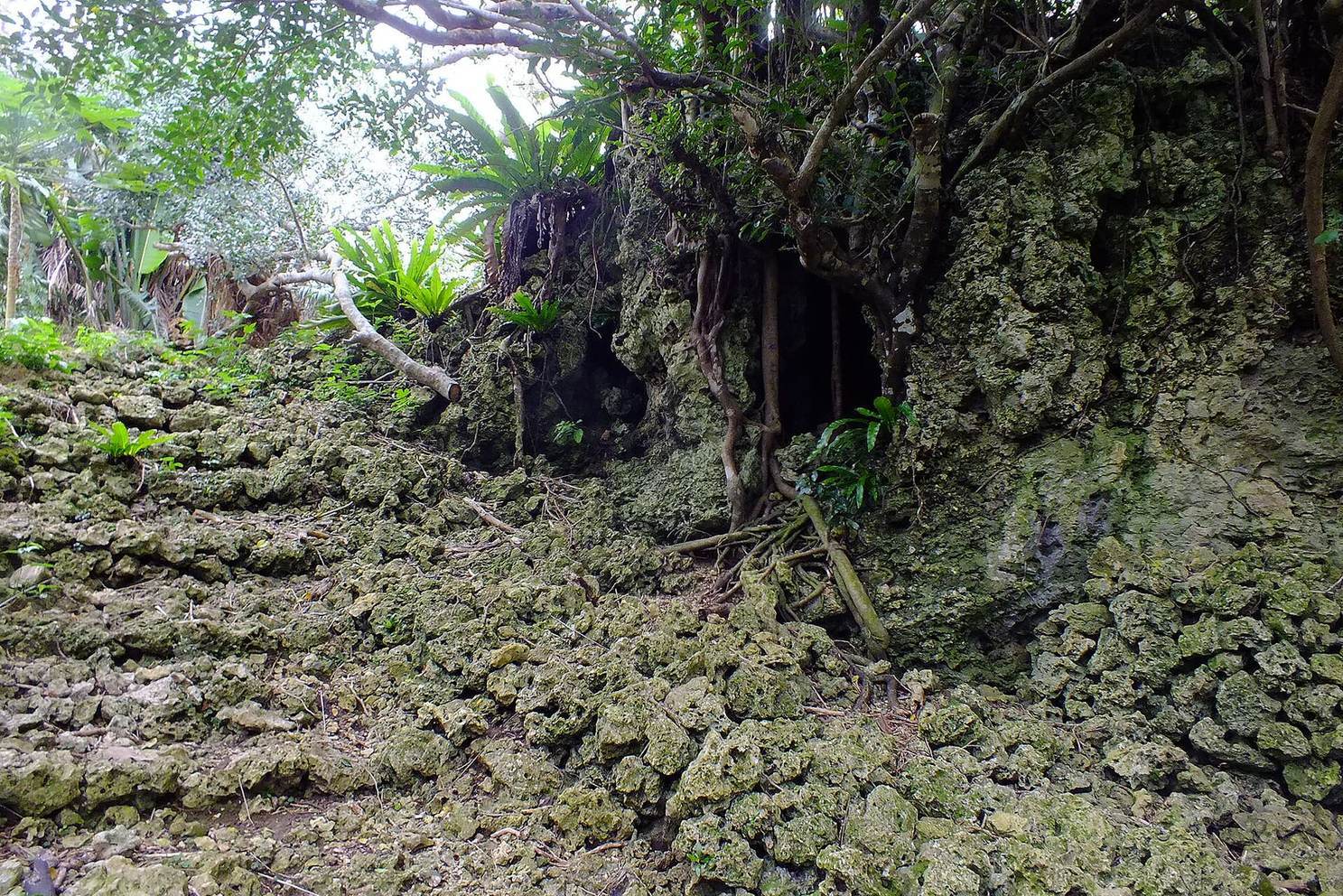
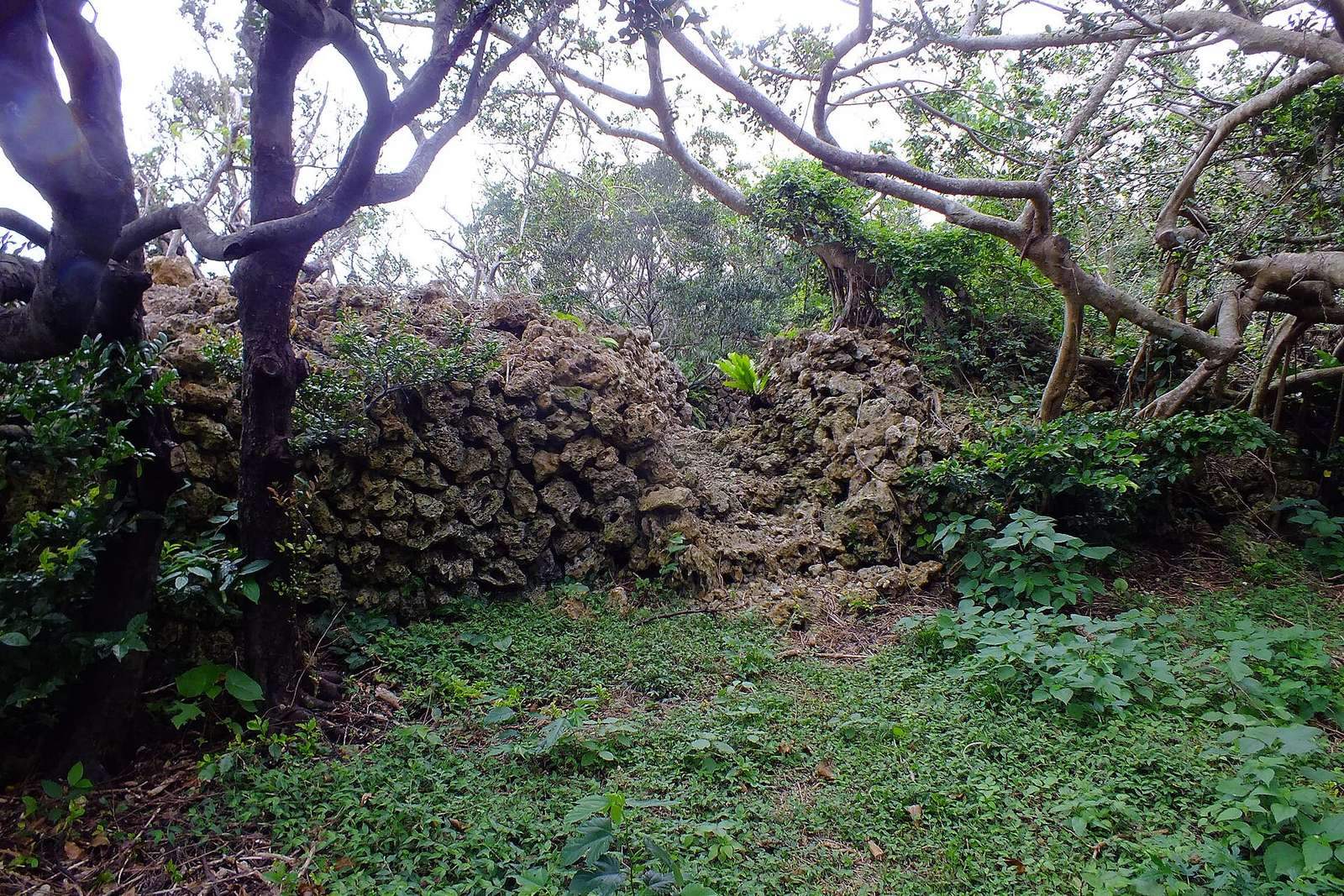
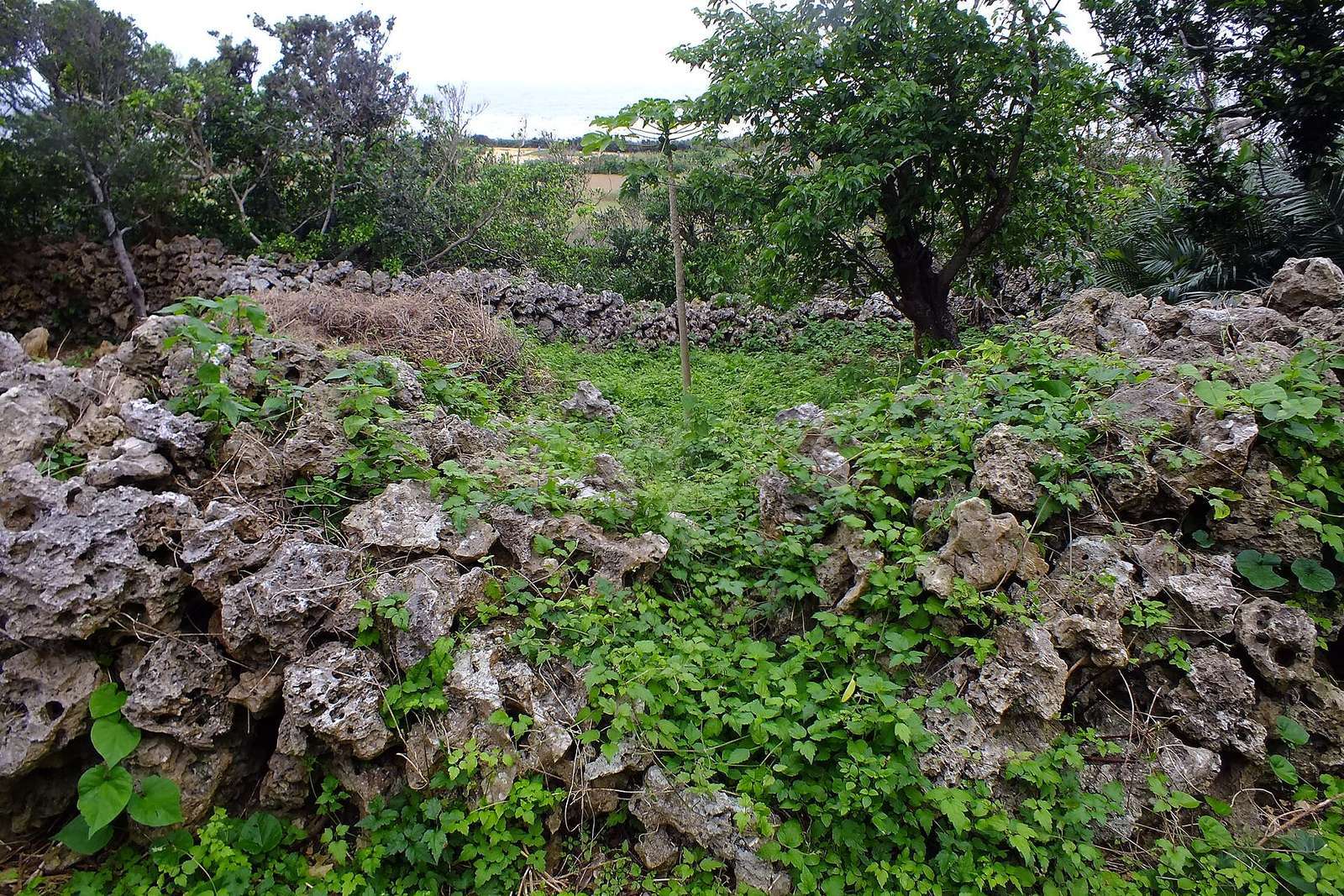
The fortification stands on a cliff about 25 metres above sea level near Odomari Beach in northern Hateruma Island. The site extends roughly 150 metres from east to west and 100 metres from north to south. It contains eight enclosures, bounded by walls built from piled coral limestone. Ryukyuan limestone and wood are also identified as construction materials.
Surviving features and condition
Remains include observation decks, stone chambers and wells. A stone monument for Buribuchi Park stands near the entrance, while coral reefs and vegetation cover the ruins. They remain in good condition, although lack of maintenance and prolonged exposure to the tropical environment have affected them.