Shatrishche Monastery: An Orthodox Monastery on the Don
Site at a Glance
- Popularity
- Low
- Country
- Russia
- Primary era
- Early Modern
- Eras represented
- Early Modern
- Civilizations
- Russian
- Site type
- Religious
- Remains
- Monastery
On this page6 sections
History
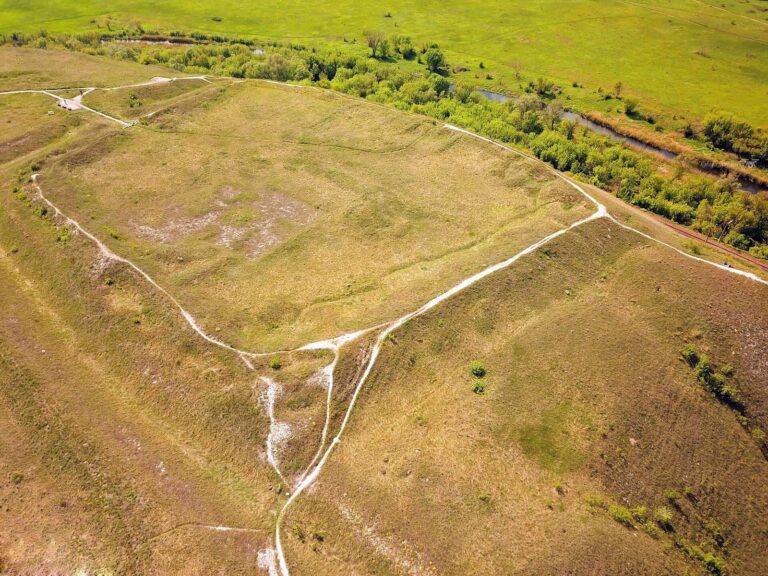
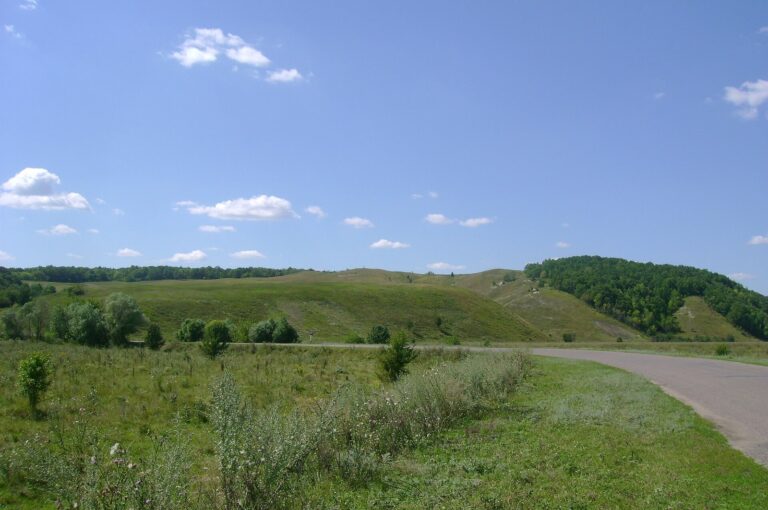
Shatrishche Monastery was an Orthodox men’s monastery near the village of Vyazniki on the right bank of the Don in Russia. Its first recorded mention dates to 1652, though its foundation is also placed in the early seventeenth century, around the time of the Divnogorsky Monastery. Its beginnings fell amid the movement of Ukrainian Cossacks from the Dnieper region toward the Don. It was considered one of the oldest monasteries in the Don region and was deeply revered by local people.
Foundation and episcopal oversight
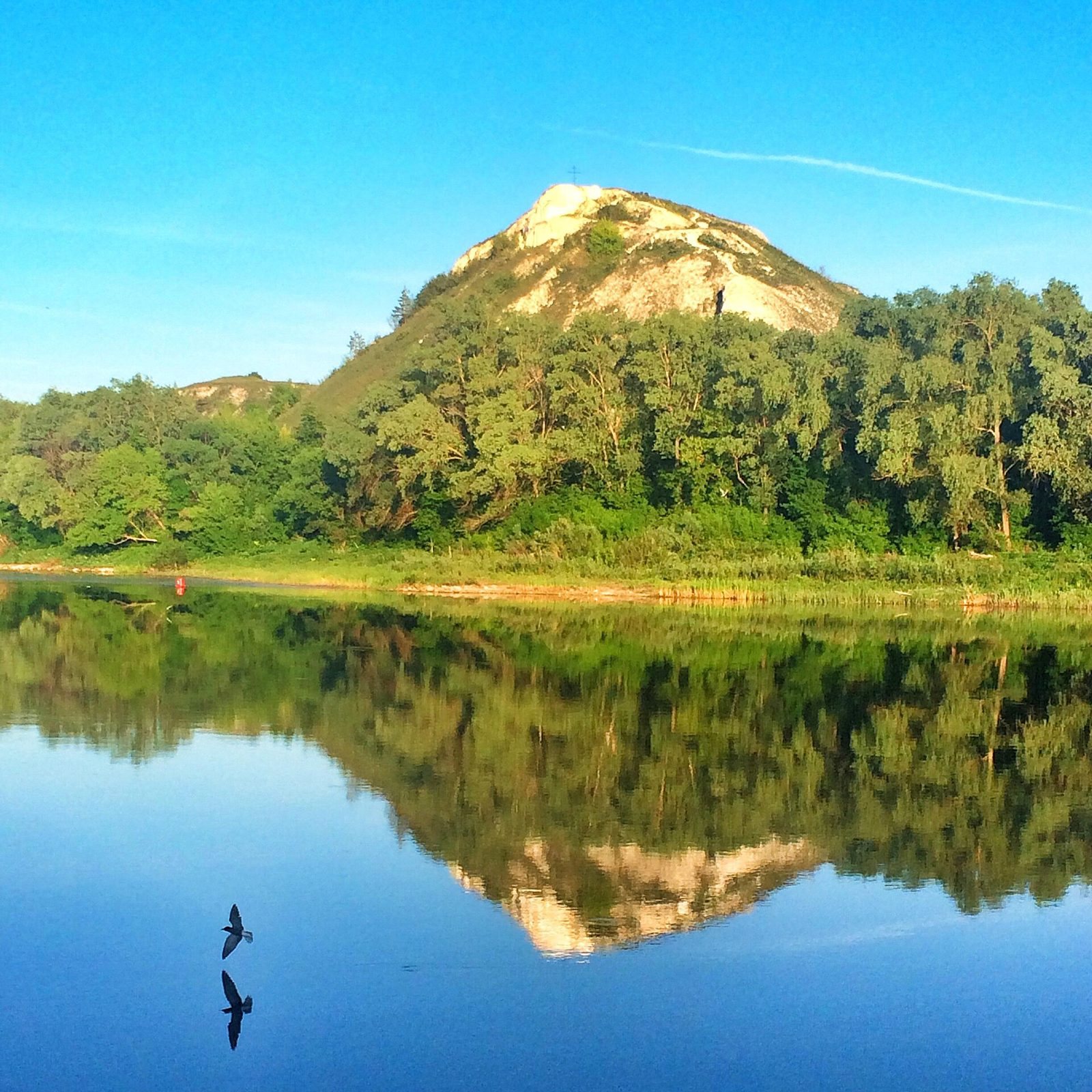
Older documents called the monastery the Savior-Transfiguration Monastery, probably after its former church. Its founders may have compared Shatrishche Mountain with Mount Tabor, traditionally associated with the Transfiguration of Jesus, and regarded the mountain as their “native Tabor.”
After robbers devastated the monastery, the priest Milenty Ivanov petitioned Tsar Fyodor Alekseyevich, who ruled from 1676 to 1682. The tsar permitted Ivanov to become a monk and live at a deserted church near the mountain. Ivanov became the monastery’s first resident after the devastation.
In 1690, a decree by the co-tsars Peter and Ivan placed the monastery under the episcopal household of Mitrofan of Voronezh, an Orthodox bishop later venerated as a saint. A travel record from 1696 described it as a dependent monastery under the Voronezh bishop’s jurisdiction, with four monks. In 1700, Mitrofan complained to Tsar Peter that the voivodes of Olshansk and Korotoyak had ordered boundary marks cut into two oaks and a pit dug on his estate below the Shatrishche tract and ravine.
Closure and continued worship
In 1764, Catherine II’s secularization reform, which transferred church property and institutions to state control, led to the closure of Shatrishche and other small, poor monasteries. The monastery’s wooden church and bell tower were sold to the settlement of Melovatka. The 150 rubles raised helped pay for a heated church at the episcopal residence in Voronezh.
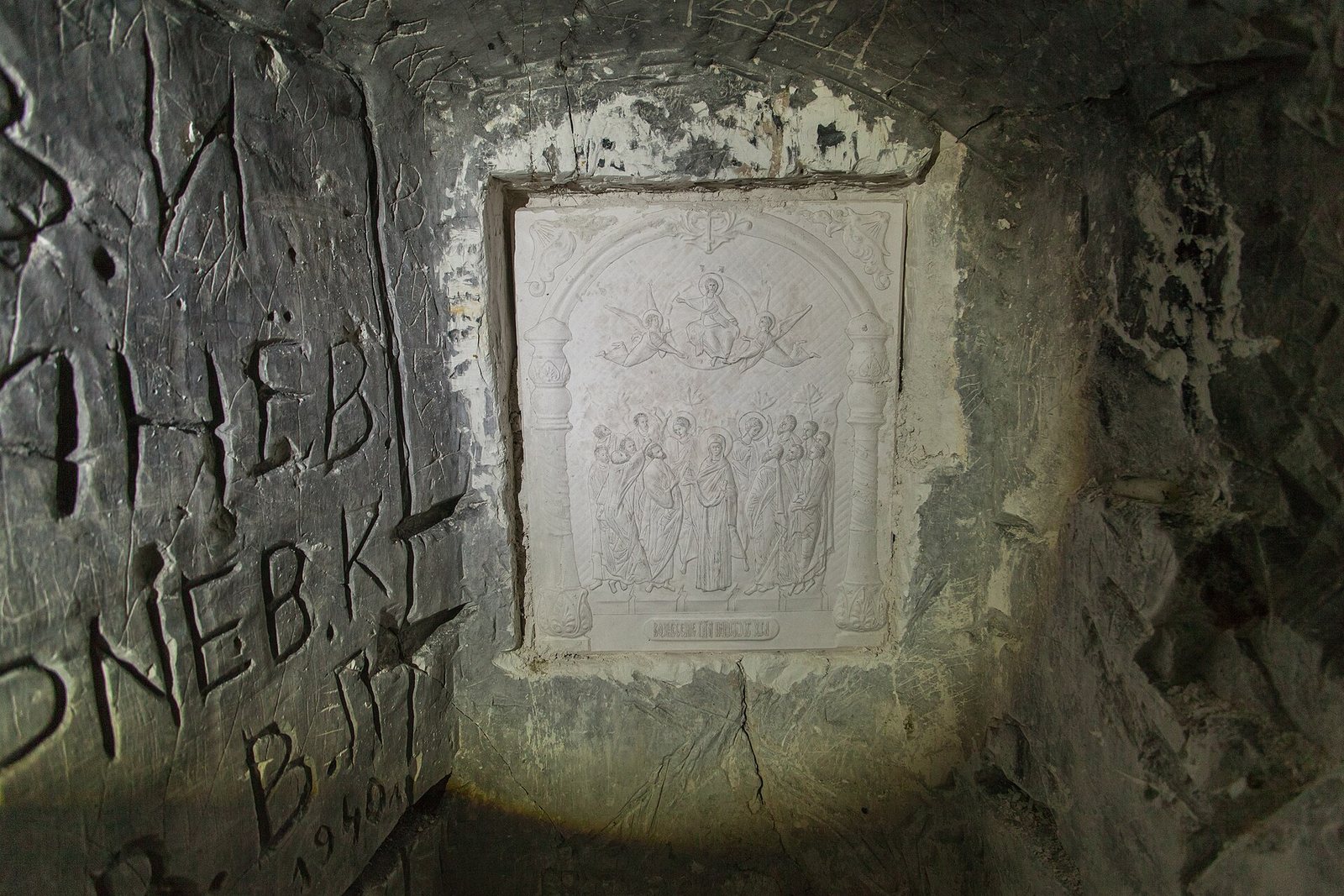
The closure did not end worship in the caves. During the late 1840s, many pilgrims came there in summer. Diocesan authorities ordered the entrance blocked, but people reopened it to pray and sing inside. When police arrived to seal the caves and disperse the worshippers, clashes followed. The police damaged icons and sacred images on the walls, then withdrew with losses.
Permission to hold services in the cave church was granted in 1854. A large wooden cross was also erected on the mountain’s summit that year. Local people continued to regard Shatrishche as sacred. Late-nineteenth-century descriptions noted that residents were reluctant to settle nearby and readily listened to local legends.
The nineteenth-century revival attempt
In 1889, Diodor (Dmitry Kotlyarov), a Russian-born monk from Mount Athos and a native of Orlik in Stary Oskol district, sought to revive the monastery. He said that a holy fool had told him relics of three saints were kept at Shatrishche and that a restored monastery would become as great as Athos, a major Orthodox monastic center in Greece. At a village meeting in March 1890, residents agreed to give land for a monastery. The proposal called for monks from Athos to follow its rule and offer memorial services for 10 kopecks.
On 8 August 1891, the Voronezh ecclesiastical consistory, the diocese’s administrative body, rejected the request to reopen the monastery. Russian authorities did not recognize monastic vows taken on Athos without approval from the Russian church hierarchy, so local officials could treat the petitioners as ordinary peasants. Instead, the consistory assigned the caves to the Divnogorsky Dormition Monastery for prayer and services other than the liturgy. A hieromonk, a monk ordained as a priest, and two novices, people preparing for monastic life, were to oversee them and record donations. The revival effort failed.
After 1917
After 1917, the monastery was looted, and Shatrishche Mountain was repeatedly blasted for chalk. In the 1970s, cave researchers rediscovered and surveyed the cave, making its first schematic plan and brief description.
Remains
The monastery’s surviving remnant is a cave complex cut into the chalk of Shatrishche Mountain. A 1696 description noted numerous chalk caves in the mountain. The surviving cave extends for about 280 metres, and its entrances are roughly two-thirds blocked. Its excavation is traditionally attributed to the monastery’s monks.
The cave’s galleries have soot-blackened walls covered with graffiti, and litter lies across the floors. The vaults are unsafe, particularly in the lower section. The complex is regarded as a distinctive monument of underground architecture.