Séfar: A Prehistoric Rock-Art Settlement in Algeria
Site at a Glance
- Popularity
- Very High
- Country
- Algeria
- Primary era
- Stone Age
- Eras represented
- Stone Age, Bronze Age, Iron Age, Classical
- Civilizations
- Unclassified
- Site type
- Settlement
On this page7 sections
History
Prehistoric rock art
Séfar is a prehistoric rock-art settlement in the Tassili n’Ajjer massif of Algeria. Its paintings and engravings are generally dated from about 6000 BCE to the first centuries CE, although some paintings may be more than 10,000 years old, with estimates extending as far back as 15,000 years. Direct dating of central Saharan paintings remains unavailable, so the chronology of the region’s artistic traditions has been revised as research has developed.
The Round Heads tradition, named for the rounded heads of its figures, was once placed after about 8000 ± 900 calibrated BCE, a radiocarbon estimate adjusted to calendar years. Revised interpretations suggest it probably began no earlier than the middle of the sixth millennium BCE, after aridity set in around 6200 BCE. Mesāk engravings chiefly date to 4500 to 4000 calibrated BCE, while Bovidian art, associated with cattle and pastoral life, flourished in the fifth millennium BCE. The Iheren style dates to about 3000 calibrated BCE, Caballin to the last millennium BCE, and the Camel style to the arrival of the dromedary, probably around the fifth century CE.
Expedition and heritage recognition
In 1956, French explorer and anthropologist Henri Lhote set out to study and record the Tassili plateau’s artistic and cultural heritage. Encouraged by prehistorian Henri Breuil and anthropologist and museum director Paul Rivet, he travelled with painters, draftsmen and a photographer. Tuareg guide Jebrine Ag Mohamed Machar, of the Idjeradjeriouène Kel Maddak tribe, led the expedition. After a hazardous journey, the party reached Séfar in March 1957. The wider Tassili n’Ajjer property was added to the UNESCO World Heritage List in 1982 as a mixed cultural and natural property. Tuareg tradition holds that djinn, or spirits, inhabit Séfar, a belief associated with its unusual paintings.
Remains
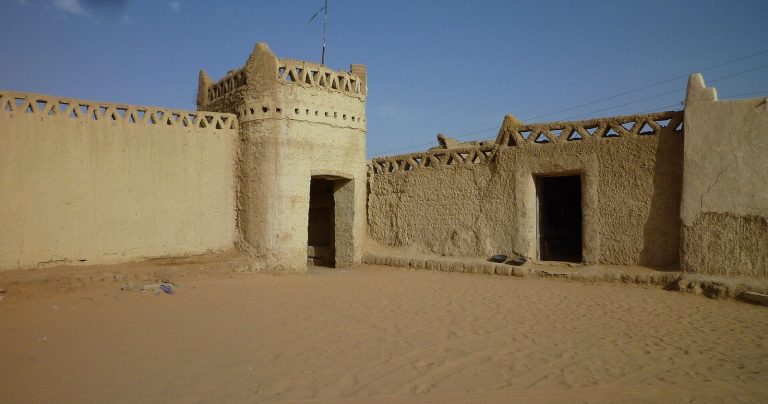
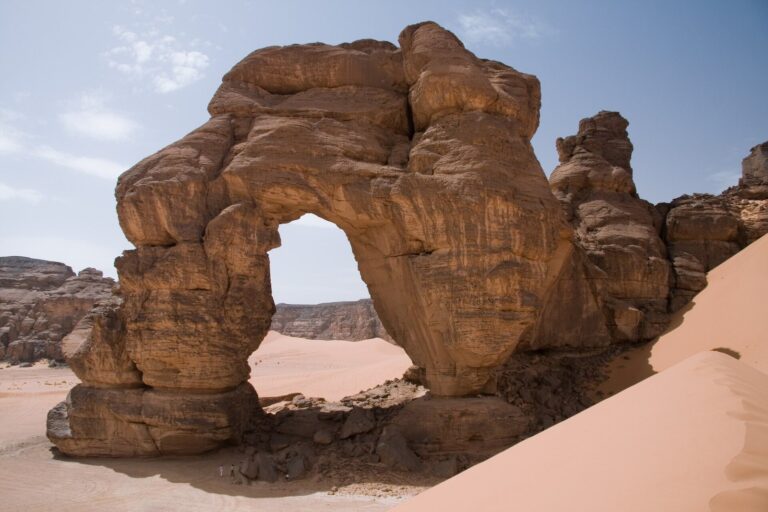
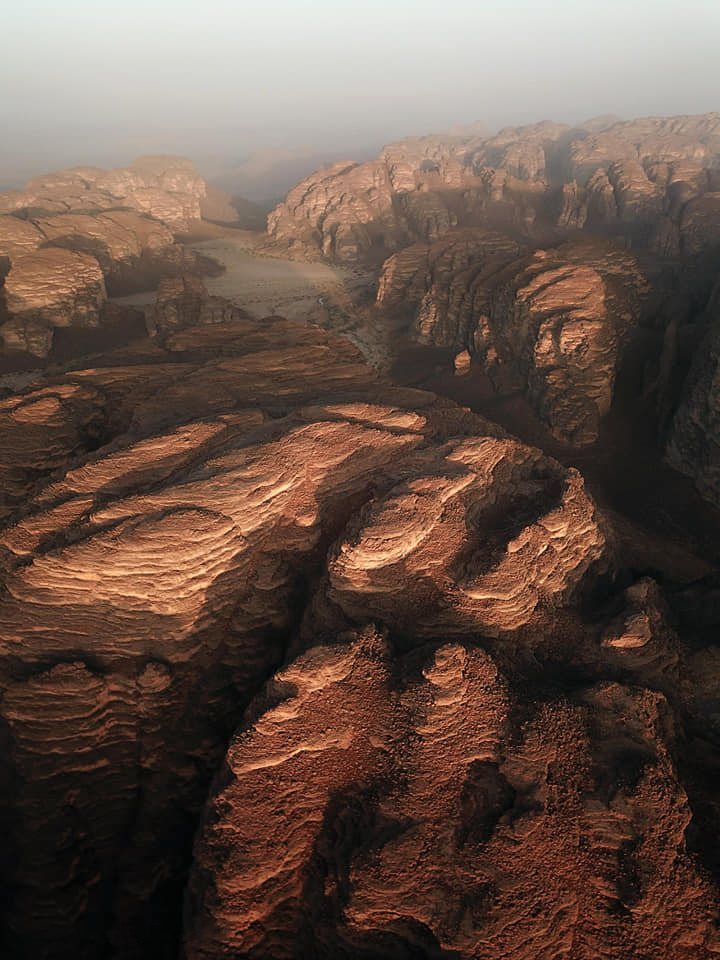
Séfar’s remains spread across a high plateau, where natural rock shelters sit among small massifs, narrow corridors, cliffs and fields of stone columns. At an elevation of 1,618 metres, the ancient settlement comprises several thousand dwellings and is described as the world’s largest cave settlement; it was home to several thousand inhabitants. Many of its shelters bear paintings.
Painted and engraved imagery
The wider rock-art collection
The wider Tassili n’Ajjer property contains more than 15,000 drawings and engravings, forming one of the world’s most important prehistoric rock-art collections and its largest open-air prehistoric-art museum. The imagery includes animals, hunting and scenes of everyday life, as well as aquatic creatures such as hippopotamuses and species that have been extinct in the region for millennia. Together, these images provide evidence of changing climate, animal movements and human life along the Sahara’s fringes. Among the best-known works are the “Black Archer,” “Mars” and the Round Heads.
The Great God composition
The “Great God” composition extends along a shelter wall about 16 metres long, facing an esplanade associated with the ceremonies represented in the scene. Its central figure has a horned head and unexplained protrusions on its arms. A large pouch-like form between its legs has been interpreted variously as a loincloth, a covering for the genitals or an oversized sexual organ. The scene also includes a pregnant red antelope, a woman lying horizontally with a prominent belly, and white antelopes moving from left to right.
A jellyfish-like motif appears on the central figure’s body. Its meaning is unknown, though it is a symbolic mark characteristic of compositions from this period. The scene has been interpreted as expressing fertility, life and their mysteries, and as telling one of the world’s oldest myths.