Höhenkirchen Castle: A Former Ducal Hunting Seat
Site at a Glance
- Popularity
- Medium
- Country
- Germany
- Primary era
- Medieval
- Eras represented
- Medieval, Early Modern
- Civilizations
- Duchy of Bavaria, Electorate of Bavaria, Holy Roman Empire
- Site type
- Domestic
- Remains
- Castle
On this page7 sections
History
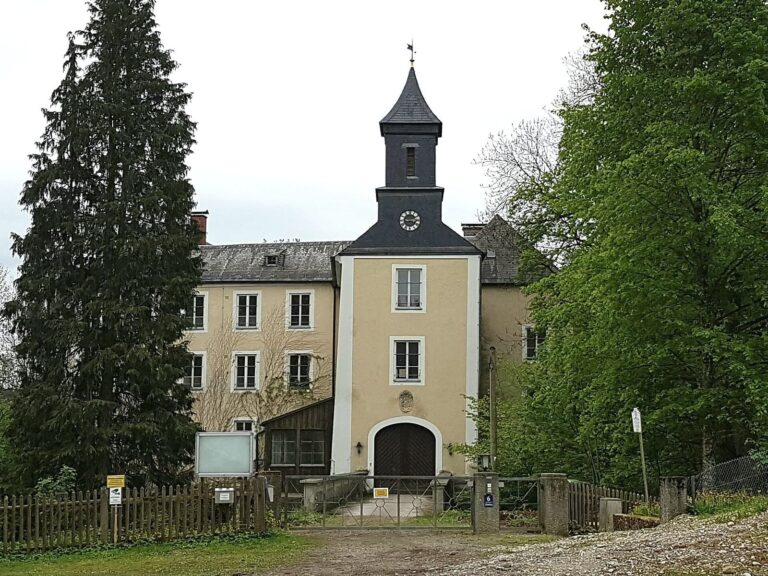
Höhenkirchen Castle is a former manor complex in Höhenkirchen-Siegertsbrunn, Germany. Built during the 15th and 16th centuries, it served as the seat of the ducal master of the hunt, an official responsible for the duke’s hunting.
The Wagner family owned the property first, followed by the Pelkover family, which retained it until 1629. That year, Johann Heinrich Schrenk bought the estate. In 1694, ownership passed from the Schrenk family of Notzing and Egmating to Sigmund Marquard, Baron von Pfötten. The building was altered in the 19th century and now accommodates residential and commercial uses. The complex is protected as an architectural monument and registered as an archaeological monument.
Remains
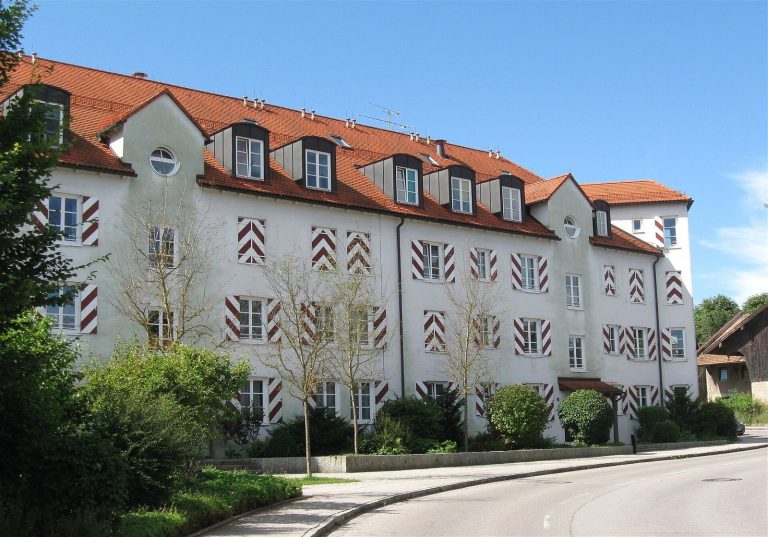
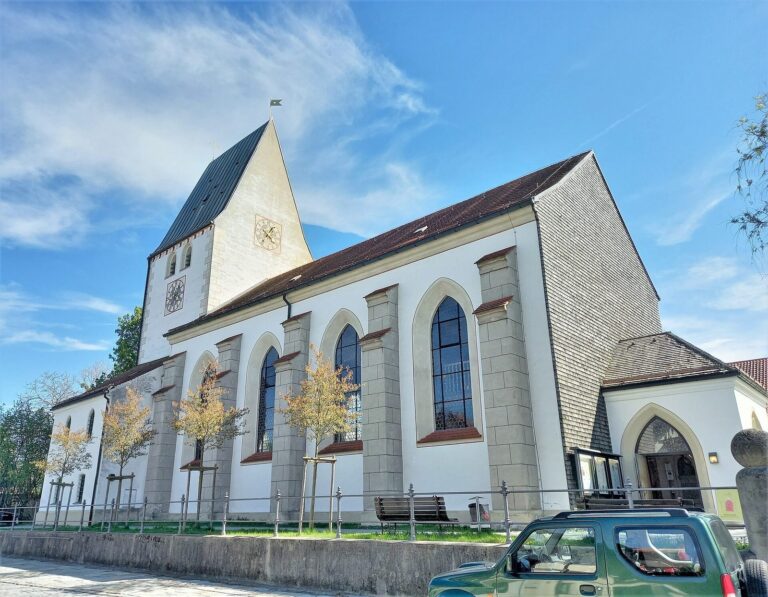
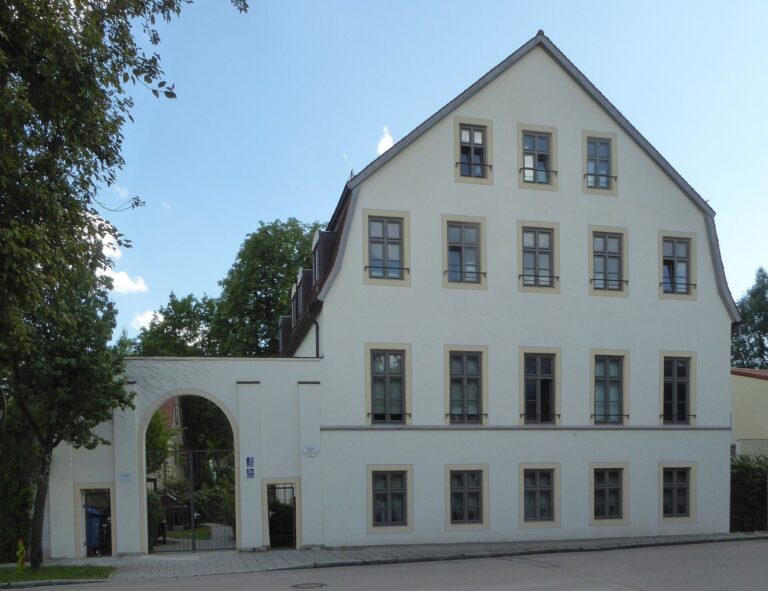
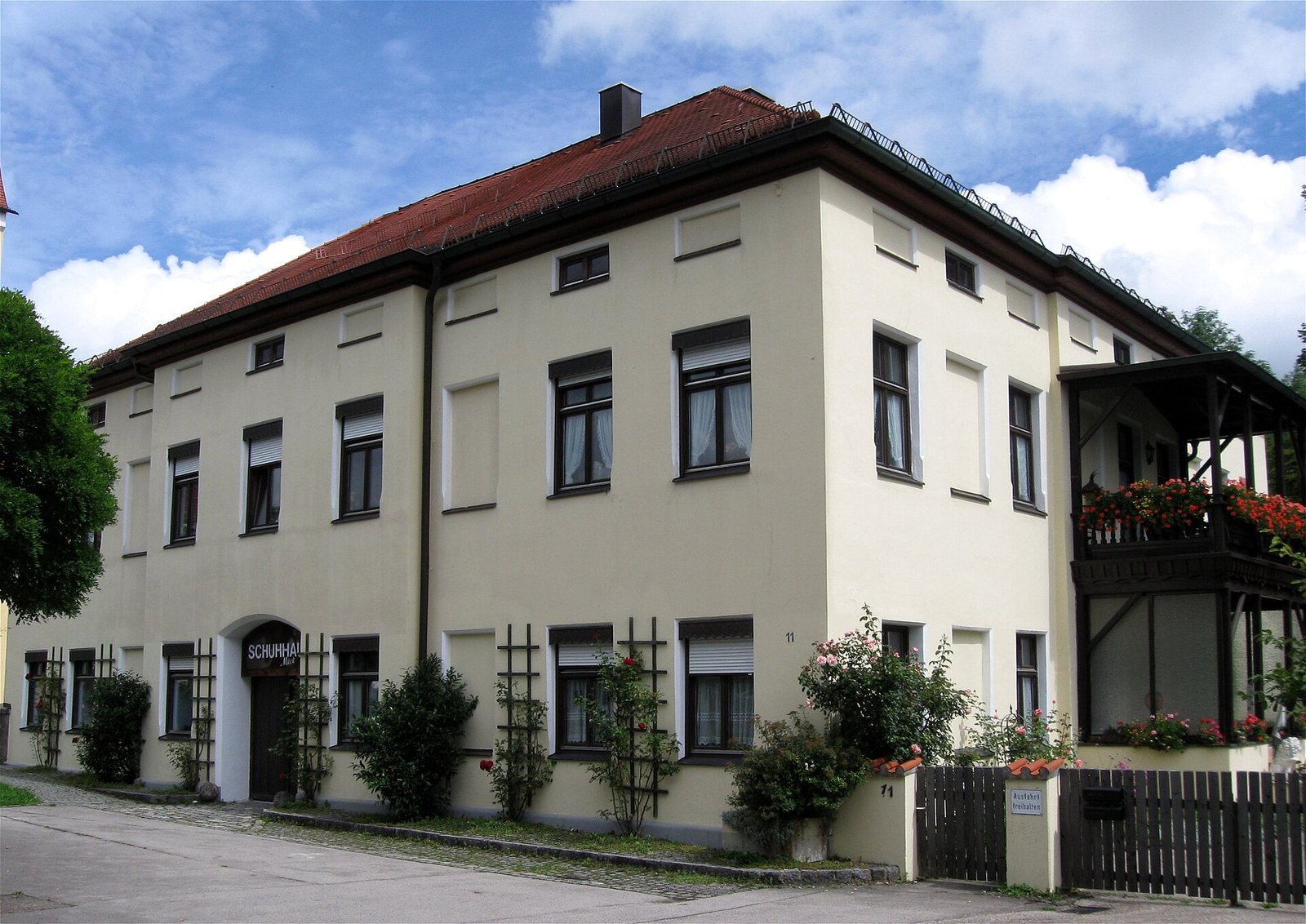
The present complex stands immediately south of the parish church of the Nativity of Mary. Its main building is two and a half storeys high and has a hipped roof. The manor’s earlier arrangement included two separate buildings, while the present complex brings them together.
Buildings and estate remains
Present building
The combined building stands at Rosenheimer Straße 11. Its two-and-a-half-storey form and hipped roof define the surviving structure.
Earlier manor buildings
A 1710 engraving by Michael Wening shows the two manor buildings before they were combined into the present complex.
Garden boundary stone
A stone marking the former manor estate’s boundary stands in the garden. It is dated 1728.
Subsurface remains
Remains from the medieval and early modern periods lie in the area of the former manor castle, its predecessor buildings and the associated farmyard.