Burg Schwaneck: A Nineteenth-Century House and Youth Education Centre in Pullach
Site at a Glance
- Popularity
- Medium
- Country
- Germany
- Primary era
- Modern
- Eras represented
- Modern
- Civilizations
- German, Kingdom of Bavaria
- Site type
- Domestic
- Remains
- Elite Residence
On this page5 sections
History
Burg Schwaneck is a nineteenth-century house in Pullach, Germany, built in 1843 by the Bavarian sculptor Ludwig von Schwanthaler. He created it to realize a childhood dream, during a wider fascination with the Middle Ages expressed through art, architecture and collecting. After the house was inaugurated, Schwanthaler chiefly used its tower for lavish parties.
Schwanthaler and the medieval revival
Recently ennobled by the Bavarian king, Schwanthaler built the house amid this uncritical enthusiasm for medieval life and imagery. He died in 1848, after which the property passed first to a cousin’s family.
Later owners
In 1863, Karl Mayer, a knight and nobleman styled von Mayerfels, acquired the house. He shared Schwanthaler’s enthusiasm for the Middle Ages and assembled a collection of furnishings and medieval props. When Mayer later moved away, his collection was said to have required 30 freight wagons to transport.
After a period occupied by British artist Edith Wentworth Dunbar, the property passed around 1900 to Jakob Heilmann, a Munich construction and property entrepreneur. Heilmann later left it to his son Otto. The district of Munich acquired Burg Schwaneck in 1955.
District ownership and current use
The Munich-Land District Youth Council uses Burg Schwaneck as a youth education centre, while the German Youth Hostel Association, Germany’s nationwide youth-hostel organization, operates a hostel there. Together with the Nature Experience Center, the facilities form the Burg Schwaneck Education Centre. From October 2015 through March 2017, the hostel provided emergency accommodation for unaccompanied refugee minors.
Remains
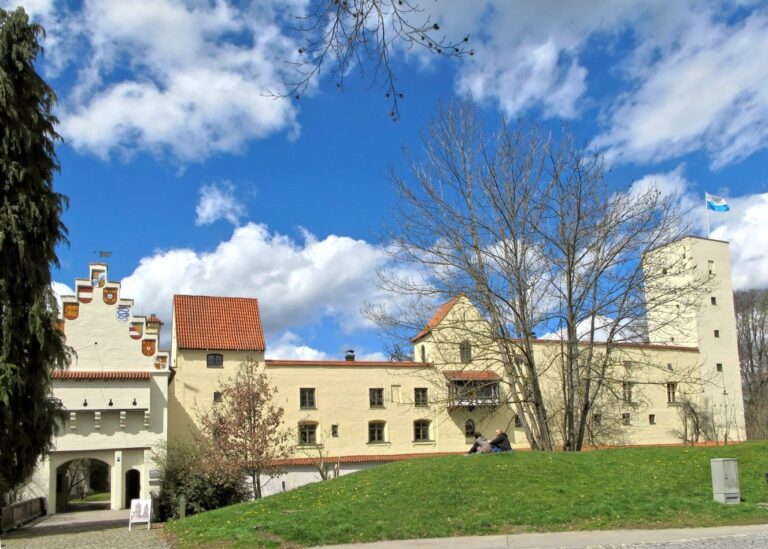
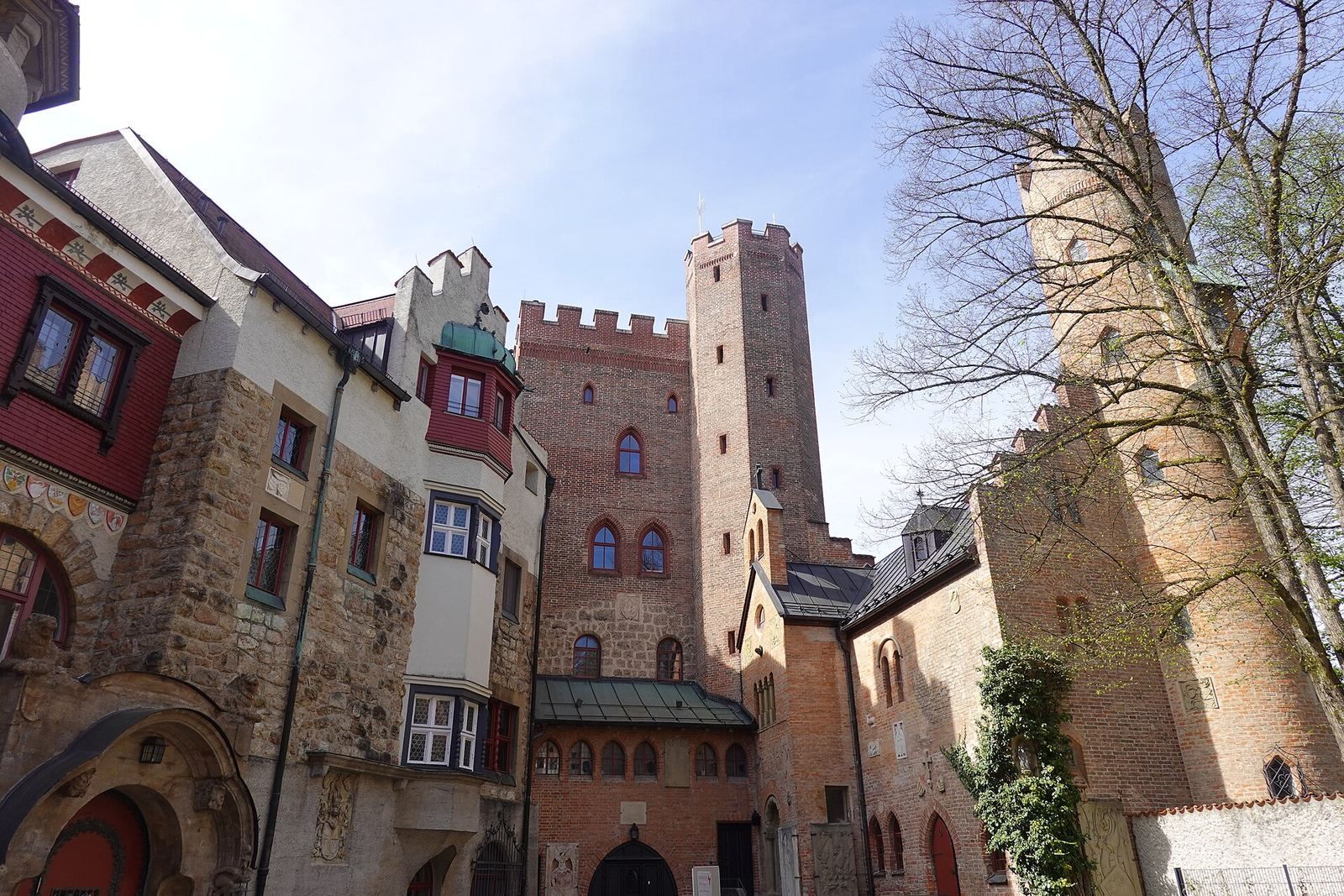
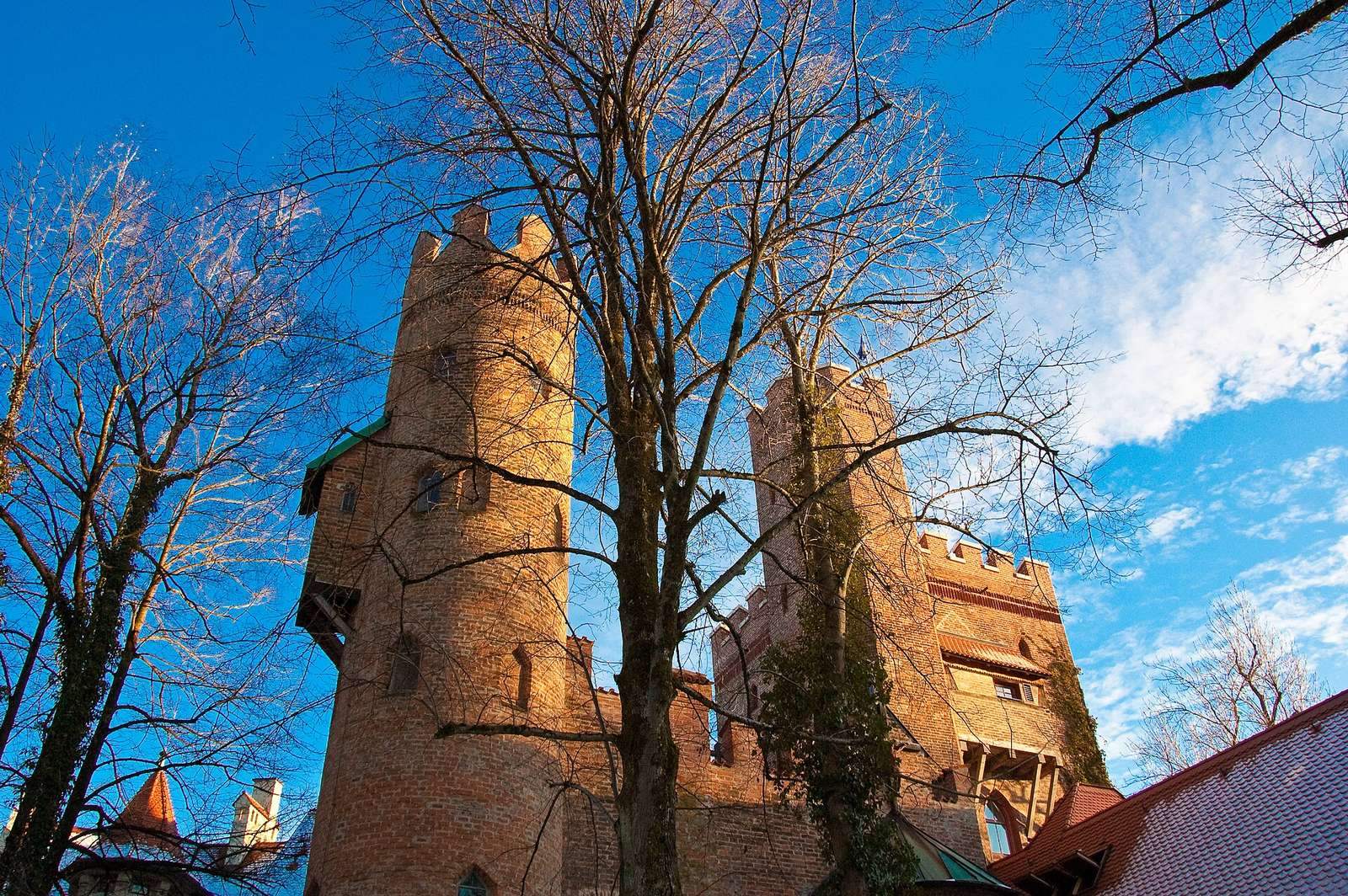
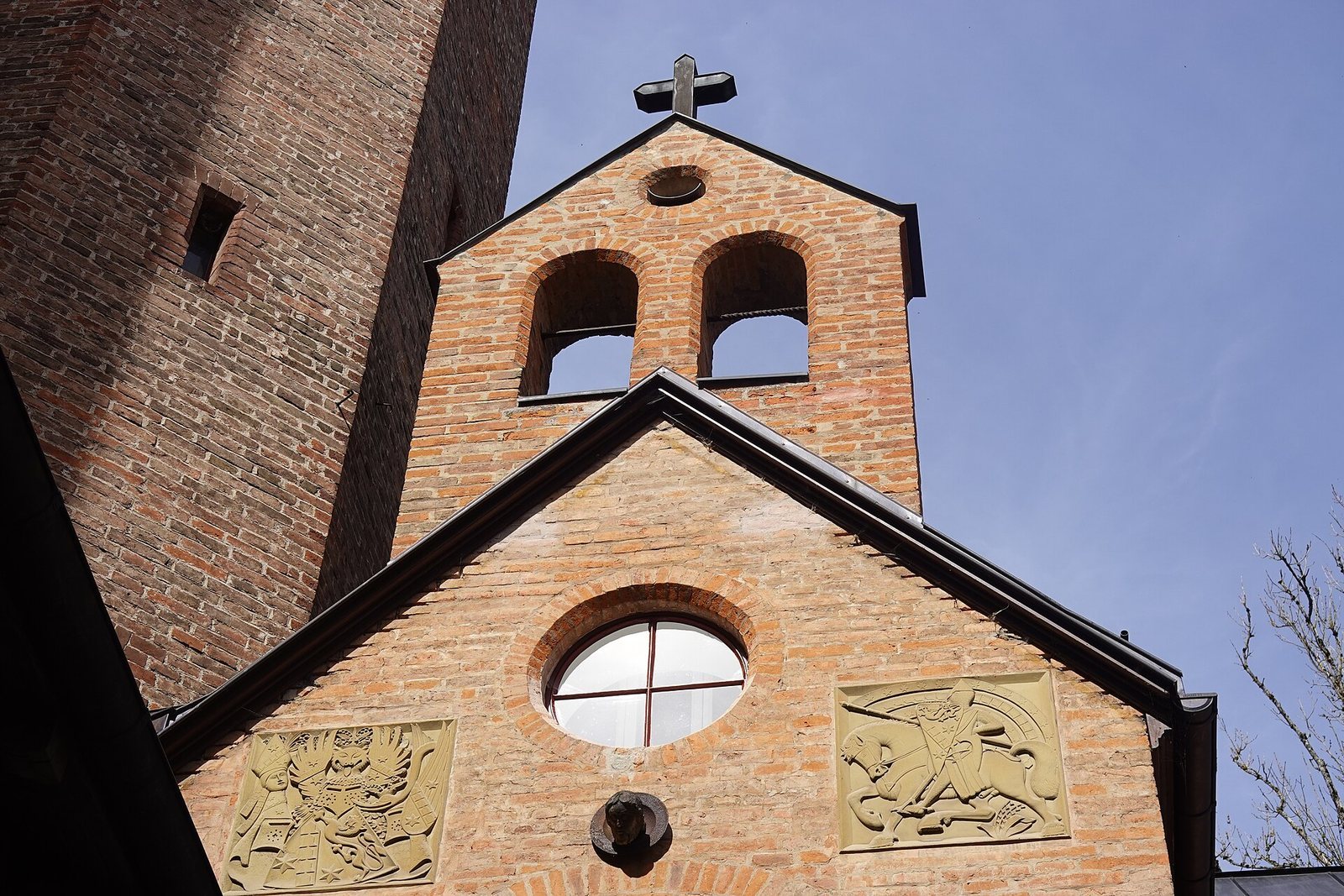
Burg Schwaneck stands on the high bank of the Isar on Burgweg, overlooking the Isar Valley and the Alps. Its listed elevation is 579 metres. The nineteenth-century building includes a tower. Although “Burg” means castle, here it is a house name: the building is not a medieval castle.
The original house was considerably more modest than the structure seen today. It was enlarged and remodeled in 1863, altered and expanded again around 1900, and extended in the 1970s. A major renovation from 2003 to 2006 left it able to accommodate about 130 guests for seminars, conferences, school trips and holiday trips.