Sanctuary of the Madonna del Pilastrello, Lendinara: A Renaissance Marian Church
Site at a Glance
- Popularity
- Medium
- Country
- Italy
- Primary era
- Early Modern
- Eras represented
- Early Modern, Modern
- Civilizations
- Italian, Venetian
- Site type
- Religious
- Remains
- Sanctuary
On this page14 sections
History
Origins and construction
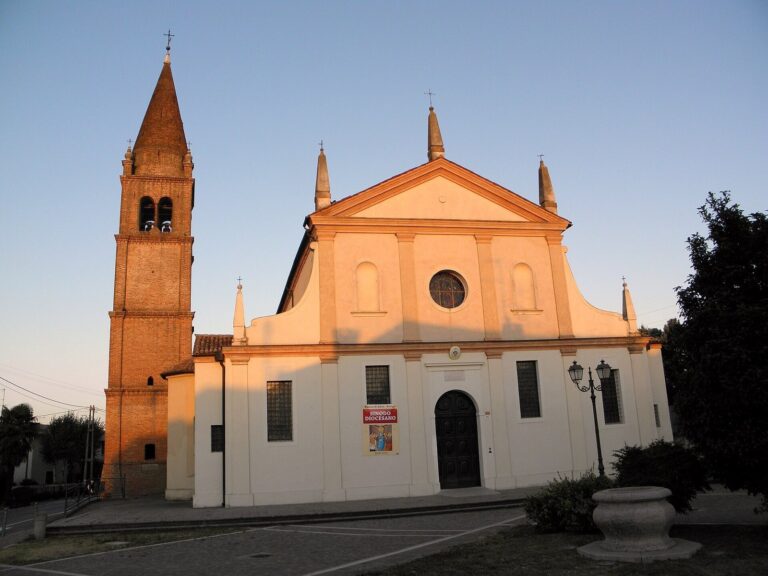
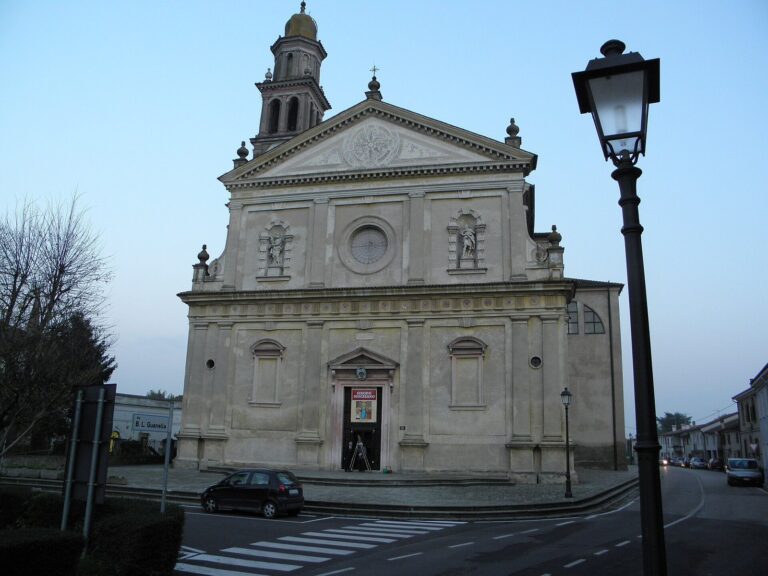
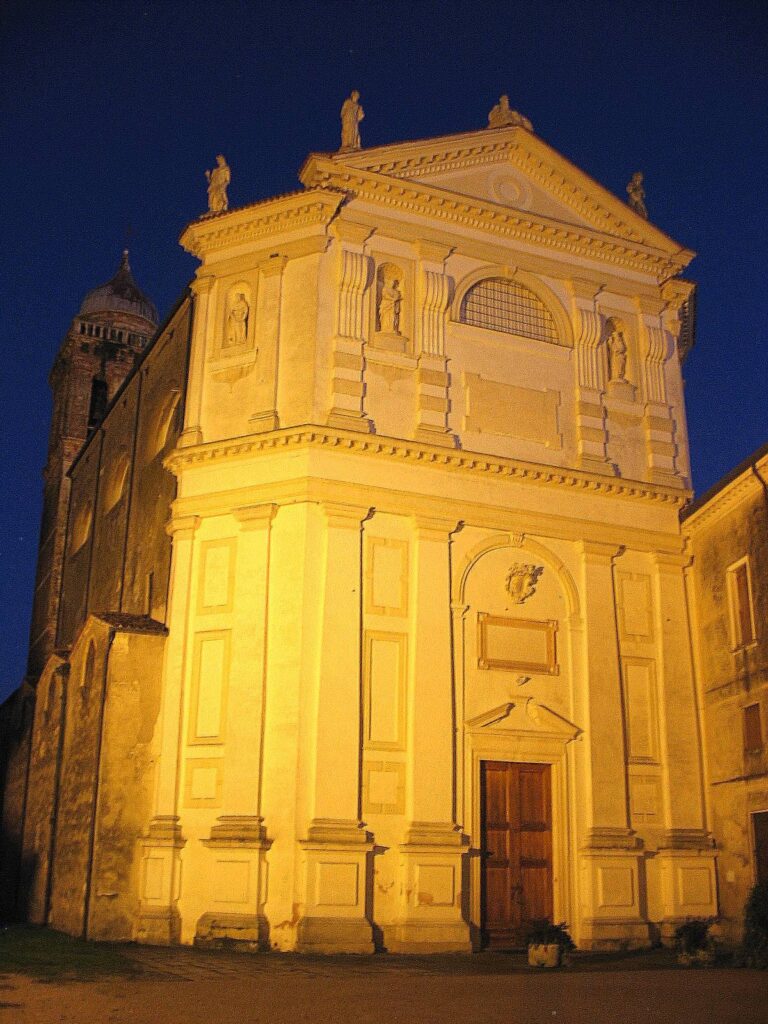
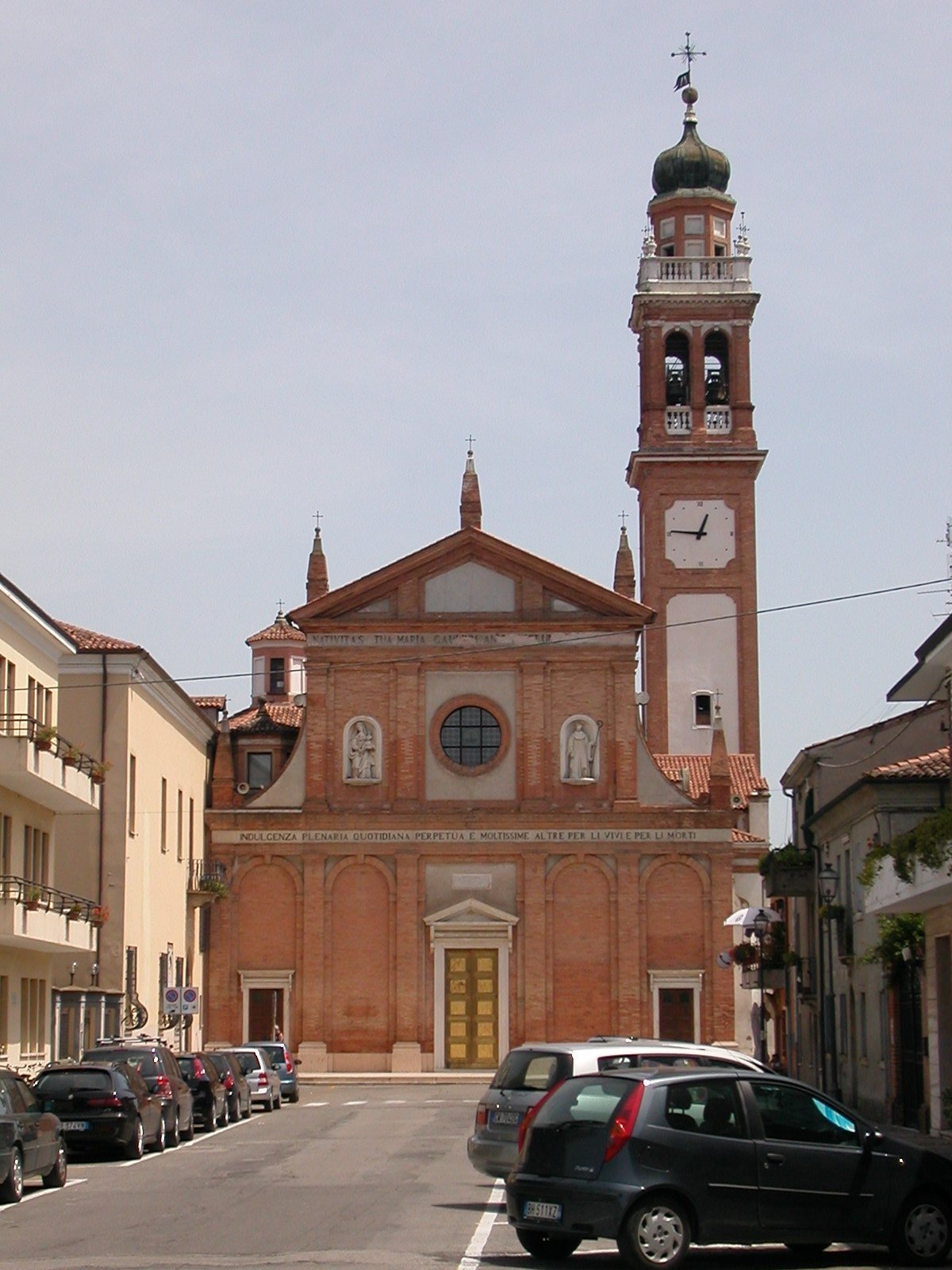
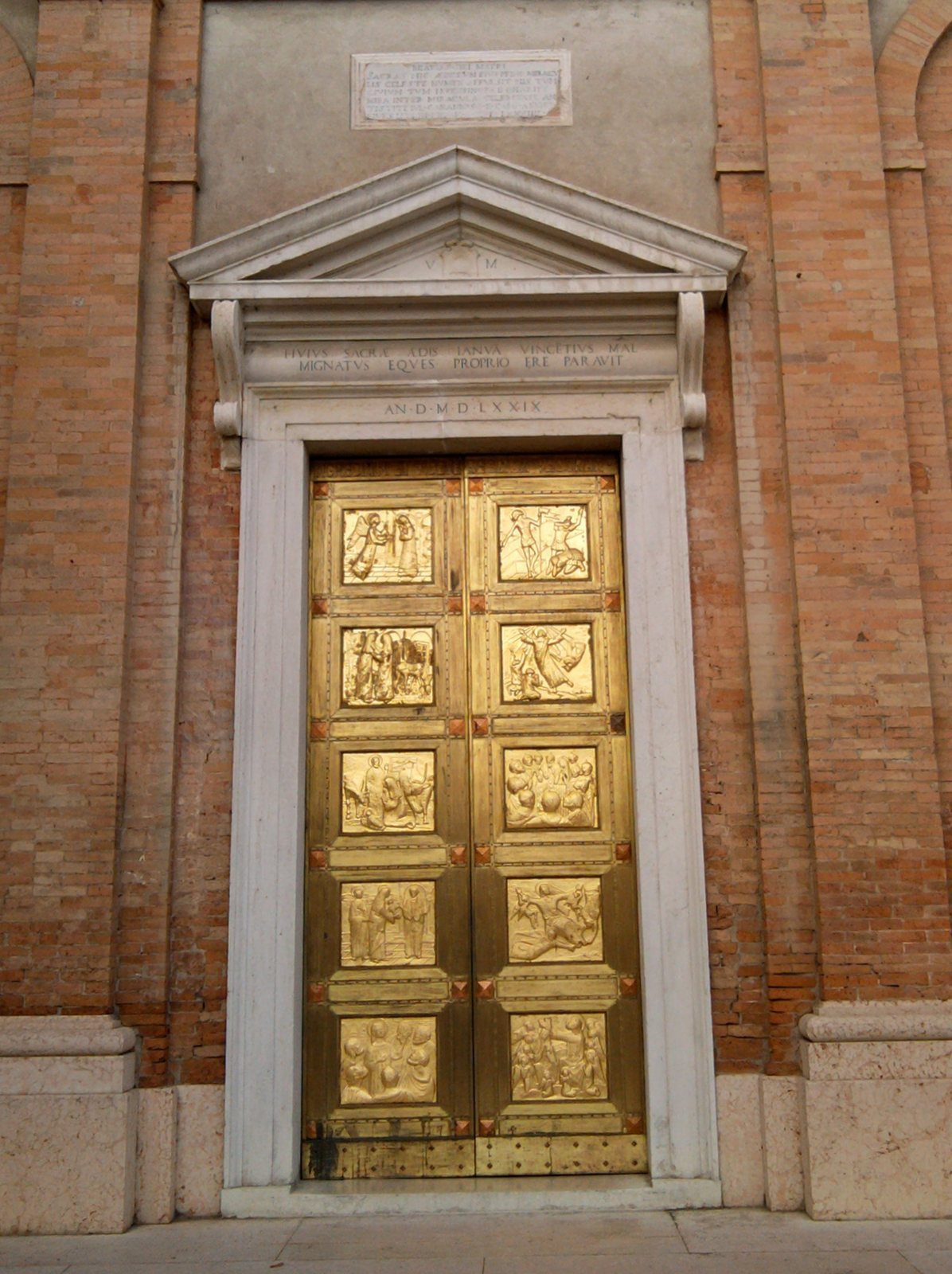
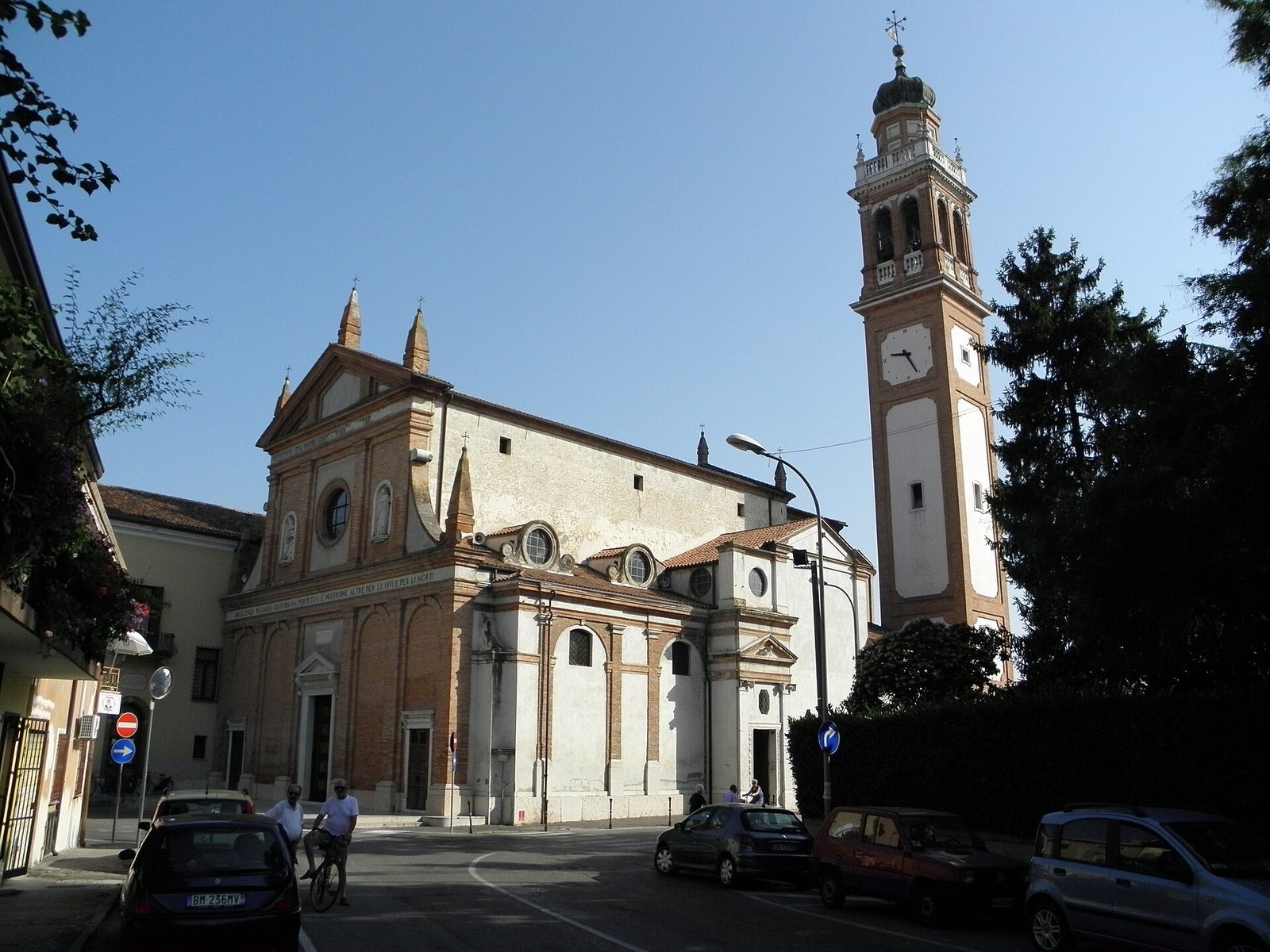
The Sanctuary of the Madonna del Pilastrello is a Roman Catholic church in Lendinara, Italy, built in Renaissance style between 1576 and 1579. Dedicated to the Nativity of Mary, it is associated with the local devotion to the Madonna del Pilastrello, a title for the Virgin Mary, and belongs to the Diocese of Adria-Rovigo.
Local tradition traces the sanctuary’s beginnings to a wooden Madonna and Child, said to have been carved from olive wood and set in a niche on Giovanni Borezzo’s house. During a violent storm on the night of 8–9 May 1509, the statue was torn from its niche and carried over a hedge. The next morning, Matteo Brandolese saw a glow around it. The statue remained at the spot for several days, drawing visitors and worshippers, and lawyer Lorenzo Malmignati funded a small chapel to house it.
In the 1570s, Ludovico Borezzo, a descendant of the house’s owner, arranged repairs to the deteriorating chapel. Tradition relates that water from a nearby spring turned blood-red when someone blasphemed while it was being used to mix lime, and that the change happened again after a procession through Lendinara. People also believed the spring water could heal. Following a diocesan inquiry, the new church was built from 1576 to 1579. The town council assumed its care and patronage in 1577. On 16 May 1579, the statue was transferred from the chapel, and spring water was diverted into the church. Lendinara formally dedicated itself to the Madonna del Pilastrello in 1595.
Monastic community and later changes
The church was placed in the care of Olivetan monks, a Benedictine congregation associated with the Abbey of Monte Oliveto. They remained until their order was suppressed in 1771 and returned in 1905. In 1911, Pope Pius X granted the church the honorary rank of minor basilica, a status distinct from that of a cathedral.
From the late eighteenth to the early nineteenth century, Lendinara architect Giacomo Baccari carried out major restoration and alteration work. The facade was changed again during the 1920s and 1930s. A pilgrim hall was added in 1935, and the former sacristy was converted into a chapel dedicated to Abbot Celestino Colombo, who died that year. The original Madonna statue was stolen in 1981.
Remains
Church and monastery
Church plan
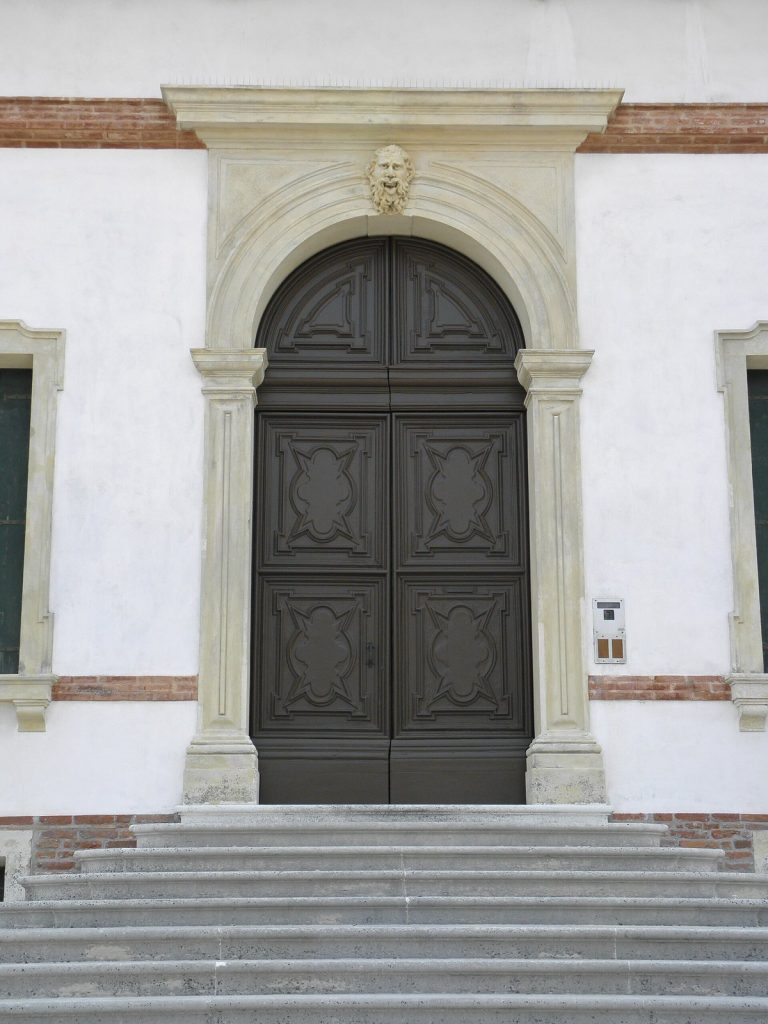
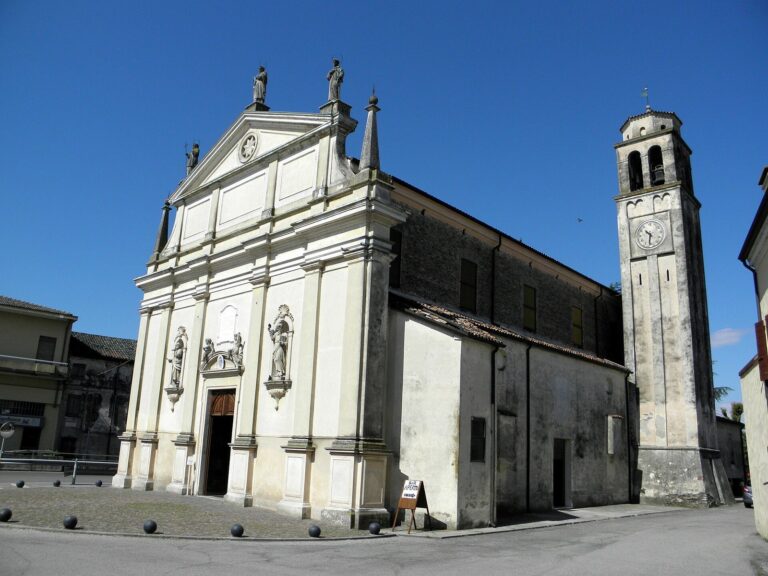
The present church has a Renaissance design. Its facade is arranged in two tiers and marked by pilasters, shallow projections resembling columns. Inside, a central nave, the main hall of the church, is flanked by two aisles. Round arches rest on pillars and divide the interior.
Monastic buildings
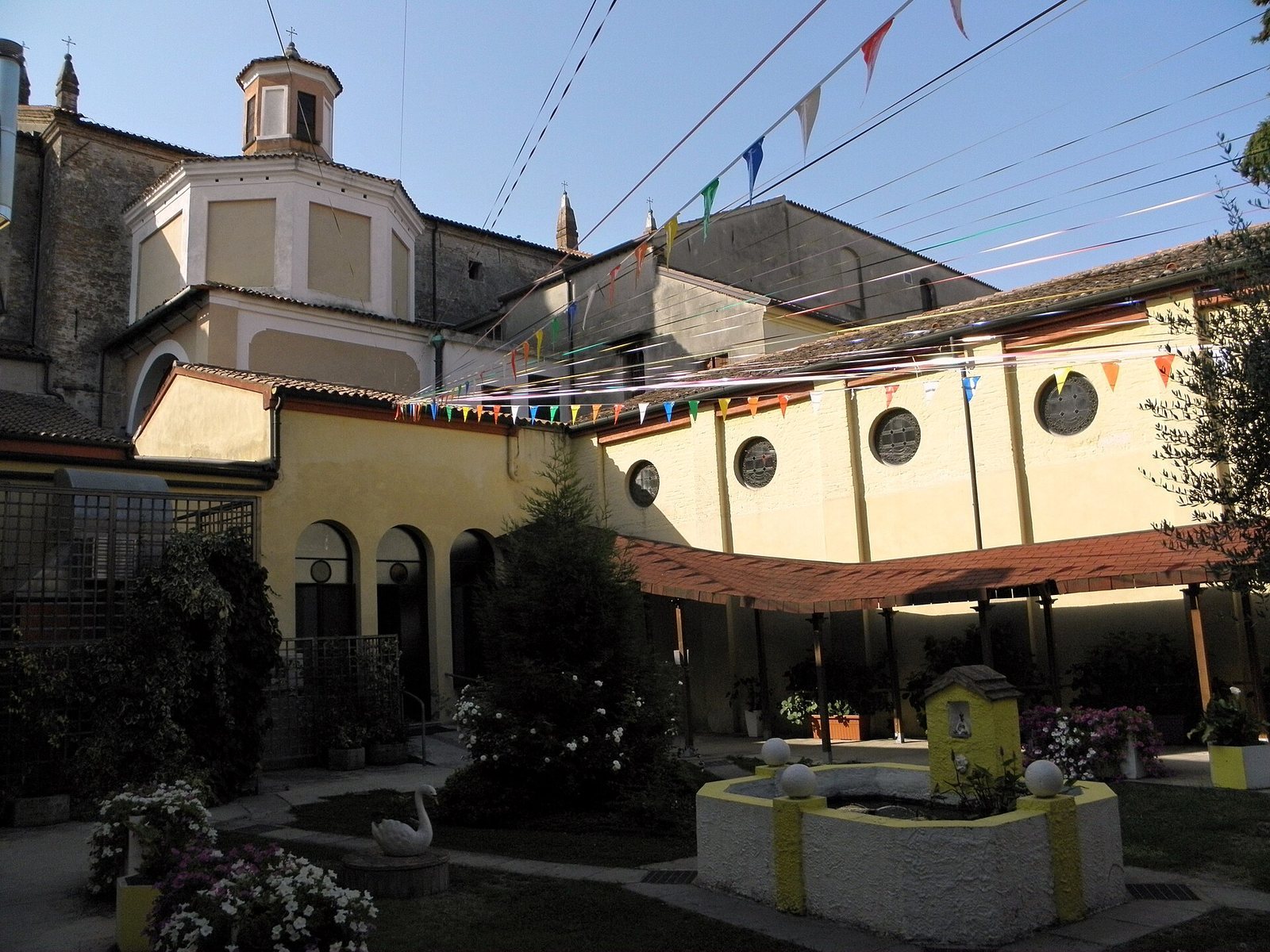
The original monastery was a plain, two-storey building linked to the church by a room above the choir. From this room, monks living in seclusion who were ill could follow services. A dining hall and kitchen occupied the ground floor, while the upper level contained the monks’ cells. A second building of similar form was joined to the first by a cloister.
Interior decoration and furnishings
Frescoes
The apse, the rounded end of the church, was rebuilt between 1938 and 1942. Two choir lofts at its sides were removed, and a staircase leading to the Madonna’s image was opened. Giuseppe Chiacigh painted the vaults and apse in the early 1940s. On the central nave ceiling, the Madonna’s sacred image receives power from the Virgin in glory. The wall opposite the main entrance shows Lendinara delivered from the 1822 flood. Scenes in the left aisle show the city protected from Adige floods; those in the right aisle depict protection from the plague of 1630 and from an animal plague in 1748.
The apse paintings include the Coronation of Mary with Saints Benedict and Frances of Rome and Blessed Bernardo Tolomei, the Nativity of the Virgin, and four prophets. Angels and heraldic symbols decorate the side aisles. The Chapel of Saint Anthony has monochrome paintings of the cardinal virtues.
Left-hand altars and staircase paintings
Paintings on the left-hand altars include Saint Francis Visited by an Angel, made around 1750 by G. Angeli, a pupil of Piazzetta; The Ascension of Christ in the Presence of the Apostles and the Patron, from around 1580 by Paolo Veronese and his workshop; and Montemezzano’s The Baptism of Christ. Two of the six eighteenth-century canvases Angelo Trevisani painted on the Pilastrello’s history are beside the left staircase. They depict Lucia Zante restored to life during her funeral on 11 February 1592 and Francesca Bimbato, who was found alive after drowning in the Canalbianco on 19 July 1613.
Main altar
A copy of the Madonna statue stands on the main altar. Marble angels dated 1743–45 are attributed either to Giovanni Maria Morlaiter or to the Bellunese sculptor Marchiori. The same sculptor is credited with the allegorical figures of Virginity and Humility beside the high altar.
Right-hand altars and chapels
The right-hand staircase descends to the Chapel of Abbot Celestino Colombo, which contains an early-sixteenth-century painting of Saint Peter from the school of Dosso Dossi. Paintings by Tommaso Sciacca on the second and third right-hand altars show Saint Anthony of Padua receiving the infant Jesus and Saint Anthony Abbot visiting Saint Paul the Hermit. The first right-hand altar holds a work from around 1580 by J. and D. Tintoretto, depicting Saints Bartholomew and Benedict and Blessed Bernardo Tolomei with the donors Bartolomeo and Battista Malmignati.
Trevisani’s paintings in the second chapel, made around 1730, show the young Maria Rigo hidden from ill-intentioned young patricians in 1591 and the spring water turning to blood in 1576. Between two statues by T. Bonazza is Sciacca’s 1814 painting of Saint Sebastian and Saint Lucy.
Sacristy paintings
The sacristy holds two large canvases by Trevisani. One depicts Lendinara’s protection during the plague that affected Italy and the Polesine in 1630; the other shows the Madonna del Pilastrello saving the city from an Adige flood on 24 June 1677 through the intercession of John the Baptist. Other works include a painting from the second half of the seventeenth century honoring Lendinara’s chief municipal official, Ludovico Pisani, attributed either to Andrea Celesti or Matteo Ghidoni; J. Ribera’s mid-seventeenth-century Saint Andrew; late-eighteenth-century paintings from the Roman school; and a copy after Guercino.
Spring and bathing area
The entrance to the bathing area opens from the left aisle. Originally designed by Baccari, the installation was later enlarged and altered. A spring stands to the left beneath a bronze Madonna dated 1910 and attributed to Policronio Carletti. Twelve nineteenth-century paintings by Giovanni Baccari, showing miracles associated with the Virgin of the Pilastrello, line the walls. Water from the spring flows into an early-twentieth-century marble basin carved from a single block.