Saint Lazarus Church in Wrocław: A Gothic Hospital Church
Site at a Glance
- Rating
- 4.3
- Popularity
- Very Low
- Country
- Poland
- Primary era
- Medieval
- External website
- Open
- Eras represented
- Medieval
- Civilizations
- Holy Roman Empire
- Site type
- Religious
- Remains
- Church
On this page7 sections
History
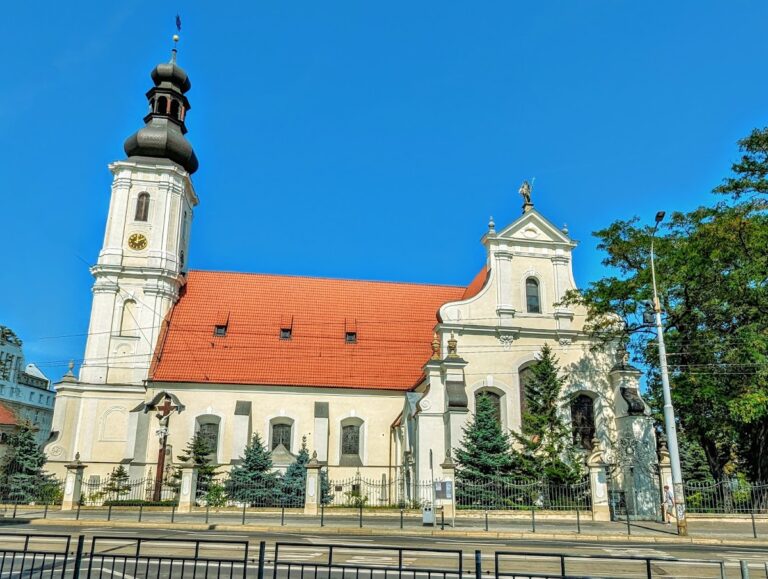
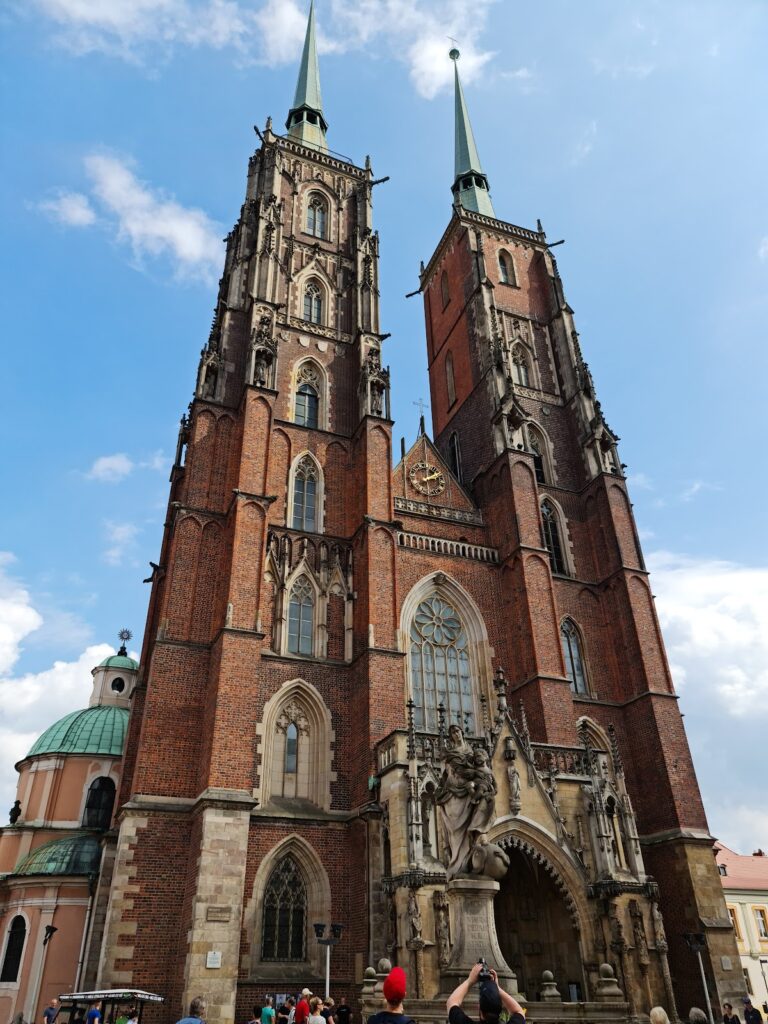
Saint Lazarus Church in Wrocław, Poland, is a Catholic Gothic church built by the Order of the Knights and Hospitallers of Saint Lazarus of Jerusalem during the second half of the fourteenth century. The order was a medieval religious and hospital institution associated especially with the care of people suffering from leprosy. The church replaced or continued the religious function of a hospital church mentioned as early as 1260.
Medieval Hospital Foundation
The church and hospital stood outside Wrocław’s Oława Gate, on the medieval road toward Oława and near a settlement of Walloon weavers. Records concerning the hospital’s tithe in 1264, taxation and land purchases in 1267, and the institution in 1326 show its established place in the life of the medieval city. A men’s leprosarium, an institution for isolating and caring for people with leprosy, stood nearby. From the beginning of the fifteenth century, the hospital also treated people with other illnesses, although people with leprosy were still recorded there in 1540.
Military Roles and Damage
On 27 October 1474, during the conflict between the allied Polish-Bohemian forces of Władysław Jagiellończyk and his father, Casimir IV Jagiellon, and the Hungarian forces of King Matthias Corvinus, the church became a fortified command post for Matthias’s advance from the nearby village of Święta Katarzyna. Matthias Corvinus was king of Hungary, while Casimir IV ruled Poland and Władysław was king of Bohemia.
In 1757, during the conflict in which Prussian artillery besieged the city, guns positioned near the church fired on its Habsburg defenders on 9 December. The fighting damaged the church’s western gable. At the beginning of the nineteenth century, the hospital was converted into an old people’s home. A proposal made before the First World War to demolish the hospital and church for the widening of the south-western arterial road was abandoned.
Twentieth-Century Restoration and Religious Status
The surroundings were redeveloped in 1907, and the church was later renovated. During the siege of Festung Breslau, the German military defense of Wrocław during the final months of the Second World War, shelling and bombardment damaged the church. Paul Peikert, parish priest of nearby Saint Maurice Church, recorded damage on 8 February and 10 March 1945. Postwar assessments placed the damage at approximately 20 percent, including harm to the roof structure and window surrounds.
Repairs carried out from 1946 to 1949 led to the church’s transfer to the parish of Saint Maurice as an auxiliary church. An auxiliary church is administered with a larger parish rather than serving as its principal church. During the 1997 flood, the building remained underwater for five days before it was dried and restored in the late 1990s. In 2001, Cardinal Henryk Gulbinowicz proclaimed it the Sanctuary of Our Lady, Healing of the Sick. The church remains a Roman Catholic filial church of the parish of Saint Maurice and is protected as a registered historic monument under entries dated 29 November 1947 and 6 February 1962.
Remains
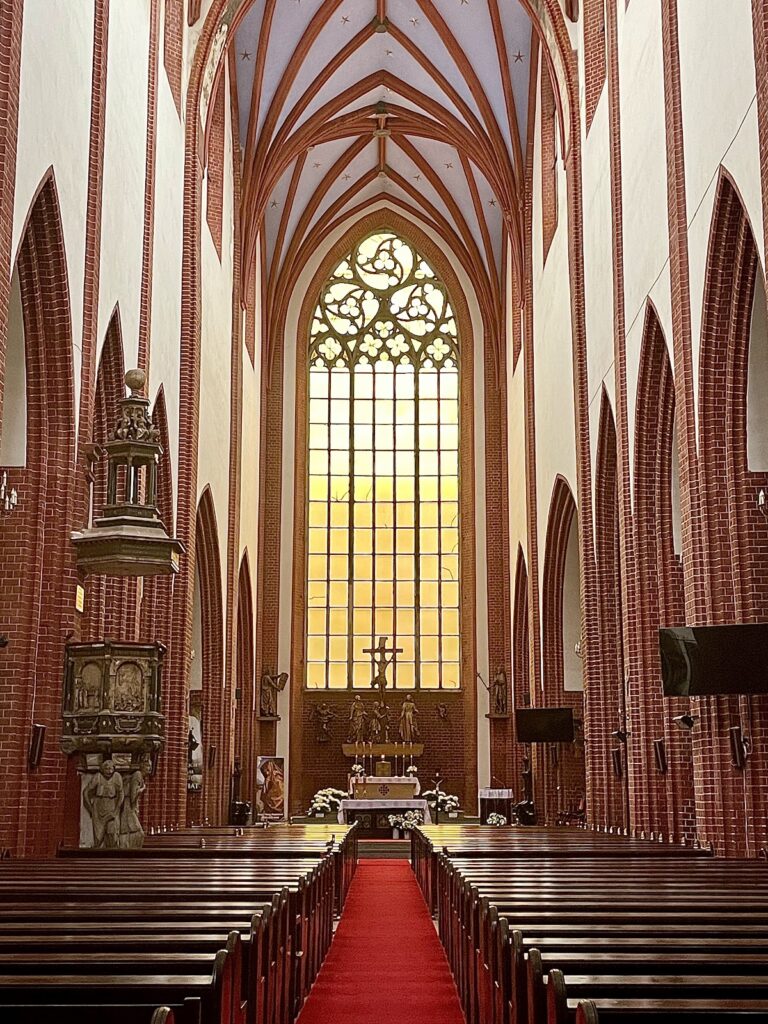
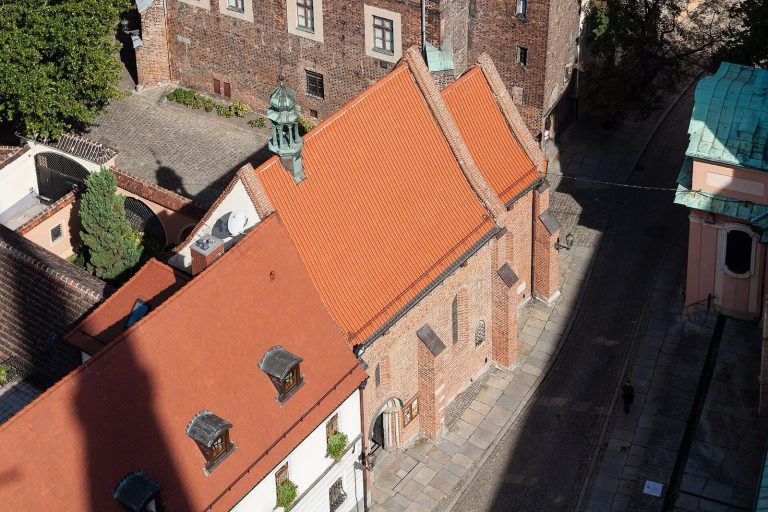
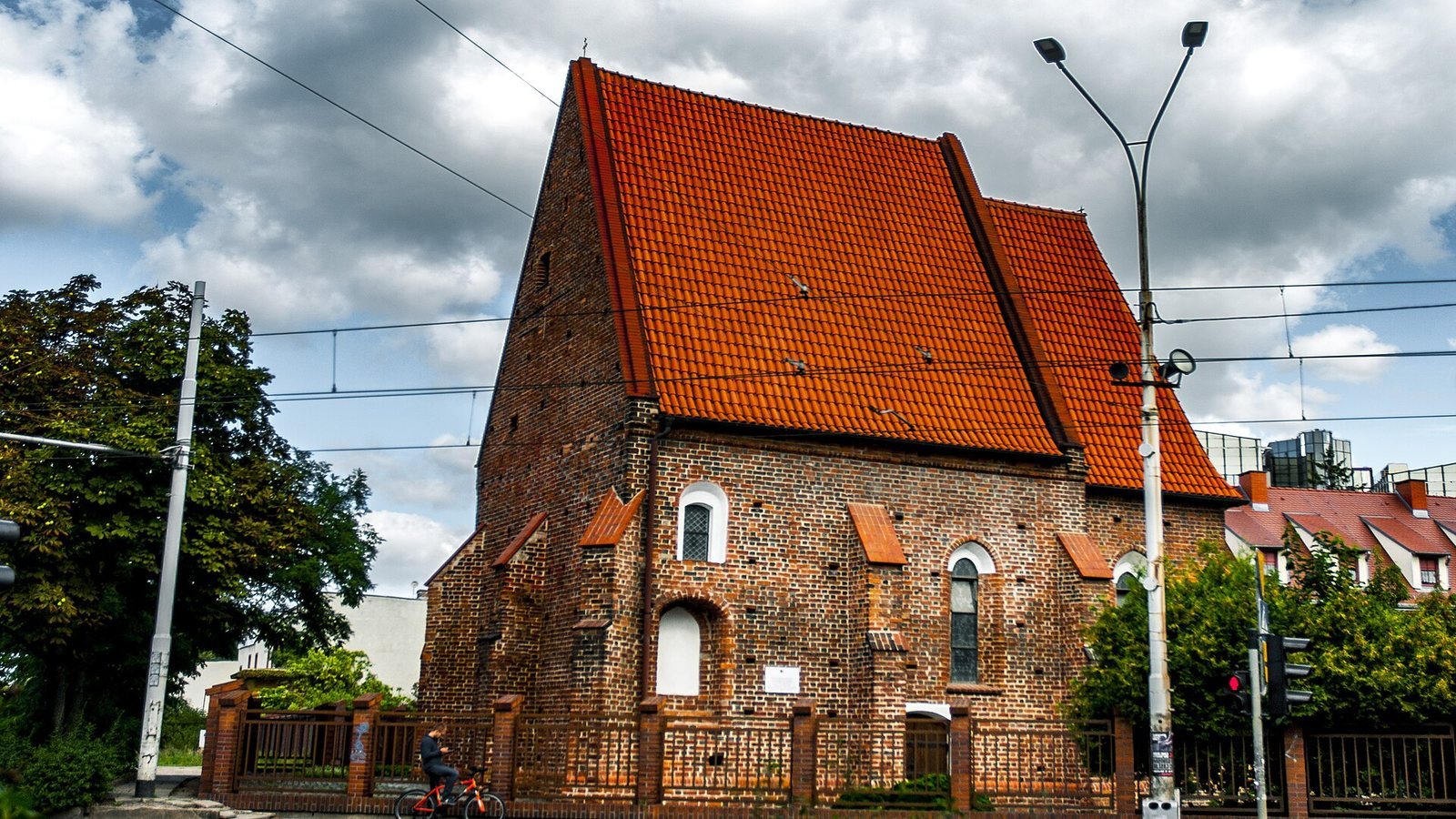
Saint Lazarus Church is a small, brick-built Gothic structure with a single nave. Its interior measures 12.7 metres in length and 7.9 metres in width. The church stands near the former Saint Lazarus hospital buildings, associated with Traugutta Street 54–58, while the church is also listed at number 52. Opposite it are the church, monastery, and modern hospital of the Brothers Hospitallers, a Catholic order devoted particularly to hospital care and service to the sick.
Gothic Structure
The surviving fabric presents the church as a compact medieval brick building. A fourteenth-century Gothic sandstone support for the vault remains inside, preserving part of the original structural arrangement. The fifteenth-century Gothic sandstone portal also survives, providing a material feature from the church’s later medieval phase.
Interior Works
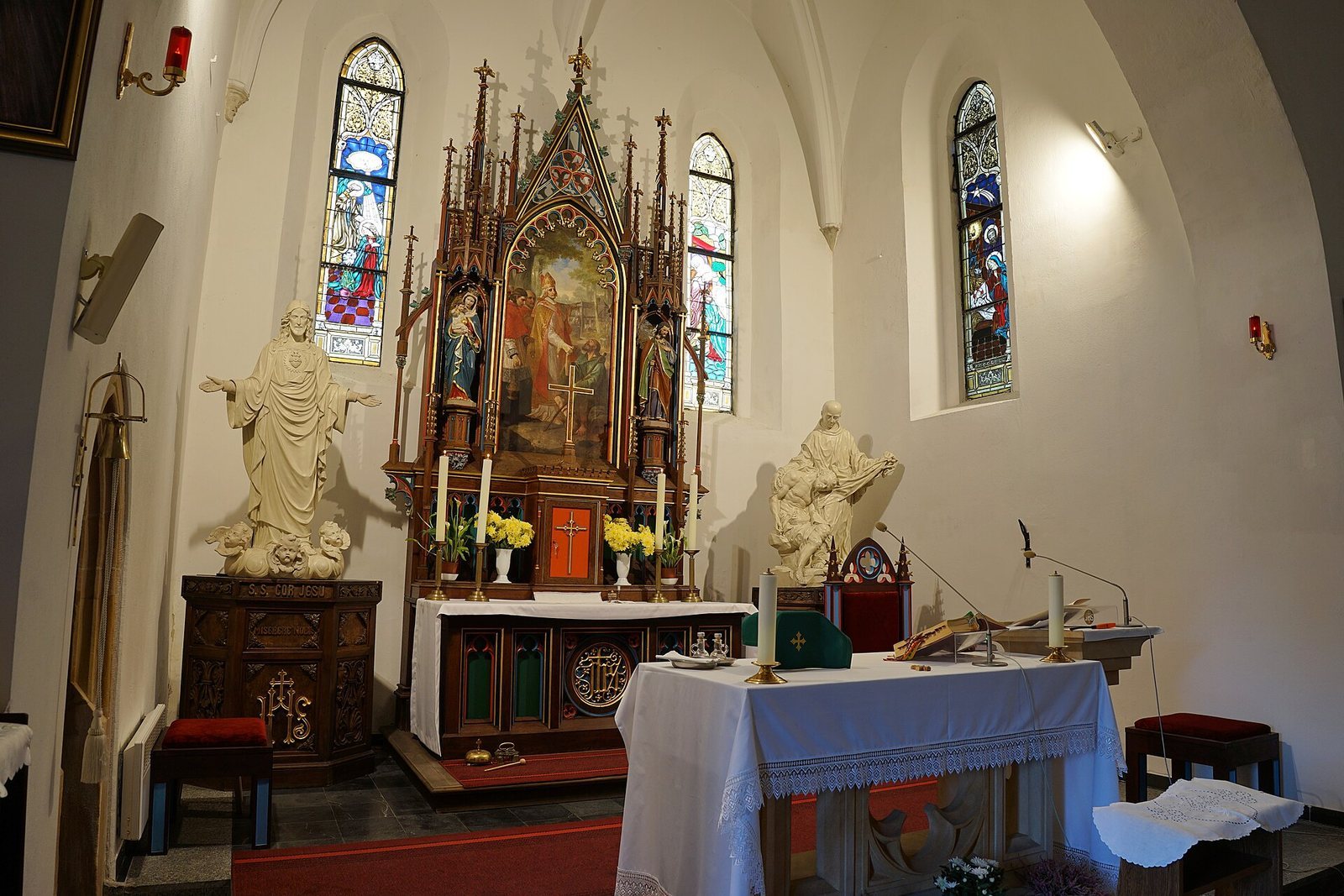
Inside the church are two painted altar wings dating from the second half of the fifteenth century. A Baroque sandstone sculpture of the Virgin Mary, carved in 1727, adds a later devotional work to the medieval interior. These surviving elements bring together the church’s Gothic construction, late-medieval furnishings, and eighteenth-century religious decoration.