Ripapa Island: Māori Pā and Coastal-Defence Fort
Site at a Glance
- Rating
- 5
- Popularity
- Very Low
- Country
- New Zealand
- Primary era
- Modern
- Eras represented
- Modern
- Civilizations
- Unclassified
- Site type
- Military
- Remains
- Fort
On this page11 sections
History
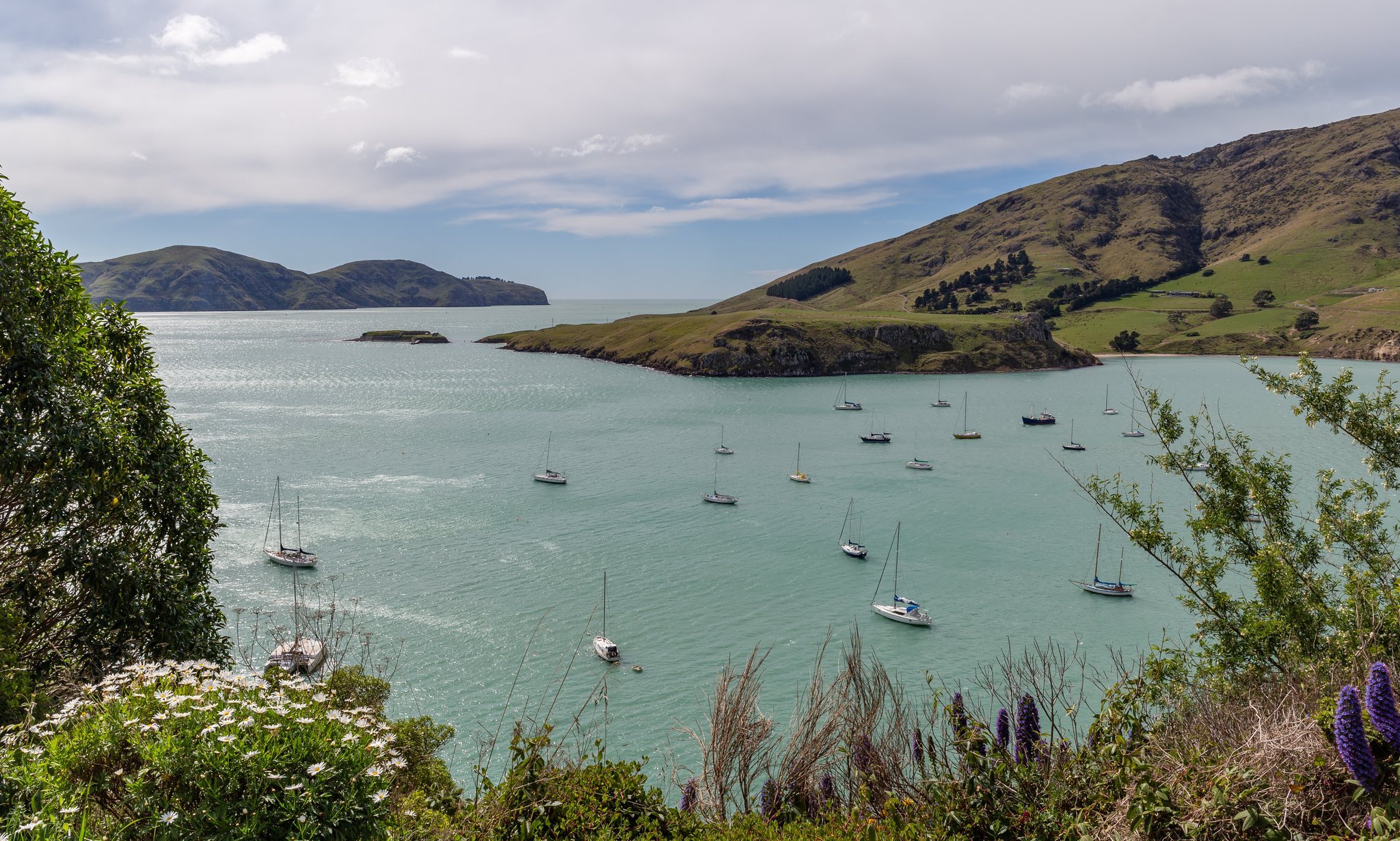
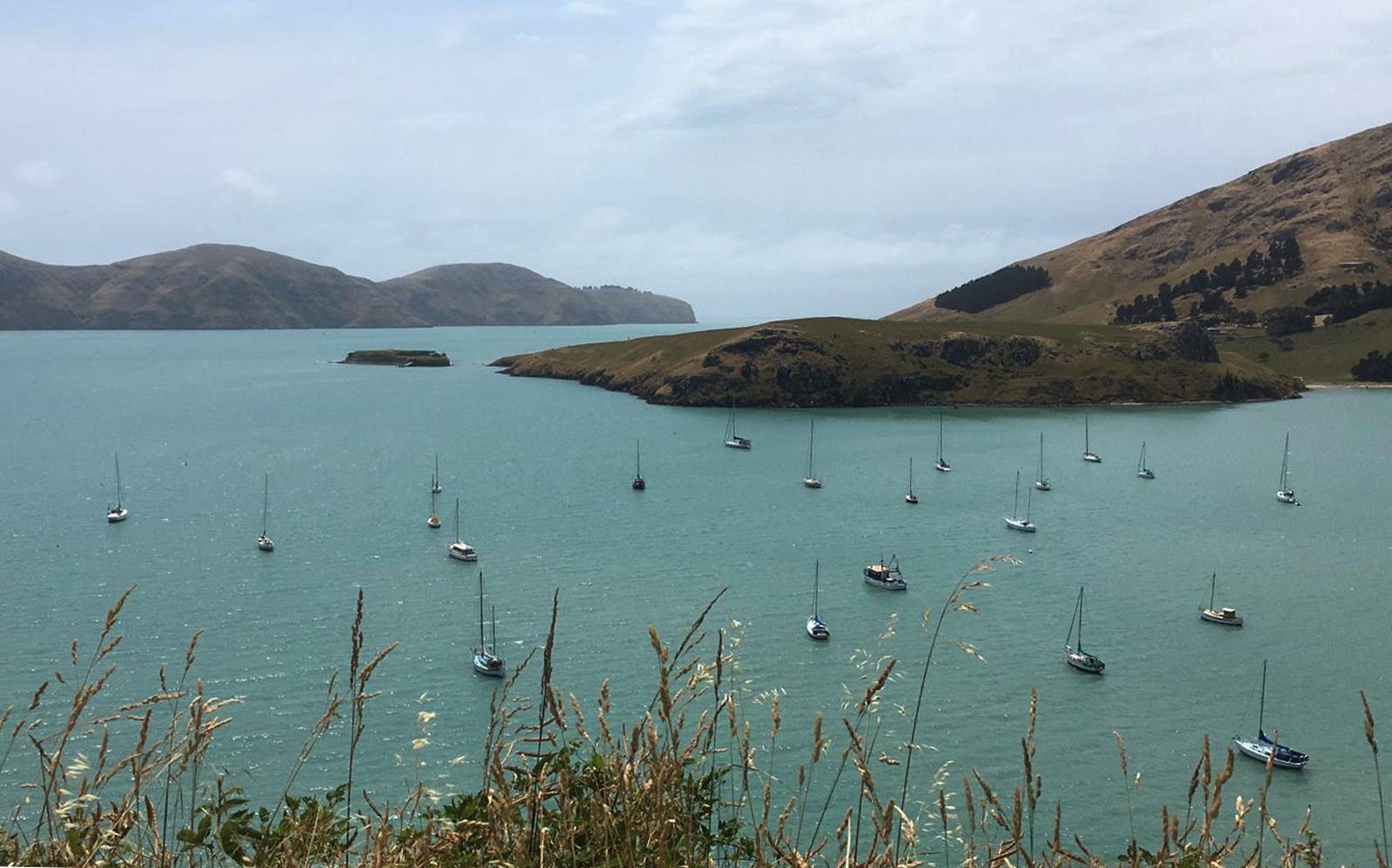
Ripapa Island is a historic island in New Zealand’s Lyttelton Harbour, near Christchurch, whose history includes a Māori fortified settlement, a quarantine station, a prison, and a coastal-defence fort. In the early nineteenth century, Ngāi Tahu chief Taununu established a pā, or fortified Māori settlement, on the island because of its advantageous position. The island later became part of New Zealand’s nineteenth-century defensive system and remains associated with several important phases of the country’s military and colonial history.
Ngāi Tahu Occupation
Ripapa, also known earlier as Ripa Island, was occupied by Ngāi Tahu, a major Māori tribal group of New Zealand’s South Island, until about 1832. During the 1820s, it was involved in the Kai Huanga feud, an internal Ngāi Tahu conflict. The name refers to the close kinship of the opposing groups and to the feud’s cannibalistic consequences.
Before the occupation ended, Ngāi Tahu chief Te Whakarukeruke left Ripapa to help defend Kaiapoi against Te Rauparaha, a prominent Ngāti Toa leader whose campaigns affected Māori settlements across the lower North Island and northern South Island. After Kaiapoi fell, Te Rauparaha overran several pā on and around Banks Peninsula, including the fortification at Ripapa. Māori did not resettle the island afterward.
Quarantine and Prison Use
Between 1873 and 1885, Ripapa served as a quarantine station for ships arriving from Britain at nearby Lyttelton. In 1880, the quarantine buildings were also used as a prison for members of Parihaka, a Māori settlement in Taranaki associated with organized nonviolent resistance to government land acquisition and surveying. In 1885, the buildings were dismantled and transferred to Quail Island in Lyttelton Harbour.
Fort Jervois and Military Occupation
A walled coastal fort was built on Ripapa in 1886 as part of New Zealand’s nationwide response to the late nineteenth-century fear that Russia might attack or invade. It was initially called Fort Ripa and formed one of four defensive works protecting Lyttelton Harbour. In 1888, it was renamed Fort Jervois after Lieutenant General Sir William Jervois, a British military officer and colonial defence administrator.
Four disappearing guns had been installed by 1889. These were heavy coastal guns mounted so that recoil carried them behind protective cover after firing. The New Zealand Army occupied the fort until the end of the First World War, when it also housed prisoners of war, including the German naval officer Felix von Luckner. The fort was garrisoned again during the Second World War.
Conservation and Heritage
The Department of Conservation, the government agency responsible for New Zealand’s public conservation lands and heritage sites, has controlled the island since 1990. Fort Jervois was registered in 1991 as a Category 1 historic place by Heritage New Zealand, the national organization responsible for identifying and protecting significant historic places. It is regarded as the most complete surviving Russian-scare fort in New Zealand.
The June 2011 Christchurch earthquake damaged Fort Jervois, and remedial repairs were subsequently undertaken. The damage and repairs form part of the fort’s continuing conservation history.
Remains
Island Setting and Māori Fortification
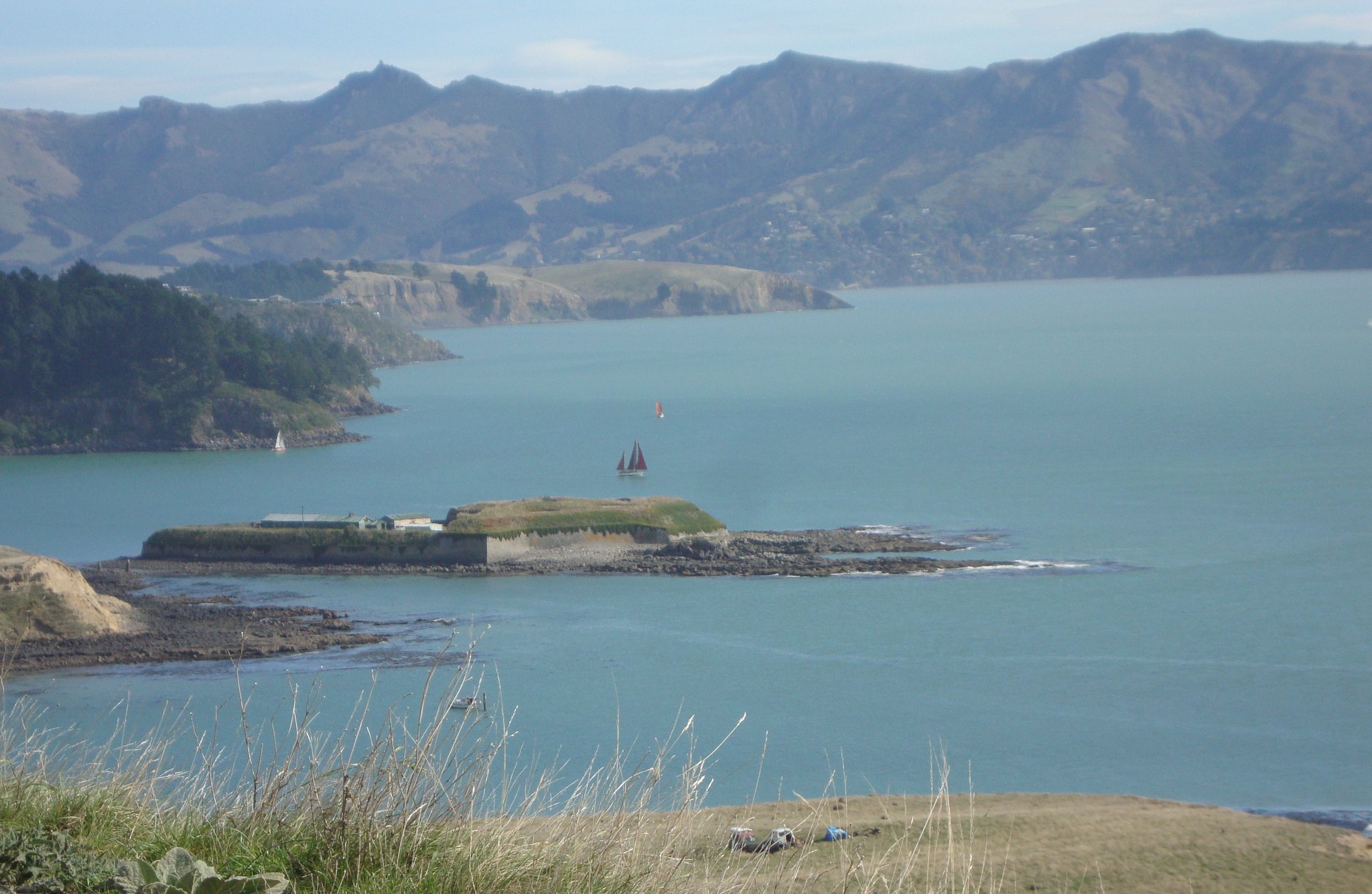
Ripapa Island is approximately 170 metres long and 100 metres wide, with a highest elevation of 14.3 metres. It lies just offshore in Lyttelton Harbour. The early nineteenth-century Māori settlement occupied this strategically positioned island as a fortified pā established by Taununu of Ngāi Tahu. Its defensive history continued when the fortification was overrun during Te Rauparaha’s campaigns on Banks Peninsula.
Fort Jervois
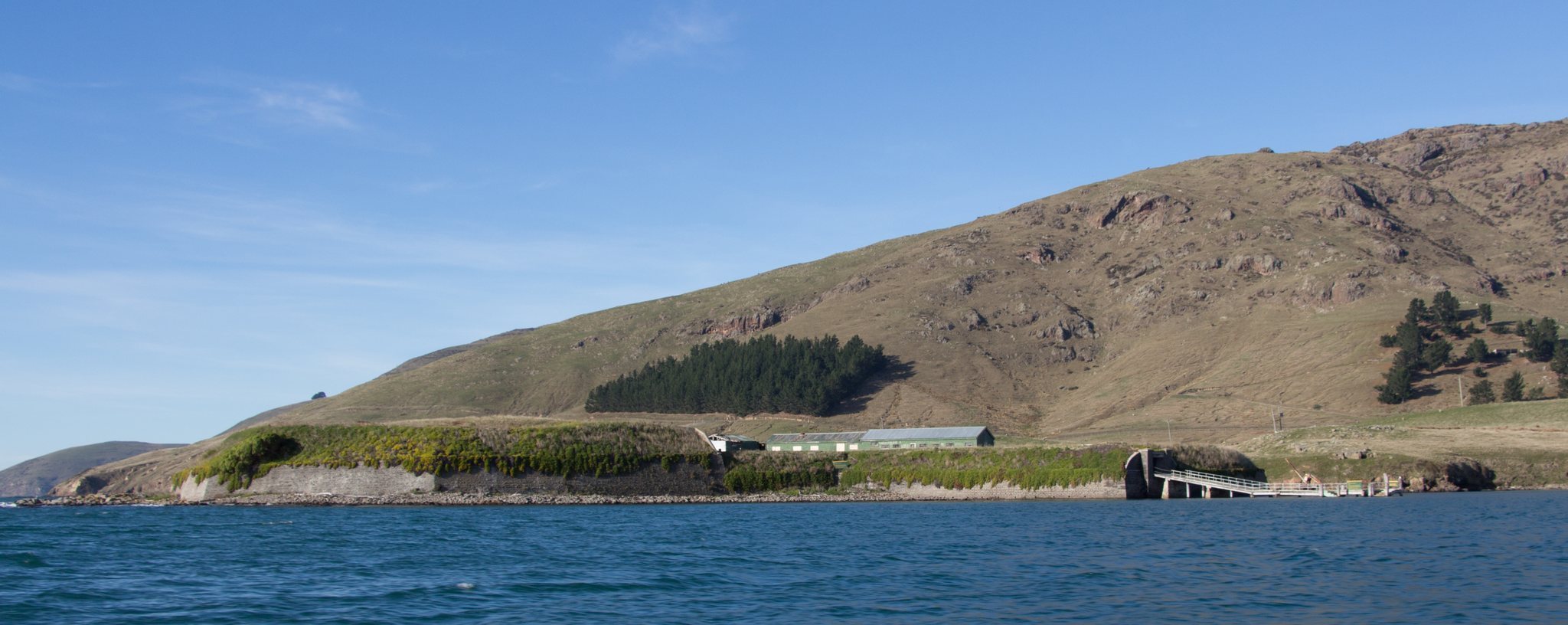
Fort Jervois is a stone-walled coastal fortification built in 1886. It was one of four defensive works around Lyttelton Harbour and was equipped with disappearing guns, whose mounting allowed each weapon to move behind protective cover after firing. The former quarantine buildings are no longer part of the fort complex, having been removed from Ripapa in 1885 and relocated to Quail Island.
Eight-Inch Gun
The fort retains a British breech-loading 8-inch gun, known as a BL 8-inch gun. It is one of only twelve such guns remaining worldwide and is still mechanically operational.
Six-Inch Gun
A BL 6-inch gun also survives at the fort. During its first test firing, its recoil system failed, cracking the barrel and damaging most of the remaining gun. The weapon was sent to England for repair, but a further test firing in 1939 cracked its mounting.
Additional Gun Emplacements
The fort contains emplacements for two additional guns. Both guns remain on the island in partially destroyed condition, preserving further evidence of the defensive system created around Lyttelton Harbour during the Russian scare.