Refshaleborg: A Medieval Castle on Borgø Island, Denmark
Site at a Glance
- Popularity
- Low
- Country
- Denmark
- Primary era
- Medieval
- Eras represented
- Medieval
- Civilizations
- Danish
- Site type
- Military
- Remains
- Castle
On this page13 sections
History
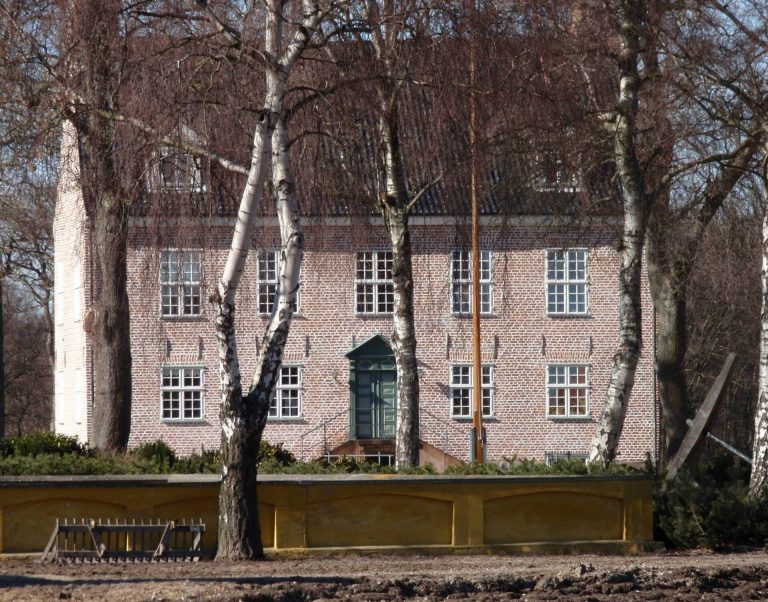
Refshaleborg was a medieval Danish castle on Borgø island in Maribo Søndersø, on Lolland, Denmark. Also known as Revshaleborg, it was probably established around 1100 and had a final construction phase in the 1250s. The castle belonged to a connected community: the village supplied agricultural resources, while its people relied on the castle for protection.
The castle and its community
Valdemar’s Land Register, a medieval record of royal property, lists Refshaleborg as a crown possession between 1220 and 1240. The castle, a church, cemetery, village, and brick kiln formed a related settlement. The village and its farmland supported the castle, and the security it offered helped protect the settlement.
Capture and destruction in 1256
The Lunde Annals, a year-by-year historical record, report that Refshaleborg was captured and destroyed in 1256. An account of youths carrying clubs in the Ryd Annals has sometimes been linked to the attack. That passage concerns a peasant revolt in Jutland, however, which was unrelated to the assault on the castle. An attack by soldiers is considered more likely. Crossbow bolts found near the village and the bridge to Borgø have also been taken as evidence that the attackers approached by that route.
The castle may have been part of a wider royal effort to strengthen defenses on Borgø and in southern Denmark. King Christopher I, who ruled from 1252 to 1259, faced opposition from clergy and nobles, including the Hvide family, a Danish noble lineage involved in a struggle over the throne. Refshaleborg’s destruction weakened royal power on the island.
Archaeological investigations
Investigations began in 1969, with further work at the cemetery and castle area from 1970 to 1972. Project Refshale was established in 1989 to examine how the castle related to nearby features of the same period. Its team included researchers from the National Museum and the universities of Odense and Aarhus, alongside archaeologists from the Lolland-Falster Diocesan Museum. The project reflected growing interest in settlement patterns and the cultural landscapes around archaeological sites.
From 1990 to 1993, the project examined parts of the cemetery, village, bridge, and brick kiln. The kiln was investigated in 1991, and wooden piles in the lake were studied in 1992. Work at the castle resumed from 2004 to 2007, focusing on locating and tracing its enclosing wall.
Remains
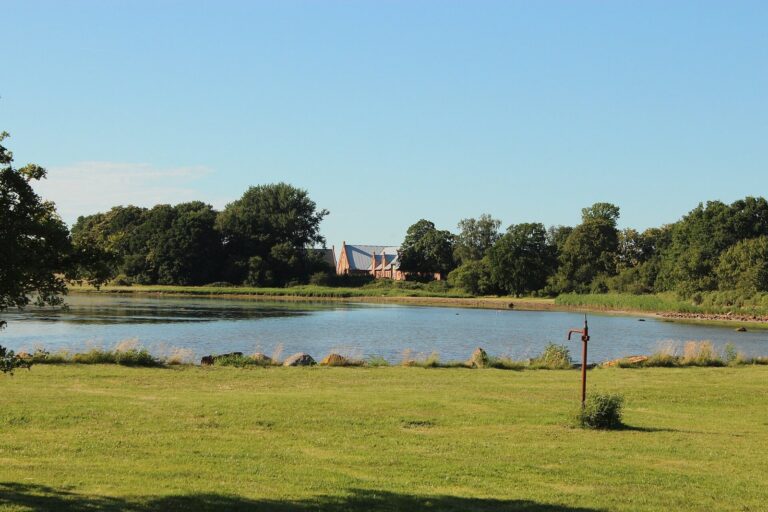
Refshaleborg occupied the westernmost tip of Borgø. The lake protected the site on three sides, while four ramparts and ditches defended the landward side. The castle mound measures 90 metres across. A circular rampart surrounded it, and the ring wall followed an octagonal plan.
Castle defenses
Ring wall
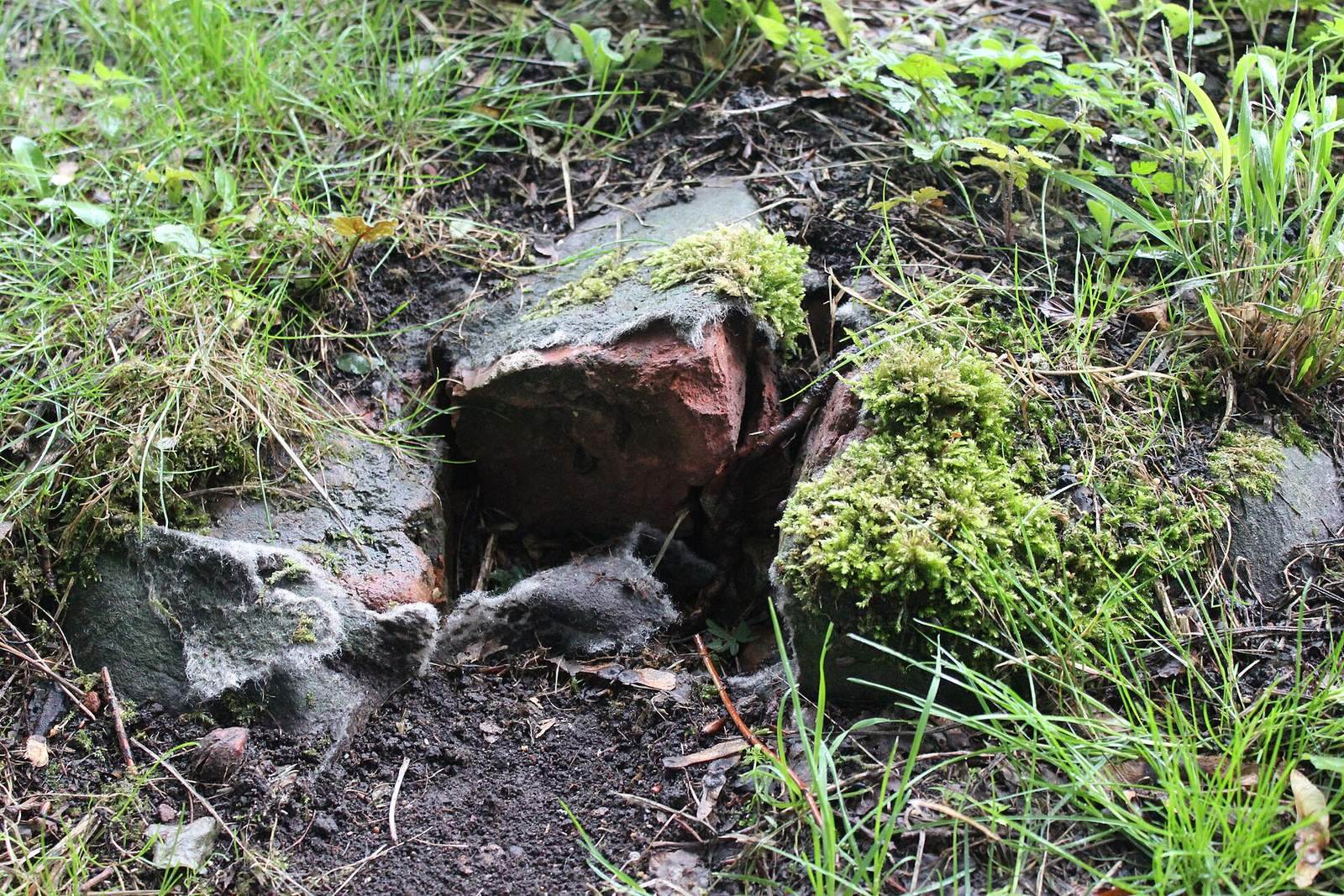
The ring wall was still under construction in 1256, and work had not begun in some places. Excavation exposed about 18 metres of the wall. Its stones lie just beneath the soil, leaving the remains particularly vulnerable to weather. After the castle’s destruction, its stone was taken for reuse in the surrounding area.
Earthworks and building materials
The castle site now consists of earth ramparts and fragments of medieval brick. Building materials from the castle were reused in houses and other local structures, and small brick fragments can still be found on the island. Bricks from the area are described as having been fired around 1200.
Settlement and approach
Church, cemetery, and village
A stone foundation on the landward side was interpreted as the remains of a church. A cross-shaped foundation was first understood as the base of a post mill, a windmill whose body turns around a central post. It is now considered more likely to have supported a frame for church bells. The cemetery was used broadly between 1100 and 1300. Excavations examined about 30 graves in one investigation and 68 in another; burials included roughly equal numbers of men and women, and a small number of skeletons showed signs of injury. The medieval village lies beneath the present-day village of Refshale, where traces of craft work include a pit associated with bell casting.
Brick kiln
The kiln stood on the landward side of the castle. Some initially thought it was the castle’s farmstead. It contained a batch of incompletely fired medieval bricks dated to the 1190s and considered contemporary with the castle.
Bridge
A bridge connected the village with Borgø. Tree-ring dating places its construction between 1195 and 1200.
Lake piles and finds
Investigations of wooden piles in the lake recovered 33 crossbow bolts, an axe with its wooden handle preserved, horseshoes, and a coin from Christopher I’s reign. The coin belongs to the castle’s final period of use and may date from the 1256 attack.