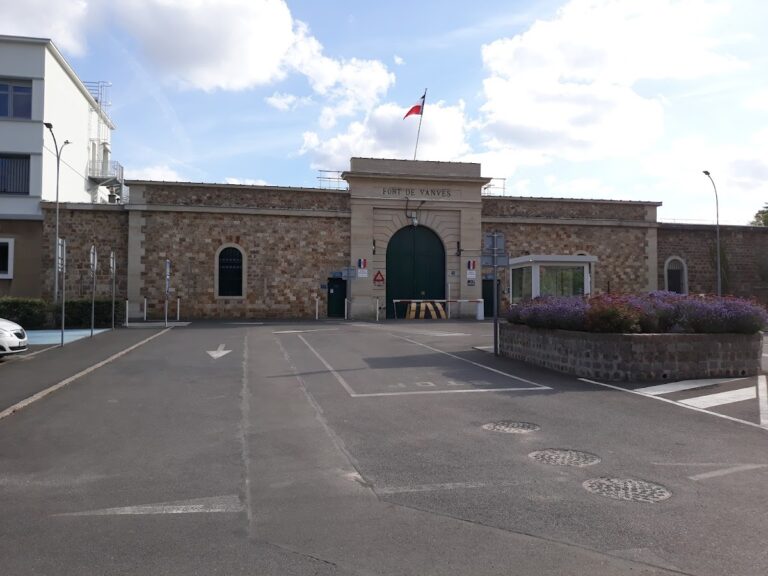
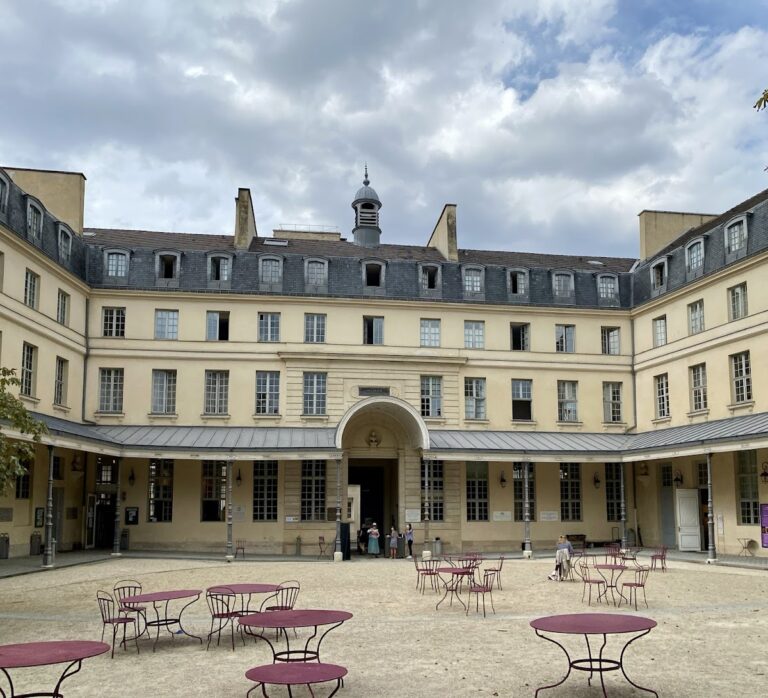
Redoute des Hautes-Bruyères: A Defensive Fortification in Villejuif
Site at a Glance
- Rating
- 4.2
- Popularity
- Medium
- Country
- France
- Primary era
- Modern
- External website
- Open
- Eras represented
- Modern
- Civilizations
- French
- Site type
- Military
- Remains
- Fort
On this page10 sections
History
Redoute des Hautes-Bruyères is a small enclosed defensive fortification in Villejuif, France, begun in August 1870 to protect Fort de Bicêtre and reinforce Paris’s defenses.
Paris’s defenses and the Commune
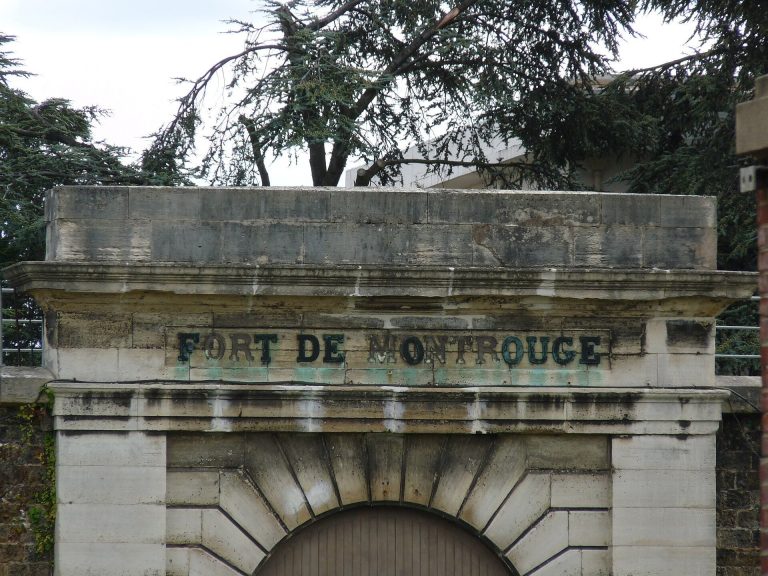
During the first half of the nineteenth century, Paris developed a belt of forts that included Fort de Montrouge, Fort d’Ivry, and Fort de Bicêtre. As artillery range increased during the Franco-German War, the 1870–71 conflict between France and Prussia and their German allies, France ordered the redoubt to help defend Fort de Bicêtre and strengthen the capital’s defenses.
In 1871, supporters of the Paris Commune, a revolutionary government in the city, occupied the redoubt. They used it to defend Fort de Bicêtre, bombard the surrounding plain, including the villages of Arcueil-Cachan and l’Haÿ, and control the road to Orléans.
Émile Thibaut was executed at the redoubt. The French writer and journalist Maxime Du Camp condemned the execution as a grave injustice. He argued that a poor young man had been put to death on a supposed treason charge to explain the Commune’s military failures. Republican forces retook the redoubt on 25 May; Fort de Bicêtre followed two days later.
Technical and training uses
From 1946, the site housed a technical centre for the Society for Studies in Reaction Propulsion, known as SEPR. It later became a training centre for the French Republican Security Companies (CRS), specialized National Police units associated chiefly with public-order duties. The redoubt was decommissioned in August 2016.
Settlement and environmental case
From spring 2020, Moldovan people and later Roma people occupied the site and formed an informal settlement. It grew from about 30 families to more than 250 by autumn. Conflict arose among communities, and clan leaders sold places in the settlement.
A dump containing tens of thousands of cubic metres of hazardous, toxic, and polluting waste was established near the settlement and the adjoining park. Residents questioned how hundreds of people and thousands of truckloads of waste could have reached the area along a single closed, easily monitored road without authorities intervening. Environmental enforcement proceedings led to 12 people being questioned or taken into custody and four vehicles being seized. Two company managers who had arranged for occupants to dispose of waste received penalty orders, and a Romanian national involved in the case was brought before judicial authorities.
A court in Créteil ordered the occupants’ eviction on 31 December 2020, and the site was cleared in June 2021. In September 2022, a European tender was launched for decontamination work.
Remains
Setting and layout
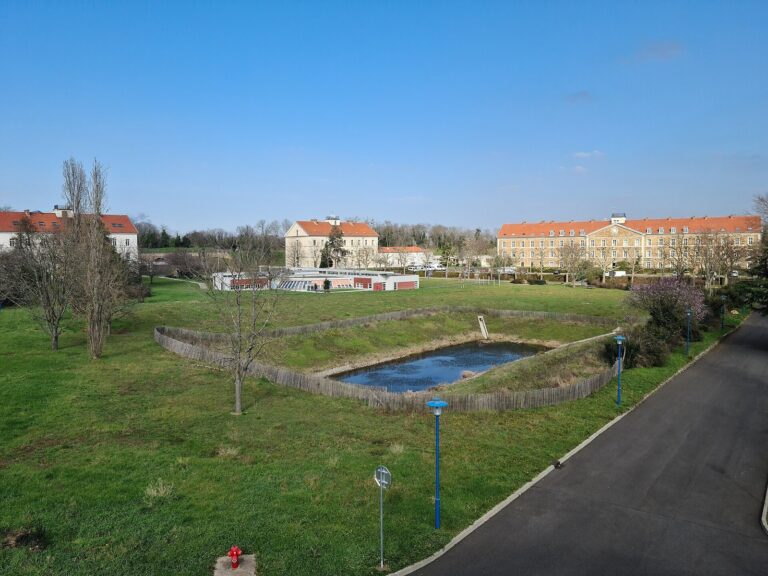
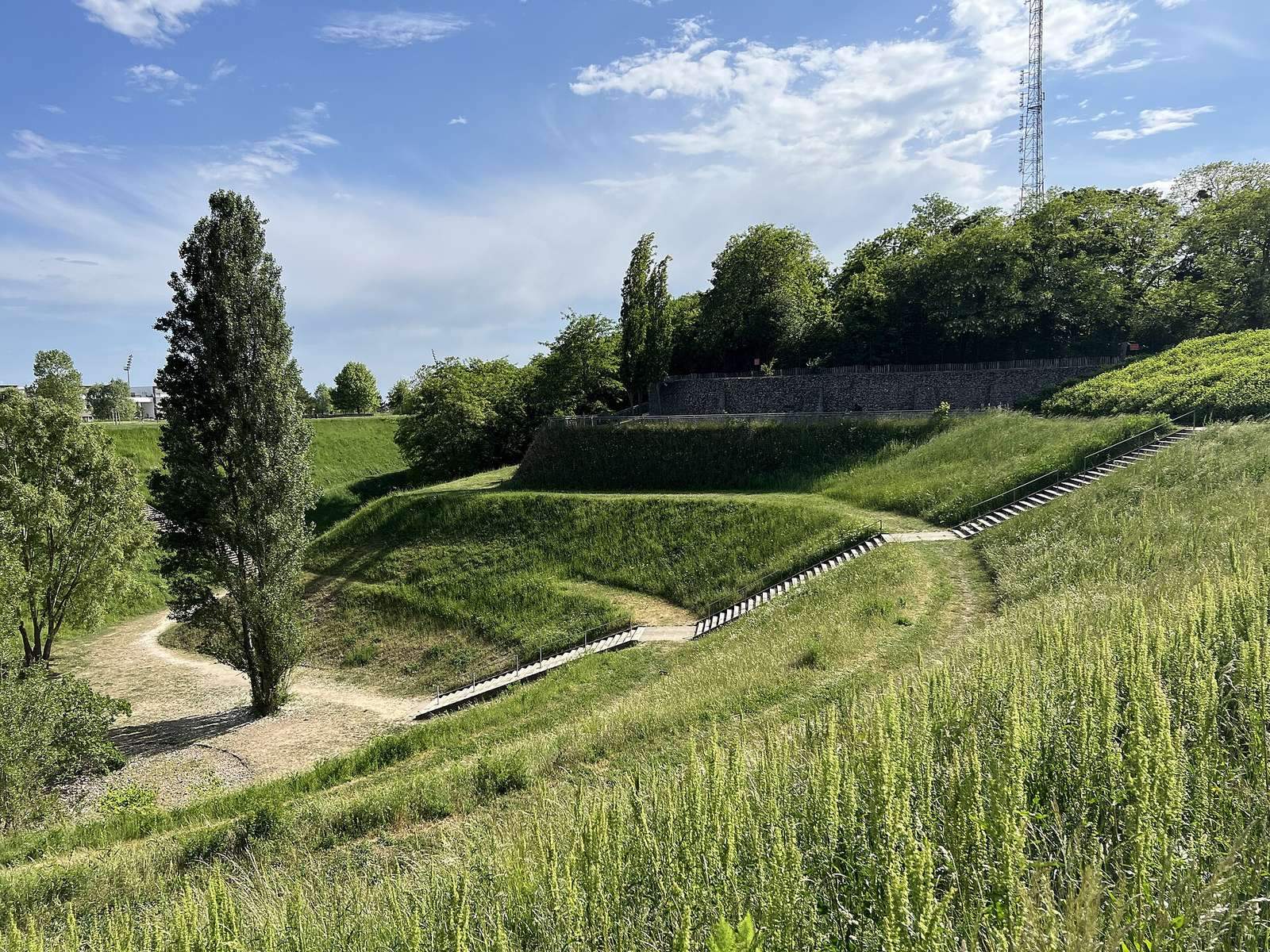
The redoubt occupies about 3.7 hectares on the Longboyeau plateau, at an altitude of 122 metres, the highest point in Val-de-Marne. It lies about 1.5 kilometres south of Fort de Bicêtre. The A6b motorway borders the site to the west, the Gustave Roussy Institute lies to the north, and Hautes-Bruyères Park borders it to the east and south. The park occupies former quarries that were converted in 1995.
Fortification features
Casemates
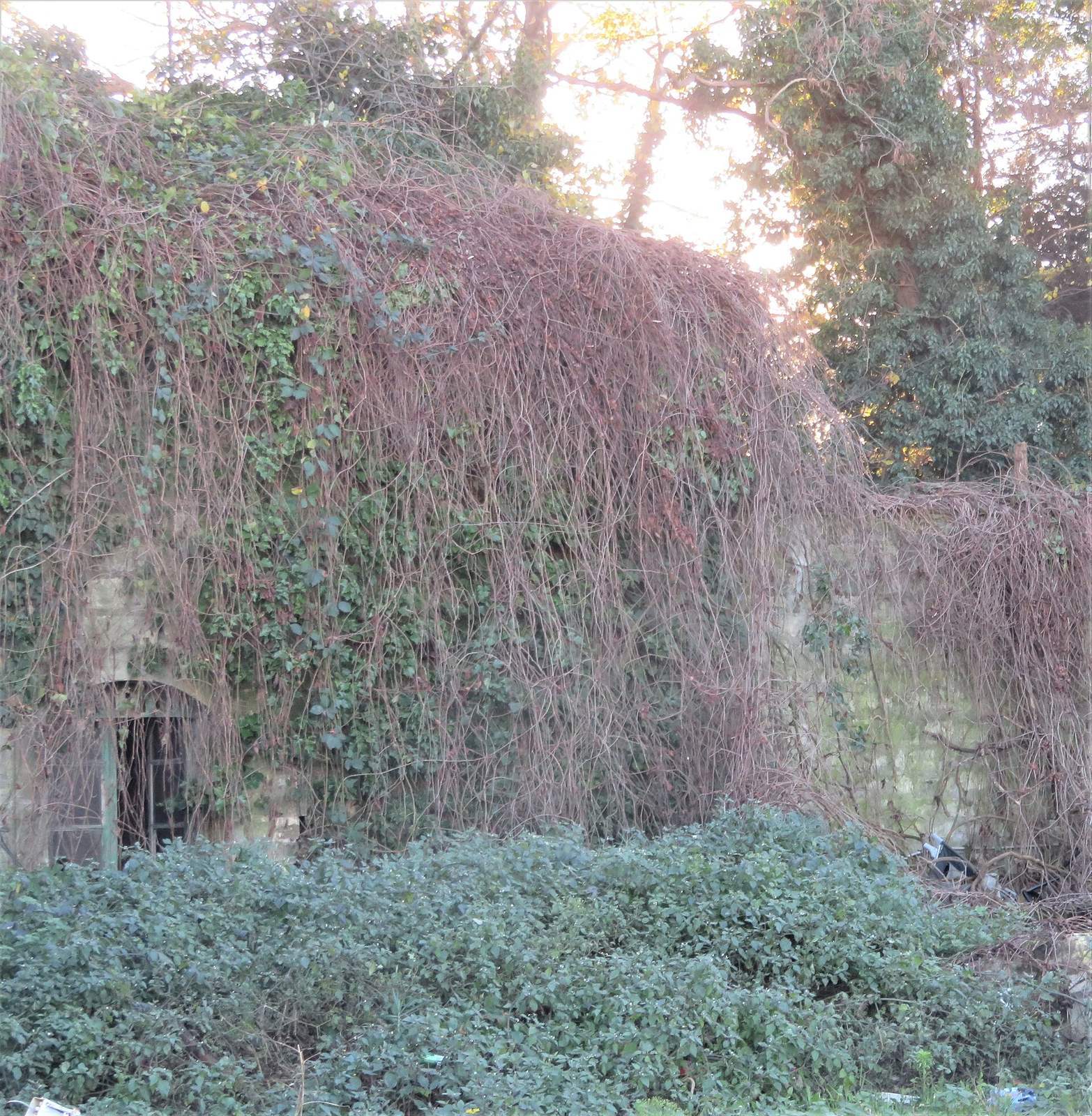
Protected chambers built into the fortification, known as casemates, were constructed at the redoubt in 1874.
Western rampart
The western rampart ran alongside the ditch. Construction of the A6b motorway partly destroyed it.
Later building
A hangar on the north side of the site bears the initials placed there by SEPR.